The Best Touring Bindings of 2026/27
Affiliate disclosure: As an Amazon Associate we earn from qualifying purchases. Some links below are affiliate links, see our full disclosure. Recommendations are based on our independent research of current-season gear, specifications, and aggregated expert and user feedback.
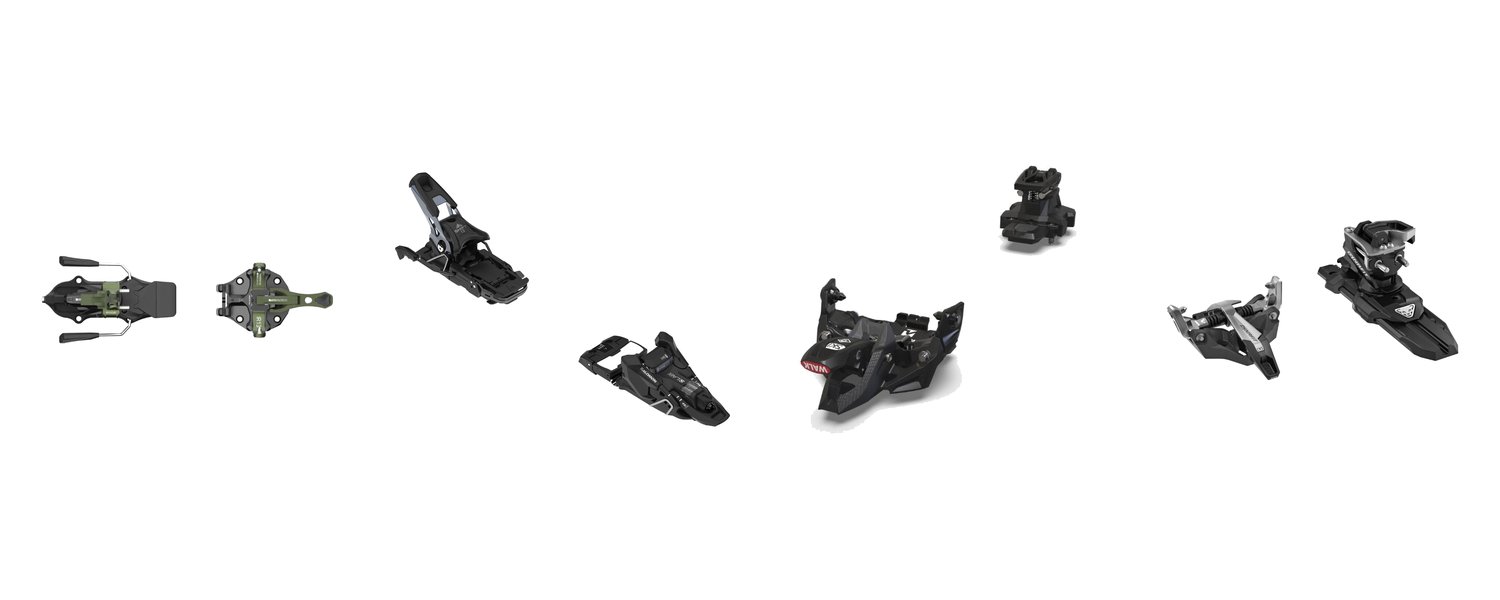
No piece of backcountry gear forces a harder self-assessment than the touring binding. Buy for the climb and you give up downhill security; buy for the descent and you haul an extra kilogram up every skin track. The current crop makes the compromise smaller than it has ever been, but the categories still matter: a 300-gram pin binding, a 900-gram freeride pin binding and a hybrid that turns into an alpine binding at the top are three different tools. Based on our research across current-season specs, published reviews and owner feedback, these four cover the real decisions for 2026/27, from about $450 to $750.
The honest starting question: count your realistic days per winter and where they happen. Mostly lifts with a few gate laps points to the Shift2. Mostly skin track points to a pure pin binding, and the lighter you go, the more release sophistication you give up. Our picks are organized around exactly that split.
Quick Comparison
| Pick | Best For | Weight (per binding) | Release | Price |
|---|---|---|---|---|
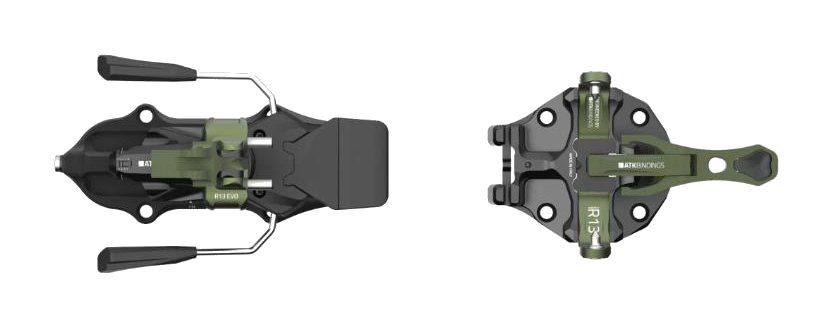
| ATK Raider 13 Evo | All-mountain touring | ~370 g + brake | 5-13, both axes | ~$750 |
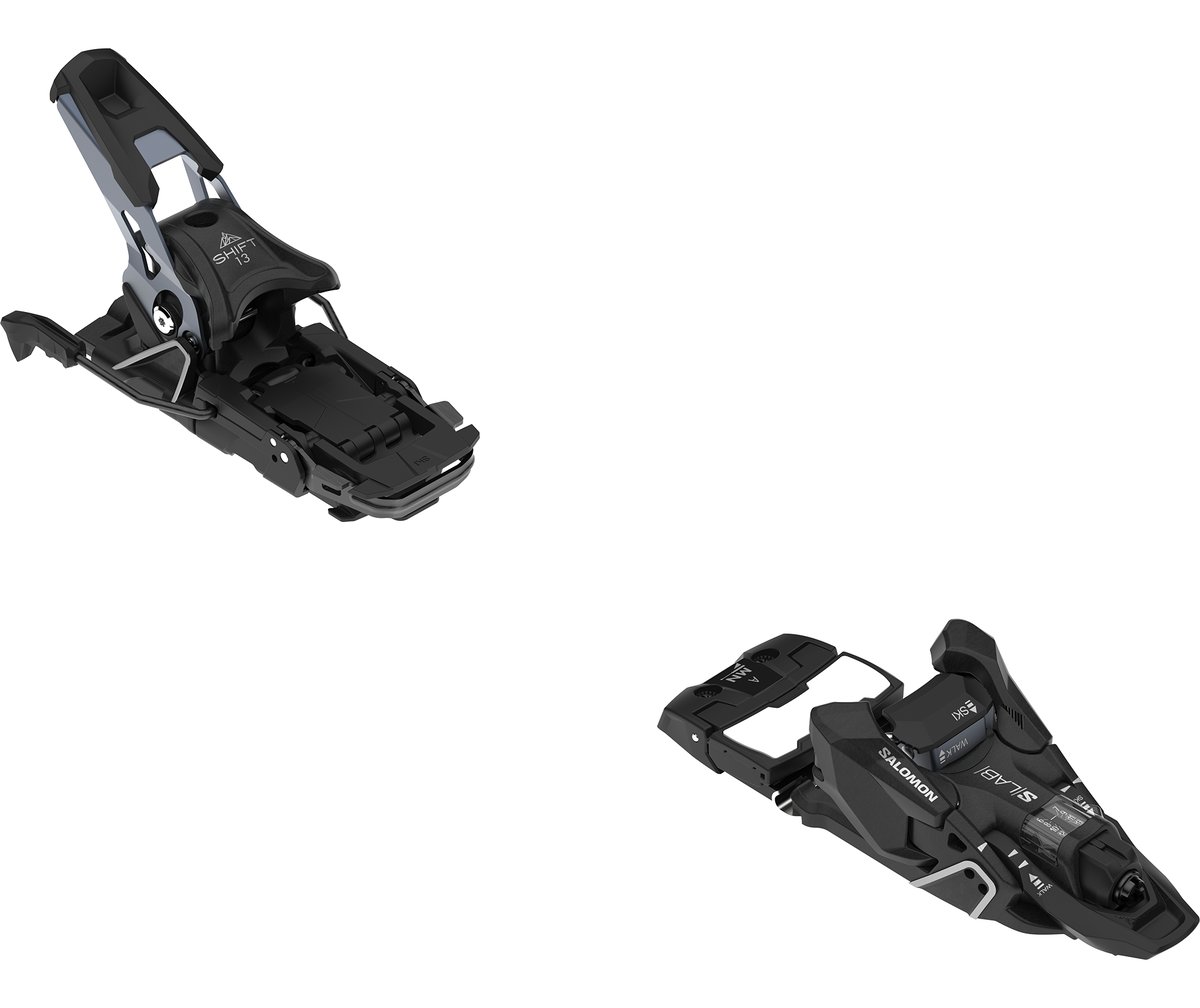
| Salomon S/Lab Shift2 13 MN | 50/50 resort and tour | ~920 g with brake | DIN 6-13, TÜV certified | ~$680 |
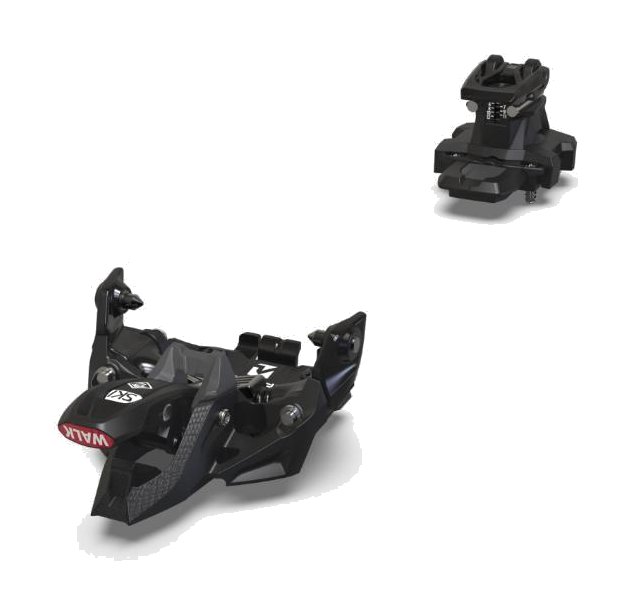
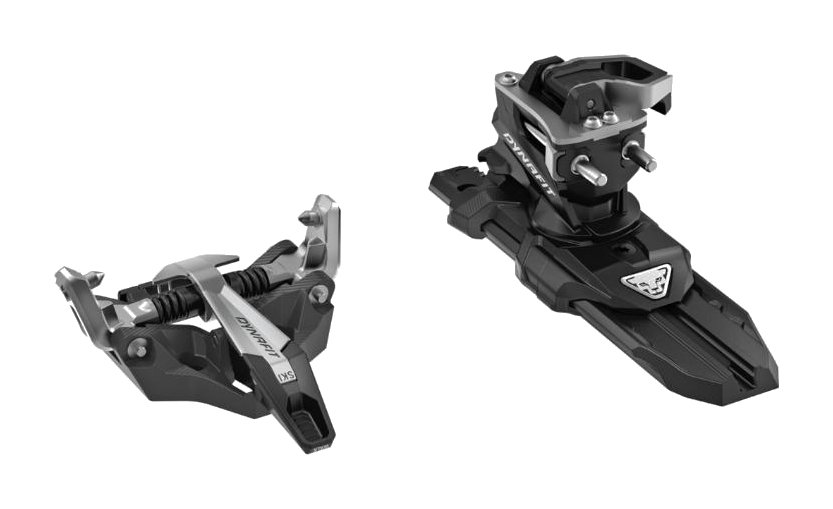
| Marker Alpinist 12 | Ski mountaineering, light setups | ~297 g without brake | Lateral 6-12, vertical fixed | ~$550 |
| Dynafit Seven Summits | Value touring | ~326 g without brake | 4-10, both axes | ~$450 |
Our Picks
How to Choose a Touring Binding
Decide what the binding must survive. Resort laps at speed punish bindings in ways a skin track never will. If half your days involve lift-served terrain, the Shift2's alpine-style toe and TÜV-certified release earn their weight. If you rarely ride lifts on your touring skis, a pin binding saves 500 to 1,500 grams per pair, and that difference is the next hour of your day on a long approach.
Understand what release certification does and does not mean. Only the Shift2 here carries a TÜV-certified DIN release. The ATK and Dynafit offer adjustable values on both axes that behave predictably, while the Alpinist fixes its vertical release in a swappable spring. None of this makes light bindings unsafe, but aggressive skiers and anyone with a knee history should weigh it, and every binding should be set by a shop against your weight, height and boot sole length.
Brakes or leashes is a real fork in the road. The Raider's automatic brakes and the Shift2's included ones behave like alpine gear. The Alpinist and Seven Summits ship brakeless; adding brakes costs $70 to $100 and roughly 100 grams per binding, while leashes are lighter but tether you to a ski in a tumble. Resorts that require brakes settle the question for you.
Mind the ecosystem details. Riser heights decide how your calves feel at hour four; the ATK's flat, +26 mm and +47.5 mm spread is the most complete here. Check ski crampon compatibility before you need it (each brand uses its own slot), confirm your boot has tech inserts, and remember boot sole length adjustment ranges differ: 30 mm on the Shift2, 25 mm on the ATK and Dynafit, 15 mm on the Marker. Pair the binding with a real avalanche kit; our avalanche safety guide covers that side.
Budget the whole setup honestly. A $450 binding with $100 crampons and $70 brakes is a $620 binding. Factor skins, and see our ski backpack guide and powder ski guide for the rest of the rig. Mounting is a shop job: pin bindings forgive nothing about a mount that is half a millimeter off.
Frequently Asked Questions
Can I use touring bindings at the resort every day?
The Shift2 is built for exactly that and skis like an alpine binding once locked in. Pin bindings like the ATK, Marker and Dynafit handle resort days fine in good snow, but repeated high-speed impacts on firm pistes are where their lighter construction and uncertified release become real limitations. Match the binding to your actual ratio of lift days to touring days.
Do I need a TÜV-certified release for backcountry skiing?
No, and most dedicated touring bindings are not certified. Certification means the release behavior was independently tested to the alpine DIN standard, which matters most for aggressive skiing and skiers with injury history. Plenty of skiers tour safely on adjustable but uncertified pin bindings; the key is having the values set properly and testing release in the shop.
Will these bindings fit my boots?
The three pin bindings need boots with tech inserts, which nearly every touring boot has. The Shift2 is Multi Norm Certified and also accepts alpine and GripWalk soles for the descent, but it still needs tech inserts for the climb, and boots with shortened race-style lugs are not compatible. When in doubt, bring the boot to the shop.
What do the release numbers on a touring binding mean?
They follow the same scale as alpine DIN values: higher numbers need more force before the binding lets go. A shop calculates your value from weight, height, age, boot sole length and skiing style. If your calculated value sits at the top of a binding's range, size up to the next model so you are not maxing out the spring.