The Best Ski Backpacks of 2026-27: Resort, Touring, and Airbag Picks
Affiliate disclosure: As an Amazon Associate we earn from qualifying purchases. Some links below are affiliate links, see our full disclosure. Recommendations are based on our independent research of current-season gear, specifications, and aggregated expert and user feedback.
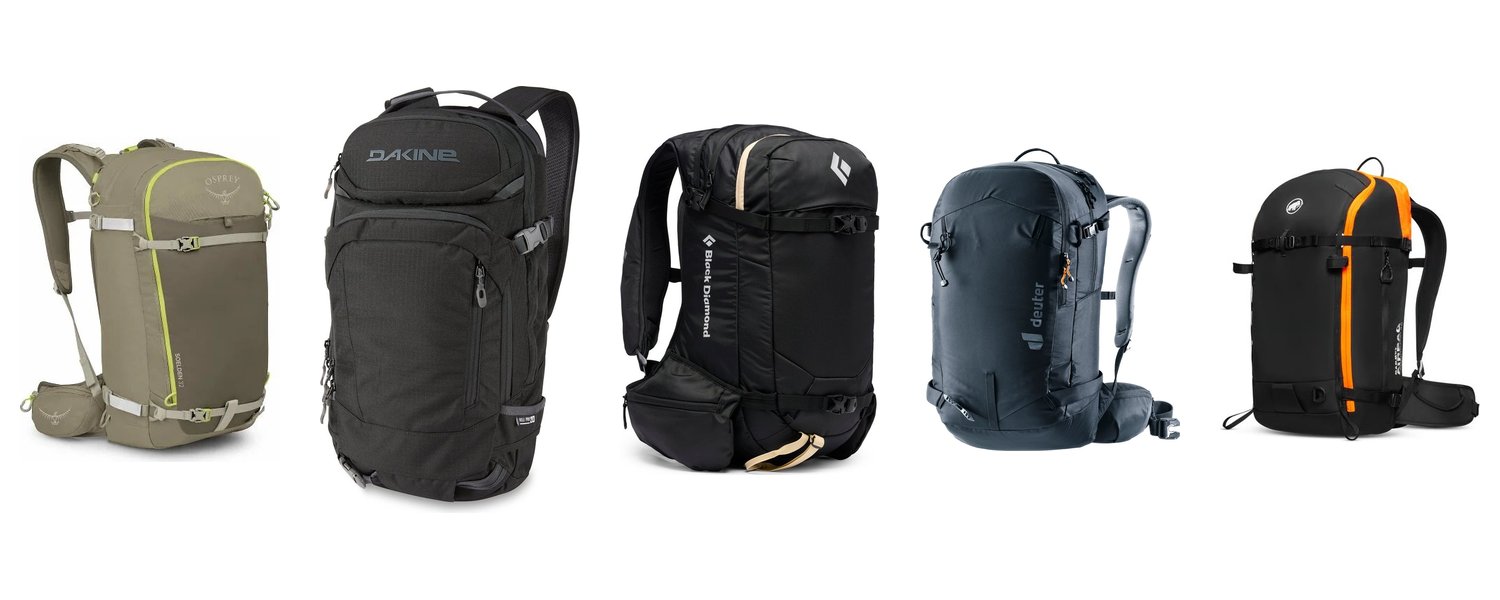
A good ski pack disappears on your back until you need it, then hands you a shovel in seconds. The wrong one swings on the descent, dumps snow down its own back panel, and buries your skins under your lunch. The market splits into three tiers: slim resort and sidecountry packs around 20 liters, purpose-built touring packs in the 30-liter range, and avalanche airbag packs that add an inflation system (and several hundred dollars). Based on our research across the current season's models and aggregated expert and user feedback, these five cover almost every skier and rider.
Quick Comparison
| Pack | Best For | Volume | Price |
|---|---|---|---|
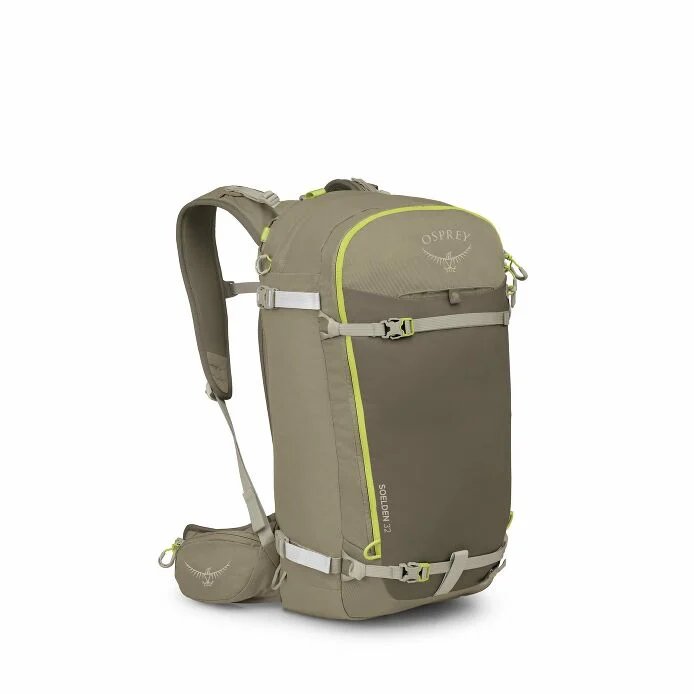
| Osprey Soelden 32 | Overall / touring days | 32L | ~$195 |
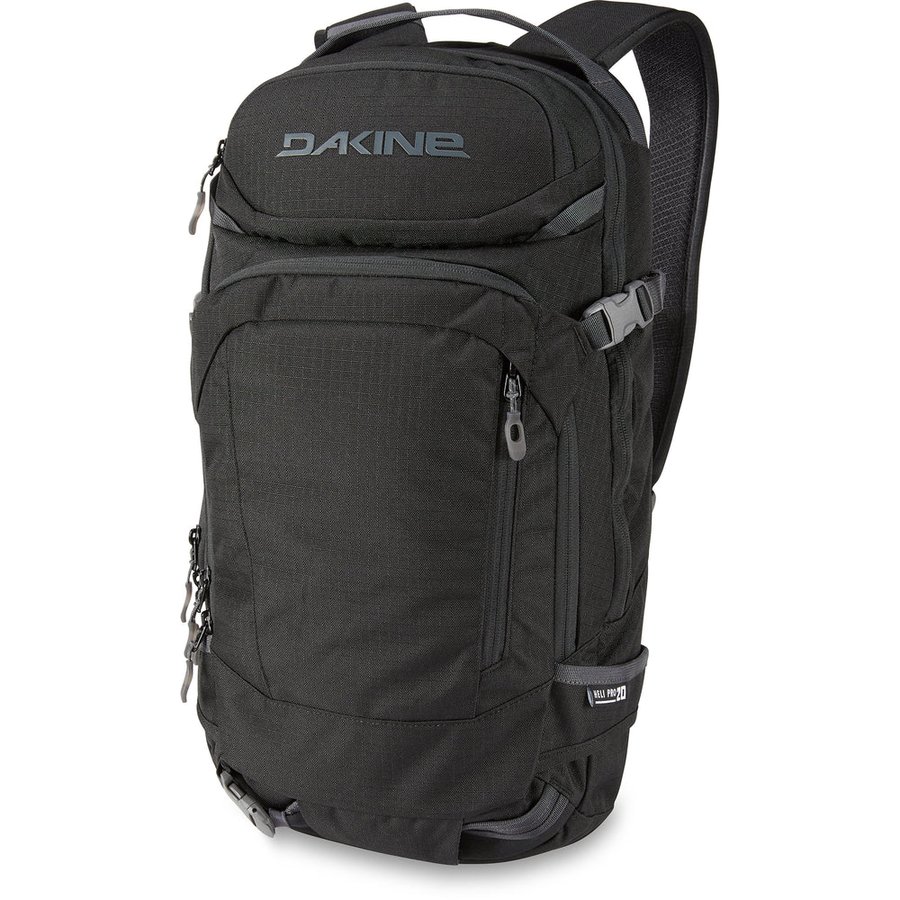
| Dakine Heli Pro 20L | Resort & sidecountry value | 20L | ~$145 |
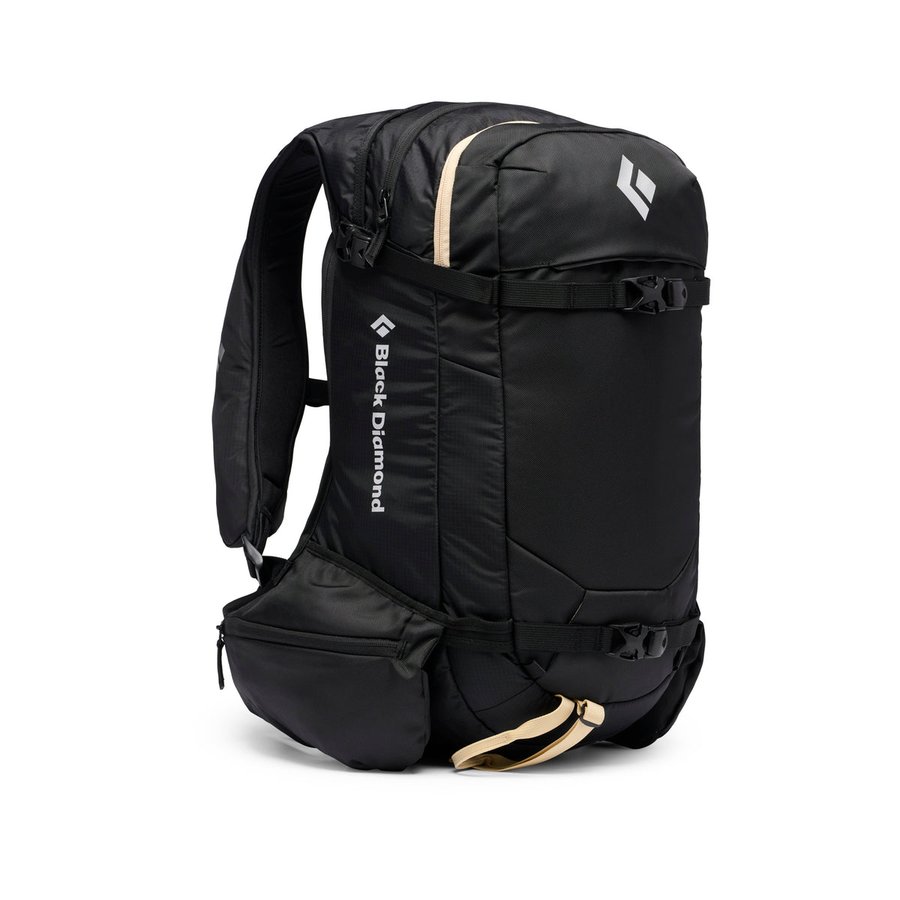
| Black Diamond Dawn Patrol 32 | Technical touring | 30-32L | ~$270 |
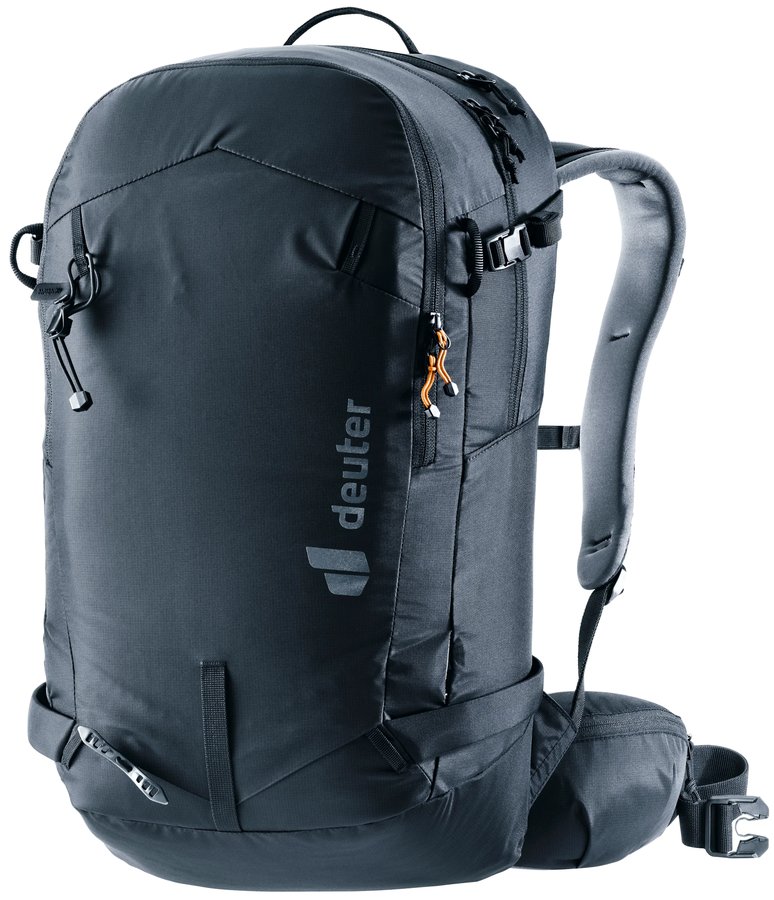
| Deuter Freerider 30 | Lightweight freeride | 30L | ~$200 |
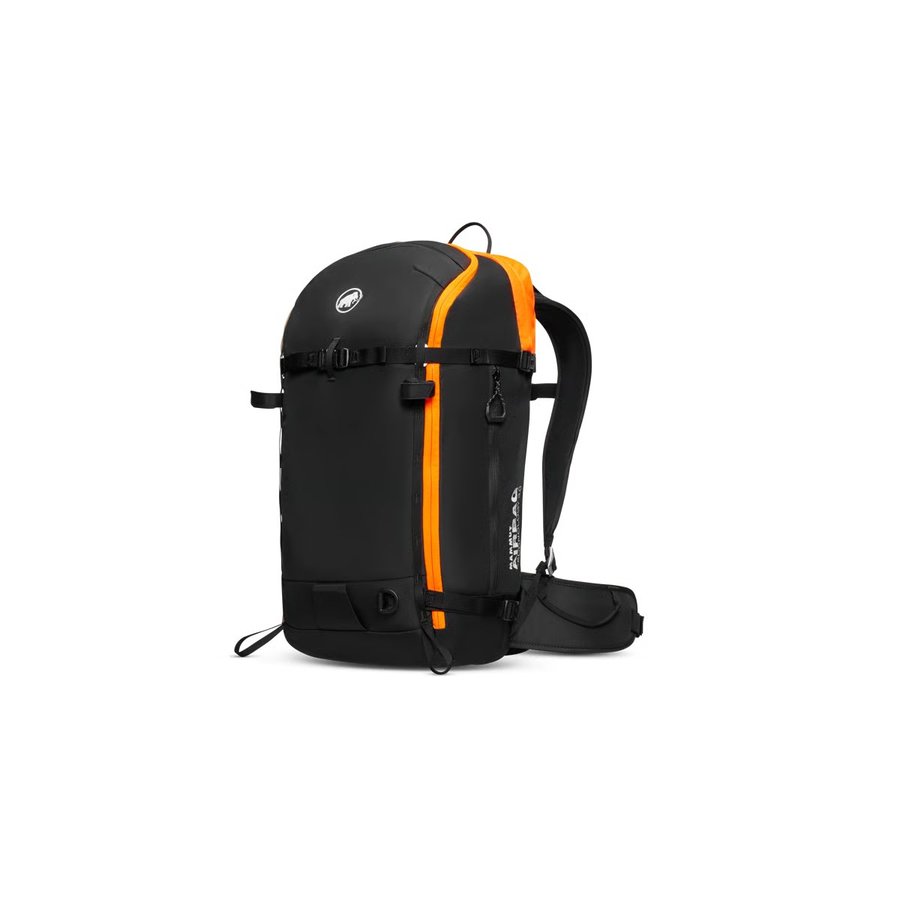
| Mammut Tour 30 Removable Airbag 3.0 | Avalanche airbag | 30L | ~$650 |
Our Picks
How to Choose a Ski Backpack
Size to your day, not your ambitions. Lift-served skiing with occasional sidecountry laps needs 18-25 liters: water, a layer, snacks, tools. Full touring days want 28-35 liters so skins, extra gloves, a puffy, and a repair kit fit without compression-strap origami. Bigger than 35L is overnight territory.
Insist on a dedicated avalanche-tool pocket if you ever leave the ropes. Shovel and probe belong in their own front compartment where one zipper pull exposes them, not loose in the main bag under your sandwich. Every pack above has one.
Check the carry systems against your gear. Skiers want secure diagonal or A-frame carry; snowboarders need vertical or horizontal board straps. Splitboarders should confirm both. A stowable helmet net is worth having on any bootpack.
Back access beats top access in snow. Packs that open from the back panel let you dig for gear with the harness side up and out of the snow, keeping the straps dry. Once you have used it, you will not go back.
Do You Need an Airbag Pack?
Airbag packs reduce burial risk by making you a larger object that migrates toward the surface of moving debris. The research consensus is that they meaningfully improve survival odds in a slide, but they are a supplement to, never a substitute for, avalanche education, a beacon, shovel, probe, and conservative terrain choices. If you ski avalanche terrain regularly, the price is easier to justify than a new pair of skis. If you stay inbounds, spend the difference on lessons and save the weight.
Frequently Asked Questions
Can I use a regular hiking daypack for skiing?
You can, but you will fight it. Hiking packs lack ski or board carry, their mesh back panels hold snow against your spine, and buckles designed for bare hands are miserable in gloves. Purpose-built ski packs solve all three for similar money.
What goes in a ski pack for a resort day?
Water, an extra layer, spare gloves and goggles, snacks, sunscreen, and a small multi-tool. If you duck ropes into sidecountry, add the full avy kit and a partner who carries the same, plus the training to use it.
Are airbag cartridges allowed on airplanes?
Compressed-gas cartridges are heavily restricted in air travel and rules vary by airline and country. Many skiers fly with the empty pack and rent or buy a cartridge at the destination. Check your airline’s dangerous-goods policy before you pack one.
How do I keep my hydration hose from freezing?
Look for insulated hose routing (the Dawn Patrol’s shoulder pocket is built for exactly this), blow the water back into the reservoir after each sip, and start with warm water on cold mornings.