The Best Powder Skis of 2026/27
Affiliate disclosure: As an Amazon Associate we earn from qualifying purchases. Some links below are affiliate links, see our full disclosure. Recommendations are based on our independent research of current-season gear, specifications, and aggregated expert and user feedback.
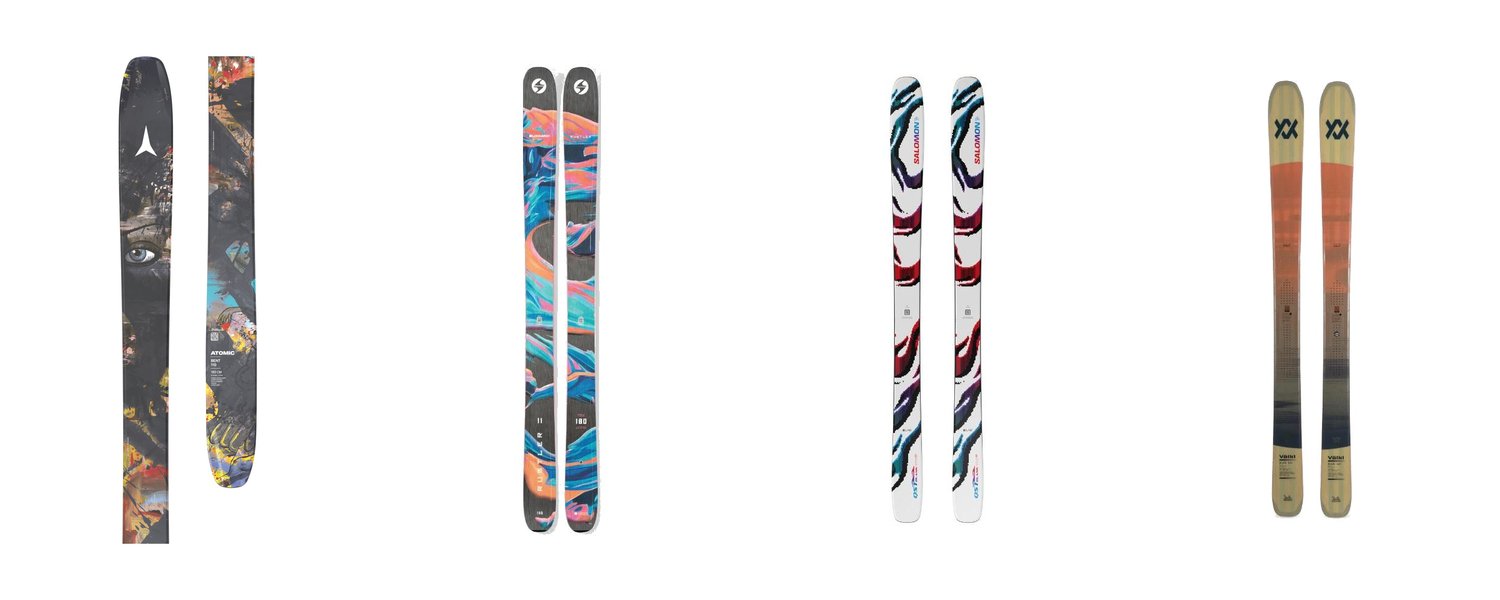
A powder ski is the most honest purchase in skiing: you buy it for maybe a dozen days a year, and those are the days you remember in July. The 110-115 mm class has quietly become the sweet spot. Skis this wide now float nearly as well as the old 120s while staying civil on the traverse, the runout and the chopped-up afternoon after the storm. The four below cover the main personalities in the class, from a 1,750 g playmaker to a titanal charger. All four are current 2026/27 models, and our picks are based on research across manufacturer specs, published ski tests and season-long user feedback.
Quick Comparison
| Ski | Best For | Waist | Weight (per ski) | Price |
|---|---|---|---|---|
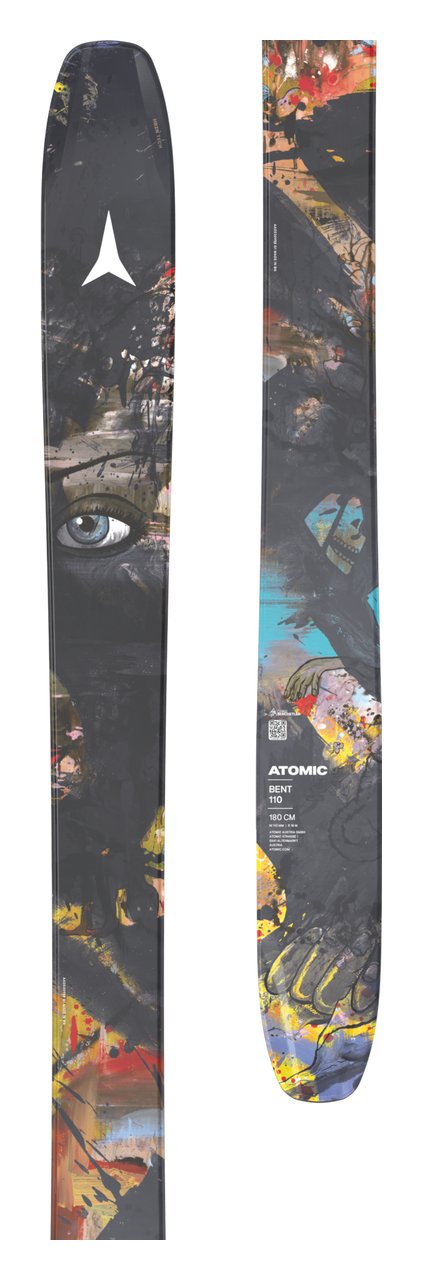
| Atomic Bent 110 | Overall / playful | 110 mm | 1,750 g | ~$750 |
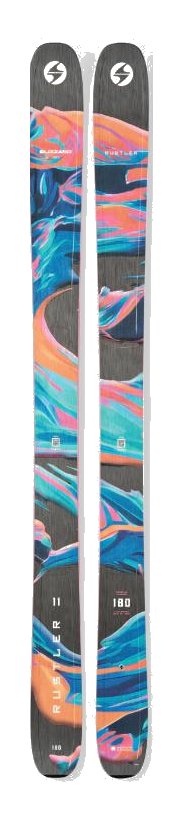
| Blizzard Rustler 11 | Chargers, chop | 112-114 mm | ~2,070 g | ~$900 |
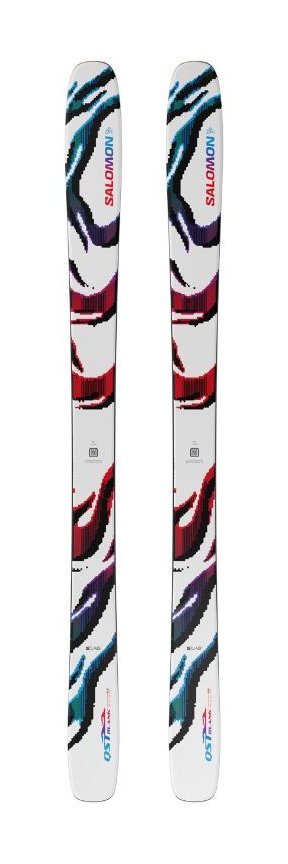
| Salomon S/Lab QST Blank | Big-mountain lines | 112 mm | ~2,070 g | ~$900 |
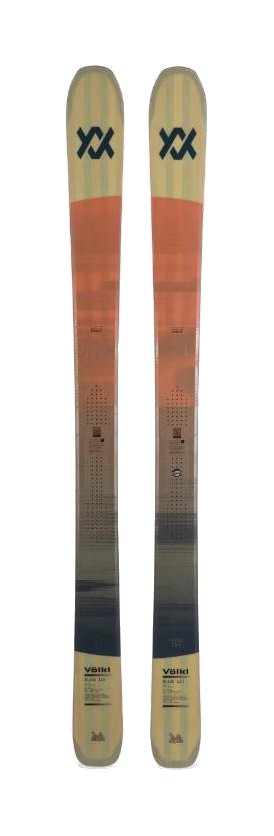
| Völkl Blaze 114 | Lightweight / 50-50 touring | 114 mm | ~1,900 g | ~$900 |
Our Picks
How to Choose a Powder Ski
Width is a tradeoff, not a score. More waist means more float and less edge grip, full stop. For most resort skiers who get real storms, 108-115 mm underfoot is the honest sweet spot; go wider only if your average powder day is measured in feet. If your mountain sees a handful of 15 cm days a season, a wider all-mountain ski from our all-mountain guide may serve better than a dedicated powder ski.
Weight decides the ski's personality. The 1,750 g Bent 110 and ~1,900 g Blaze 114 pivot easily, tour credibly and forgive mistakes; the ~2,070 g Rustler 11 and QST Blank plow through chop the light skis bounce off. Be honest about whether you finish powder days early or ski the ragged leftovers until the lifts close.
Size up, within reason. Deep rocker profiles shorten the edge you actually stand on, so powder skis are generally skied 5-10 cm longer than a frontside ski. Several testers of the skis above specifically recommended the longer length for bigger terrain.
Bindings and brakes. You will need wider brakes than your all-mountain setup, typically 110-125 mm. Our ski bindings guide covers the usual suspects; if you plan to tour on your powder ski, that is where the light pair pays off twice.
Do You Even Need a Powder Ski?
A fair question with a regional answer. Skiers in the Rockies, interior British Columbia, Japan or the deeper Alps resorts will use one constantly; see our guides to Niseko and Revelstoke for the sort of snowfall that justifies the purchase. East-coast and UK-trip skiers who get two soft days a year are usually better renting on location. And if you are heading beyond the ropes to find untracked snow, budget for avalanche safety gear before a second pair of skis.
Frequently Asked Questions
What width counts as a powder ski?
Roughly 108 mm underfoot and up. Below that you are in all-mountain territory; above about 118 mm you are into specialist deep-snow tools that suffer everywhere else. All four picks here sit in the 110-114 mm sweet spot.
Can I use a powder ski every day?
You can, but you will work for it. Wide skis are slower edge to edge and harder on the knees on firm snow. Most owners treat a powder ski as the second pair that comes out when the forecast cooperates.
Should powder skis be longer than regular skis?
Usually 5-10 cm longer than your frontside length. Rocker shortens the effective edge, and extra length adds float and stability in deep snow without feeling unwieldy once you are moving.