The Best Ski Bindings of 2026-27: Four Picks Worth Mounting
Affiliate disclosure: As an Amazon Associate we earn from qualifying purchases. Some links below are affiliate links, see our full disclosure. Recommendations are based on our independent research of current-season gear, specifications, and aggregated expert and user feedback.
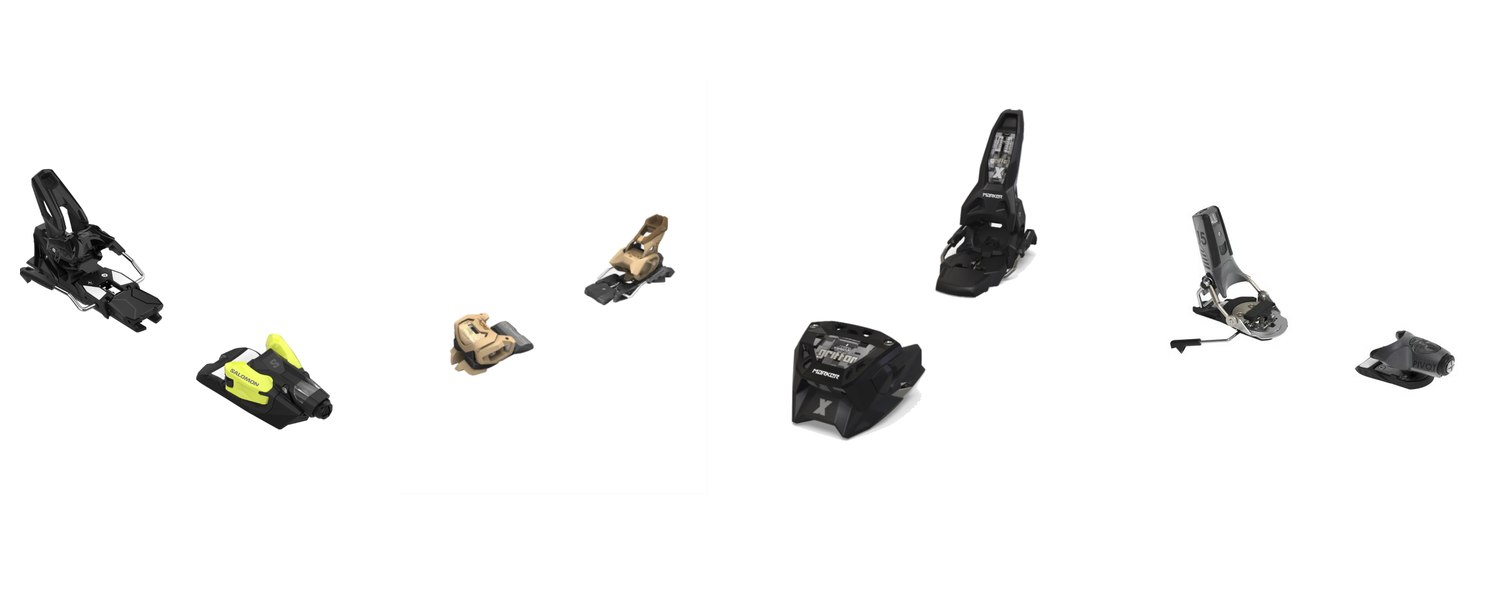
Bindings are the piece of gear most skiers think about least, and the one piece that holds you to the ski and lets you go when it matters. The good news for 2026-27: the four bindings below all release reliably, hold on when you charge, and cost far less than your skis. The differences come down to feel, step-in ease, elasticity, and how much metal you want under your boot. Based on our research across current-season models, retailer listings, and published reviews, these are the alpine bindings worth mounting this winter.
Quick Comparison
| Binding | Best For | DIN Range | Price |
|---|---|---|---|
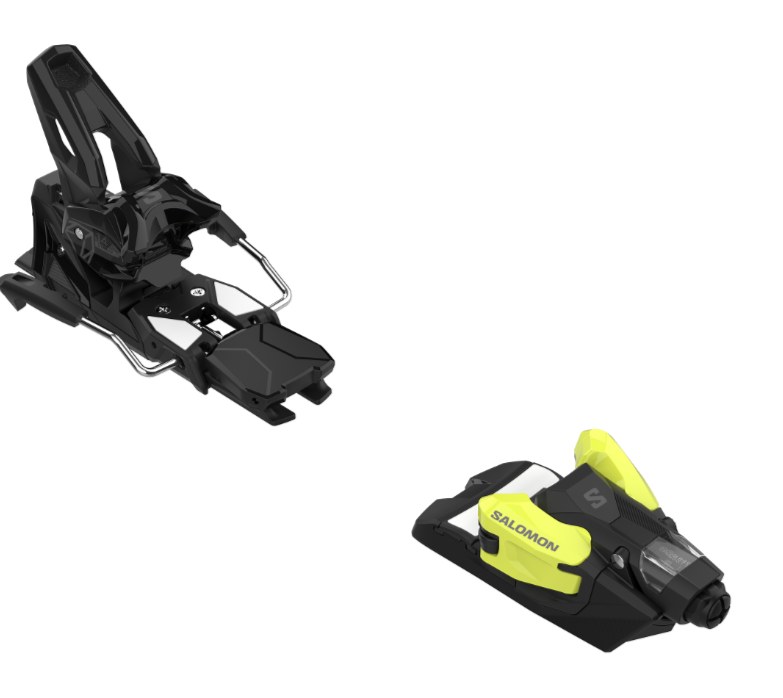
| Salomon Strive 14 GW | Overall | 5-14 | ~$280 |
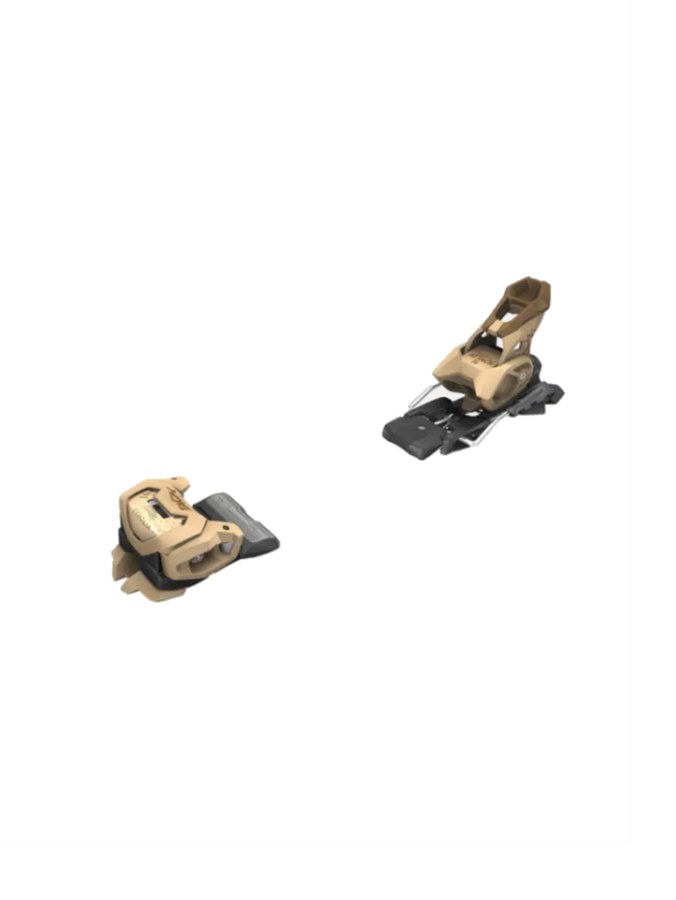
| Tyrolia Attack 14 GW | Value & easy entry | 4-14 | ~$280 |
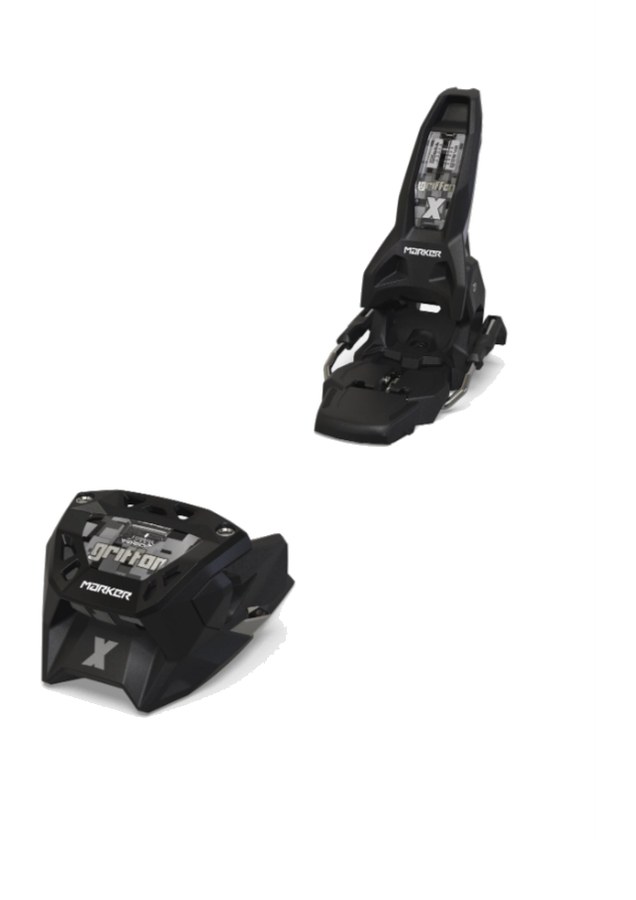
| Marker Griffon X 13 | Low-riding power (new for 26/27) | 4-13 | ~$300 |
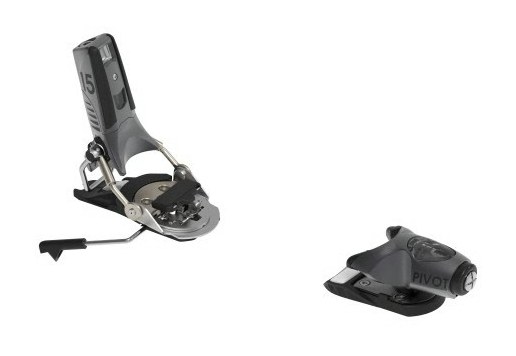
| Look Pivot 2.0 15 GW | Experts & freestyle | 6-15 | ~$500 |
Our Picks
How to Choose Ski Bindings
Get the DIN range right. Your release value is set by a technician from your weight, height, boot sole length, and skiing style. You want that number to land in the middle of a binding’s range, not at either end, where springs are least precise. A 170lb intermediate usually lands around 6-7; if your calculated setting is 5 or below, a 13 or 14 DIN binding is more than you need.
Match brake width to ski waist. Brakes should be equal to your ski’s waist width or up to 15mm wider. Too narrow and they will not clear the ski; too wide and they can drag in turns. An 88mm ski takes a 90mm brake, a 106mm powder ski wants 110 or 115.
Check boot sole compatibility. All four picks here handle standard alpine soles (ISO 5355) and GripWalk (ISO 23223), which covers nearly every current boot. If you ski a touring boot with ISO 9523 soles, none of these are the right match; you need a MNC or Duke-style binding instead.
Do not obsess over weight. A 200g difference per foot matters on a skin track and is nearly imperceptible inbounds. Elasticity, stand height, and step-in ease shape your day far more than grams do.
Mounting matters more than the binding. Every binding here performs as designed only after a shop mount, a forward-pressure check, and a release test with your actual boot. Budget $50-75 for the mount and consider it part of the price.
Frequently Asked Questions
Are expensive bindings safer?
Not in the way people assume. Every certified binding must meet the same release standards, and a correctly adjusted ~$280 Attack releases as reliably as a ~$500 Pivot. What you buy with more money is elasticity, the travel a binding allows before releasing, which reduces pre-release for skiers who land hard and ski fast. For most people, correct adjustment matters more than model choice.
Can I move bindings to a new pair of skis?
Usually once, sometimes twice. Remounting means new holes, and most skis tolerate two or three mounts before the core is Swiss cheese. A shop can often reuse the same holes if the boot and mount point match. Note that the Pivot’s short heel adjustment range makes it the most likely to need a fresh mount when boots change.
What does GripWalk actually do?
GripWalk soles have a rockered, rubberized tread that makes walking in ski boots dramatically less treacherous. GW-certified bindings have a toe design and sliding AFD plate that release consistently with that curved sole. All four picks here take GripWalk and standard alpine soles interchangeably, with no adjustment needed beyond the usual shop setup.