Look Pivot 2.0 15 GW Review
Affiliate disclosure: As an Amazon Associate we earn from qualifying purchases. Some links below are affiliate links, see our full disclosure. This breakdown is based on our independent research of current-season specifications and aggregated expert and user feedback.
The quick verdict: The most elastic travel in skiing, now with the modern annoyances fixed. The binding for people who land on their skis from places most of us look at. ~$500
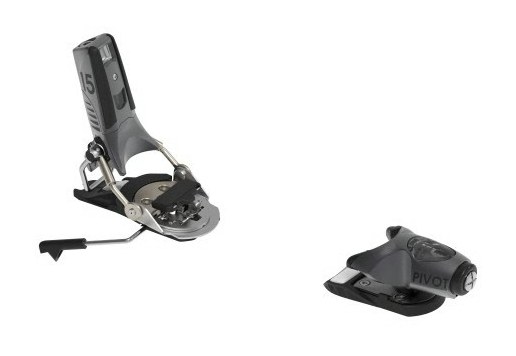
Overview
The Pivot’s turntable heel dates back to the 1960s and remains, by the numbers, the best retention system ever put under a ski boot. Look sells the design in 18, 15, 14, and 12 DIN flavors; the 15 reviewed here is the sweet spot for strong skiers who do not need race-room settings. For 2026-27 the whole line moved to the Pivot 2.0 generation: same all-metal guts and seven points of boot contact, plus widened toe arms, a far more accessible heel DIN screw, added length adjustability, and protective heel bumpers. The original Pivot 15 GW remains at retailers at a discount while stock lasts, often several hundred dollars below this 2.0.
Why skiers tolerate its quirks comes down to two numbers: 40mm of lateral travel at the toe and 28mm of vertical travel at the heel before release. Nothing else comes close, and that travel plus the fastest re-centering in the business is why freestyle and freeride professionals have made it a fixture under their skis for decades.
Key Specs
| Spec | Look Pivot 2.0 15 GW |
|---|---|
| DIN range | 6-15 |
| Weight | ~1,245g per binding (~2,490g per pair) |
| Elastic travel | 40mm toe / 28mm heel |
| Stack height | 16.5mm toe / 19mm heel, 2.5mm delta |
| Brake widths | 95, 105, 115mm (2.0 line) |
| Boot compatibility | Alpine (ISO 5355) & GripWalk (ISO 23223) |
| Heel design | Turntable, 7 points of contact, 180° multi-directional release |
| Construction | All-metal toe and heel |
| Mounting footprint | Shortest in the industry |
| Price | ~$500 (original Pivot 15 GW often ~$350 or less on closeout) |
Sizing, Fit & Mounting Notes
Brakes come in 95, 105, and 115mm for the 2.0, which covers most skis this binding belongs on; the shortest-in-industry mounting footprint concentrates screws near boot center, a real benefit on skis with tight mounting zones and a reason park skiers love how it preserves ski flex. The catch is adjustment: the heel track offers little sole-length range even after the 2.0’s improvements, so changing boots often means remounting. Buy your boots first, then mount Pivots. GripWalk and alpine soles both work; touring soles do not.
Where It Shines
- Unmatched elasticity, 40mm toe and 28mm heel, absorbs landings and ruts that pre-release other bindings
- Fastest re-centering in published comparisons, so the ski comes back under you instead of leaving
- All-metal construction with a decades-long durability record
- Short mount zone preserves natural ski flex, a park and mogul favorite
- 2.0 fixes the classic gripes: heel DIN is finally easy to read and set, and the new bumpers protect the turntable
Tradeoffs to Know
- Heaviest binding here, roughly 230-530g more per pair than the alternatives
- Step-in demands precision; reviewers universally flag deep-snow entry as an acquired skill
- Minimal boot-sole adjustment range even in 2.0 form, so plan on remounts with new boots
- At ~$500 it costs nearly two Attacks; the outgoing original Pivot 15 delivers most of the experience for far less
Who It’s For
Freestyle and freeride skiers who land hard and often, mogul skiers, and experts who have pre-released from other bindings and lost trust. If your ski day includes airtime measured in seconds, this is the safest place to put your knees.
Who Should Skip It
Most resort skiers, honestly. If you are not regularly overpowering a conventional heel, the Strive or Attack give you reliable release, easier entry, and lighter weight for close to half the money.
How It Compares
The Salomon Strive 14 GW actually posts a bigger toe-travel number (47mm) but gives up nearly half the Pivot’s heel elasticity, and heel travel is what saves you on flat landings. The Strive is lighter, cheaper, and easier to live with; the Pivot is the one you trust off a cornice.
The Tyrolia Attack 14 GW is the value counterpoint: about half the price, far easier step-in, and durability of its own. Skiers who mostly keep their bases on snow will never miss the Pivot’s extra travel.
The Marker Griffon X 13 offers the most direct, lowest-riding power transfer of the group and a $200 saving. The Pivot beats it where it counts for its audience: absorbing impacts without letting go.
See the full lineup in our guide: The Best Ski Bindings of 2026-27.
Frequently Asked Questions
Pivot 2.0 15 or a discounted original Pivot 15?
The 2.0’s quality-of-life fixes are real but incremental. If a closeout original saves you $150 or more and you can live with the fiddlier DIN screw, the classic is the bargain of the season. Buy the 2.0 if you want the widened toe, added adjustability, and current-generation spare parts.
Pivot 15 or Pivot 18?
The 18 exists for skiers whose calculated release values run 11 and up, plus professionals. Its 6-18 springs are stiffer everywhere, which makes low settings less precise. If your DIN is under 11, the 15 is the correct choice, not the compromise.
Why is stepping into a Pivot harder?
The turntable heel wraps behind the boot rather than sitting under it, so the boot must be positioned precisely before you press down. On groomers it becomes second nature in a week; in bottomless snow you will occasionally curse, which every Pivot owner accepts as tuition.