Salomon Strive 14 GW Review
Affiliate disclosure: As an Amazon Associate we earn from qualifying purchases. Some links below are affiliate links, see our full disclosure. This breakdown is based on our independent research of current-season specifications and aggregated expert and user feedback.
The quick verdict: The most balanced all-mountain binding of the current crop: light, low, smooth to step into, with enough elastic travel to shrug off chopped snow. ~$280
Overview
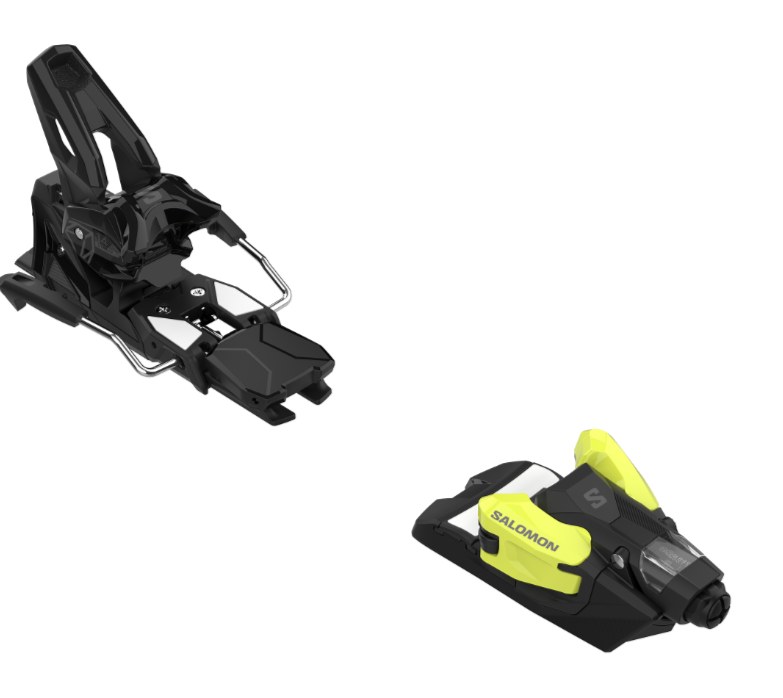
The Strive is what happened when Salomon rethought its aging Warden line from the snow up. The family runs from the Strive 12 through this 14 to the burlier Strive 16, and the same design is sold under Atomic and Armada logos in different colors, so you have probably clicked into one at a demo day without noticing. The 14 is the volume model, aimed squarely at advanced all-mountain skiers who want one dependable binding for groomers, trees, and the occasional storm day.
The headline is the LDN toe, short for Low, Direct, Neutral. It drops the toe piece closer to the topsheet and spreads the contact pedal past 60mm wide, which Salomon says improves lateral power transmission and on-snow feel. Retailer listings put total elastic travel at 47mm at the toe, a figure that beats most rivals short of the Look Pivot.
Key Specs
| Spec | Salomon Strive 14 GW |
|---|---|
| DIN range | 5-14 |
| Weight | ~980g per binding (~1,960g per pair) |
| Stand height | 19.6mm |
| Elastic travel | 47mm toe (per brand and retailer listings) |
| Brake widths | 90, 100, 115, 130mm |
| Boot compatibility | Alpine (ISO 5355) & GripWalk (ISO 23223) |
| Boot sole adjustment | 30mm range |
| Construction | Reinforced composite with metal in key load paths |
| Warranty | 2 years |
| Price | ~$280 |
Sizing & Compatibility
Pick the brake that matches your ski waist or runs up to 15mm wider: the 100mm brake covers the huge 88-98mm all-mountain middle, the 115 suits powder skis, and the 130 handles true fat boards. The 30mm sole-length adjustment range means the same mount can usually survive a boot change, something the Look Pivot cannot claim. DIN 5-14 fits skiers whose calculated release value lands roughly between 6 and 12; lighter skiers below that should look at the Strive 12 and save money.
Where It Shines
- Lowest weight in its class, roughly 60-260g less per pair than the bindings it competes with, per retailer specs
- Smooth, low-effort step-in that published reviews single out repeatedly
- Low, wide toe gives a direct, close-to-the-snow feel and quick edge engagement
- 47mm of toe travel absorbs chatter and hard, chopped snow without pre-releasing
- Locking brakes make waxing and transport easier
Tradeoffs to Know
- Heel elasticity is modest, around 15mm per published measurements, so hard-landing skiers get more security from the Pivot 2.0
- Reviewers note it can occasionally half-latch when snow packs under the boot; a quick sole scrape prevents it
- Power transfer is a notch softer than the Griffon X for very heavy or very aggressive skiers
Who It’s For
The advanced skier who skis everything a resort offers and wants a binding that disappears underfoot. It rewards smooth, mobile skiing, suits light and average-weight skiers especially well, and is the easiest of our picks to live with day to day.
Who Should Skip It
Skiers pushing 200lb-plus at speed, cliff-drop enthusiasts, and park skiers who land hard and backseat. Those groups fall into Pivot or Griffon territory, where extra elasticity or a stouter connection earns its weight.
How It Compares
The Tyrolia Attack 14 GW is the closest call. Pick the Attack for its lower 17mm stand height, still-easier heel entry, and the frequent discounts that make it the value play; pick the Strive for lower weight and more toe elasticity.
The Marker Griffon X 13 trades some of the Strive’s smoothness for a firmer, more locked-in connection. Heavier chargers who want the ski to respond instantly to input will prefer the Marker; everyone else will find the Strive friendlier.
The Look Pivot 2.0 15 GW is the retention king, with 28mm of heel elasticity to the Strive’s 15. It is also nearly 300g heavier per binding and close to twice the price. Buy the Pivot for airtime and consequence; buy the Strive for everything else.
See the full lineup in our guide: The Best Ski Bindings of 2026-27.
Frequently Asked Questions
Is the Strive 14 the same binding as the Atomic Strive 14?
Functionally yes. Salomon, Atomic, and Armada share a parent company, and the Strive platform is sold under all three brands with cosmetic differences. Buy whichever colorway is cheapest.
Strive 12, 14, or 16?
Match your calculated DIN to the middle of the range. Most skiers under 175lb are best served by the 12, most advanced skiers by this 14, and the 16 exists for very heavy, very fast experts whose settings run 10 and up.
Does it work with my touring boots?
Only if they have GripWalk (ISO 23223) soles. Full rockered touring soles built to ISO 9523 need a MNC-certified binding like Salomon’s Strive MN models instead.