The Best All-Mountain Skis of 2026-27: One Pair for the Whole Hill
Affiliate disclosure: As an Amazon Associate we earn from qualifying purchases. Some links below are affiliate links, see our full disclosure. Recommendations are based on our independent research of current-season gear, specifications, and aggregated expert and user feedback.
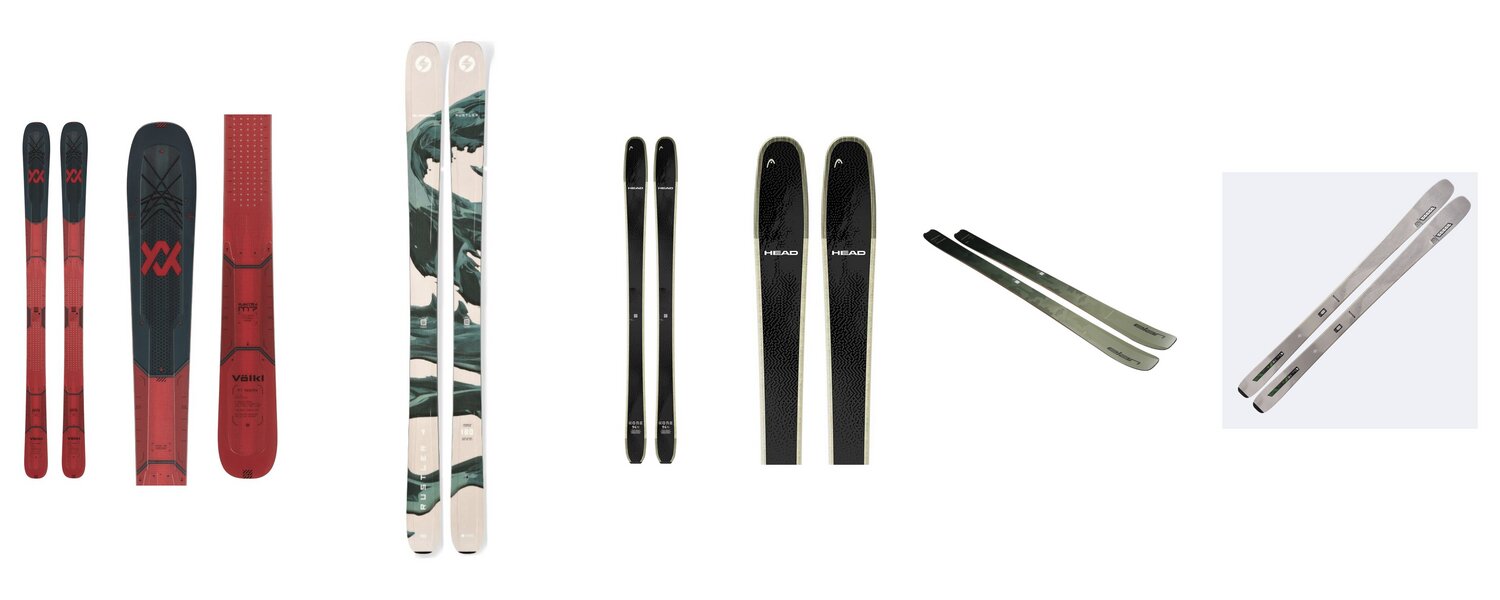
Most skiers own one pair of skis, and that pair has to do everything: hold an edge on Tuesday’s refrozen groomers, float through Saturday’s eight inches, and survive the chopped-up mess in between. That is the whole promise of the all-mountain category, and the 90-98 mm waist range is where it lives. Prices for a serious daily driver run from about $550 to $850 before bindings. Based on our research across current-season models and aggregated tester feedback, these five skis are the ones worth your money this winter.
Quick Comparison
| Ski | Best For | Waist | Price |
|---|---|---|---|
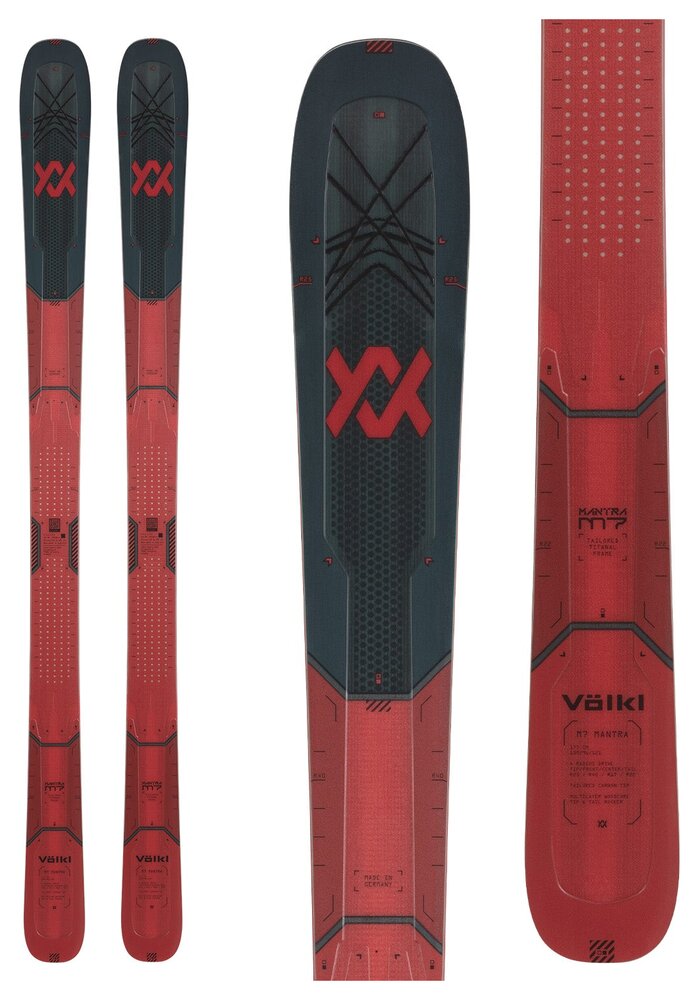
| Völkl M7 Mantra | Overall | 96 mm | ~$800 |
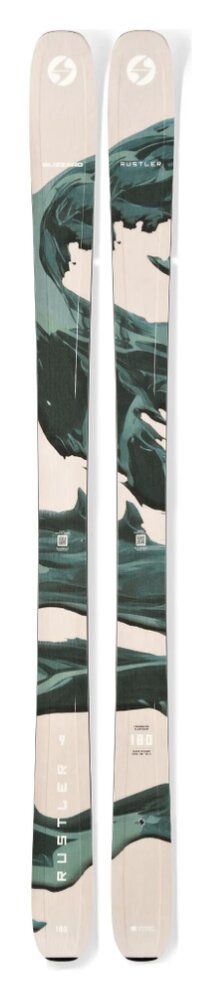
| Blizzard Rustler 9 | Soft snow crossover | 98 mm | ~$800 |
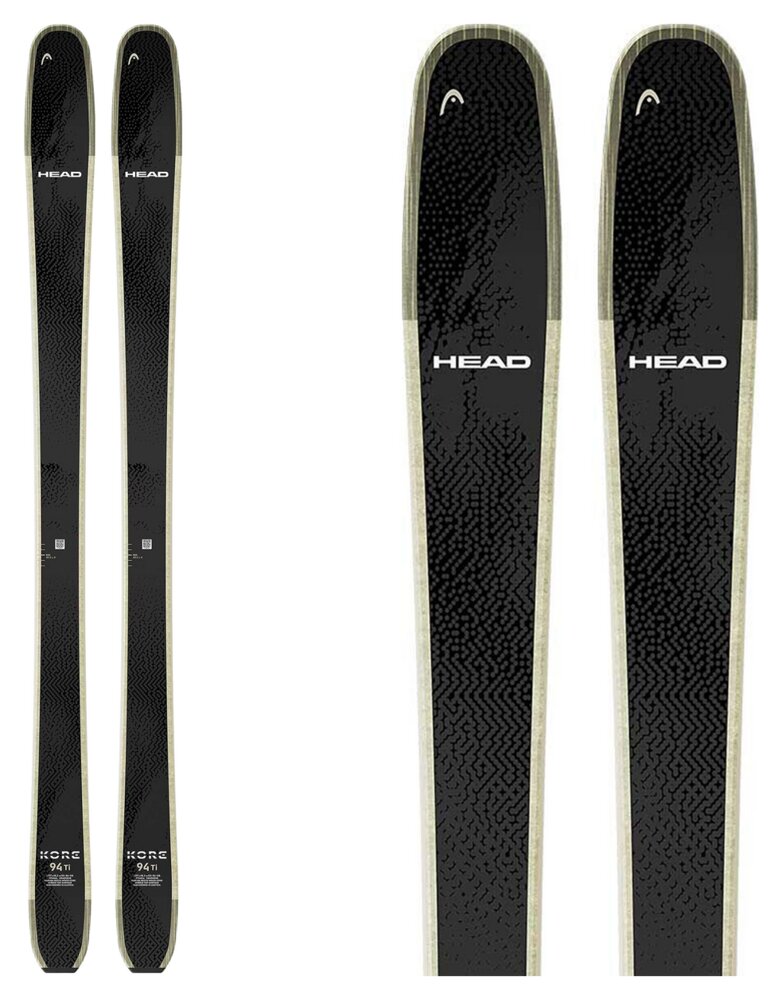
| Head Kore 94 Ti | Strong skiers | 94 mm | ~$850 |
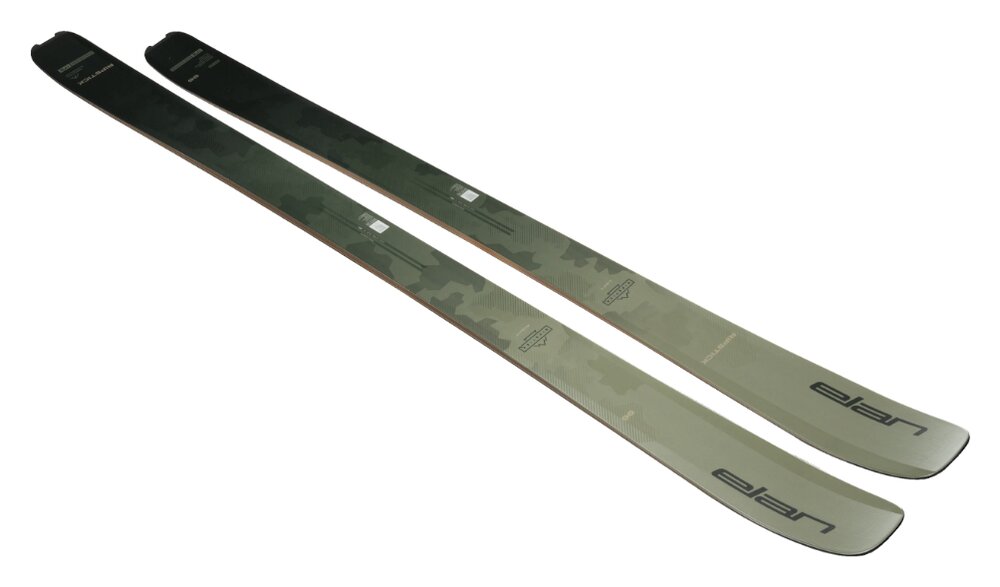
| Elan Ripstick 96 | Energy & low weight | 96 mm | ~$700 |
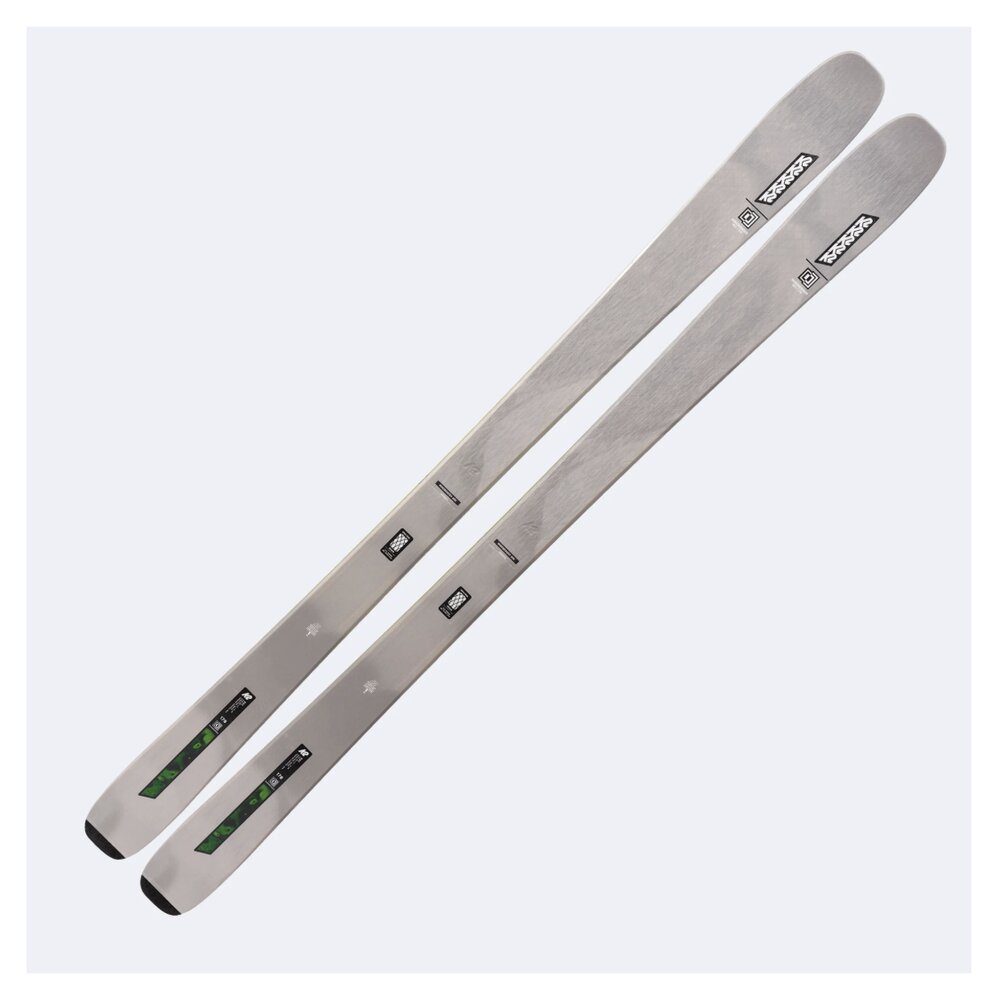
| K2 Mindbender 90C | Value | 90 mm | ~$550 |
Our Picks
How to Choose an All-Mountain Ski
Start with waist width. Around 90 mm favors firm snow and frequent groomer days; 96-98 mm buys real soft-snow ability at a small cost in edge-to-edge quickness. Be honest about the snow you actually ski, not the snow in the brochure.
Metal or no metal. Titanal layers add damping and grip at speed but also weight and stiffness. Lighter carbon builds like the Ripstick 96 and Mindbender 90C are easier to ski all day and better in bumps; metal skis like the M7 Mantra and Kore 94 Ti are calmer when the snow gets fast and rough.
Pick length by skill and intent. A common starting point is chin-to-forehead height, sizing up for stability and float, down for quicker turns. Rockered tips ski shorter than their number suggests.
Budget for bindings. All five picks here are sold flat. Expect roughly $200-300 more for a quality binding, and have a shop mount and adjust it to your boots.
Do You Actually Need Two Pairs?
A dedicated carver plus a powder ski beats any single ski at its own game, but the gap has narrowed a lot. Modern all-mountain designs vary their sidecut and rocker along the ski’s length, so one pair now covers what took two a decade ago. Unless you ski more than 30 days a season or chase storms for a living, one of the five skis above will cover 95 percent of your days, and your wallet will notice the difference.
Frequently Asked Questions
What waist width is best for all-mountain skiing?
For most North American resort skiers, 90-98 mm underfoot is the sweet spot. Go narrower if you rarely leave groomers, wider if powder days are a regular part of your season rather than a lucky exception.
Are expensive skis worth it for intermediates?
Often not. A demanding expert ski can actually slow your progression by punishing mistakes. Something forgiving like the Mindbender 90C or Rustler 9 will help you improve faster than a stiff flagship, and you can step up in a few seasons.
How long do skis last?
With regular tuning, a quality pair holds its performance for roughly 100-150 ski days before the core starts to soften. For a 15-day-a-season skier, that is close to a decade, so buy the ski that fits your skiing today rather than a guess about years from now.