The Best Women's All-Mountain Skis of 2026-27: Four Skis Worth Owning
Affiliate disclosure: As an Amazon Associate we earn from qualifying purchases. Some links below are affiliate links, see our full disclosure. Recommendations are based on our independent research of current-season gear, specifications, and aggregated expert and user feedback.
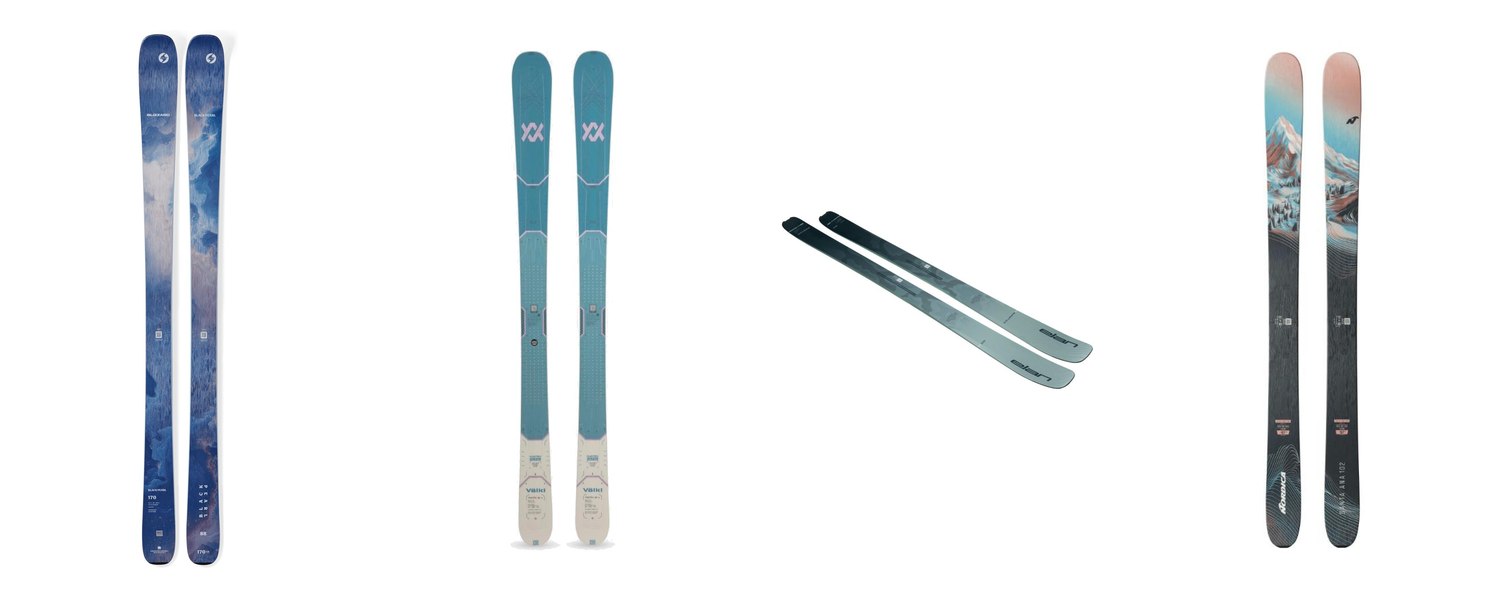
The women's all-mountain category used to be an afterthought: take the men's ski, soften it, shrink it, paint it teal. That era is over. The four skis below are real designs with real intent, from a benchmark 88 that has outsold nearly everything in skiing to a 102 built around an elastomer-damped core. Based on our research of current-season specs, retailer listings, and published test results, these are the women's all-mountain skis worth your money for 2026-27, whether you live on Vermont hardpack or chase Utah refills.
Quick Comparison
| Ski | Best For | Waist / Radius | Price |
|---|---|---|---|
| Blizzard Black Pearl 88 | Overall | 88mm | 14m at 164 | ~$750 |
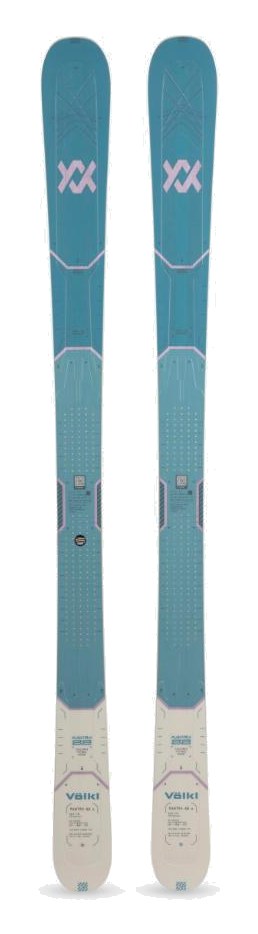
| Volkl Mantra 88 W | Hard snow | 88mm | 13.2m at 163 | ~$850 |
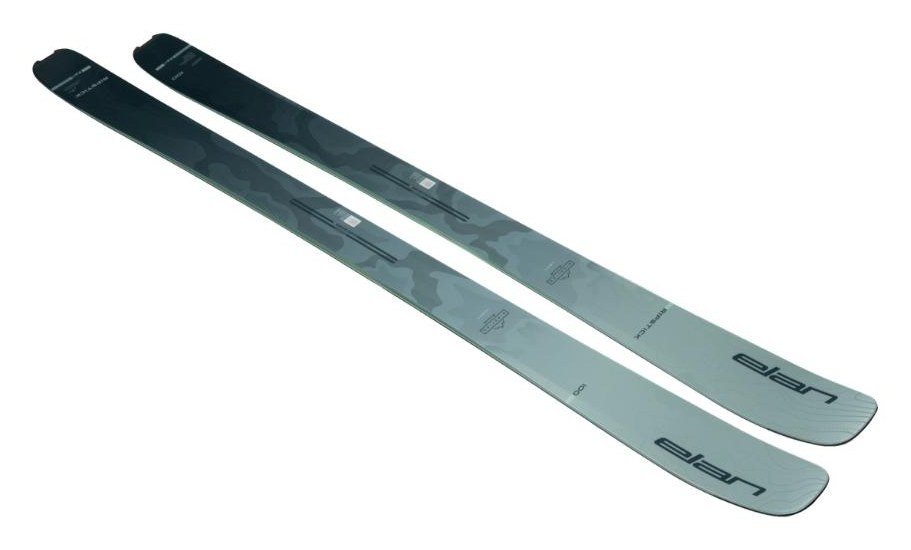
| Elan Ripstick 100 W | Light and versatile | 100mm | 16.8m at 168 | ~$800 |
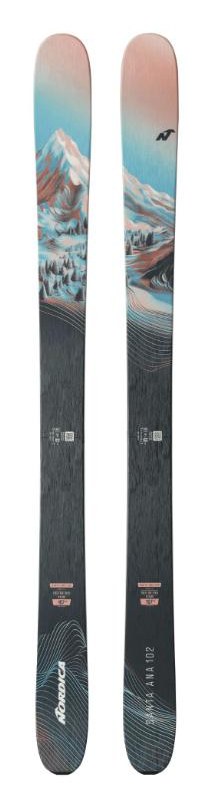
| Nordica Santa Ana 102 | Soft snow | 102mm | 17.5m at 167 | ~$900 |
Our Picks

How to Choose a Women's All-Mountain Ski
Start with waist width, and be honest about your snow. An 88mm ski like the Black Pearl or Mantra 88 W is quicker edge to edge and grips harder on the firm snow that dominates most seasons east of Denver. The 100-102mm picks float better and smooth out cut-up snow, at the cost of some bite on ice. If more than a third of your days involve fresh or chopped snow, go wide; otherwise stay narrow.
Metal changes the personality more than the spec sheet shows. Titanal (the Mantra, Santa Ana, and Black Pearl all carry some) adds damping and edge power but also weight and a need for speed. The metal-free Ripstick 100 W proves how much energy a carbon build saves; it is the one most skiers can ski tired at 3pm. Aggressive skiers tend to want metal, improvers usually enjoy less of it.
Length still follows the modern rule: chin to forehead. Sizing up adds stability and float, sizing down adds quickness. The Mantra 88 W tops out at 163cm, which taller skiers should factor in; the Black Pearl runs to 176cm and the Ripstick to 175cm. Pair whatever you choose with a properly fitted boot first, per our boot sizing guide, because no ski fixes a sloppy boot.
Budget the whole setup. These skis sell flat, so add bindings from our bindings guide and expect roughly $200-300 on top. Round out the kit with our women's jackets and women's pants roundups if the rest of the closet needs attention too.
Demo before you commit if you sit between categories. Most shops credit a demo day toward purchase. One afternoon on an 88 and a 100 back to back tells you more about your real priorities than any spec table, and these four models are among the most commonly stocked demo skis in the country, so finding them is easy.
Frequently Asked Questions
What actually makes a ski a women's ski?
Less than brands once claimed, more than cynics say. Women's versions typically run shorter length options, slightly softer flex tuned for lower average body weight, and a mount point moved a touch forward to match a lower center of mass. Some, like the Santa Ana and Black Pearl, are developed by women's design and test teams; others, like the Mantra 88 W, share a mold with the unisex ski in women's lengths. Strong skiers can happily ski either version.
Is 88mm or 100mm better for a one-ski quiver?
Count your powder days. Fewer than ten a season and the 88s carve better every single other day, which is the math most skiers should run. More than that, or a home mountain with regular refills, and a 100-102mm ski earns its width. Skiers in the middle tend to be happiest on the wider ski only if they genuinely seek soft snow rather than just encountering it.
Do I need new bindings too?
All four picks sell as flat skis without bindings, so yes, unless your current pair is modern and compatible. Any current 10 or 11 DIN all-mountain binding suits these skis; our ski bindings guide walks through the brake-width and DIN math in plain language.