The Best Women's Ski Jackets for 2026-27
Affiliate disclosure: As an Amazon Associate we earn from qualifying purchases. Some links below are affiliate links, see our full disclosure. Recommendations are based on our independent research of current-season gear, specifications, and aggregated expert and user feedback.
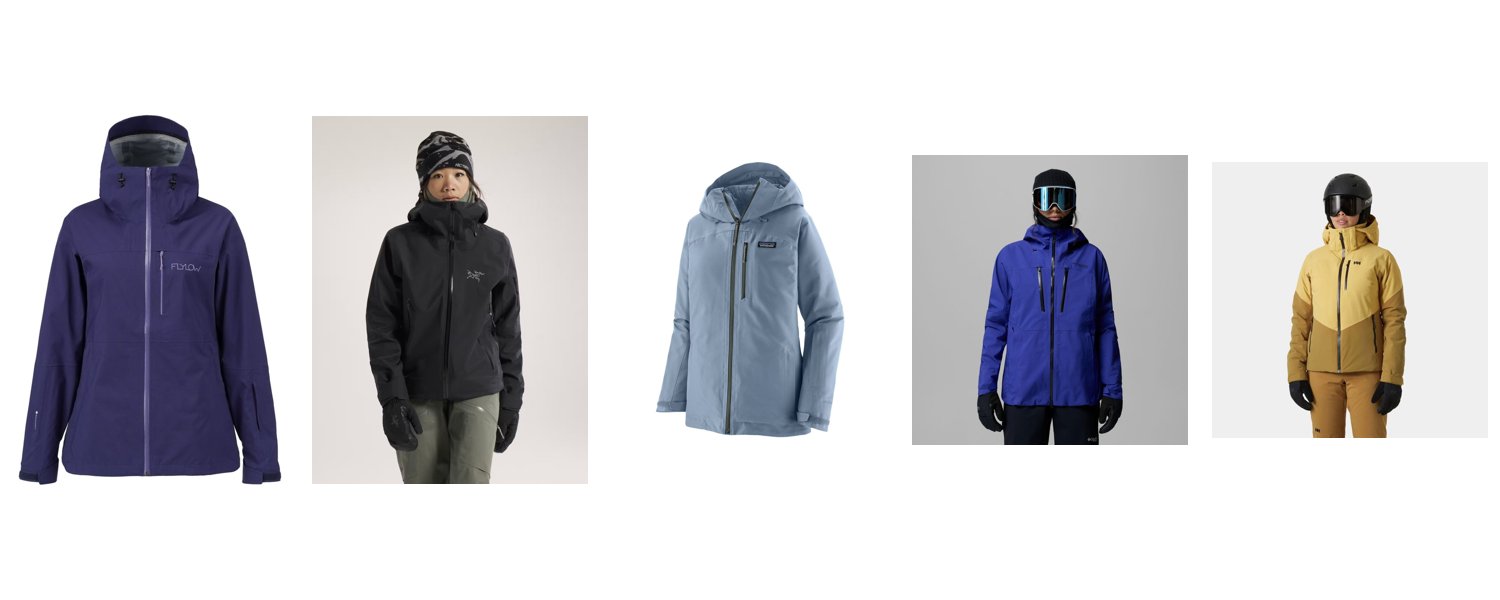
Women’s ski jackets used to be men’s designs shrunk down and recolored. That era is over. The current crop is cut for real bodies, built with the same fabrics as the men’s flagships, and spans everything from minimalist touring shells to insulated resort workhorses. Prices run from around $300 for a legitimately technical 3-layer shell to $750 for a premium GORE-TEX piece that should last a decade. Based on our research across current-season models and aggregated expert and user feedback, these five stand out for the coming winter.
Quick Comparison
| Jacket | Best For | Construction | Price |
|---|---|---|---|
| Flylow Lucy | Overall | 3L shell, 20K/20K | ~$420 |
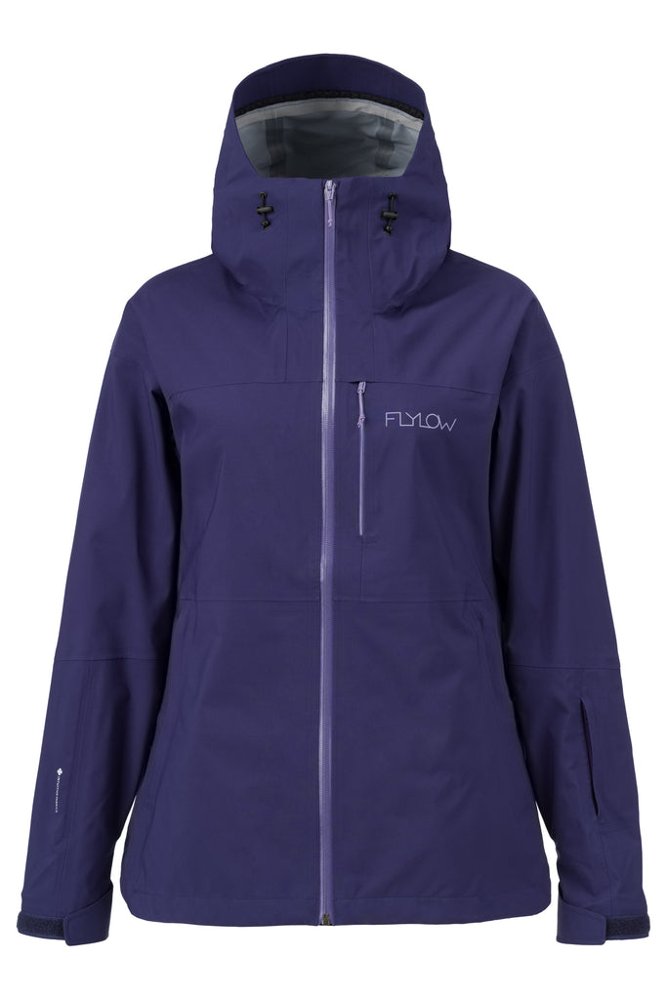
| Arc'teryx Sentinel | Premium shell | 3L GORE-TEX | ~$750 |
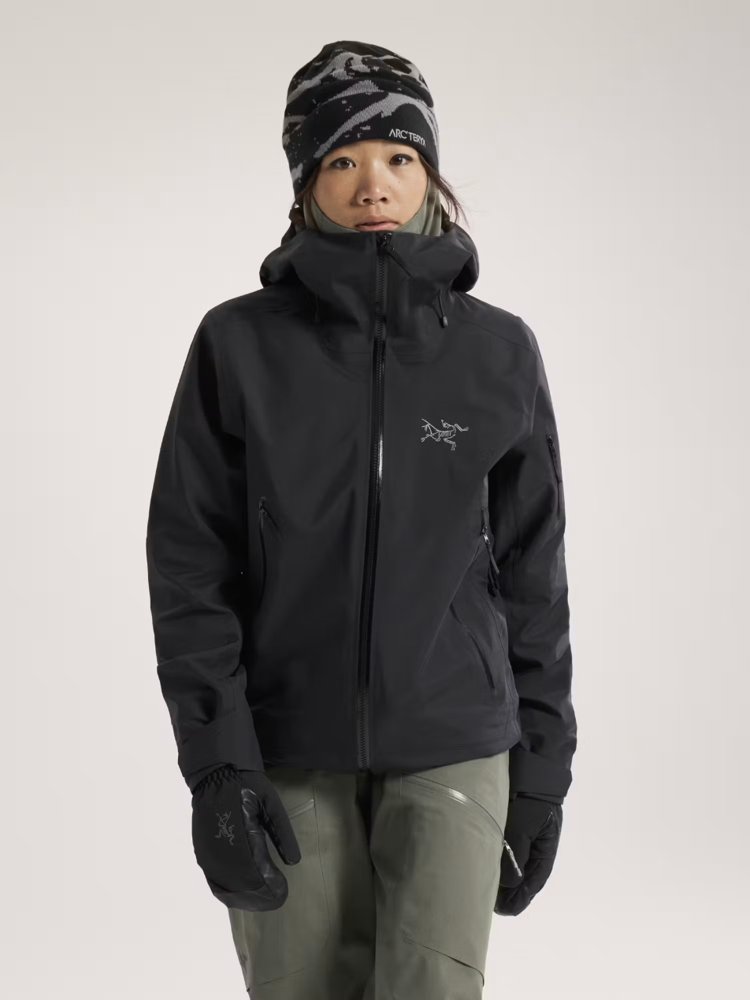
| Patagonia Insulated Powder Town | Insulated all-rounder | 2L H2No, Thermogreen fill | ~$400 |
| Columbia Platinum Peak II 3L | Value | 3L Omni-Tech, 20K/20K | ~$300 |
| Helly Hansen Alphelia | Cold resort days | 2L Helly Tech Pro, synthetic fill | ~$485 |
Our Picks
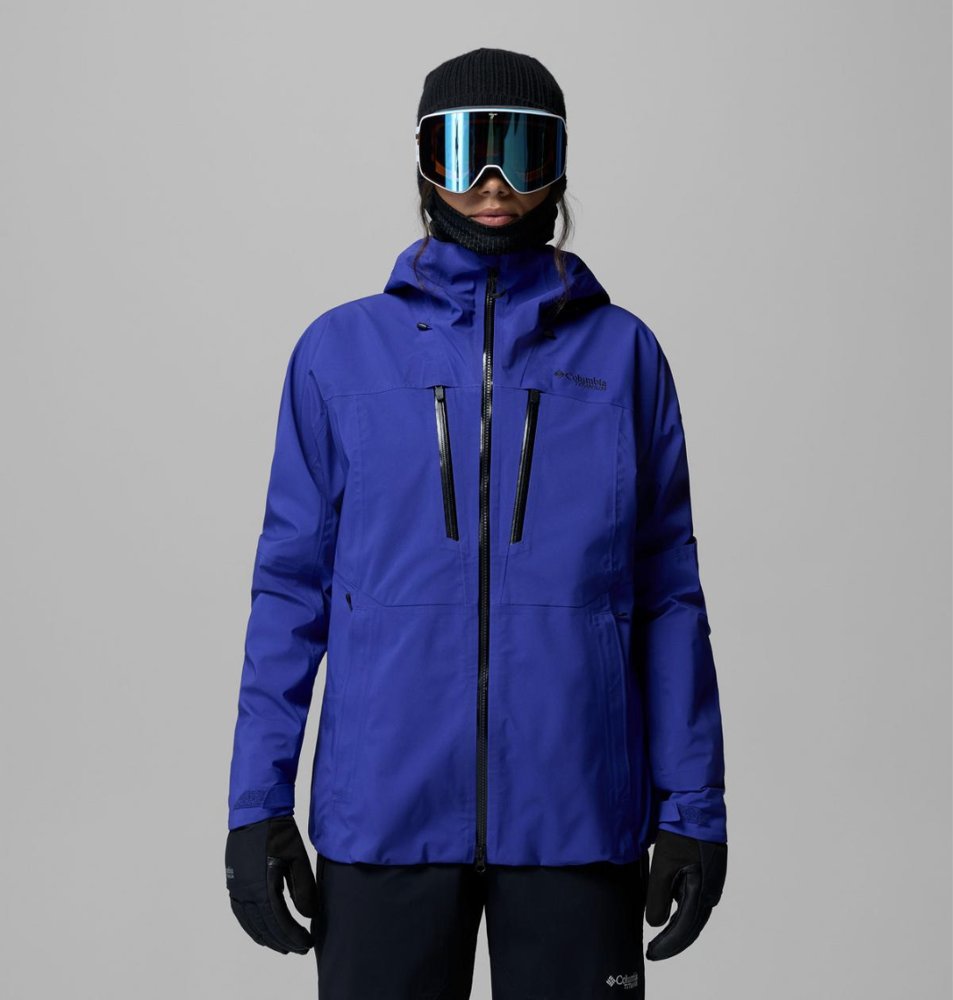
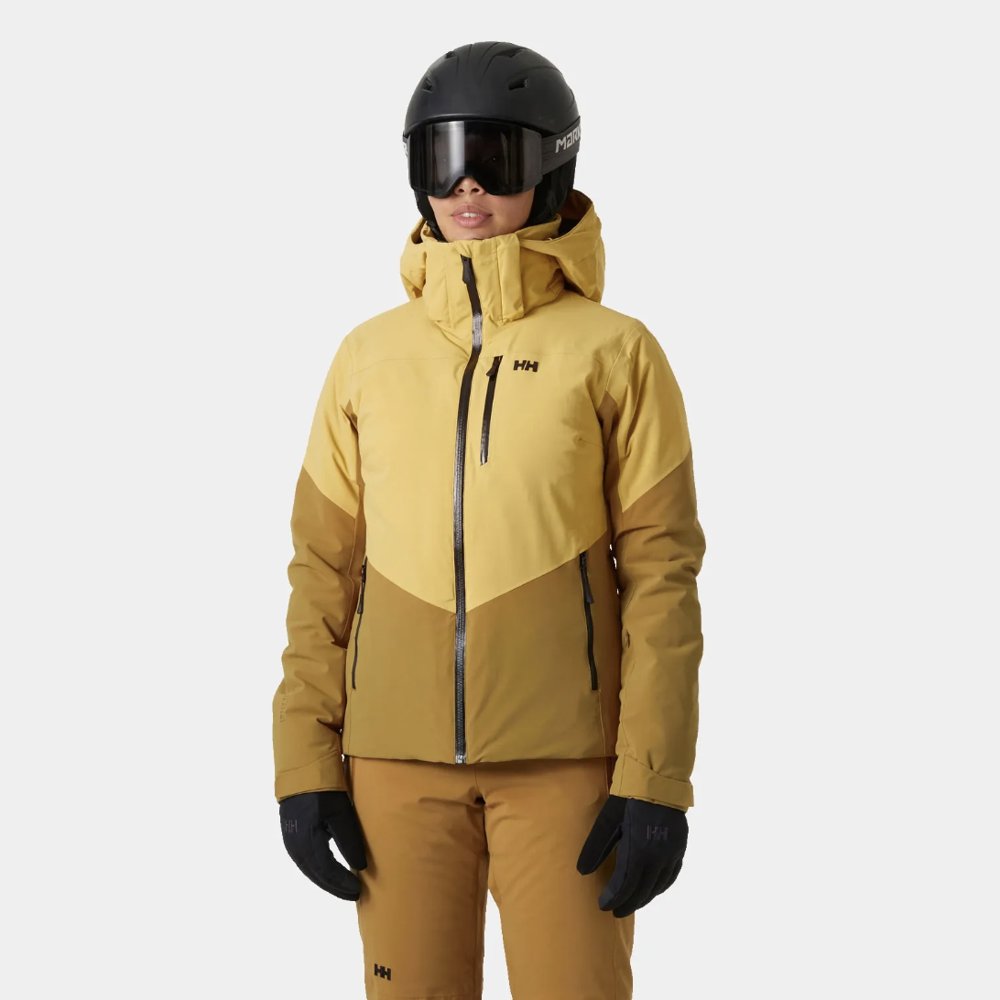
Shell or Insulated? Start Here
Shells (the Lucy, Sentinel, and Platinum Peak II) contain no insulation. You add warmth with layers underneath, which means one jacket covers everything from a sunny spring day to a January deep freeze. They suit skiers who tour, run warm, or want maximum versatility. Pair them with a good base layer and a midlayer and you are covered to well below zero.
Insulated jackets (the Powder Town and Alphelia) build the warmth in. Less fiddling, fewer pieces to buy, and a cozier feel straight out of the car. The tradeoff is flexibility: on warm days you can only unzip so far. They suit resort skiers in cold climates who want simplicity.
What Actually Matters in the Specs
Waterproof and breathability ratings. 20K/20K (20,000mm waterproofing, 20,000g breathability) handles nearly anything a lift-served day throws at you. GORE-TEX does not publish comparable numbers but performs at or above that level, with better long-term durability of the membrane.
2-layer vs 3-layer. 3-layer construction bonds the liner to the membrane, making the jacket lighter, tougher, and less clammy. 2-layer designs hang a separate liner inside; they are quieter, often cheaper, and pair naturally with insulation.
Fit and length. Women’s-specific cuts differ meaningfully between brands: Flylow and Arc'teryx cut for a relaxed freeride drape, Helly Hansen runs more tailored. Longer hems add powder protection; shorter ones move better. Check the size chart and, where reviews mention it, we note how each model runs in the full breakdowns.
The unglamorous details. Pit zips, a hood that fits over a helmet, a powder skirt that actually snaps closed, and a pass pocket on the sleeve are the features you use every single day. All five picks here cover these basics.
Frequently Asked Questions
Is a $750 jacket really better than a $300 one?
Better, yes; two and a half times better, not exactly. The premium buys you GORE-TEX durability, lighter and quieter fabric, and refined construction. The Platinum Peak II proves the core performance is now available cheap. Where the expensive shell wins is in year five, when it still looks and works like new.
Can I ski in a regular winter jacket?
For a couple of green runs on a dry day, sure. Beyond that you will miss sealed seams the first time you sit on a wet chairlift, and a non-helmet hood plus no powder skirt gets old fast. Ski-specific features exist because the failure modes are real.
How do I wash a waterproof jacket?
Use a technical wash (not regular detergent), warm gentle cycle, then tumble dry low to reactivate the DWR coating. When water stops beading on the surface, refresh the DWR with a spray-on or wash-in treatment. A cared-for shell lasts many seasons.
What about matching pants?
Columbia sells the Platinum Peak II as a matching kit, and Flylow, Patagonia, and Helly Hansen all make companion pants in the same fabrics. Matching is optional; a neutral pant works with any of these jackets.