The Best Ski Base Layers of 2026/27: Merino, Synthetic, and Budget Picks
Affiliate disclosure: As an Amazon Associate we earn from qualifying purchases. Some links below are affiliate links, see our full disclosure. Recommendations are based on our independent research of current-season gear, specifications, and aggregated expert and user feedback.
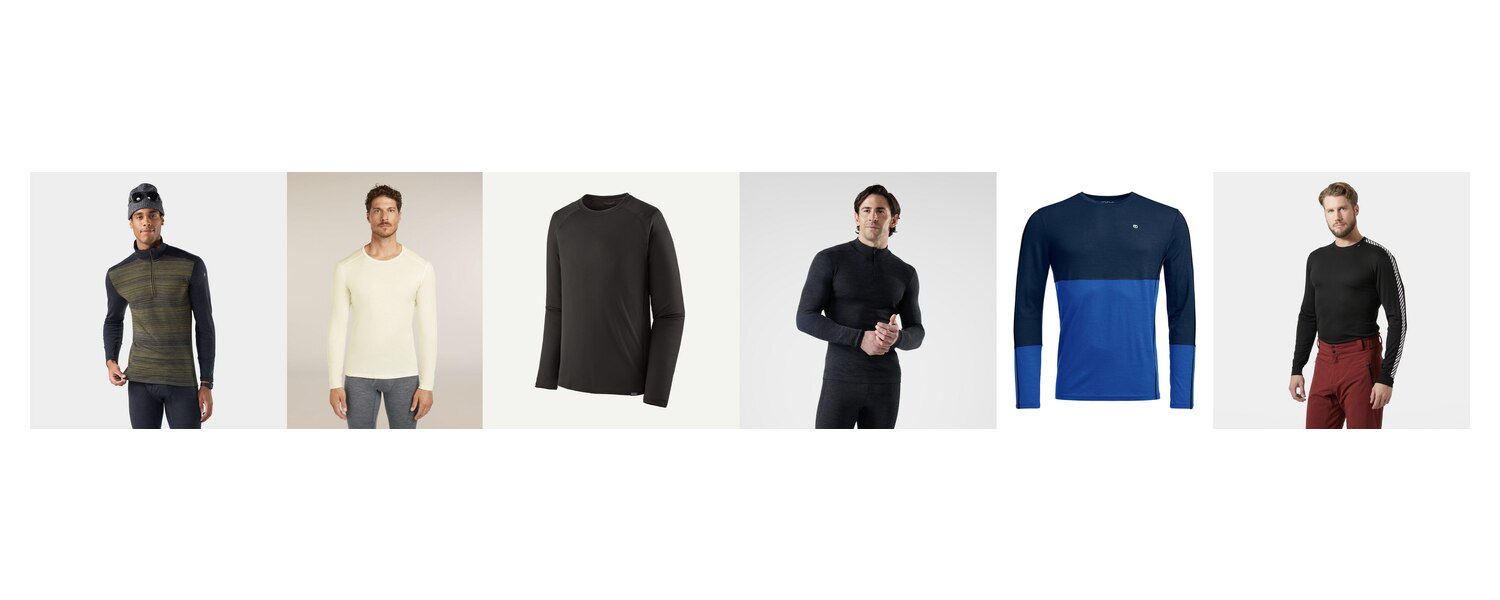
Your base layer does more work than any other piece of clothing you ski in. It sits against your skin all day, moving sweat away on the lift line at 10am and holding warmth on the last chair at 3:30. Get it wrong, a soaked cotton tee under a $600 shell, and no jacket on earth will keep you comfortable. Get it right and you can ski hard from first tracks to last call. Based on our research across current-season models and aggregated expert and user feedback, these six tops cover every budget and skiing style, from ~$50 polypro to ~$130 body-mapped merino.
Quick Comparison
| Base Layer | Best For | Fabric | Price |
|---|---|---|---|
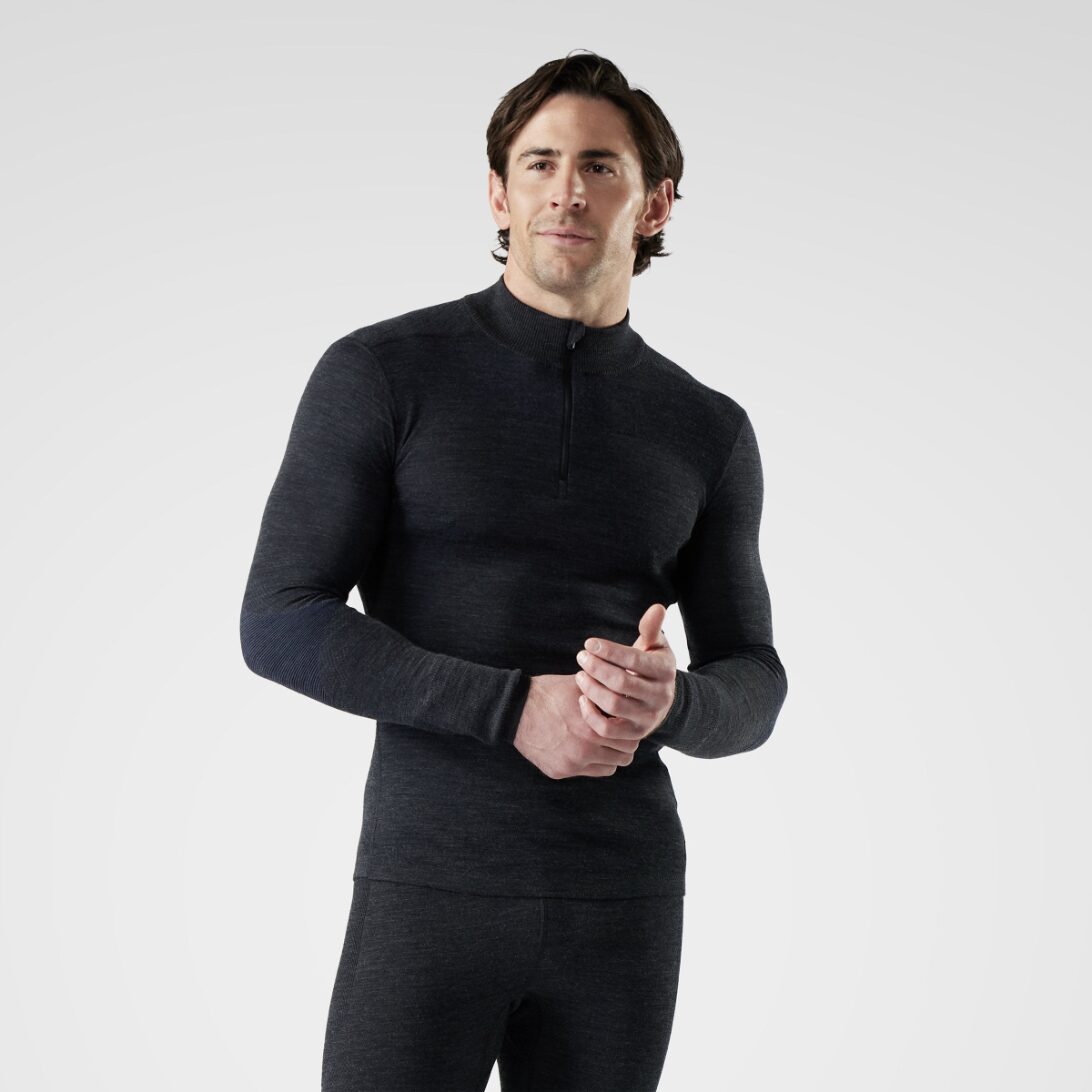
| Smartwool Classic Thermal Merino 1/4 Zip | Overall | 100% merino, 250 g/m² | ~$120 |
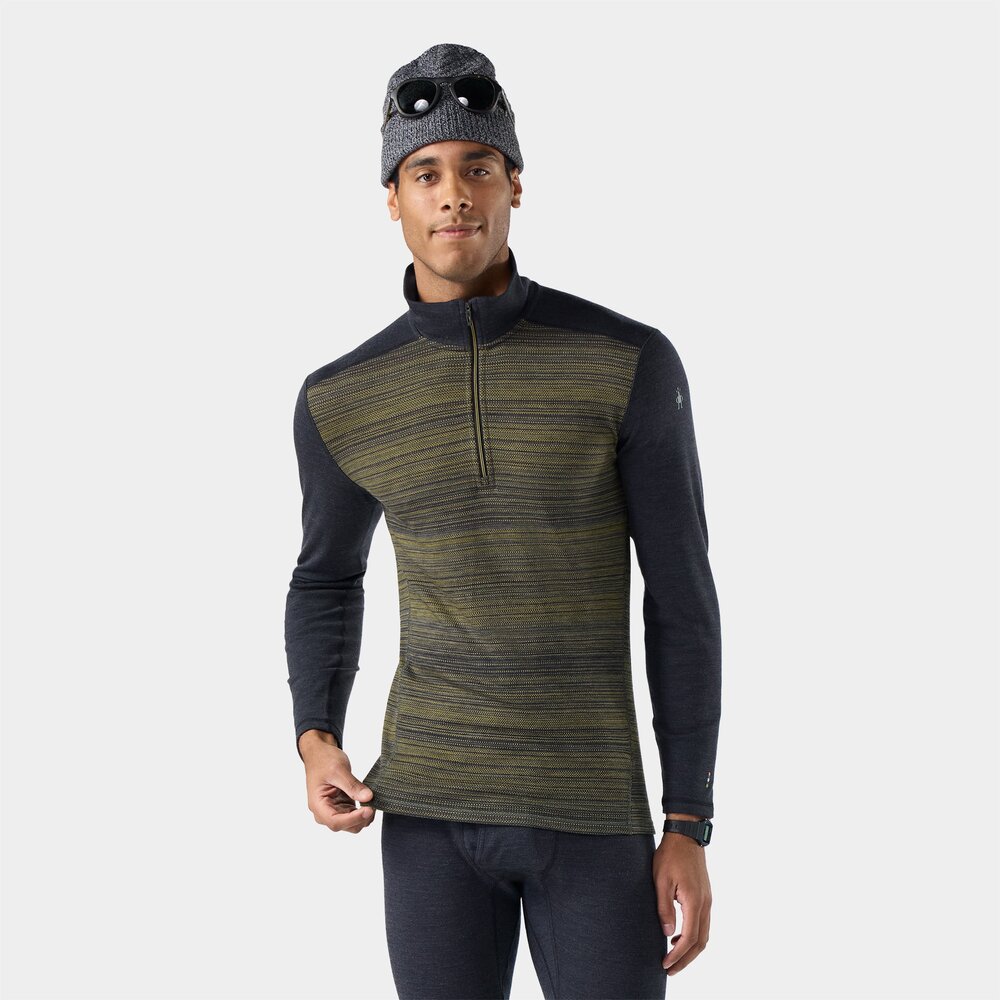
| Icebreaker Merino 200 Oasis Crewe | All-season merino | 100% merino, 200 g/m² | ~$115 |
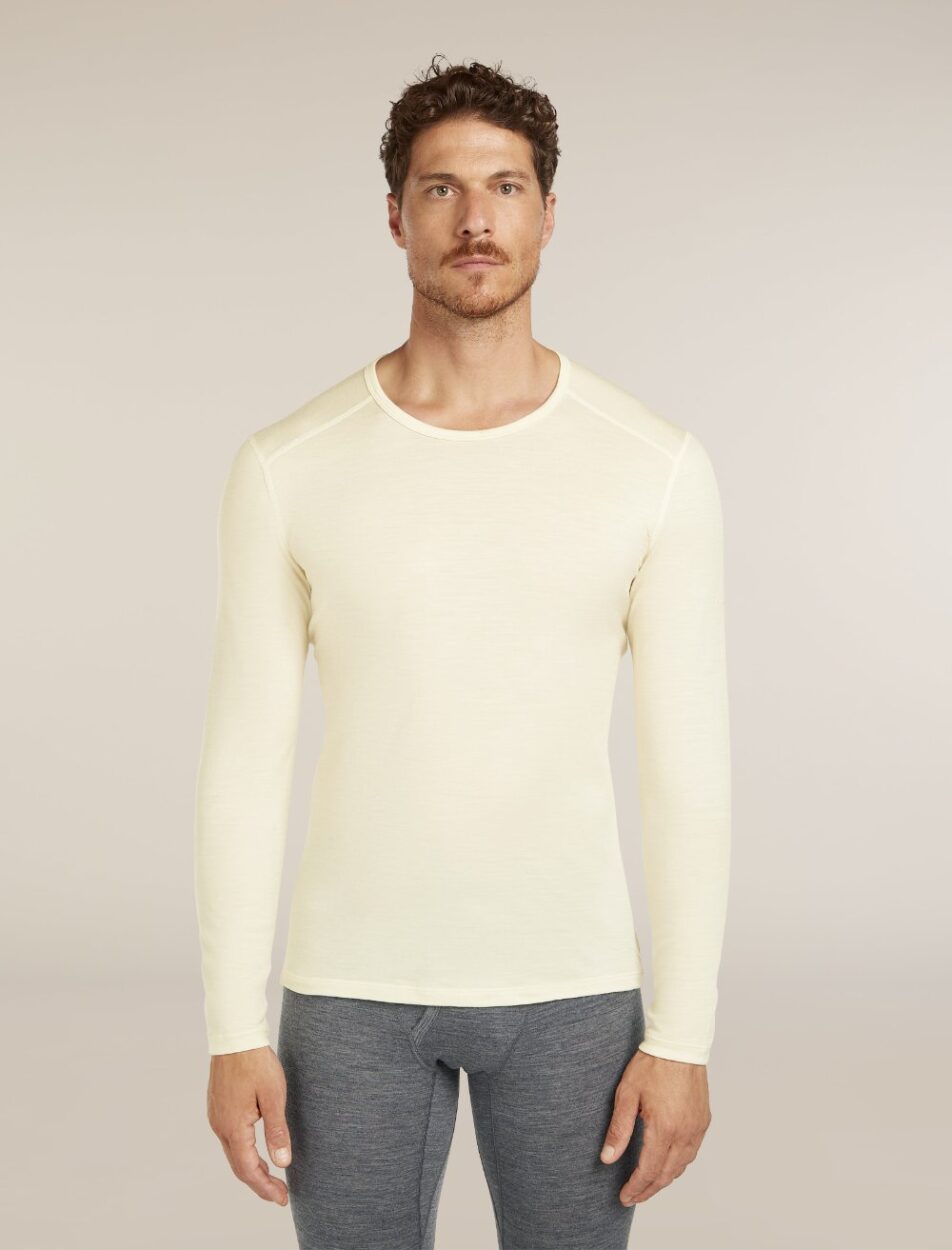
| Patagonia Capilene Midweight Crew | Synthetic | Recycled polyester | ~$80 |
| Smartwool Intraknit Thermal 1/4 Zip | High output & touring | Merino-poly blend, body-mapped | ~$130 |
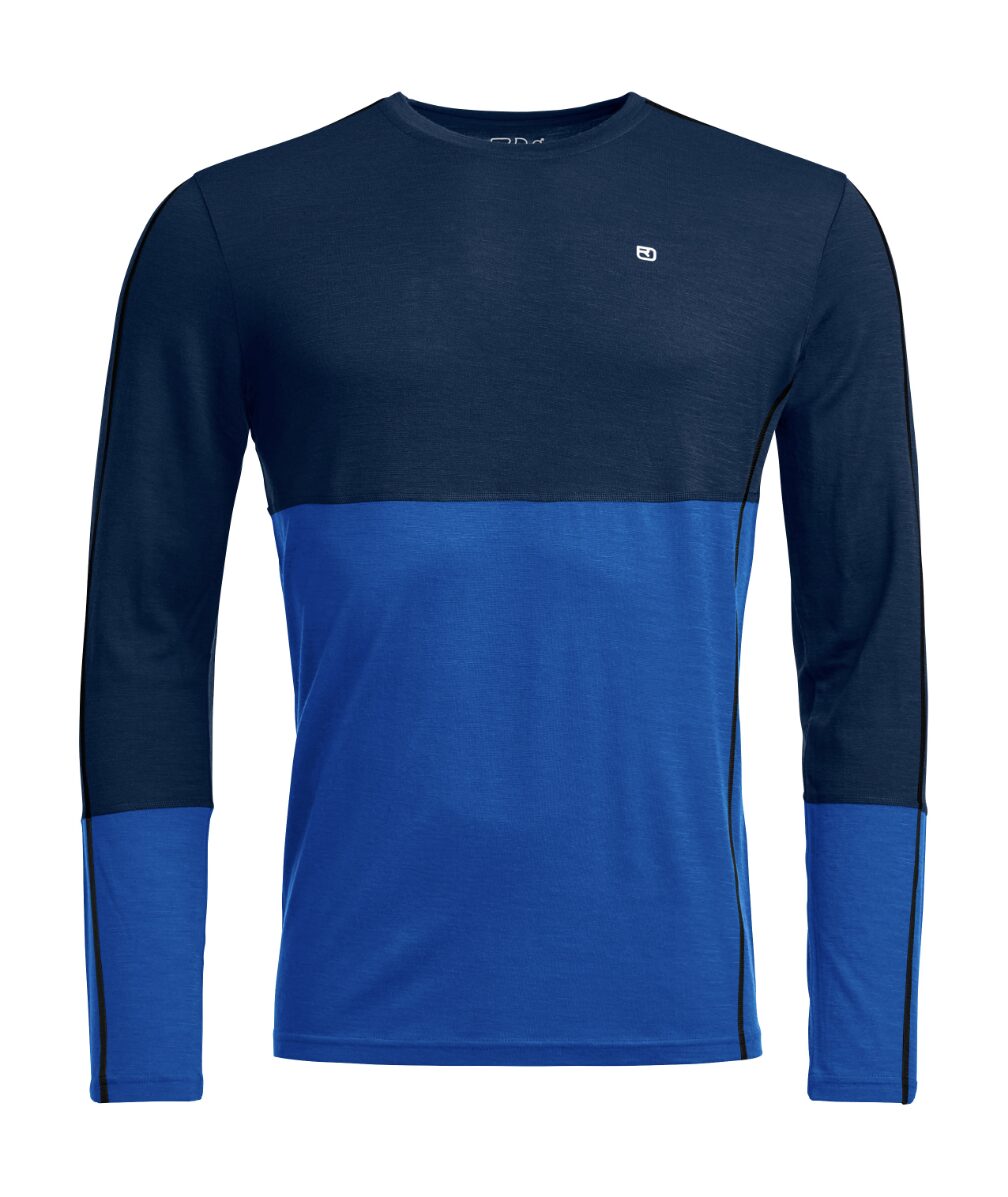
| Ortovox 185 Rock'N'Wool Long Sleeve | Premium merino | 100% merino, 185 g/m² | ~$110 |
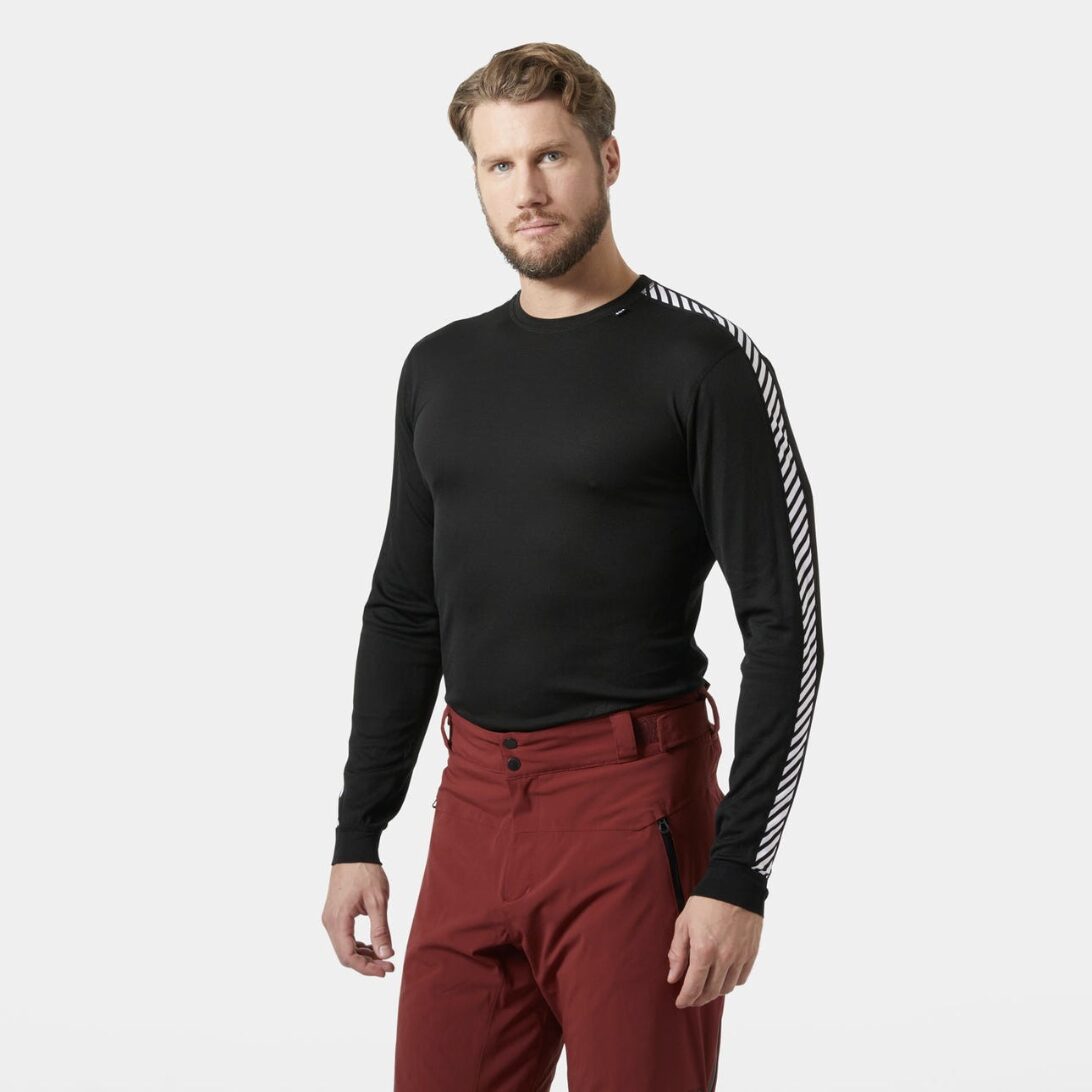
| Helly Hansen Lifa Stripe Crew | Budget | 100% polypropylene | ~$50 |
Our Picks
How to Choose a Ski Base Layer
Pick your fabric first. Merino wool insulates even when damp, resists odor for days, and feels warm the moment you put it on; its downsides are price, slower drying, and durability. Polyester and polypropylene dry fast, cost less, and survive hundreds of washes, but they hold odor and can feel clammy at rest. Blends like Smartwool's Intraknit try to capture both. There is no wrong answer, only a wrong match for how you ski.
Match weight to your days. Fabric weight is measured in grams per square meter. Lightweight (150-185 g/m²) suits spring skiing and hard-working tourers; midweight (200-250 g/m²) is the resort sweet spot for most of the season. If you run cold, go up a weight rather than adding a second base layer.
Fit should be next-to-skin. A base layer only wicks where it touches you. Baggy shirts leave air gaps that turn sweat cold. You want snug through the torso and arms without restricting movement, and a hem long enough to stay tucked when you bend into a turn.
Zip or crew? A quarter zip adds real venting for lift-to-lodge temperature swings and costs a little more. Crews layer more cleanly under a midlayer and have no zipper to press against your chin. Cold-weather cruisers can take either; people who alternate hiking and riding should take the zip.
Merino vs Synthetic: The Honest Answer
For most resort skiers, merino wins. You are sitting on lifts more than you are sweating uphill, and merino's warmth-when-damp and multi-day freshness matter more than drying speed. For high-output days, synthetics or a body-mapped blend pull ahead; polypro and polyester move moisture faster than pure wool can. Plenty of experienced skiers own both and choose by forecast: wool for cold and casual, synthetic for storm-day hiking and spring slush.
Frequently Asked Questions
Can I just wear a cotton shirt under my jacket?
No. Cotton absorbs sweat and holds it against your skin, where it conducts heat away roughly 25 times faster than air. That is how you end up shivering at 2pm on a 28-degree day. Any layer on this list, even the $50 one, is a dramatic upgrade.
How many base layers do I need for a ski trip?
With merino, one top can honestly cover a long weekend; its odor resistance is that good. For a full week, two tops let you rotate and air one out overnight. With synthetics, plan on a fresh layer every day or two and use the hotel sink; they dry overnight.
Do I need matching base layer bottoms?
Bottoms matter less than tops because your legs work harder and run warmer, but on genuinely cold days they make a real difference. Most brands here sell a matching bottom in the same fabric; a lightweight or midweight bottom paired with insulated ski pants covers almost everyone.
How should I wash merino?
Machine wash cold on gentle with mild detergent, then air dry. Skip fabric softener and bleach; both damage the fiber. Merino needs washing far less often than you think, and every skipped wash extends its life.