Columbia Platinum Peak II 3L Review: Specs, Sizing and Verdict
Affiliate disclosure: As an Amazon Associate we earn from qualifying purchases. Some links below are affiliate links, see our full disclosure. This breakdown is based on our independent research of current-season specifications and aggregated expert and user feedback.
The quick verdict: A real 3-layer, 20K/20K technical shell for around $300. Reviewers call it a screaming bargain, and the spec sheet backs them up. ~$300-330 list, prior-season colors ~$135-165 on closeout
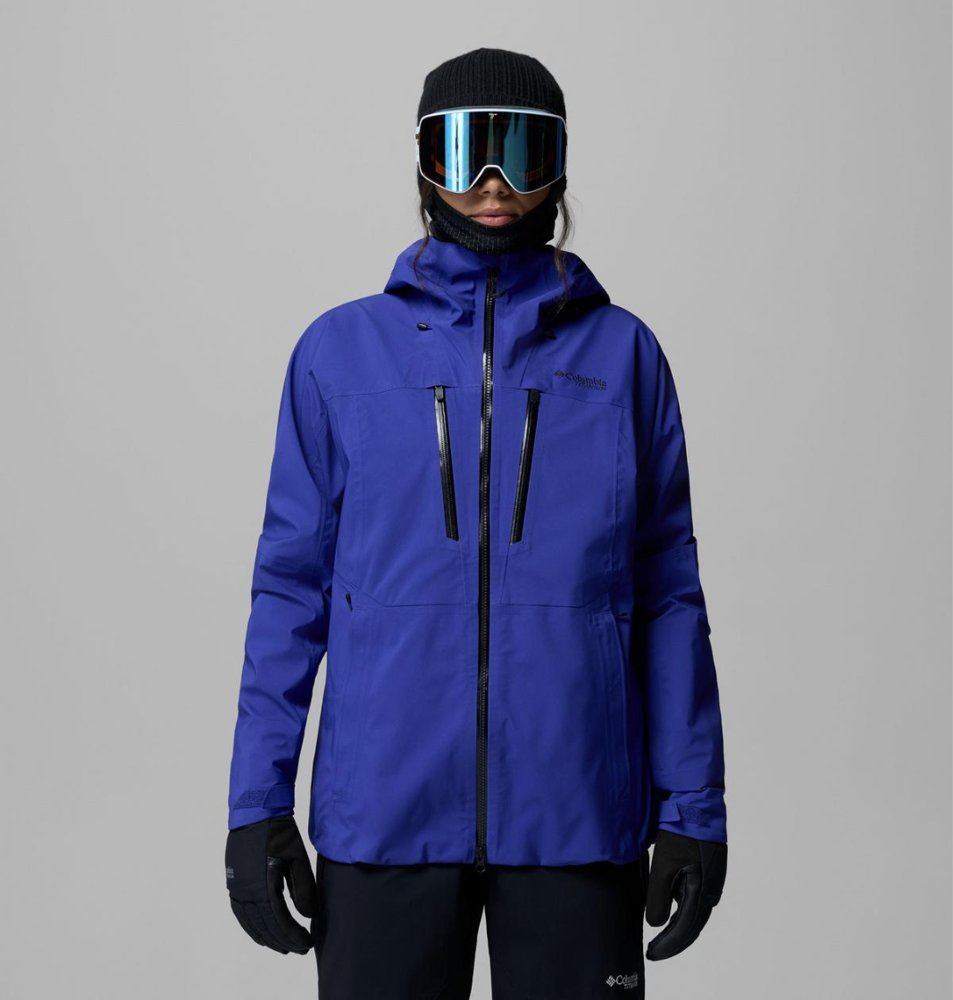
Overview
Columbia's Titanium line is where the brand puts its most technical fabrics, and the Platinum Peak II 3L is its statement piece: a 3-layer Omni-Tech shell rated at 20K/20K with fully sealed seams, pit zips, a fixed powder skirt, and a helmet-compatible hood. Multiple gear editors have singled it out as the best-value women's shell of recent seasons, delivering the core performance of jackets costing twice as much.
Where It Shines
- Spec sheet of a premium shell at a mid-range price
- Sturdy, durable fabric that stands up to lift-line abuse
- Complete feature set: pit zips, pass pocket, helmet hood
- Matching Platinum Peak II pants make a sealed kit
Tradeoffs to Know
- Fabric runs stiffer and crinklier than premium shells
- Fewer color options than the fashion-forward brands
- Columbia calls it a body-skimming Active Fit and reviewers say it runs snug; size up if between sizes
Who It’s For
The skier who wants full technical performance at the lowest defensible price. If hand feel and refinement matter to you, the step up is the Flylow Lucy.
Key Specs by Size
Figures are approximate and drawn from Columbia’s published women’s size chart (via columbia.com, as reproduced by Campmor) and retailer listings at Backcountry and Public Lands. Columbia offers the Platinum Peak II 3L in six standard sizes, XS through XXL; the current product page does not list plus sizes for this jacket. Center-back length is published for a medium only.
| Size | Numeric equivalent | Bust | Waist | Center-back length |
|---|---|---|---|---|
| XS | 2 | 33.5 in (85cm) | 26.5 in (67cm) | n/a |
| S | 4-6 | 34.5-35.5 in (88-90cm) | 28-29 in (71-74cm) | n/a |
| M | 8-10 | 36.5-37.5 in (93-95cm) | 30-31 in (76-79cm) | 29 in (73.7cm) |
| L | 12-14 | 39-40.5 in (99-103cm) | 32.5-34 in (83-86cm) | n/a |
| XL | 16-18 | 42-43.5 in (107-110cm) | 35.5-37.5 in (90-95cm) | n/a |
| XXL | 20 | 44-46 in (112-117cm) | 38-41 in (97-104cm) | n/a |
Across all sizes: a 3-layer stretch face fabric of 100% recycled polyester bonded to Columbia’s Omni-Tech waterproof-breathable membrane, rated 20,000mm / 20,000 g/m2, with fully sealed seams and a PFAS-free water-repellent finish. The front zip and the chest pocket zip are PU-coated to shed water; there are two zippered hand pockets, a ski-pass pocket and an internal goggle pocket, plus two zippered underarm vents. The hood is attached and helmet-compatible with a hidden cord-lock and peripheral adjustment, backed by a chin guard. The powder skirt is attached (not removable) with a snap-back design, the hem is a droptail, the cuffs adjust with hook-and-loop tabs, and the elbows are articulated with sewn-in folds. Retailers put the weight at about 635g (roughly 22 oz) for a medium. There is no insulation and Columbia does not list a RECCO reflector. Columbia’s standard limited lifetime warranty applies. Columbia’s own site shows the 2026-27 jacket at about $330, while most US retailers list it around $300, and prior-season colors have been clearing at roughly $135 to 165.
Sizing and Fit
Measure your bust at the fullest point over a base layer and match it to the chart above. Columbia calls this its Active Fit, which it describes as body-skimming with mobility in mind; Backcountry files it as a regular fit. In practice aggregated reviews lean the other way from the brand’s usual generous cut. Reviewers at GearJunkie found their normal medium tight across the chest and under the arms and swapped it for a large, and their advice is to size up if you sit between two sizes. The stretch in the 3-layer fabric helps, but it is not a substitute for a size that lets a fleece and a puffy breathe underneath.
At 29 inches center-back on a medium, the jacket lands at the hip with a slightly longer droptail in back. It pairs naturally with the matching Platinum Peak II 3L pant, which has the loops to keep the powder skirt locked down. Because it carries no insulation, treat it as the outer piece of a three-layer system: base layer, fleece or light puffy, then the shell.
Two things it will not fit. Riders who want a long, almost knee-length freeride cut should look elsewhere, since this hem sits at the hip. And one Public Lands reviewer found the hood tight over a medium helmet; most reviews are happy with it, but if you ride a bulky helmet, try it on first.
Who Should Skip It
Skip the Platinum Peak II 3L if you run cold and want warmth built into the jacket rather than layered under it: the Patagonia Insulated Powder Town at about $400 solves that with insulation inside a 2-layer shell. Skip it if you ski bell-to-bell in storm country and want a supple, quiet fabric that moves without crinkle: the Arc’teryx Sentinel uses Gore-Tex and a softer face fabric, though you will pay roughly $750 for it. And skip it if you prize a refined, tailored look over value for money: the Helly Hansen Alphelia at around $485 gives you a dressier resort shell with Helly’s LIFA Infinity membrane.
Platinum Peak II 3L vs. Flylow Lucy vs. Arc’teryx Sentinel
All three are uninsulated 3-layer shells aimed at resort and side-country skiing, and they line up neatly by price. The Platinum Peak II 3L is the entry point at around $300, with a 20K/20K membrane, a helmet hood, pit zips and a pass pocket; what you give up is a stiffer, louder fabric and a sizing run that reviewers say is a touch snug. The Flylow Lucy at about $460 steps up to a softer, more durable face fabric, a looser freeride cut and a design that handles a backcountry day as readily as a chairlift one. The Arc’teryx Sentinel at roughly $750 is the flagship: Gore-Tex, a quiet face fabric and Arc’teryx’s patterning. Pick the Platinum Peak II 3L if you want full technical protection and the money is better spent on lift tickets; pick the Lucy if you want a jacket that feels nicer and lasts longer without crossing $500; pick the Sentinel if you ski a lot of days in bad weather and want the best shell you can buy.
Frequently Asked Questions
Is the Columbia Platinum Peak II 3L waterproof?
Yes. It uses a 3-layer Omni-Tech membrane rated at 20,000mm waterproof and 20,000 g/m2 breathable, with fully sealed seams and PU-coated front and chest zips.
Does the Columbia Platinum Peak II 3L run small?
Aggregated reviews say it runs a little snug through the chest and underarms, which fits Columbia’s own body-skimming Active Fit label. If you are between sizes, or plan to layer a puffy underneath, size up.
Columbia Platinum Peak II 3L or Flylow Lucy?
The Platinum Peak II 3L costs about $160 less and matches the Lucy on waterproof ratings and features. The Lucy wins on fabric feel, durability and a roomier freeride cut. Buy on budget or on hand feel accordingly.
Is the Columbia Platinum Peak II 3L insulated?
No. It is a pure shell with no insulation, which is why it layers so well and breathes on a bootpack. Columbia describes it as light warmth only, so pair it with a fleece or a light puffy for cold resort days.
How It Compares
See how it stacks up in our full guide: The Best Women's Ski Jackets for 2026-27. Other picks from that list: Flylow Lucy · Arc'teryx Sentinel · Patagonia Insulated Powder Town · Helly Hansen Alphelia.