The Best Women's Ski Pants of 2026-27: Four Picks That Fit Right
Affiliate disclosure: As an Amazon Associate we earn from qualifying purchases. Some links below are affiliate links, see our full disclosure. Recommendations are based on our independent research of current-season gear, specifications, and aggregated expert and user feedback.
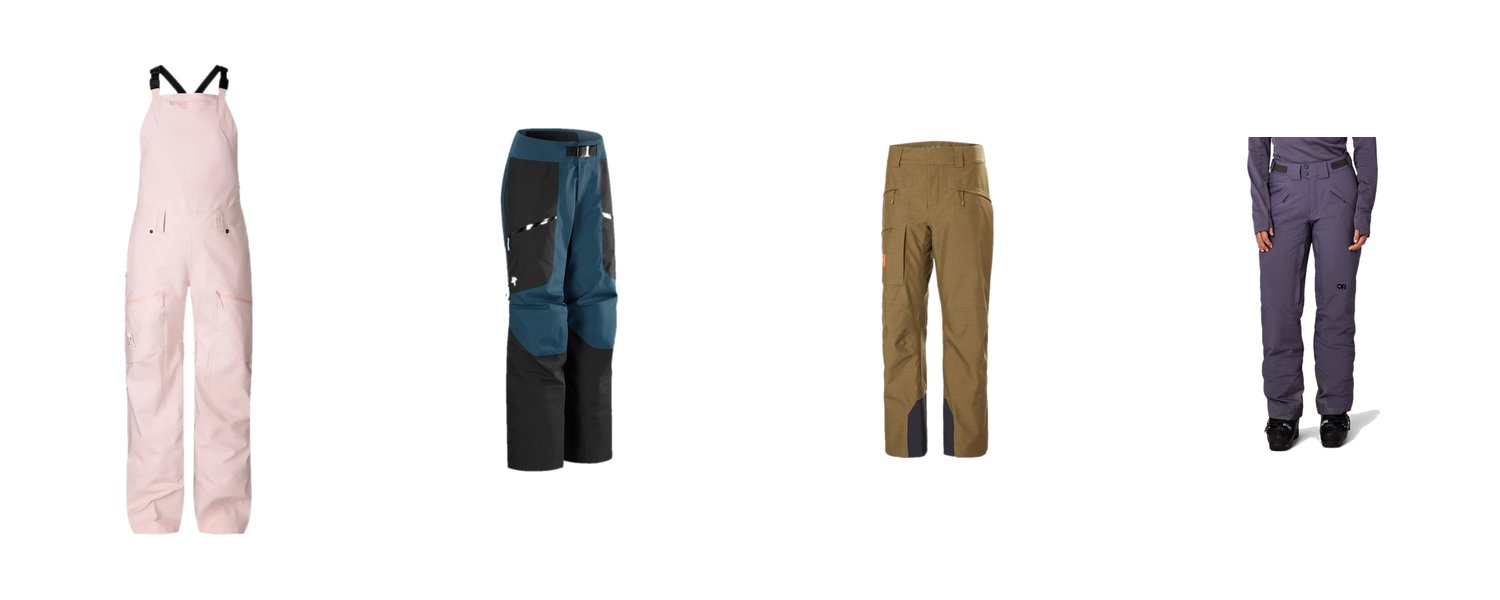
Ski pants are where women's-specific design earns its keep or gets exposed. A shrink-it-and-pink-it cut binds at the hips, gaps at the waist, and ends an inch short of your boot cuffs. The four picks below get the pattern right first, then split usefully on everything else: one bib, one flannel-backed GORE-TEX shell, one insulated resort workhorse, and one budget pant that runs from XS to 4X with three inseams. Based on our research of current-season specs, retailer listings, and published reviews, these are the women's ski pants worth the hanger space this winter.
Quick Comparison
| Pant | Best For | Insulation | Price |
|---|---|---|---|
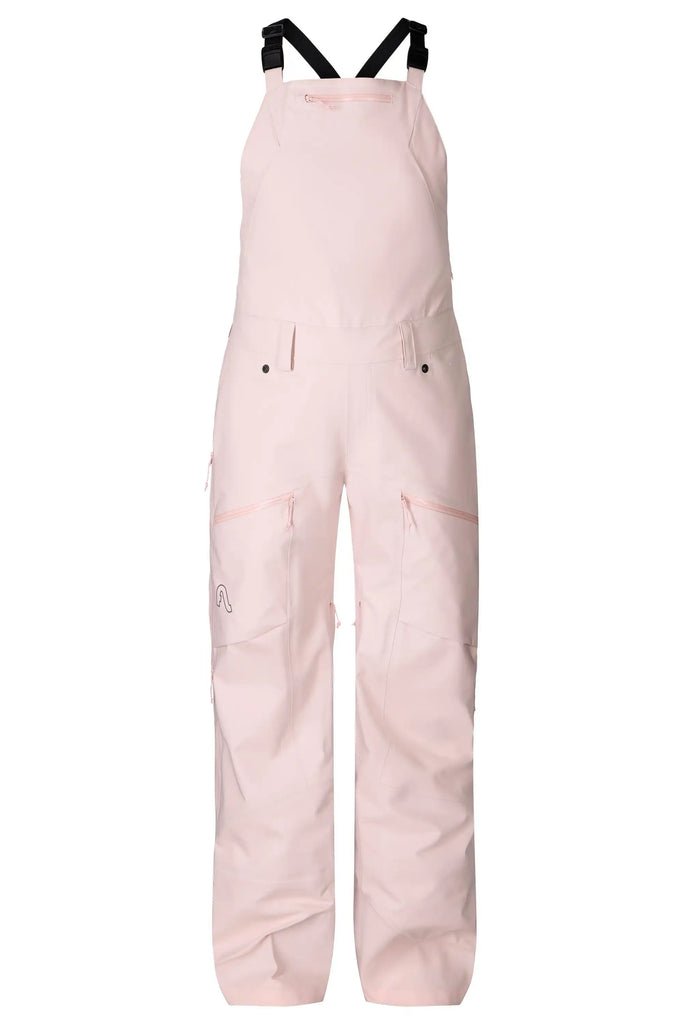
| Flylow Foxy Bib | Overall / bib fans | None (3L softshell) | ~$480 |
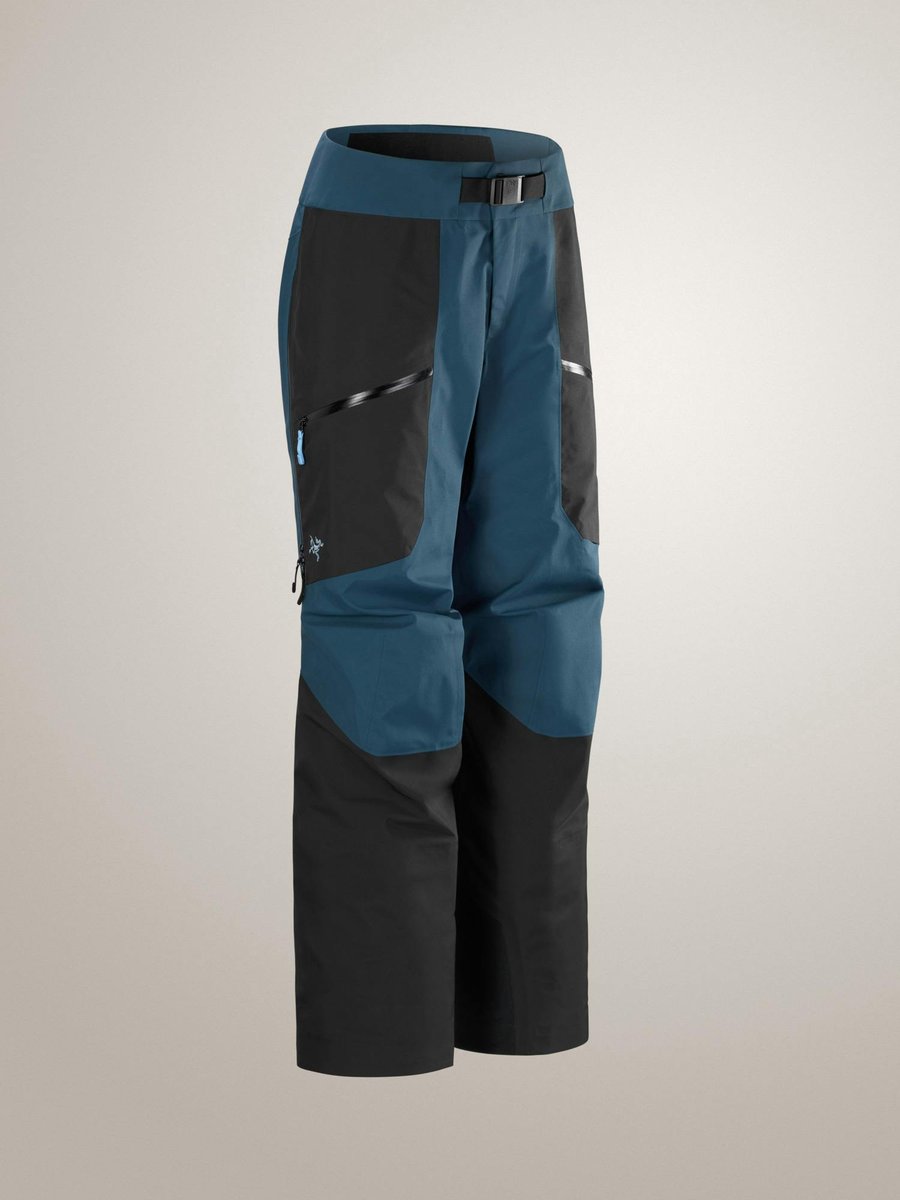
| Arc'teryx Sentinel Pant | Premium storm days | Flannel backer | ~$600 |
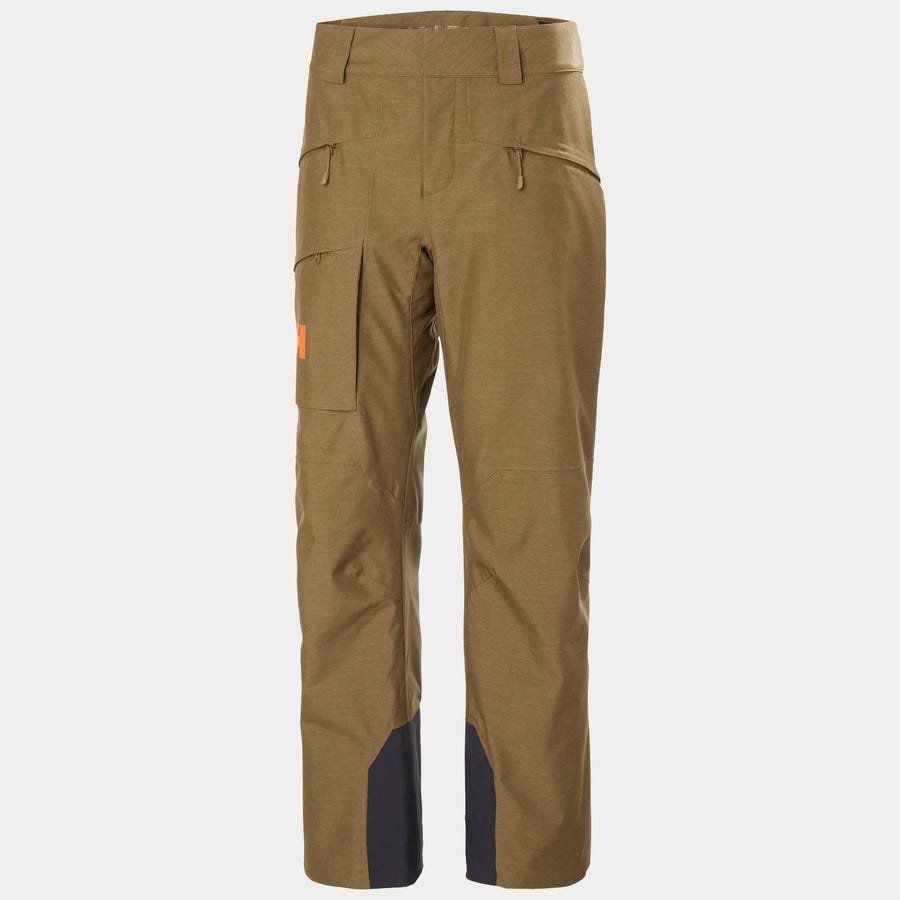
| Helly Hansen Powderqueen | Cold resort laps | PrimaLoft 40g | ~$300 |
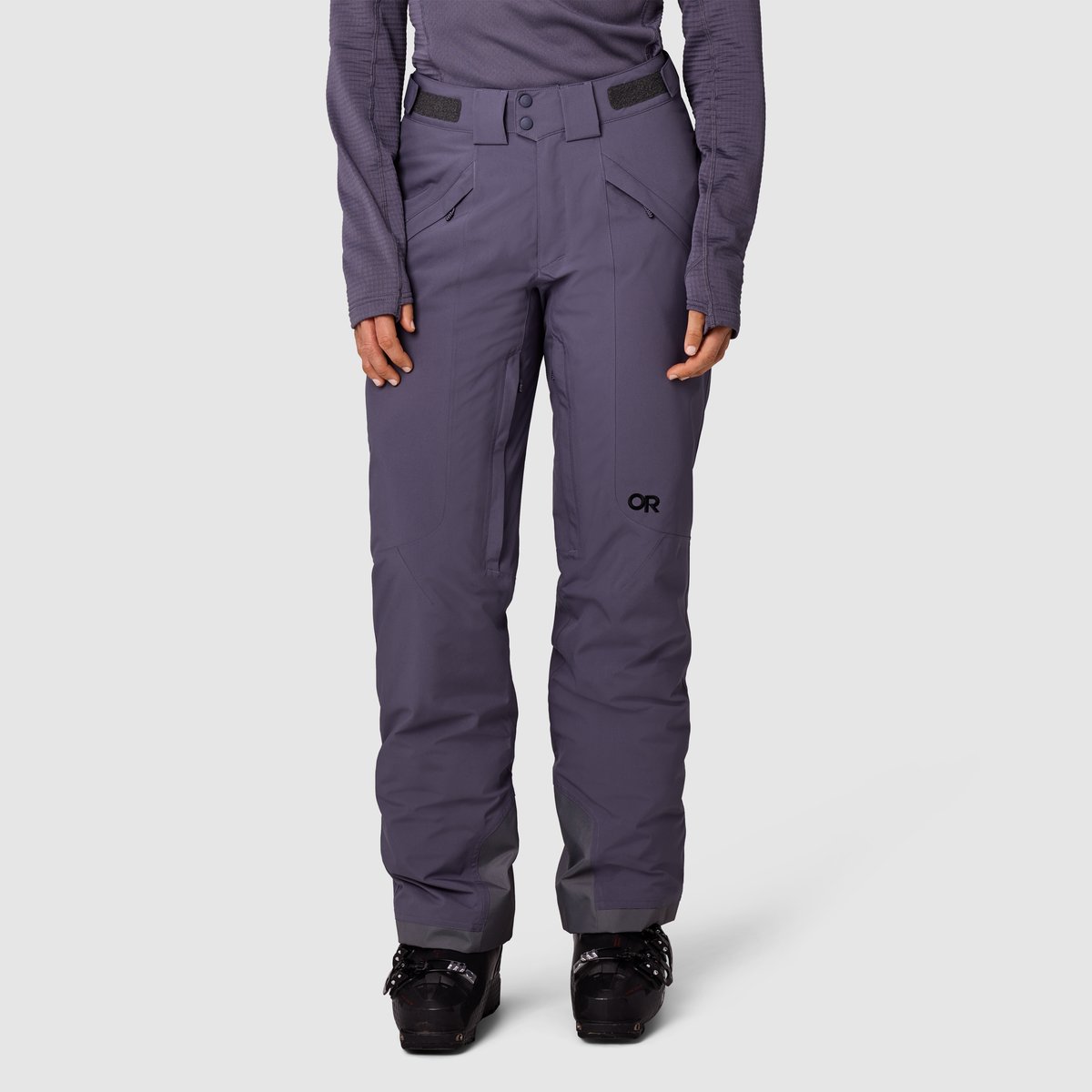
| Outdoor Research Snowcrew | Value & size range | VerticalX 45g | ~$230 |
Our Picks
How to Choose Women's Ski Pants
Decide on insulation first. Run cold, ski cold places, or spend long stretches on lifts? Insulated pants like the Powderqueen or Snowcrew earn their warmth. Run hot, tour, or ski somewhere with real spring seasons? A shell like the Foxy or Sentinel over a merino base layer covers a wider temperature range; add a thicker base layer when the forecast drops. Our base layer guide pairs well with either answer.
Take fit notes seriously. Every brand cuts differently. The Foxy runs slim and small, the Sentinel slightly small, the Snowcrew roomy, and the Powderqueen true to size, all per aggregated retailer feedback. Numeric sizing with inseam options (Flylow, Arc'teryx, OR) is worth prioritizing if standard alpha sizes have never quite worked for you; a pant that is two inches too long chews its own cuffs to shreds by February.
Understand the waterproofing numbers. A 20,000mm rating handles nearly any storm you will sit through; 28,000mm GORE-TEX buys margin for the wettest maritime snowpacks. Two-layer builds like the Snowcrew and Powderqueen are quieter and cheaper but breathe less than the three-layer Foxy and Sentinel, which matters most on hike-to terrain and warm days.
Bibs or pants? Bibs seal out powder completely, never sag under a heavy pocket, and drop the waistband pressure point. Pants win for easy layering changes and bathroom logistics, though the Foxy's side-entry zip closes most of that gap. There is no wrong answer, only a preference you probably already hold.
Check the boot fit before the season starts. Whichever pant you pick, pull it on over your actual ski boots at home. The internal gaiter should grip the cuff with the power strap accessible, and the hem should sit at mid-boot, not at the ankle. Ten minutes in the living room saves a cold, flappy season.
Frequently Asked Questions
Are women's ski pants really different from men's?
Yes, and not only in color. Women's patterns shift the waist-to-hip ratio, shorten the rise-to-inseam proportions, and contour the seat and thigh differently. A men's or unisex pant sized down usually fits the waist or the hips, not both. If unisex works for you, our main ski pants guide has four more options.
Do I need GORE-TEX, or is a house membrane fine?
House membranes like Helly Tech and Ventia keep resort skiers dry through typical storms; independent lab and field reviews consistently rate 20k membranes as sufficient for lift-served skiing. GORE-TEX earns its premium in sustained wet snow, on multi-hour storm days, and over years of washing, where its water resistance tends to hold up longer.
How should I wash ski pants?
Machine wash cold with a technical cleaner (not regular detergent, which clogs the DWR coating), then tumble dry low. Heat reactivates the water repellency. When water stops beading on the face fabric, a spray-on DWR refresh restores it in one evening. Done twice a season, this roughly doubles the working life of any pant here.