The Best Ski Pants & Bibs of 2026-27: Picks for Every Skier and Budget
Affiliate disclosure: As an Amazon Associate we earn from qualifying purchases. Some links below are affiliate links, see our full disclosure. Recommendations are based on our independent research of current-season gear, specifications, and aggregated expert and user feedback.
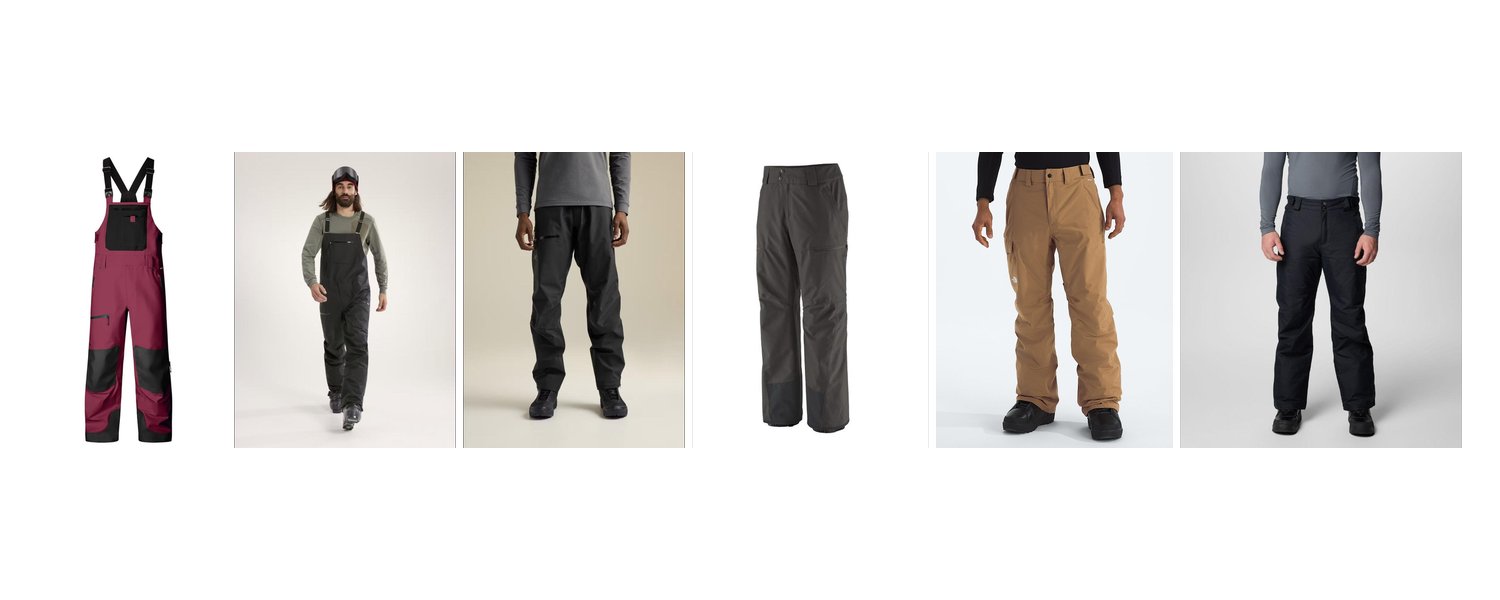
Nobody remembers a good pair of ski pants at the end of the day, and that is exactly the point. Wet thighs on a chairlift, a soaked seat after one sit-down in spring slush, a boot cuff packed with snow: pants are the piece of kit you only notice when they fail. The good news is that the category has never been deeper. Bibs have gone from guide gear to mainstream, waterproofing that used to cost $500 now shows up at half that, and even the budget end includes genuinely warm, dry options. Based on our research across current-season models, these six cover everything from storm-day freeride bibs to a first-season resort pant under $150.
Quick Comparison
| Pants | Best For | Construction | Price |
|---|---|---|---|
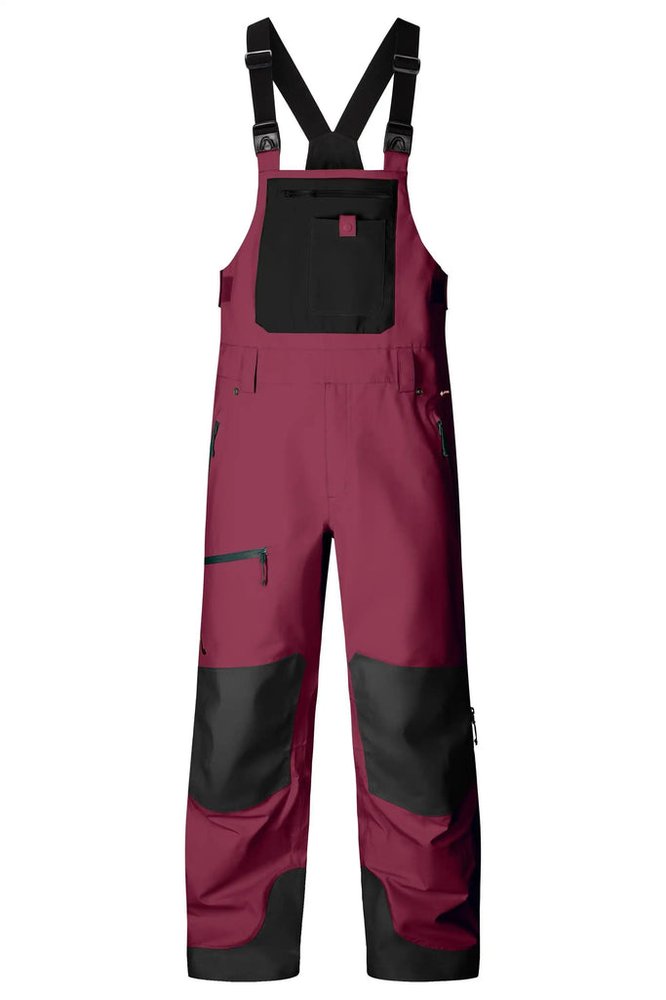
| Flylow Baker Bib | Overall bib | 3L shell, 20K waterproof | ~$450 |
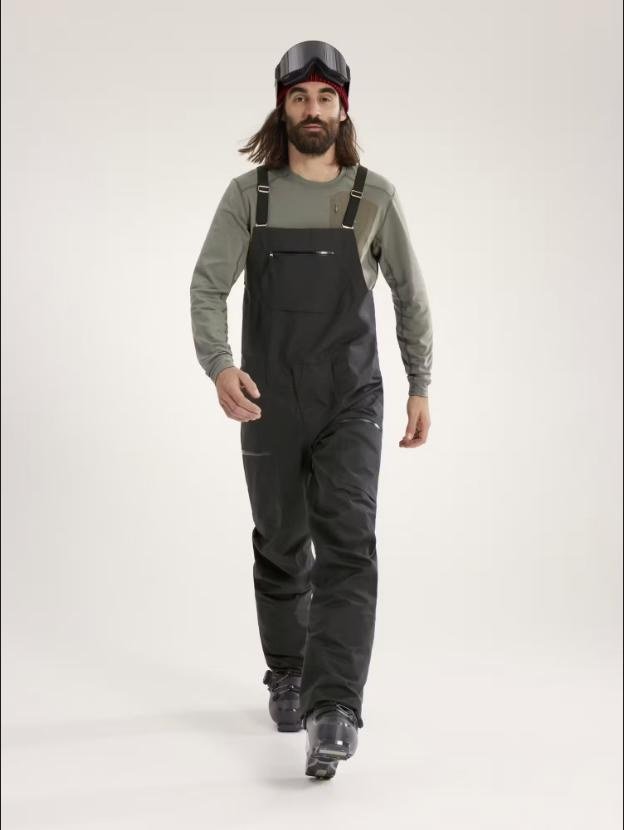
| Arc'teryx Sabre Bib Pant | Premium freeride | 3L GORE-TEX ePE | ~$700 |
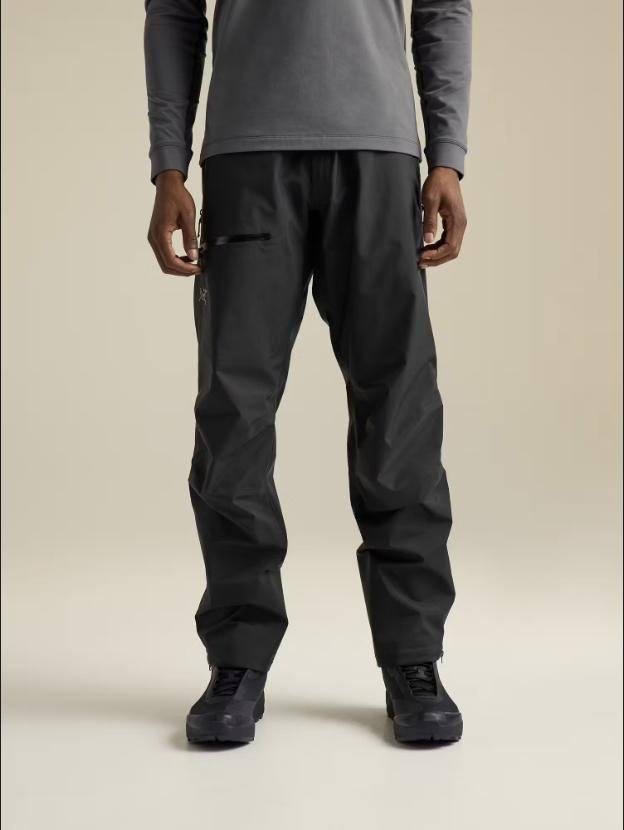
| Arc'teryx Beta Pant | Lightweight shell | 3L GORE-TEX | ~$300 |
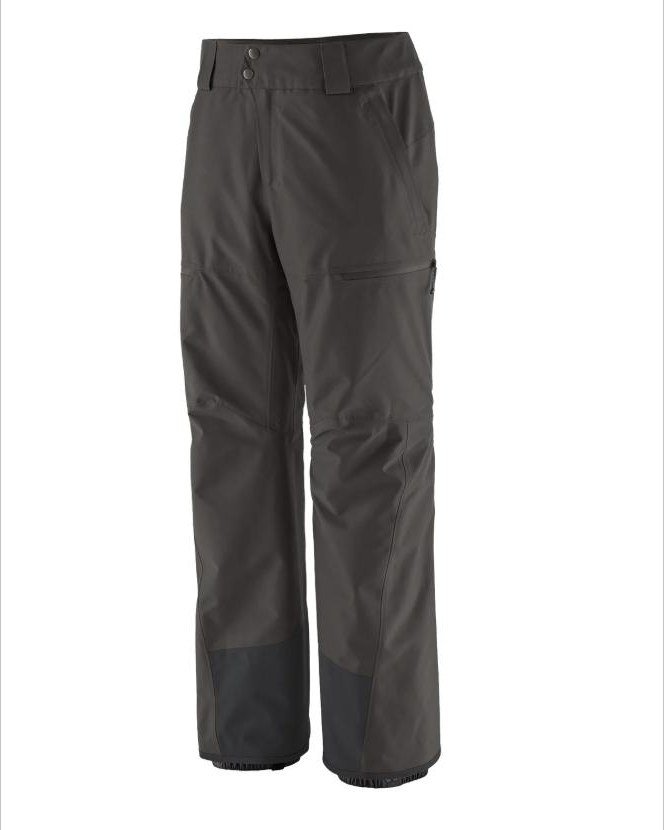
| Patagonia Powder Town Pants | Resort days | 2L H2No shell | ~$270 |
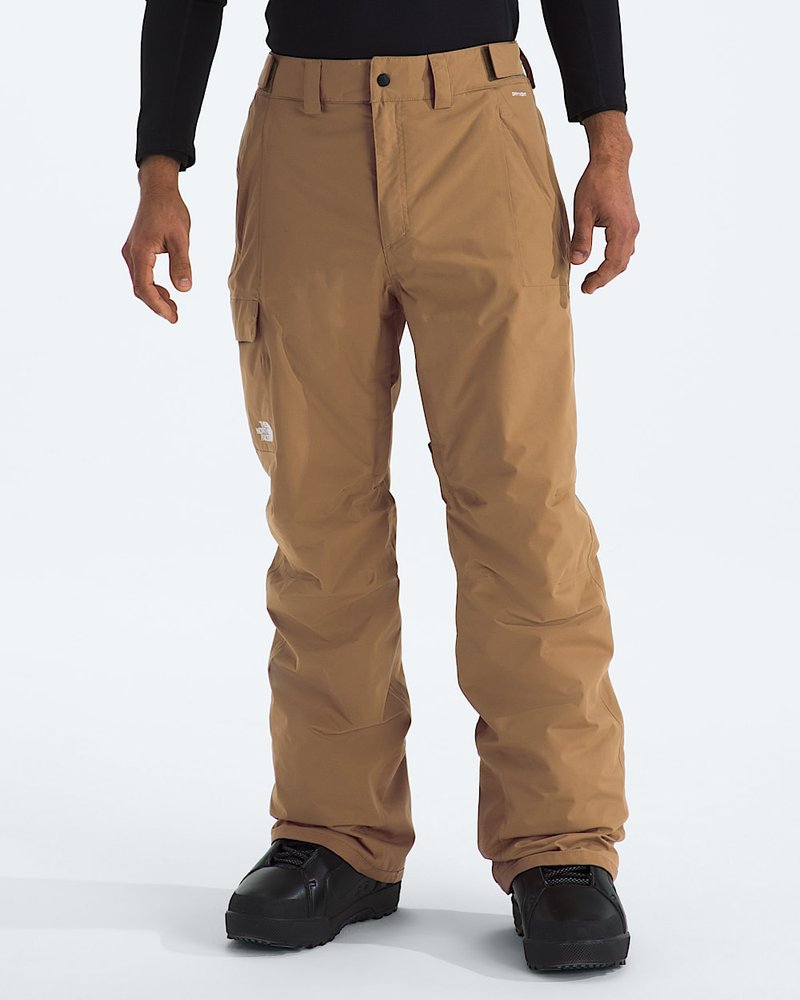
| TNF Freedom Insulated Pant | Value insulated | 2L DryVent, 60g insulation | ~$200 |
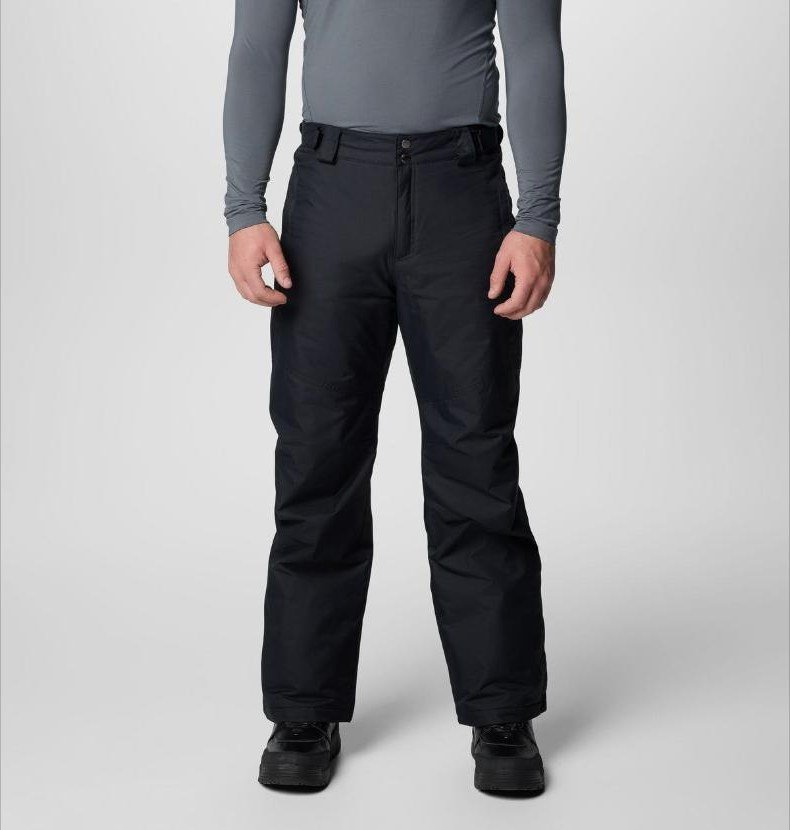
| Columbia Bugaboo V | Budget | Omni-Tech, 60g insulation | ~$130 |
Our Picks
Bibs or Pants?
Bibs have won a lot of converts for three reasons: no snow down the back when you fall in powder, no cold gap at the kidneys on the lift, and pockets on the chest panel that stay reachable with a jacket on. The cost is convenience, because bathroom stops take planning (look for a drop seat or side zips), and bibs run warmer, which cuts both ways. If you ski storms, trees, or with kids who throw snow, get the bib. If you run hot, ride mostly groomers, or want one pair of pants that also works for shoveling the driveway, regular pants remain the simpler tool.
Shell vs Insulated
An uninsulated shell like the Beta or Baker Bib is the more versatile buy: wear a light base layer in spring, add fleece when it drops below 15°F. Insulated pants like the Freedom are warmer per dollar and less fiddly, which suits resort skiers who do not want to manage layers. A useful rule: if your legs have ever actually been cold skiing, buy 60g insulation; if they have ever been sweaty, buy a shell and layer.
What the Waterproof Numbers Mean
A 10K rating (10,000mm) keeps most skiers dry in typical snowfall; 20K handles wet coastal storms and long days sitting on chairlifts; 3-layer GORE-TEX sits at the top for sustained soaking and abrasion. Breathability matters just as much on the leg as it does on the torso, because thighs work hard in moguls, hiking, and deep snow. Taped seams are non-negotiable at any price, and both budget picks here have them.
Fit and Features Worth Paying For
Vents: inner or outer thigh zips are the single most used feature on any ski pant; look for mesh-free vents that dump heat fast. Boot gaiters: the elastic inner cuff that seals over your boot, standard on everything here. Reinforced cuffs: Cordura or Keprotec patches stop edge cuts, worth it if you ski more than 15 days a season. Articulation: pre-bent knees and a gusseted crotch matter more than stretch percentages, especially in bumps. RECCO: a passive reflector that helps organized rescue find you; a nice extra, never a substitute for a beacon in avalanche terrain.
Frequently Asked Questions
How should ski pants fit?
Roomy enough to squat and drive a knee up with a base layer underneath, without excess fabric pooling at the boot. The hem should sit at the bottom of the boot cuff while you are in a skiing stance, not standing straight. Between sizes, size up; nothing skis worse than tight pants.
Can I ski in hiking rain pants?
For a day or two in a pinch, yes. Long-term, no: rain pants lack boot gaiters, reinforced cuffs, and snow-ready pockets, and thin fabric gets shredded by edges quickly. A budget ski pant like the Bugaboo costs about the same as decent rain pants and does the job properly.
How long do ski pants last?
A quality shell should give 150+ days before waterproofing fades, and a refresh wash with technical DWR treatment buys more seasons. Cuffs usually die first. Retire pants when the seam tape starts peeling inside; that is not economically repairable.
Do I need different pants for backcountry touring?
Dedicated touring pants prioritize breathability and weight over durability. Of this list, the Beta Pant crosses over best for mellow tours; dedicated freeride bibs like the Sabre handle the occasional bootpack and sidecountry lap without complaint.