The Best Ski Jackets of 2026/27: Resort, Shell, and Budget Picks
Affiliate disclosure: As an Amazon Associate we earn from qualifying purchases. Some links below are affiliate links, see our full disclosure. Recommendations are based on our independent research of current-season gear, specifications, and aggregated expert and user feedback.
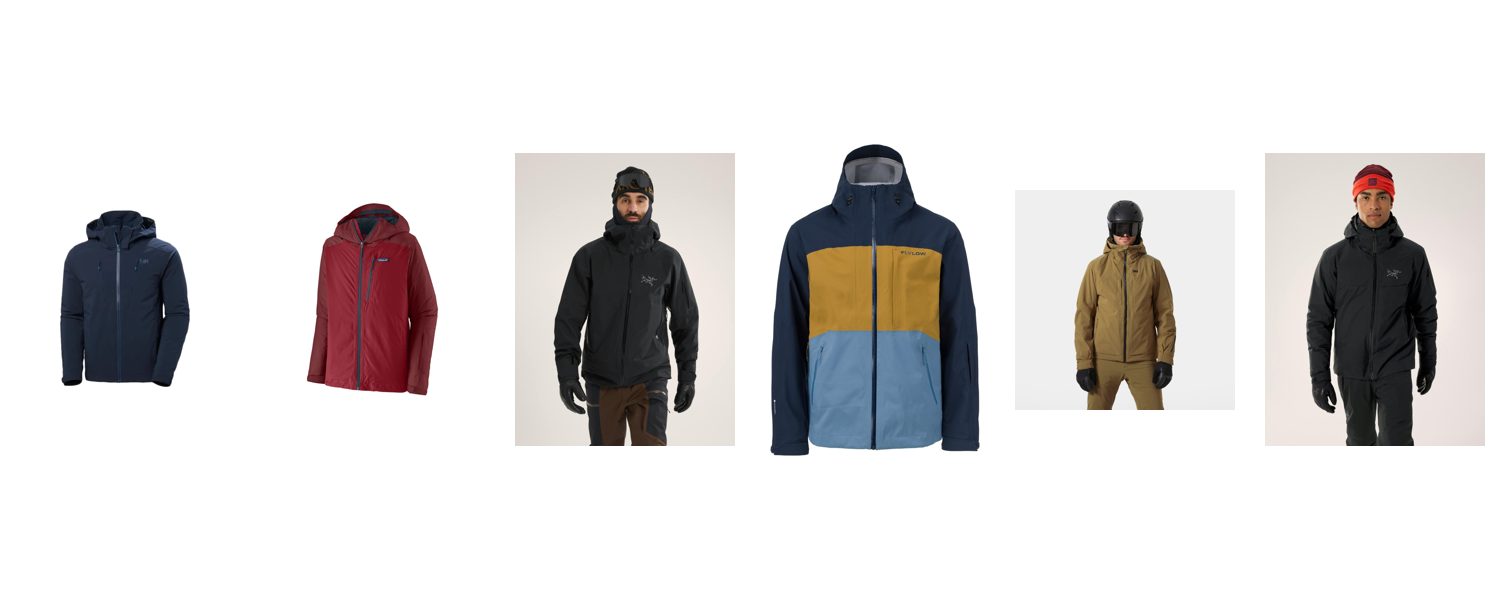
Your jacket is your shelter for six hours a day on the mountain, and the range of options has never been wider, from sub-$300 insulated workhorses to $1,100 expedition-grade pieces. The right choice depends mostly on where and how you ski: resort cruisers want insulation and weatherproofing, hard-charging and backcountry skiers want breathable shells with room to layer. Based on our research across the 2026/27 lineup, these are the jackets that earn their price.
Quick Comparison
| Jacket | Type | Best For | Price |
|---|---|---|---|
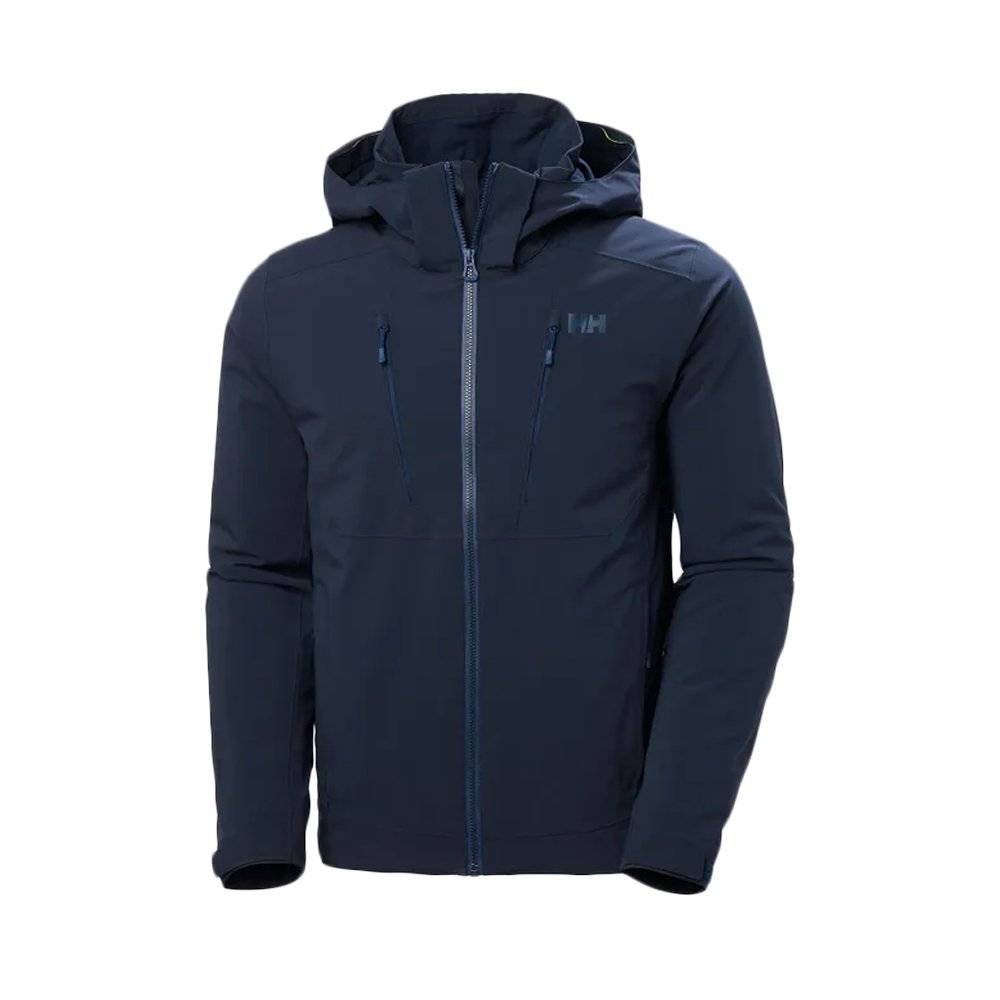
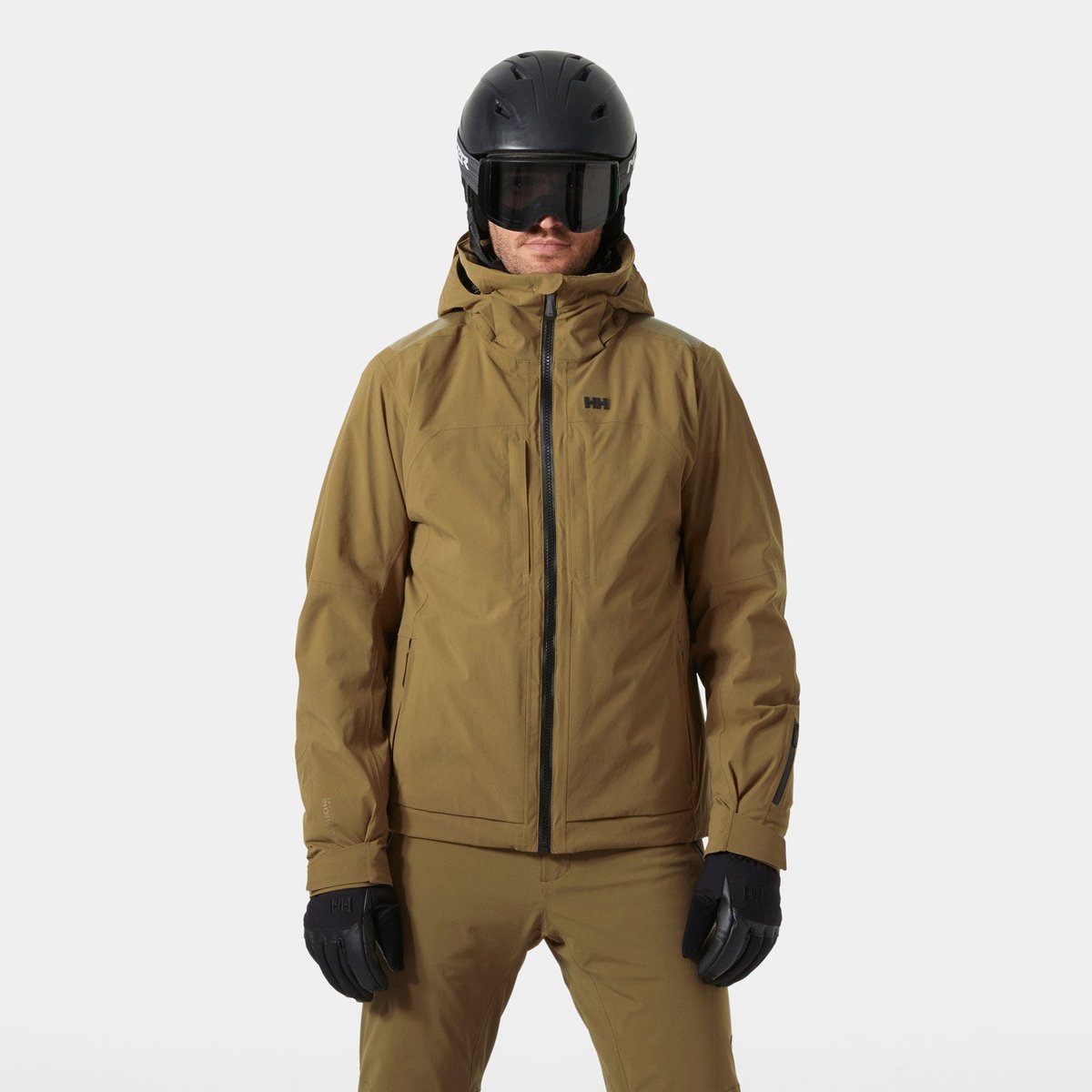
| Helly Hansen Alpha 4.0 | Insulated | Resort skiing (best overall) | ~$450 |
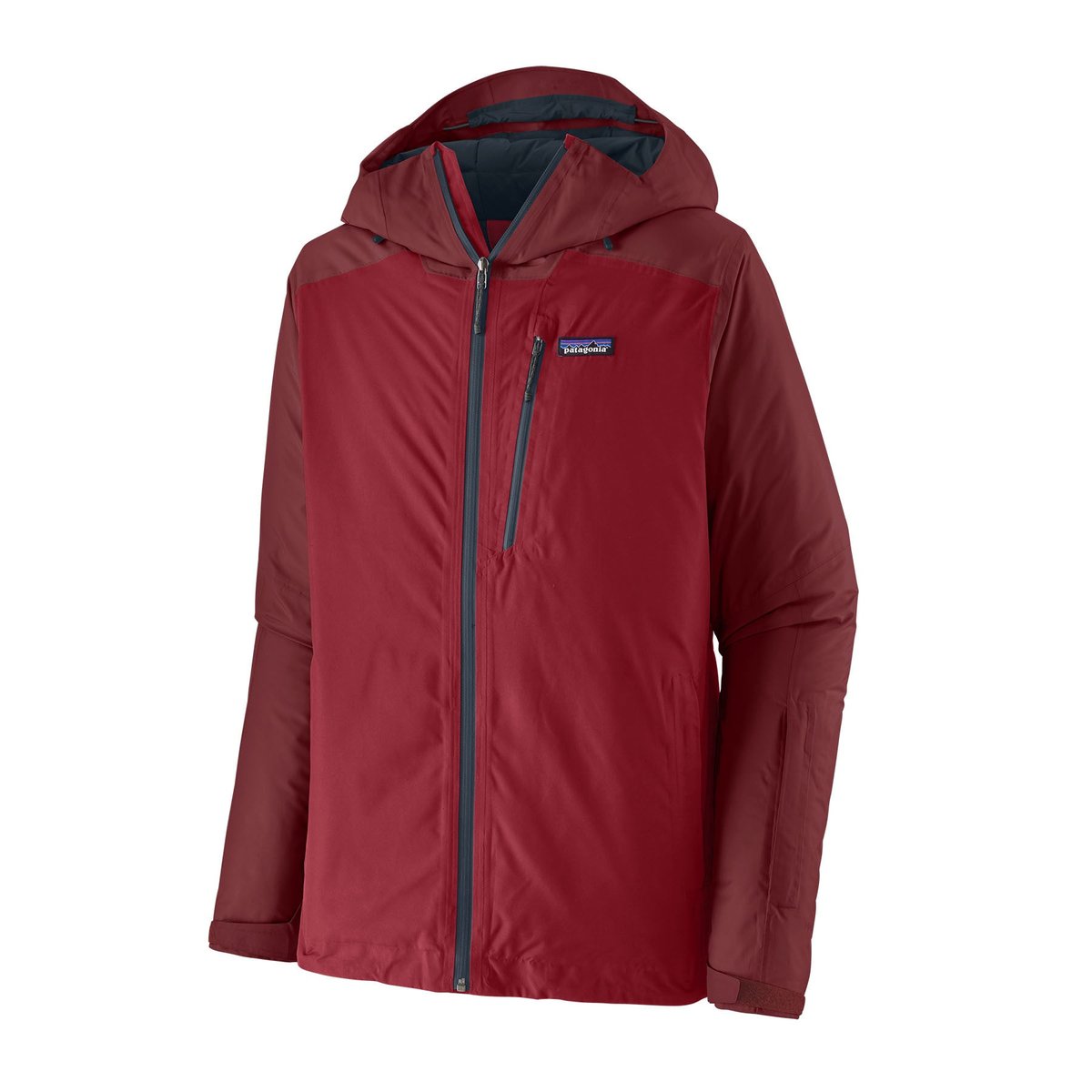
| Patagonia Powder Town Insulated | Insulated | Value + coverage | ~$399 |
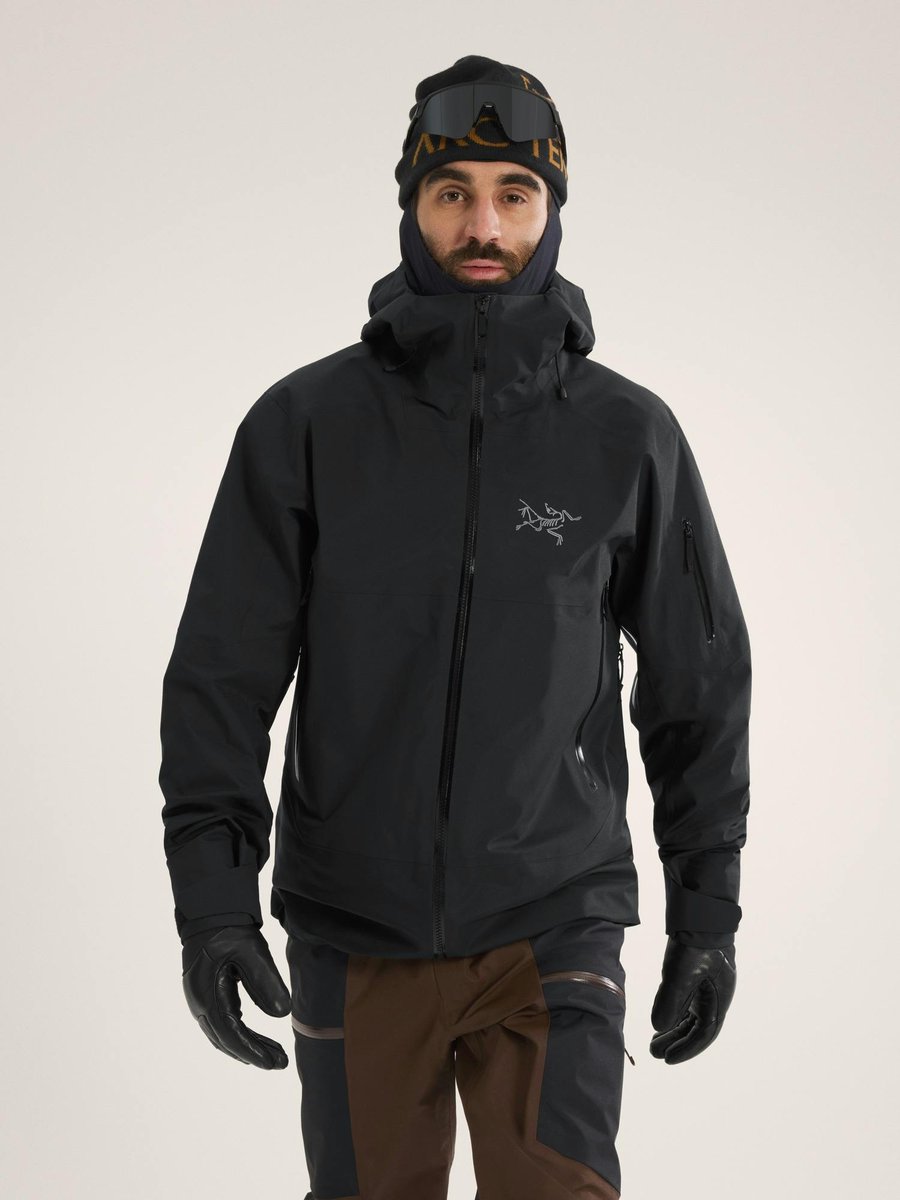
| Arcteryx Sabre | 3L shell | Premium all-mountain | ~$750 |
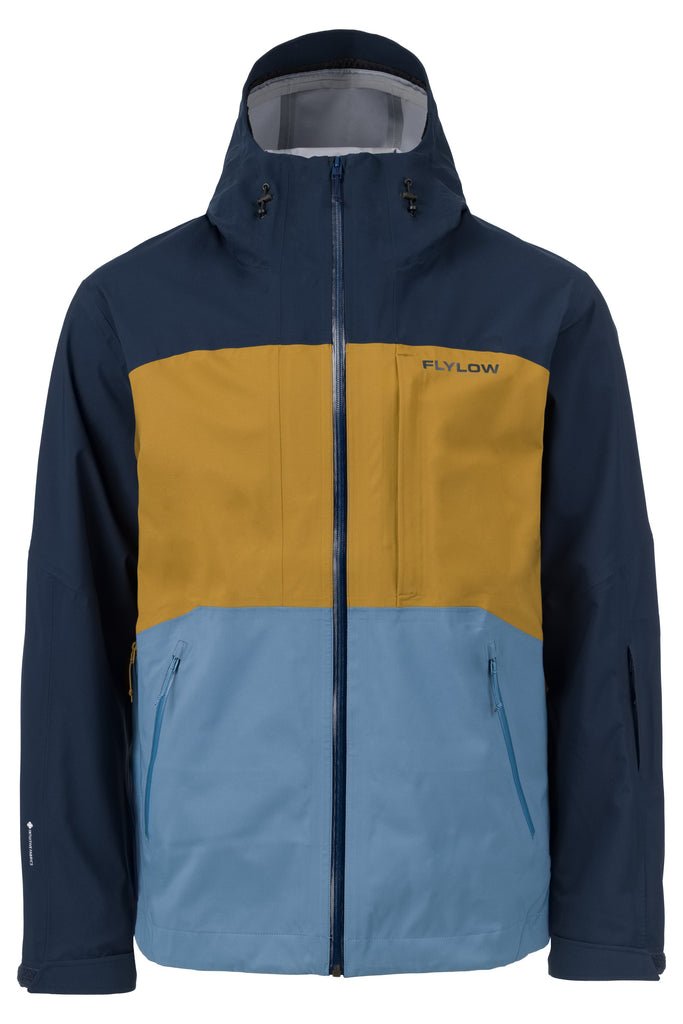
| Flylow Malone | 3L stretch shell | Shell value | ~$450 |
| Helly Hansen Atlas Infinity Stretch | Insulated shell | Warmth + protection (new) | ~$825 |
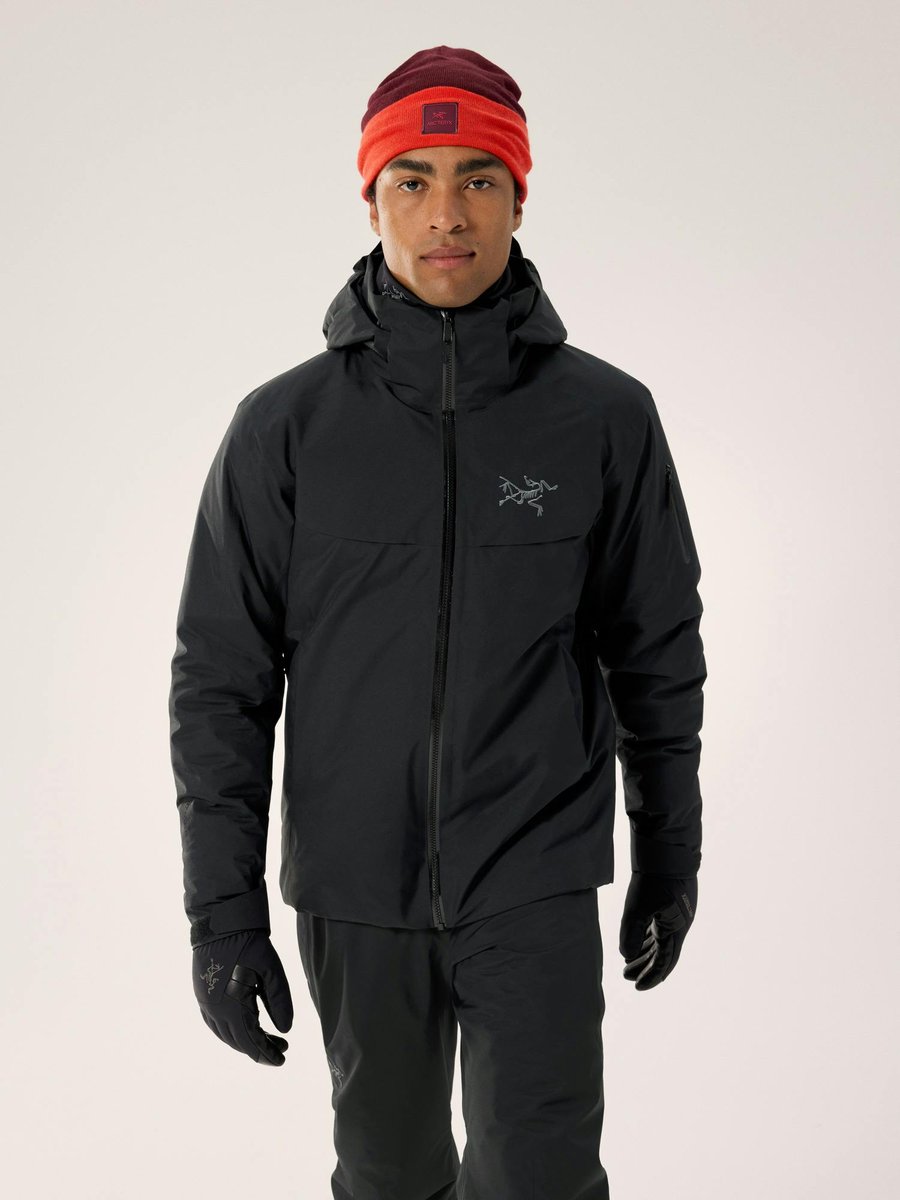
| Arcteryx Macai | Down insulated | Maximum warmth splurge | ~$1,100 |
Our Picks
Insulated vs. Shell: Which Should You Buy?
Insulated jackets build the warmth in, simplest for resort skiing in cold climates, at the cost of versatility on warm days.
Shell jackets provide only weather protection; you supply warmth with layers underneath. They cost similar money for higher-quality fabrics, adapt to any temperature, and are mandatory for backcountry use where you generate heat on the climb. If you ski a range of conditions or run warm, buy a shell and a good midlayer; if you mostly ride lifts in genuinely cold weather, an insulated jacket is more convenient.
What the Specs Actually Mean
Waterproof ratings (10K-30K mm): 10K handles light snow; 20K+ is where storm-day confidence starts. GORE-TEX and equivalents (H2No, Helly Tech Pro, LIFA Infinity) sit at the top of the range.
2L vs 3L construction: two-layer jackets use a hanging liner, fine for resort use; three-layer bonds the membrane between fabrics for lighter weight, better durability, and better breathability at higher cost.
Features worth having: pit zips (non-negotiable for warm days), a powder skirt, helmet-compatible hood, and a RECCO reflector. Features worth skipping: excessive pocket counts that add bulk and cost.
Frequently Asked Questions
How much should I spend on a ski jacket?
The $350-500 band is the value sweet spot: full-featured, genuinely waterproof jackets that last many seasons. Below ~$250, waterproofing and build quality drop off quickly. Above $700 you are paying for premium fabrics and construction that mainly reward frequent skiers.
How do I wash a ski jacket?
Machine wash cold with technical-fabric cleaner (not regular detergent, which kills water repellency), then tumble dry low to reactivate the DWR coating. Reapply a spray-on DWR once water stops beading. Washing a shell a few times a season improves performance rather than harming it.
Do I need a different jacket for backcountry touring?
Ideally yes: touring rewards a light, highly breathable 3L shell with big vents, since you alternate between sweating uphill and freezing on descents. An insulated resort jacket is the wrong tool for the climb.