The North Face Freedom Insulated Pant Review: Specs, Sizing and Verdict
Affiliate disclosure: As an Amazon Associate we earn from qualifying purchases. Some links below are affiliate links, see our full disclosure. This breakdown is based on our independent research of current-season specifications and aggregated expert and user feedback.
The quick verdict: The most popular insulated ski pant on the mountain for a reason: warm, dry, and sensibly priced. ~$200 list, now ~$100-140 on closeout; 2.0 update ~$240
Overview
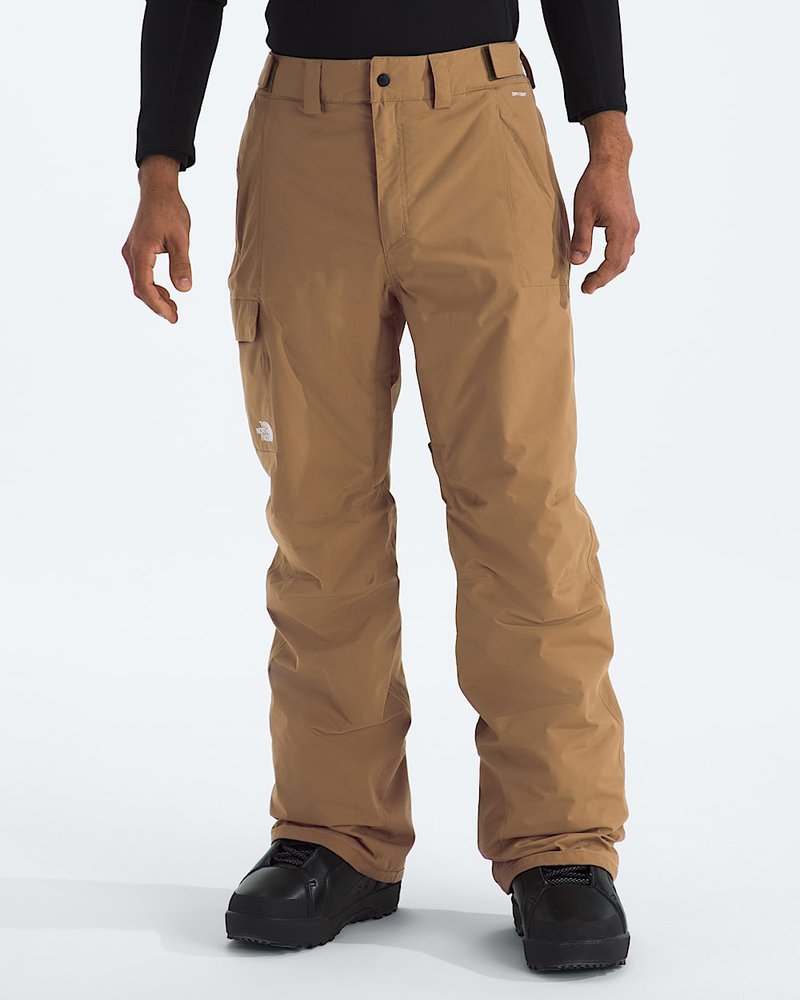
Some gear earns ubiquity, and the Freedom Insulated is that pant. The recipe is simple: a 2-layer DryVent shell with taped seams, 60 grams of Heatseeker Eco insulation, and the features skiers use daily, chimney vents on the inner thigh, ankle gaiters, reinforced kick panels, and a waist that adjusts with hook-and-loop tabs. It comes in a long run of sizes and lengths, including short and tall inseams that are rare at this price.
The 60g fill is the right amount for most of North America: warm on a 10°F morning with a midweight base layer, not stifling at 30°F with the vents cracked. DryVent is a step below GORE-TEX for sustained soaking, which matters in the Pacific Northwest and matters much less everywhere colder and drier.
One wrinkle for 2026/27: The North Face has updated the pant. The outgoing version (~$200 list) is clearing out at roughly $100-140, while the Freedom Insulated 2.0 (~$240) swaps in a 70D stretch DryVent shell and a WindWall lining with the same 60 g of Heatseeker fill. Everything below applies to both unless noted.
Where It Shines
- Warmth-to-price ratio that nothing premium can match, especially at closeout pricing
- Wide size and inseam range, a quiet accessibility win
- Vents plus moderate insulation cover a broad temperature band
- Proven, widely reviewed design with years of positive owner feedback
Tradeoffs to Know
- DryVent will eventually wet out in relentless coastal storms
- Fixed insulation limits spring versatility compared with a shell
- Fit is regular with a straight leg and a low crotch seam; not the pant for a trim silhouette
Who It’s For
Cold-climate resort skiers, value-focused buyers, and anyone assembling a first serious kit. Pair it with a decent base layer and it will not be the weak link.
Key Specs by Size
Figures below are approximate and come from the product listing on thenorthface.com, with the waist chart as reproduced by Campmor and inseam options cross-checked against REI, Backcountry and Scheels.
| Size | Waist | Inseam options | Notes |
|---|---|---|---|
| S | 29-31 in (74-79 cm) | Short 30 in, Regular 32 in | No Long listed for the 2.0 |
| M | 32-34 in (81-86 cm) | Short 30 in, Regular 32 in, Long 34 in | Most widely stocked |
| L | 35-37 in (89-94 cm) | Short 30 in, Regular 32 in, Long 34 in | Outgoing version sold out at TNF |
| XL | 38-41 in (97-104 cm) | Short 30 in, Regular 32 in, Long 34 in | Outgoing version sold out at TNF |
Two versions are in play for 2026/27, and that matters for price. The outgoing Freedom Insulated Pant (style NF0A5ABU) uses a 160D x 140D DryVent 2L recycled-nylon shell with a non-PFC DWR, 60 g of Heatseeker Eco insulation (90% post-consumer recycled polyester) and 500D nylon kickpatches, and weighs about 613 g (1 lb 5.6 oz). The North Face lists it at about $200 and currently sells it around $140, with some colors near $100; Scheels has it at ~$135 and MCU Sports labels it past season. The replacement, called the Freedom Insulated 2.0 at Scheels and simply the Freedom Insulated at REI, evo and Backcountry, moves to a 70D DryVent 2L shell with 7% elastane for stretch, 60 g of Heatseeker (70% recycled), a 50D WindWall lining and a FlashDry seat panel, at about $240 list and roughly 735 g (1 lb 9.9 oz). Neither version publishes a numeric waterproof rating; both are seam-sealed, and both carry The North Face’s limited lifetime guarantee against defects. Sizes run XS to XXL, though the 2.0 is listed S to XXL so far.
Sizing and Fit
Order the size that matches your waist measurement, and expect room beyond that. The North Face calls this a regular fit with a straight leg; OutdoorGearLab describes it as slightly baggy with a low crotch seam, and REI owner reviews split between true to size and slightly large. Treeline Review’s testers found it a touch small and sized up, so if you sit between sizes and plan to layer, go up; otherwise take your measured size and snug the hook-and-loop waist tabs. Inseam is where this pant wins: 30, 32 and 34 inch options cover shorter and taller riders without a hem job, which the Columbia Bugaboo V (Short and Regular only) and the Patagonia Powder Town Pants (Regular only) cannot match.
It pairs naturally with a resort shell over a midlayer, such as the Patagonia Powder Town jacket at ~$399, or with The North Face’s own Freedom Insulated Jacket for a matched set. What it will not do is layer thinly: the fixed insulation means it cannot double as a shell, and spring laps above 40°F get warm even with the vents open. The hand pockets sit low and are small for a glove, and there are no rear pockets.
Who Should Skip It
Three kinds of buyer should look elsewhere. Anyone who rides the wet side of the Cascades or Coast Mountains will eventually overwhelm a 2L DryVent shell with non-waterproof zippers; the Arc’teryx Beta Pant at ~$300 or the Flylow Baker Bib at ~$480 list (~$230-310 on closeout) keeps the water out all day. Spring skiers and anyone who runs hot want a shell they can layer under, and the Patagonia Powder Town Pants at ~$250 list (~$125-175 on sale) do that with a regular fit and better breathability. And if the budget is tight, the Columbia Bugaboo V at ~$120 list (~$55-72 on closeout) carries the same 60 g of synthetic fill for a fraction of the Freedom 2.0’s price.
Freedom Insulated vs. Patagonia Powder Town Pants vs. Columbia Bugaboo V
These three sit on a clear ladder. The Bugaboo V is the budget rung: Omni-Tech 2L shell, 60 g Microtemp XF II insulation, critically rather than fully seam-sealed, Short and Regular inseams, ~$120 list and often ~$55-72 as a closeout. The Freedom Insulated adds full seam sealing, a tougher kickpatch, a Long inseam and, in the 2.0, a stretch shell with a WindWall lining, for ~$200 list on the outgoing version (now ~$100-140) or ~$240 on the 2.0. The Powder Town Pants take a different path: a 2L H2No shell with no insulation, so your base layer sets the warmth, at ~$250 list and ~$125-175 on sale. Pick the Freedom if you ski cold resort days and want the warmth built in, especially in a Short or Long inseam. Pick the Powder Town if you ski a long season with big temperature swings and prefer to layer. Pick the Bugaboo V if price decides it.
Frequently Asked Questions
Is the North Face Freedom Insulated Pant good for beginners?
Yes. It is warm, fully seam-sealed and forgiving in fit, and the wide size and inseam range makes it easy to get right the first time.
What size North Face Freedom Insulated Pant should I get?
Match your waist measurement to The North Face’s chart (S 29-31 in, M 32-34 in, L 35-37 in, XL 38-41 in) and pick Short, Regular or Long by inseam at 30, 32 or 34 inches. If you are between waist sizes and will layer underneath, size up; the hook-and-loop tabs take up the slack.
North Face Freedom Insulated or Patagonia Powder Town Pants?
The Freedom is the warmer pant for cold resort days and costs less on closeout. The Powder Town Pants are a shell, so they breathe better and cover a wider temperature range if you manage your own layers.
Is the North Face Freedom Insulated Pant discontinued or waterproof?
Not discontinued, but updated: the ~$200 version is on closeout at ~$100-140 while the stretch-shell 2.0 replaces it at ~$240 for 2026/27. Both use a seam-sealed DryVent 2L shell that is waterproof for resort use, though The North Face publishes no millimeter rating and the zippers are not waterproof.
How It Compares
See how it stacks up in our full guide: The Best Ski Pants & Bibs of 2026-27. Other picks from that list: Flylow Baker Bib · Arc’teryx Sabre Bib Pant · Arc’teryx Beta Pant · Patagonia Powder Town Pants · Columbia Bugaboo V.