Marker Alpinist 12 Review: Specs, Sizing and Verdict
Affiliate disclosure: As an Amazon Associate we earn from qualifying purchases. Some links below are affiliate links, see our full disclosure. This breakdown is based on our independent research of current-season specifications and aggregated expert and user feedback.
The quick verdict: The lightweight pin binding that skis above its weight: under 300 grams, a gapless heel that keeps release values honest through ski flex, and a surprisingly damp ride. Vertical release is fixed, and risers run low. ~$550
Overview
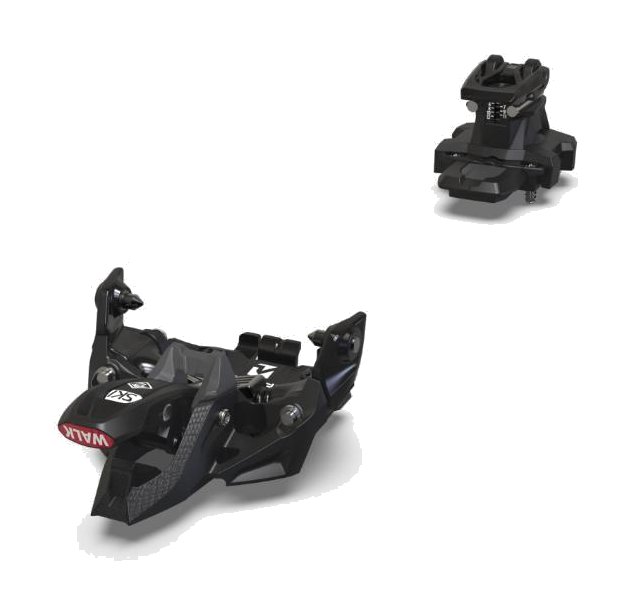
The Alpinist is Marker's play for the fast-and-light crowd, sitting below the freeride-oriented Alpinist Free 13 and the burly Kingpin in the brand's touring line, with the Alpinist 10 and 8 offering softer springs on the same chassis. It is built from forged aluminum and carbon-reinforced polyamide, and the mission is stated plainly by the weight: about 297 grams per binding without brakes, in a package that still offers adjustable lateral release and a proper boot-length adjustment track.
What separates it from other sub-300-gram bindings is the heel. Marker's Dynamic Length Compensation keeps the heel piece flush against the boot on a spring-loaded track, so the binding stays gapless and ski flex stops changing your effective release value mid-turn. GearJunkie calls the Alpinist a top choice for ski mountaineering and long spring missions, and owners on retailer review pages repeat one phrase enough that it stands out: these feel damp for their weight, not harsh.
Key Specs
Figures below come from Marker's product listing and current retailer spec sheets for the 2026/27 season.
| Spec | Marker Alpinist 12 |
|---|---|
| Weight per binding | ~297 g without brake (~594 g per pair) |
| Lateral release | Adjustable 6-12 |
| Vertical release | Fixed, via swappable U-spring (High fitted; Low and Medium sold separately) |
| Brakes | Optional accessory: 90, 105, 115 mm (~$70) |
| Riser positions | Flat plus two heights via flip flap and rotated heel |
| Boot sole adjustment | 15 mm |
| Materials | Forged aluminum, carbon-reinforced polyamide |
| Approximate price | ~$550 without brakes |
Toe: carbon-reinforced with ISI rubber step-in bumper (2022 update) · Heel: gapless Dynamic Length Compensation on a spring-loaded track · Crampon: Marker Pintech receptors built in, crampons sold separately · Mount pattern: wide 38 mm toe holes · Family: Alpinist 8 and 10 share the chassis with softer springs
Sizing, Fit and Compatibility
Like any pure pin binding, the Alpinist needs boots with tech inserts, and it pairs most naturally with touring boots in the 1,000 to 1,500 gram class on skis up to the mid-90s underfoot. The heel track gives 15 mm of boot sole adjustment, the tightest range in our lineup: enough for liner changes and a half-size swap, not enough to share skis between two people. Buying brakes means choosing 90, 105 or 115 mm; many owners run leashes instead and bank the 100-odd grams.
Release setup needs honest attention. Lateral release adjusts from 6 to 12 like a normal binding, but vertical release comes from the U-spring at the heel: the stock High spring suits most fit skiers (retailer testing pegs its release around a value of 10 to 11), and lighter or more cautious skiers should swap in the separately sold Medium or Low spring. None of it is TÜV certified, which is typical at this weight. The 2022 Intuitive Step In bumper also fixed early toe-lug rubbing with some La Sportiva boots; current production fits standard touring soles cleanly.
Where It Shines
- Weight to performance: under 300 grams with adjustable lateral release and real length compensation, a combination few rivals match at the price
- Ride quality: owners and reviewers repeatedly describe it as noticeably damp for a lightweight pin binding on firm snow
- Gapless heel: release behavior stays consistent while the ski flexes, a weak point of traditional gap-set tech heels
- Step-in ease: the rubber ISI bumper and wide platform make entry quicker than most race-derived toes
Tradeoffs to Know
- Fixed vertical release: dialing it in means buying and swapping U-springs rather than turning a screw
- Riser spread is modest and the high position sits lower than touring workhorses like the ATK Raider; steep skin tracks make you feel it
- Brakes cost extra and push the real price toward $620 fitted
- Durability reports are mostly good but not spotless: isolated owner reports of heel-piece failures exist, with Marker covering them under warranty
Who It’s For
Ski mountaineers, spring-mission skiers and anyone assembling a sub-1,500-gram ski-plus-binding setup who still wants adjustable lateral release and a binding that does not chatter on refrozen exits. It is the pick in this lineup for people who count grams out loud.
Who Should Skip It
Skip it if you ski aggressively on wide, heavy skis; the ATK Raider 13 Evo handles that brief with adjustable vertical release and elastic travel. Skip it too if swapping U-springs to tune release feels like one step too far; the Dynafit Seven Summits adjusts both axes with a screwdriver and costs less.
Frequently Asked Questions
What is the difference between the Marker Alpinist 12 and Alpinist 10?
Same binding, different springs: the 10 caps lateral release at 10 and ships with a softer U-spring, usually for about $50 less. Lighter skiers and anyone whose calculated release value sits at 8 or below lose nothing by choosing the 10.
Does the Marker Alpinist 12 come with brakes?
No. Brakes in 90, 105 or 115 mm widths are a roughly $70 accessory, and the binding ships with a heel pad for brakeless mounting. Leashes are the lighter alternative, and some resorts require one or the other.
Can the Alpinist 12 handle resort days?
Occasional groomer days are fine, and the gapless heel helps consistency. Daily resort use on wide skis is outside its brief: the fixed vertical release and minimal elasticity are the compromise that bought the low weight, so frequent inbounds skiers should look at the Shift2 or a Kingpin-class binding.
How It Compares
See how it stacks up in our full guide: The Best Touring Bindings of 2026/27.
Choose the ATK Raider 13 Evo instead if you want adjustable release on both axes, automatic brakes and taller risers, and you can carry 80 extra grams per foot and a $200 premium.
Choose the Salomon S/Lab Shift2 13 MN instead if resort days make up half your season; it is a different tool entirely, trading a kilogram for certified alpine-grade release.
Choose the Dynafit Seven Summits instead if you want screwdriver-adjustable release on both axes and a lower price, and you can accept 30 more grams per binding and a 4-10 range.