Dynafit Seven Summits Review: Specs, Sizing and Verdict
Affiliate disclosure: As an Amazon Associate we earn from qualifying purchases. Some links below are affiliate links, see our full disclosure. This breakdown is based on our independent research of current-season specifications and aggregated expert and user feedback.
The quick verdict: The best spec-per-dollar in touring bindings: 326 grams, release adjustable on both axes, a clever drop-in crampon slot and the pedigree of the brand that invented pin bindings. Release caps at 10 and brakes cost extra. ~$450
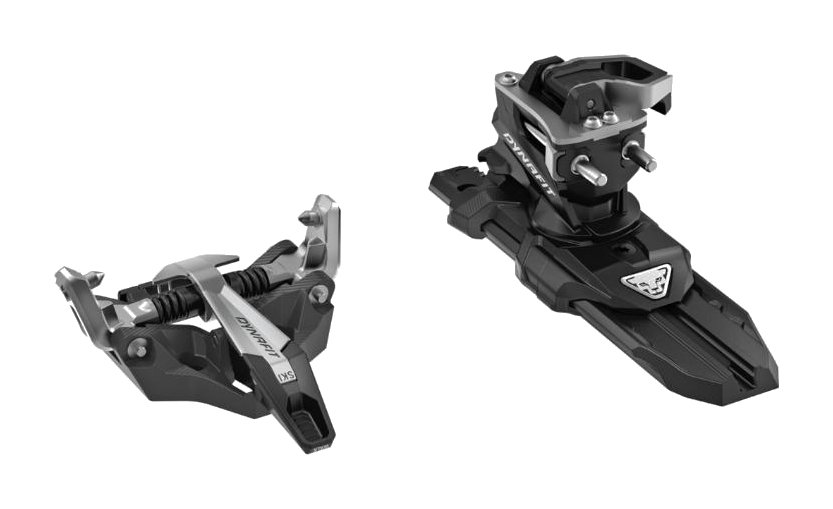
Overview
Dynafit built the first commercial pin binding four decades ago, and the Seven Summits is the company distilling that history into a deliberately simple product. It slots under the freeride-oriented Ridge and the classic Rotation in the range, positioned as the daily-touring binding that forgoes, in Dynafit's own words, any unnecessary bells and whistles at a competitive price. The execution borrows from the best: retailers note the drop-in crampon slot takes inspiration from Plum's design, and the toe uses Dynafit's Easy Entry step-in surface with Ice Breaker pins that resist snow packing under the wings.
The spec that makes the price remarkable is the release hardware. Fully adjustable vertical and lateral release between 4 and 10 is a feature bindings twice this price skipped a few years ago, and GearJunkie made the Seven Summits its value pick for 2026 on exactly that basis. Street prices regularly dip below $400, which buys a lot of skin-track seasons.
Key Specs
Figures below come from Dynafit's product listing and current retailer spec sheets for the 2026/27 season.
| Spec | Dynafit Seven Summits |
|---|---|
| Weight per binding | ~326 g (652 g per pair), without brakes |
| Release range | 4-10, adjustable vertical and lateral |
| Brakes | Not included; pairs with leashes, or choose the brake-equipped Seven Summits+ version |
| Riser positions | Flat plus two heights (heel rotation) |
| Boot sole adjustment | 25 mm |
| Crampon slot | Quick-In: crampons drop in from above (90, 100, 110 mm, sold separately) |
| Materials | Aluminum, high-tech synthetic, stainless steel |
| Approximate price | ~$450 list; often seen under $400 |
Toe: Easy Entry surface, Ice Breaker pins, lever operable with a pole grip · Heel: rotating unit with two risers plus flat (flat works without rotating) · Boot compatibility: tech inserts required · Sibling: Seven Summits+ adds brakes for roughly $100 more
Sizing, Fit and Compatibility
Any boot with tech inserts works, from one-kilogram touring slippers to crossover freeride boots, though the binding's character suits the lighter half of that spectrum. The 25 mm of boot sole adjustment matches the ATK and comfortably outruns the Marker's 15 mm, so a new boot next season probably will not force a remount. Skiers wanting brakes should buy the Seven Summits+ outright rather than retrofitting, and everyone else tours with leashes, included in neither box, so budget a few extra dollars.
Release values span 4 to 10 on both axes with ordinary screwdriver adjustment. That floor of 4 makes it one of the few quality tech bindings that properly serves light skiers, teenagers moving into touring and cautious knees; the ceiling of 10 is the honest limit for heavier or harder-charging skiers, who should step up to the Raider 13 Evo class. As with all pin bindings, the values are not TÜV certified, and a shop should set and test them.
Where It Shines
- Value: adjustable dual-axis release, a real crampon slot and 326-gram weight at a price the premium brands do not approach
- Crampon convenience: the Quick-In slot takes crampons from above at a transition instead of threading them in from the side with cold fingers
- Icing resistance: the Ice Breaker toe pins and simple heel carry less mechanism to freeze than complex freeride heels
- Serviceable simplicity: fewer moving parts is the design goal, and the retailer consensus describes it as simple and intuitive
Tradeoffs to Know
- Release tops out at 10, which excludes a meaningful share of aggressive or heavier skiers
- No brakes in the box and no elastic heel travel; this is classic tech-binding behavior, not a freeride heel
- Riser changes mean rotating the heel unit, slower than flipping ATK's magnetic levers (flat mode, usefully, needs no rotation)
- One owner-forum grumble worth noting: skiers stepping down from the pricier Ridge found the plain heel underwhelming, which is the tradeoff priced in
Who It’s For
First-time touring-setup buyers, budget-conscious skiers building a dawn-patrol rig, lighter skiers who need release values below 5, and anyone who values a mechanism simple enough to trust far from the trailhead.
Who Should Skip It
Skip it if your calculated release value is 9 or above, or you ski fast on consequential snow; the ATK Raider 13 Evo's 5-13 range and elastic heel exist for you. Resort-heavy skiers should go straight to the Salomon Shift2 and not look back.
Frequently Asked Questions
Does the Dynafit Seven Summits come with brakes?
No. The standard version pairs with leashes, sold separately. Dynafit sells a Seven Summits+ model with brakes fitted for about $100 more, and that is the cleaner route than adding brakes later.
Is the Seven Summits good for beginners to ski touring?
It is one of the best first touring bindings: adjustable release on both axes protects you as your settings get dialed, the Easy Entry toe reduces trailhead fumbling, and the money saved funds an avalanche course, which matters more than any binding spec.
Seven Summits or a used Dynafit Rotation?
The Rotation adds a rotating toe that absorbs impacts before releasing and carries TÜV certification, so a well-kept used pair is a legitimate alternative. New for new, the Seven Summits is lighter, simpler and cheaper, and its drop-in crampon slot is nicer to live with.
How It Compares
See how it stacks up in our full guide: The Best Touring Bindings of 2026/27.
Choose the ATK Raider 13 Evo instead if you tour often and hard; the wider 5-13 release range, elastic heel and automatic brakes justify the extra $300 for committed skiers.
Choose the Salomon S/Lab Shift2 13 MN instead if lift-served days dominate your season and you want one binding with a TÜV-certified alpine-style release for all of it.
Choose the Marker Alpinist 12 instead if you are chasing the lightest possible setup for ski mountaineering and will trade screwdriver-adjustable vertical release for 30 fewer grams per foot.