The Best Women's Snowboards of 2026-27: Four Boards Worth Riding
Affiliate disclosure: As an Amazon Associate we earn from qualifying purchases. Some links below are affiliate links, see our full disclosure. Recommendations are based on our independent research of current-season gear, specifications, and aggregated expert and user feedback.
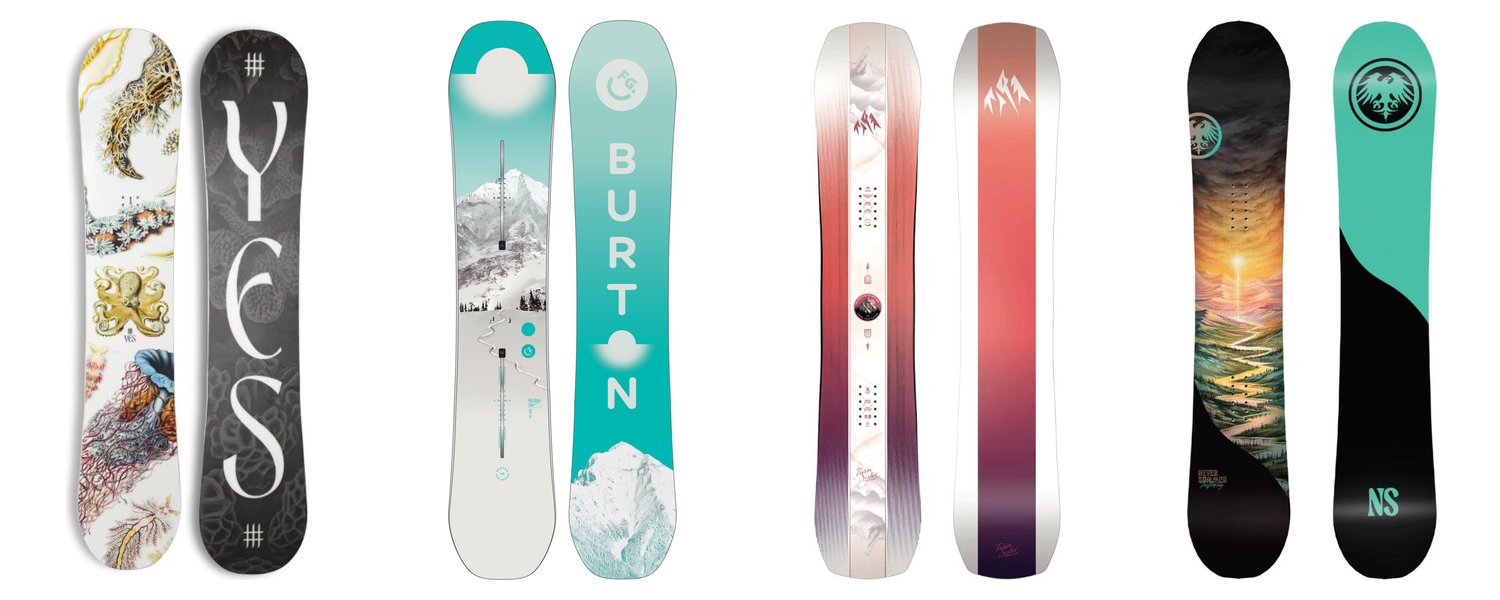
For years the women's wall at most board shops was the smallest one in the building, stocked with shrunken, softened versions of men's boards in pastel graphics. That wall has grown up. The four boards below are flagship designs: one has topped independent women's all-mountain testing, one carries a quarter century of Burton development, one comes out of a solar-powered factory with a bio-resin layup, and one is pressed by hand in Denver. Based on our research of current-season specs, retailer listings, and published test results, these are the women's snowboards worth your money for 2026-27.
Quick Comparison
| Board | Best For | Flex / Profile | Price |
|---|---|---|---|
| YES Hell Yes | Overall | Medium-stiff | CamRock hybrid | ~$580 |
| Burton Feelgood Camber | Carving and speed | Stiff | Full camber | ~$650 |
| Jones Twin Sister | Versatility | Medium | CamRock hybrid | ~$600 |
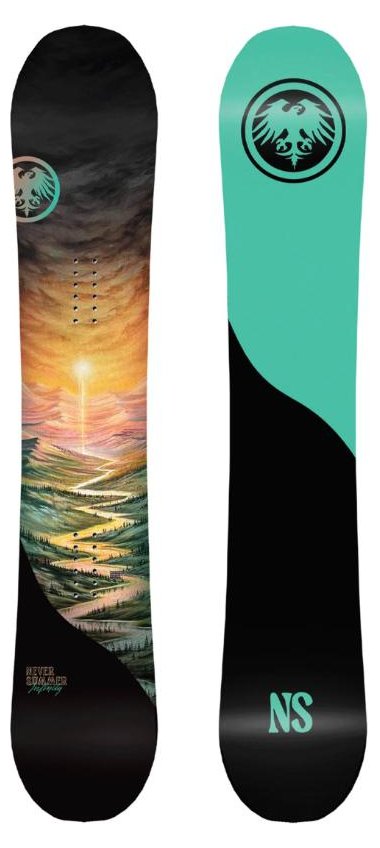
| Never Summer Infinity | Playful all-mountain | Medium | Triple Camber hybrid | ~$600 |
Our Picks
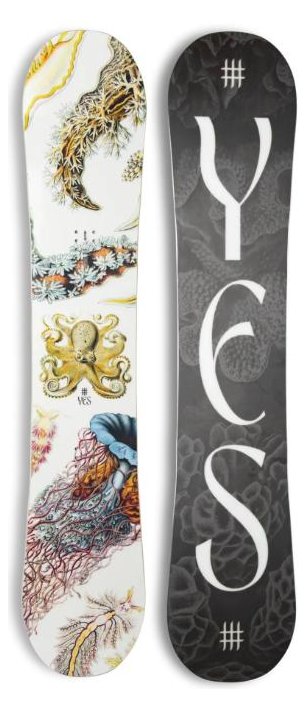
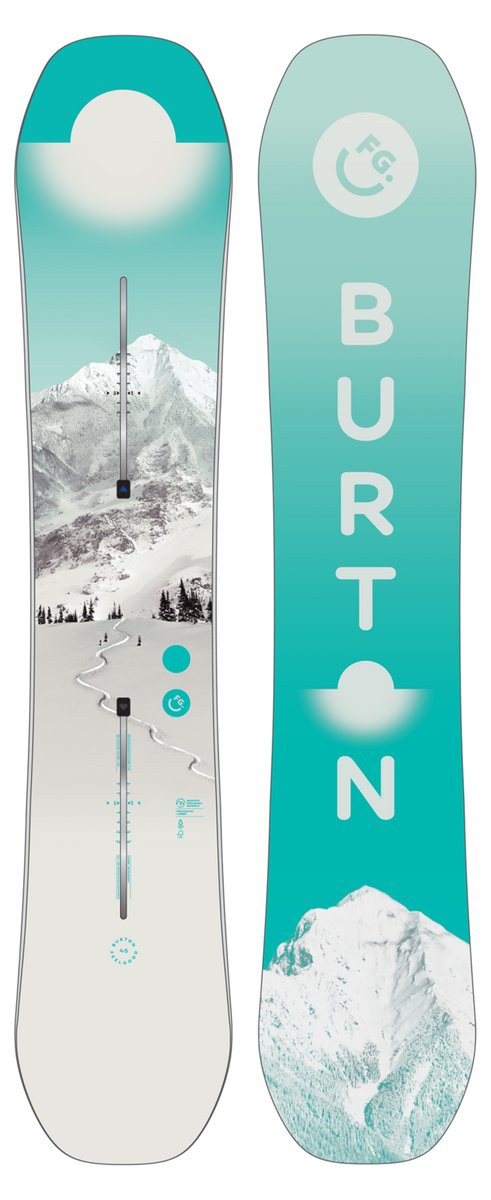
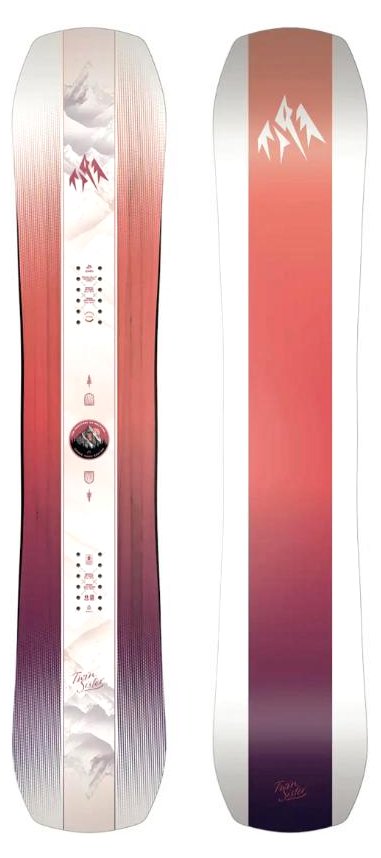
How to Choose a Women's Snowboard
Match the flex to your riding, not your ambition. A stiff board like the Feelgood Camber rewards riders who finish every turn on edge and punishes those still developing that habit. The Infinity and Twin Sister sit in the medium range that most intermediate and advanced riders actually enjoy, and the Hell Yes splits the difference: a stiffer spec that rides friendlier than its number.
Camber profile sets the personality. Full camber (the Feelgood) gives maximum grip and pop with minimum forgiveness. The CamRock hybrids (Hell Yes, Twin Sister) keep camber between the feet and lift the contact points, trading a little bite for a lot of ease. Never Summer's Triple Camber takes its own path, layering cambered zones into a profile that feels looser between turns and stable through them. None of these is wrong; they are three different answers to how much work you want a board to do for you.
Buy by weight range, then boot size. Every size in this guide carries a published rider weight range, and that chart beats any height rule. Check waist width against your boots too: all four run 238-248mm waists, which suit US women's boots up to roughly size 10. Larger feet should look at the Infinity's X (wide) sizes or consider men's boards.
Budget the full setup. All four sell as deck only, so add bindings (roughly $200-350; see our snowboard bindings guide) and boots from our snowboard boots roundup if yours are packed out. A helmet belongs in the budget before any board upgrade does.
Demo if you sit between the Feelgood and everything else. Full camber is a commitment, and ten minutes of riding tells you more than any review whether you want that much board under you. All four brands run demo fleets at major resorts, and most shops credit a demo fee toward purchase.
Frequently Asked Questions
Are women's snowboards really different from men's?
Yes, in ways that matter more on a snowboard than almost any other piece of gear. Women's boards run narrower waists to match smaller boot sizes, softer flex patterns tuned for lighter riders, and shorter length runs. A too-wide board is slow edge to edge no matter how strong the rider is, which is why boot size, not gender, should drive the decision. Riders with US women's boots above size 10 can shop men's boards comfortably.
What length should I choose?
Use the manufacturer's rider weight chart first and your height second. Each size in this guide lists a weight range, and landing in the middle of one is more reliable than any chin-height rule. Size toward the shorter option if you ride trees and switch often, and toward the longer one if you prioritize stability at speed.
Do these boards come with bindings?
No, all four sell as deck only. Any current 2x4-pattern binding fits the YES, Jones, and Never Summer; the Burton uses The Channel system, which major binding brands support. Budget roughly $200-350 for bindings; our snowboard bindings guide covers the options.