The Best Snowboard Helmets of 2025-26: Style, Safety, and Value Picks
Affiliate disclosure: As an Amazon Associate we earn from qualifying purchases. Some links below are affiliate links, see our full disclosure. Recommendations are based on our independent research of current-season gear, specifications, and aggregated expert and user feedback.
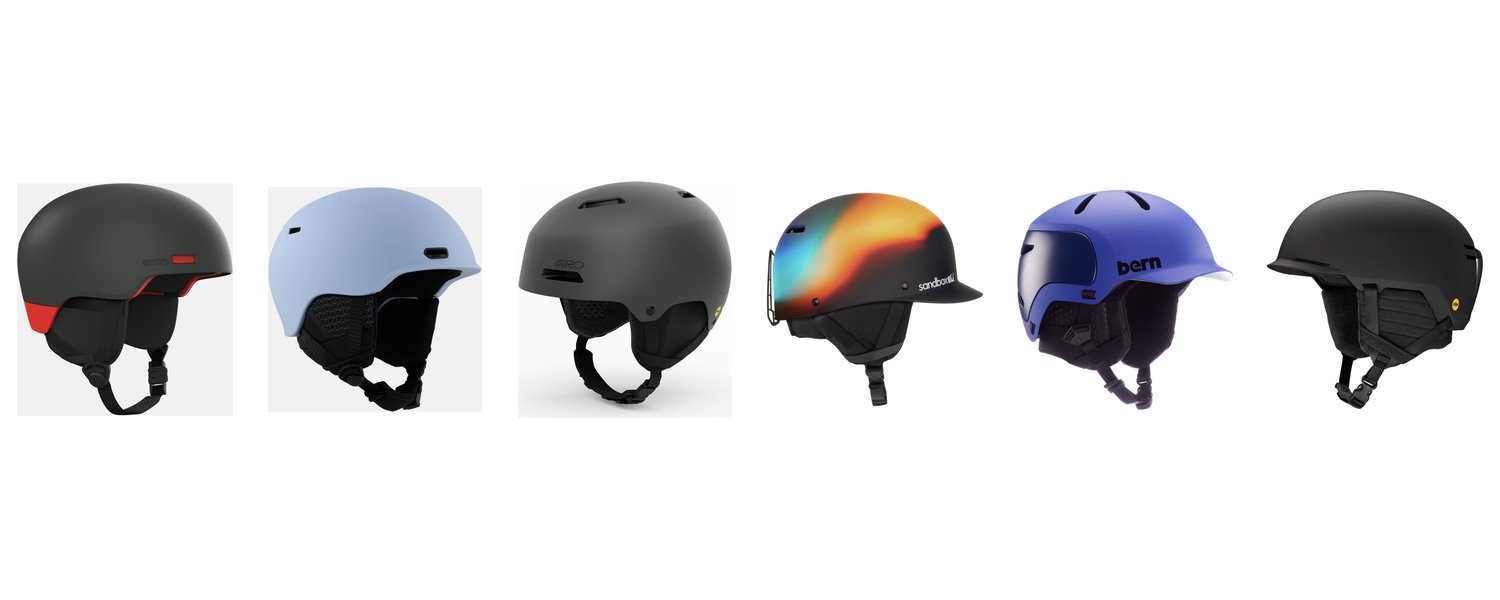
Snowboarders fall differently than skiers. More backward slams, more low-speed catches on rails and boxes, and a lot more sitting down hard on ice. That makes rotational protection and full back-of-head coverage worth extra attention, and it explains why the snowboard side of the helmet wall leans toward skate-inspired shapes with brims and hard shells. Based on our research across current-season models and aggregated rider feedback, these six lids cover everyone from park rats to splitboard-curious all-mountain riders, at roughly $100 to $210. We already cover ski-oriented lids in our ski helmet guide; this list focuses on the styles and technologies riders actually reach for.
Quick Comparison
| Helmet | Best For | Safety Tech | Price |
|---|---|---|---|
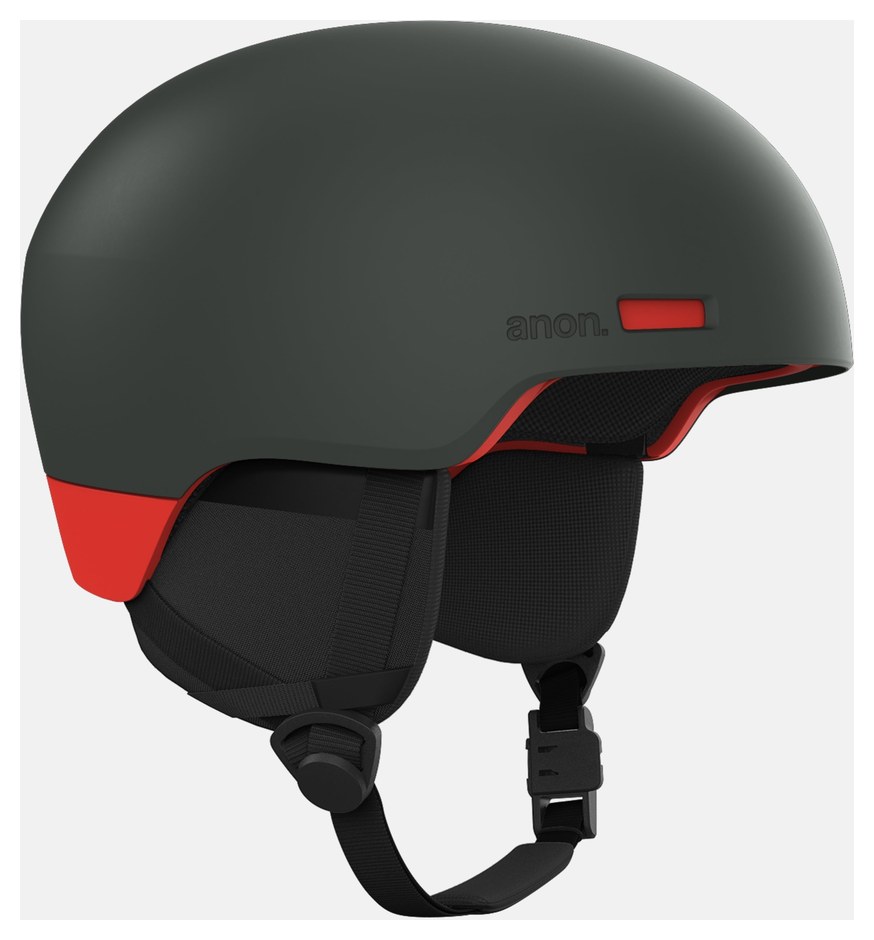
| Anon Windham WaveCel | Overall | WaveCel | ~$180 |
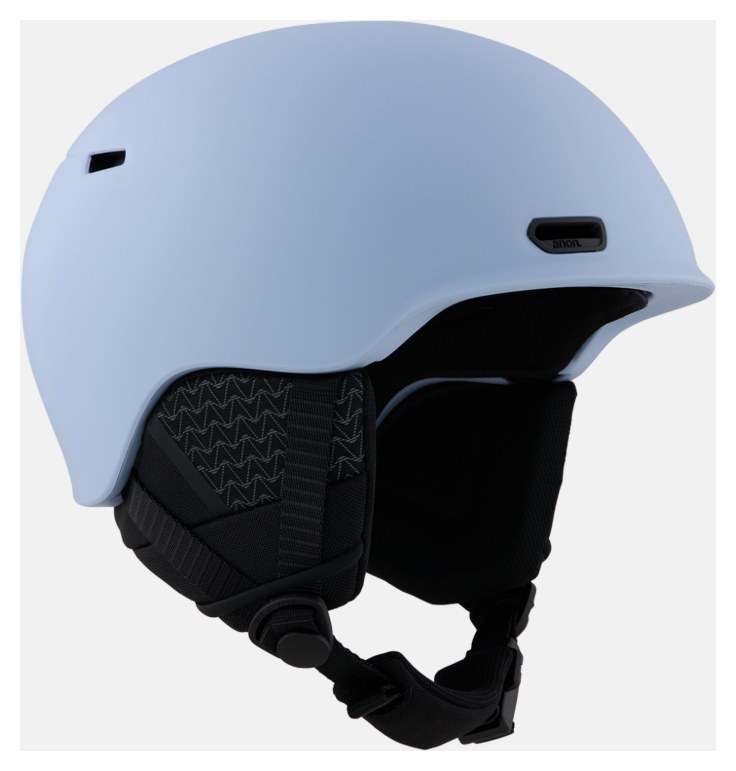
| Anon Oslo WaveCel | Lightweight premium | WaveCel | ~$210 |
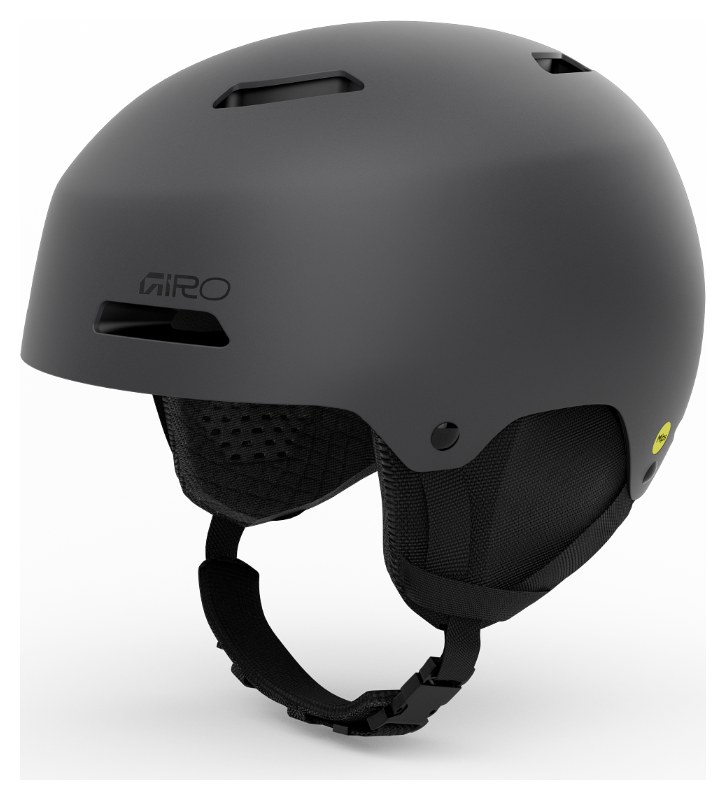
| Giro Ledge MIPS | Value | MIPS | ~$100 |
| Sandbox Classic 2.0 Snow | Park style | Low-profile ABS (MIPS version available) | ~$120 |
| Bern Watts 2.0 MIPS | Year-round versatility | MIPS | ~$170 |
| Smith Scout MIPS | Budget MIPS | MIPS | ~$115 |
Our Picks
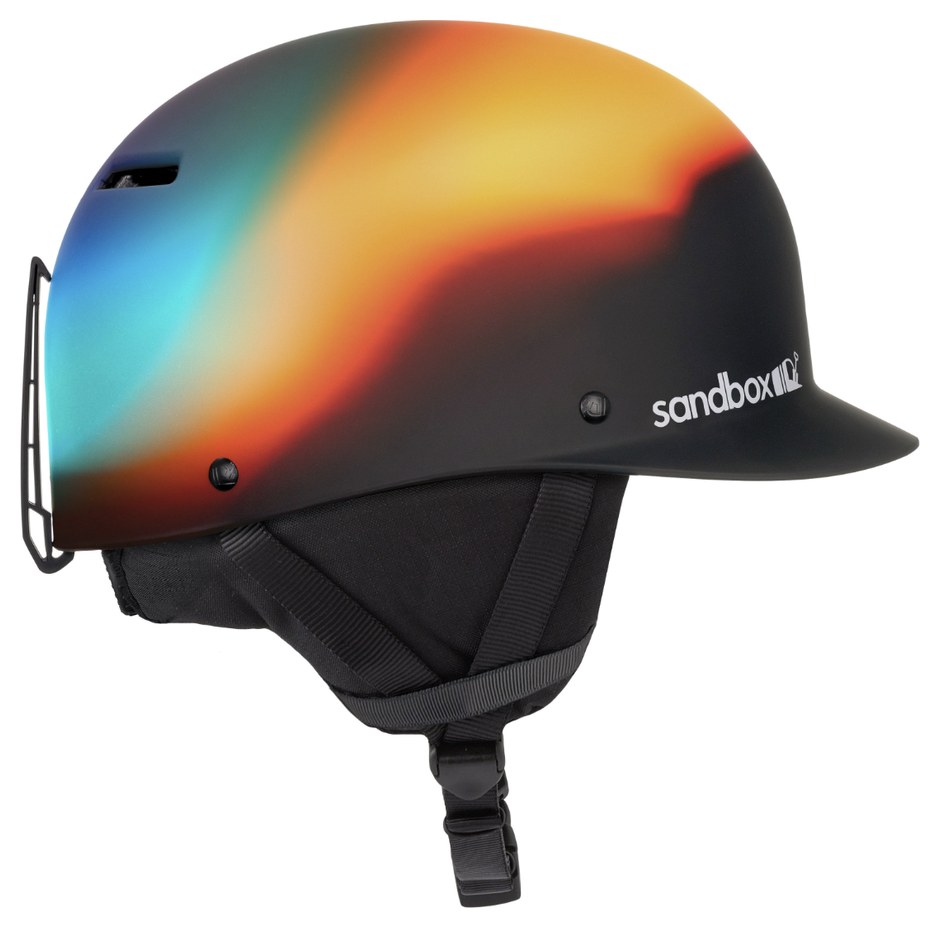
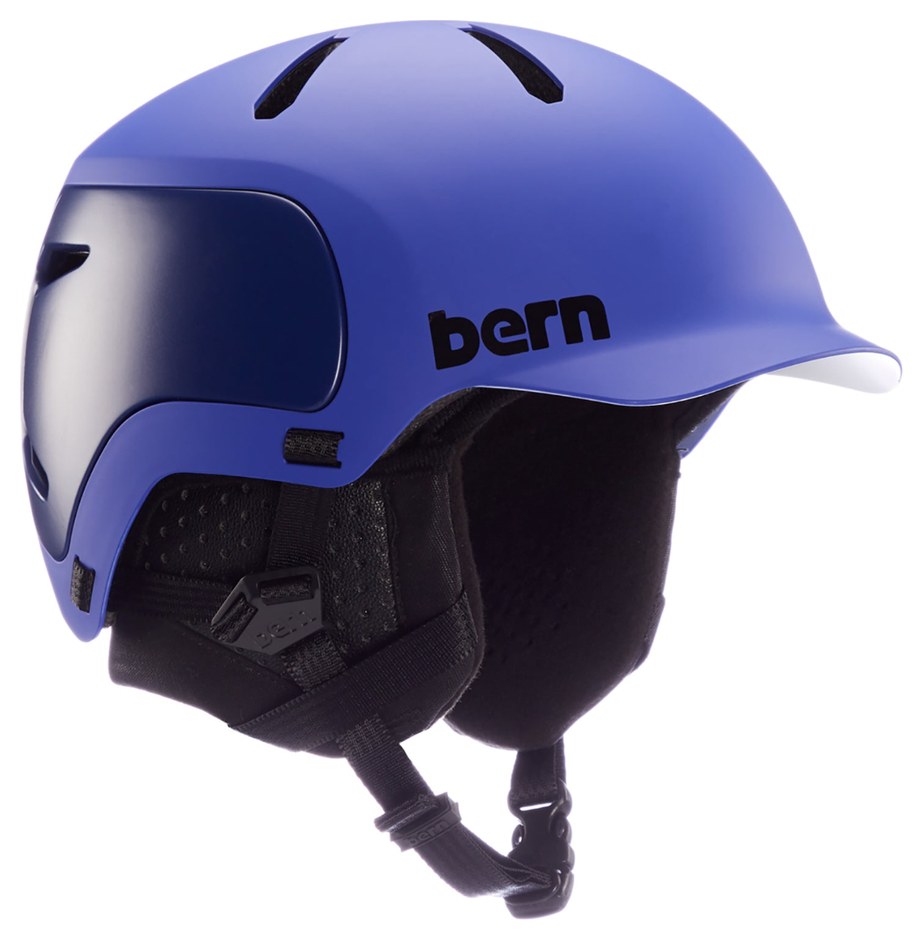
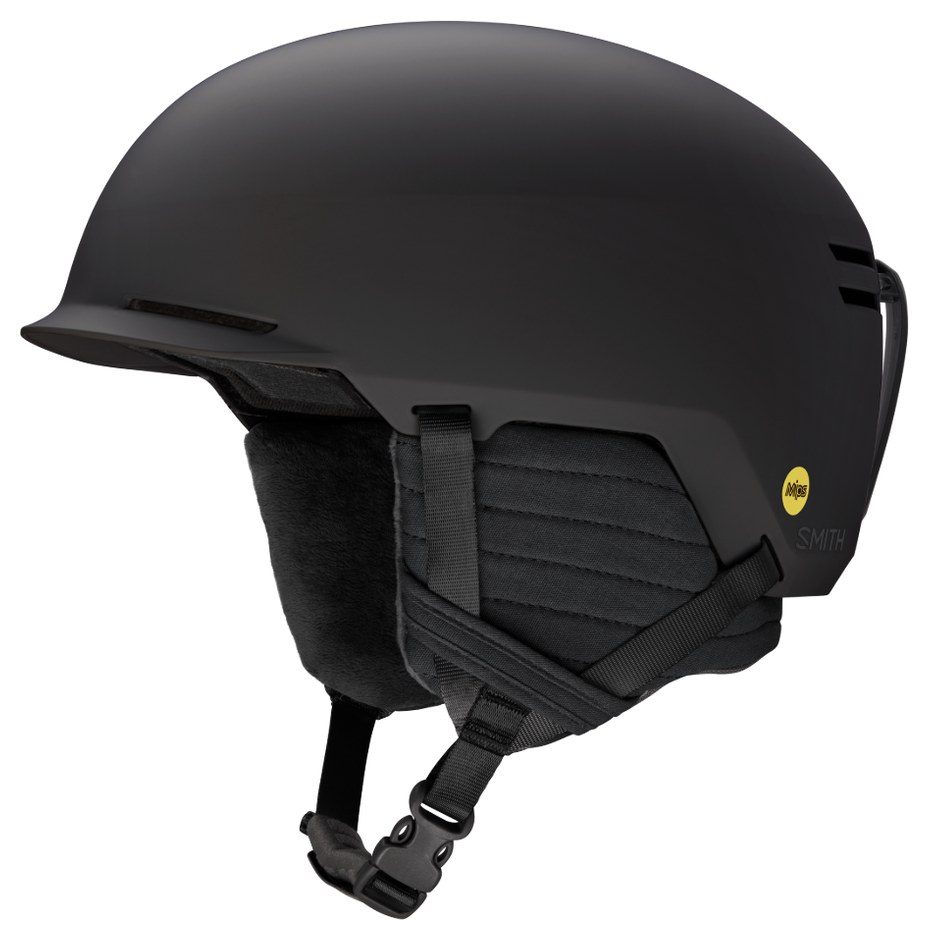
How to Choose a Snowboard Helmet
Get the fit right before anything else. Measure around your head just above the eyebrows and check each brand’s size chart; sizing breaks differ between Anon, Giro, and Sandbox in particular. The helmet should grip your scalp when you shake your head, with no gap above the goggle frame. That gap, the dreaded gaper gap, usually means the helmet is tilted back or a size too big.
Pick a rotational protection system. MIPS uses a low-friction inner layer that lets the helmet rotate slightly around your head in an angled crash. WaveCel takes a different route: a collapsible cell structure that crumples like a car’s crush zone and flexes to redirect rotation. Both approaches beat a plain foam lid; independent test labs currently score several WaveCel and MIPS models near the top of the field. Only the base Sandbox Classic on this list skips rotational tech, and it offers a MIPS upgrade we recommend.
Think about how you run hot. Park riders doing short intense laps tend to prefer fixed vents and a beanie underneath. If you ride full days or in spring slush, adjustable or generously vented designs like the Windham will earn their keep.
Check goggle compatibility with your actual goggles. Brimmed helmets like the Classic and Watts sit differently over large-frame goggles. Most fit fine, but if you ride oversized frames, trying the pair together before a trip saves an annoying season of readjusting.
Snowboard vs Ski Helmets: Is There a Difference?
Certification-wise, no. Every helmet here meets the same ASTM F2040 and CE EN 1077 snow-sport standards as the lids in our ski helmet guide, and nothing stops a skier from wearing a Sandbox or a snowboarder from wearing a Smith Vantage. The difference is design culture: snowboard-oriented helmets favor hard shells that shrug off rail dings, brims, muted matte colorways, and audio-ready earpads, while ski-oriented lids chase grams and airflow. Buy for your riding, not the label.
Frequently Asked Questions
Is WaveCel better than MIPS?
They solve the same problem differently, and independent lab results put top models from both camps close together. WaveCel adds a bit of weight and cost but handles linear and rotational forces with one structure. MIPS is lighter and appears in far more helmets at more price points. Either is a meaningful upgrade over plain EPS foam; the best helmet is the one that fits your head properly.
Can I wear my snowboard helmet for biking in summer?
Only if the manufacturer certifies it for both. The Bern Watts 2.0 is designed for exactly that dual life with its removable winter liner. Most snow-only helmets lack the bike certification and the hot-weather venting, so check the sticker inside the shell before you commute in one.
Do I need to replace a helmet after one crash?
After any significant impact, yes. EPS foam and WaveCel structures are engineered to sacrifice themselves once, and damage isn’t always visible from outside. Manufacturers also suggest replacement roughly every five seasons of regular riding, since sweat, UV, and temperature cycles degrade the materials.
What about audio?
Most helmets here have earpads that accept drop-in speaker kits, sold separately. They work well for groomer laps; just keep the volume low enough to hear what’s coming, because your ears are part of your safety equipment too.