The Best Snowshoes of 2026/27
Affiliate disclosure: As an Amazon Associate we earn from qualifying purchases. Some links below are affiliate links, see our full disclosure. Recommendations are based on our independent research of current-season gear, specifications, and aggregated expert and user feedback.
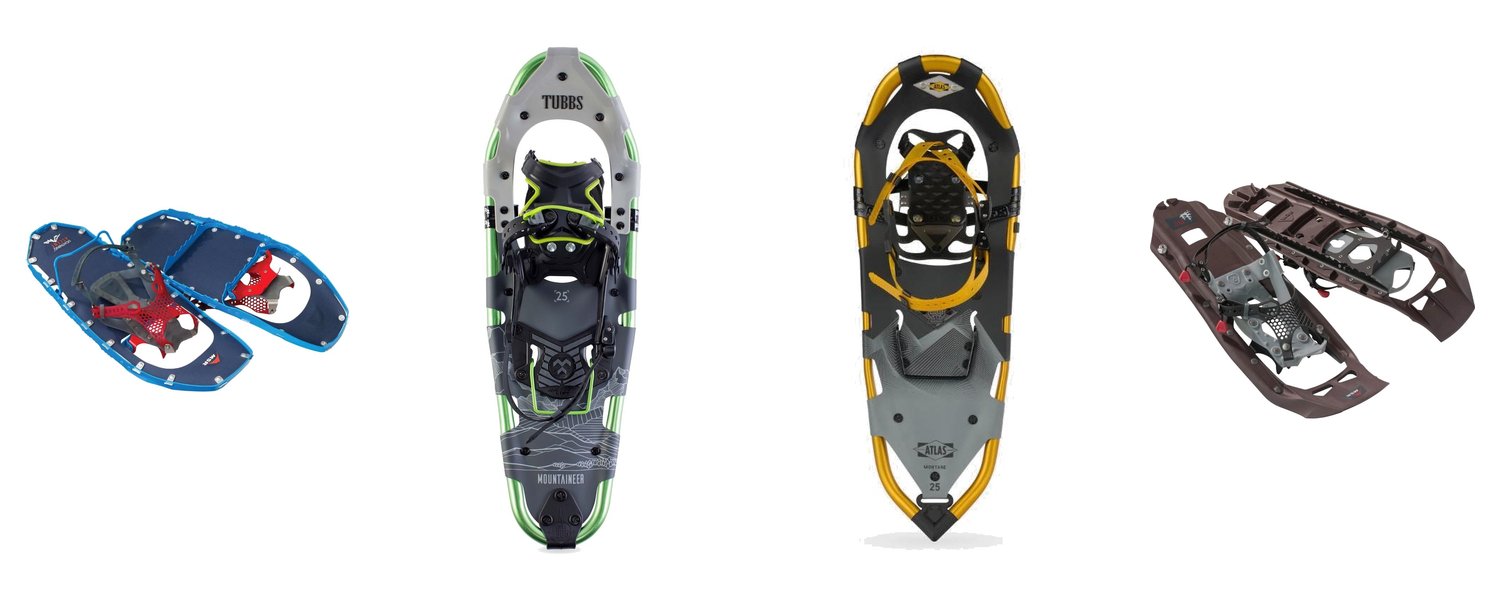
Snowshoes are the cheapest ticket into the winter mountains: no lift pass, no lessons, no technique barrier beyond walking. The gear decision still matters, because a shoe built for a packed nature trail behaves very differently from one built for a steep, icy ridgeline, and buying the wrong one shows up fast as sore hips or a backwards slide. Based on our research across current-season specs, published reviews, and owner feedback, these four cover the field for 2026/27: a technical benchmark, a deep-powder float machine, a do-most-things classic, and a near-indestructible budget pick at about $180.
Sizing rule that saves money: snowshoe load ratings mean your body weight plus boots, clothing and pack. Buy the smallest shoe whose load range covers that total for the snow you actually walk. On packed or rolling trails, smaller shoes walk more naturally; you only need big flotation decks for untracked powder.
Quick Comparison
| Pick | Best For | Sizes | Heel Lift | Price |
|---|---|---|---|---|
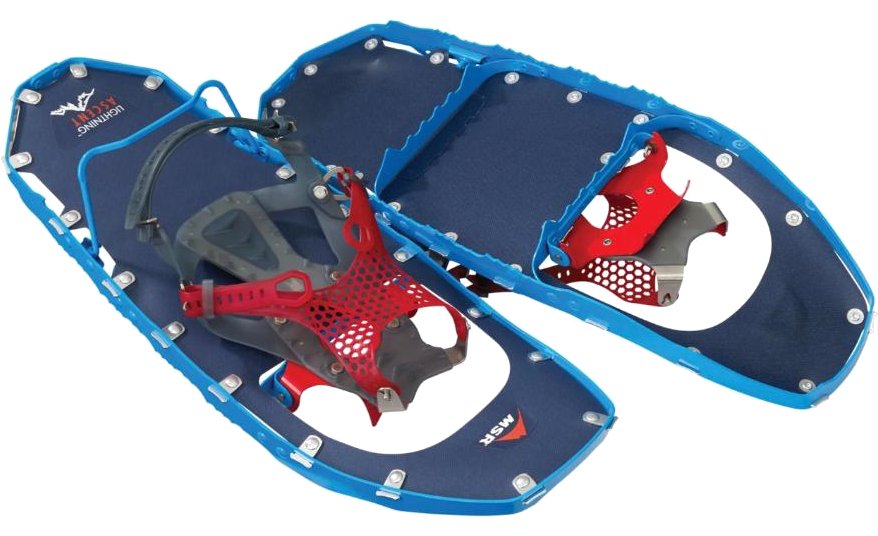
| MSR Lightning Ascent | Steep and icy terrain | 22, 25, 30 in | Yes | ~$400 |
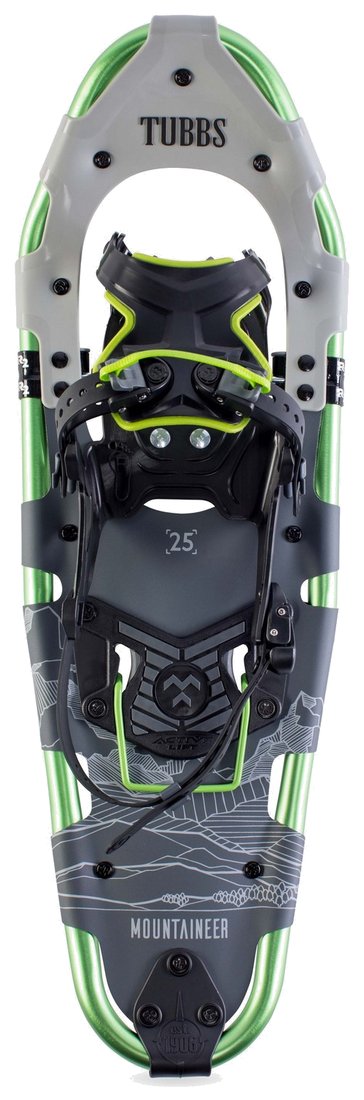
| Tubbs Mountaineer | Deep powder, heavy loads | 25, 30, 36 in | Yes | ~$280 |
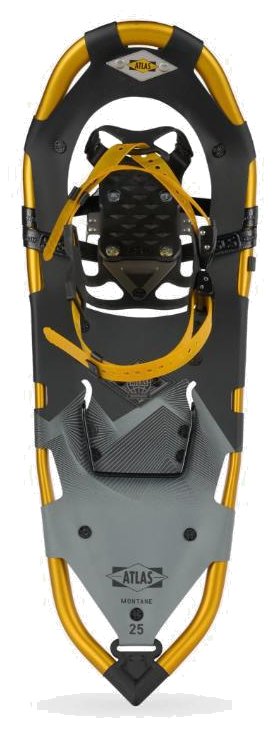
| Atlas Montane | All-round backcountry | 25, 30, 35 in | Yes | ~$250 |
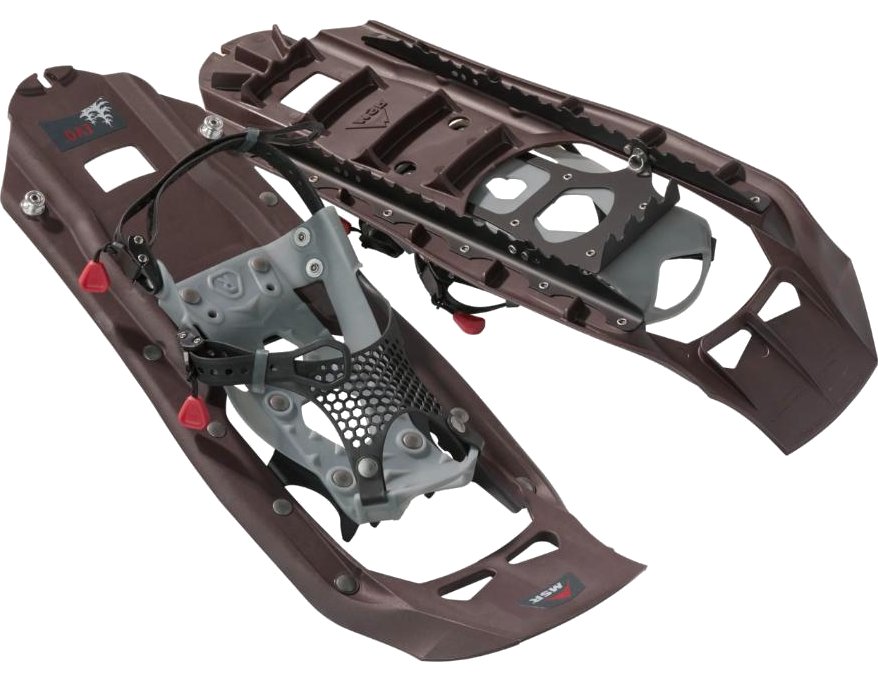
| MSR Evo Trail | Packed trails, value | 22 in only | No | ~$180 |
Our Picks
How to Choose Snowshoes
Match the shoe to your terrain, not the catalog photo. Flat, packed trails need little more than basic traction and a comfortable binding; the Evo Trail covers that for $180. Rolling hills and fresh snow reward flotation and a heel lift, where the Montane and Mountaineer live. Steep, icy, consequential ground is where the Lightning Ascent's full-perimeter teeth stop being a luxury.
Size by total load, then round down. Makers publish a load range per length that means body plus pack. A 180-pound hiker with a day pack lands around 200 pounds: a 25-inch shoe in most lines. Oversized shoes float marginally better and walk noticeably worse; most people are happier on the smaller size with tails in reserve for powder days.
Bindings decide how much you enjoy this. Strap bindings like the Tubbs ActiveFit and Atlas Wrapp-BC are simple and field-fixable but need a half-minute of fiddling per foot. MSR's Paragon mesh stays set between outings. Whatever you choose, practice one latch-up in the living room; doing it first at a trailhead in spindrift is a rite of passage nobody enjoys.
Heel lifts matter more than they look. A flip-up bar under the heel takes the stretch out of calves on sustained climbs. Three of our four picks have one; the Evo Trail does not, which is fine for its intended rolling terrain and a real limitation beyond it.
Budget for the full kit. Poles with snow baskets are near-mandatory (collapsible models like the BD Traverse work perfectly), waterproof boots and gaiters keep the day pleasant, and warm layers do the rest; our base layer guide and ski sock guide apply directly. All-in, a complete setup starts around $300 with the Evo Trail and tops out near $600 with the Lightning Ascent.
Frequently Asked Questions
What size snowshoes do I need?
Size by total load: your body weight plus boots, clothing and pack. Every maker publishes a load range per length, and the right size is the smallest one that covers your total on the snow you actually walk. Packed trails need far less surface area than untracked powder, which is why 22 to 25 inch shoes cover most people most of the time.
Do I need special boots for snowshoeing?
No. Any waterproof, insulated winter hiking boot works, and that is what the bindings here are designed around. Stiff mountaineering boots and bulky pac boots also fit most bindings, but check strap length first. Pair them with warm socks and gaiters for deep snow.
Do I need poles for snowshoeing?
Strongly recommended. Poles with winter baskets take real strain off your knees on descents, help balance on sidehills, and make getting up after a fall in deep snow far easier. Any adjustable trekking or ski pole with a snow basket works.