The Best Ski Bibs of 2026/27
Affiliate disclosure: As an Amazon Associate we earn from qualifying purchases. Some links below are affiliate links, see our full disclosure. Recommendations are based on our independent research of current-season gear, specifications, and aggregated expert and user feedback.
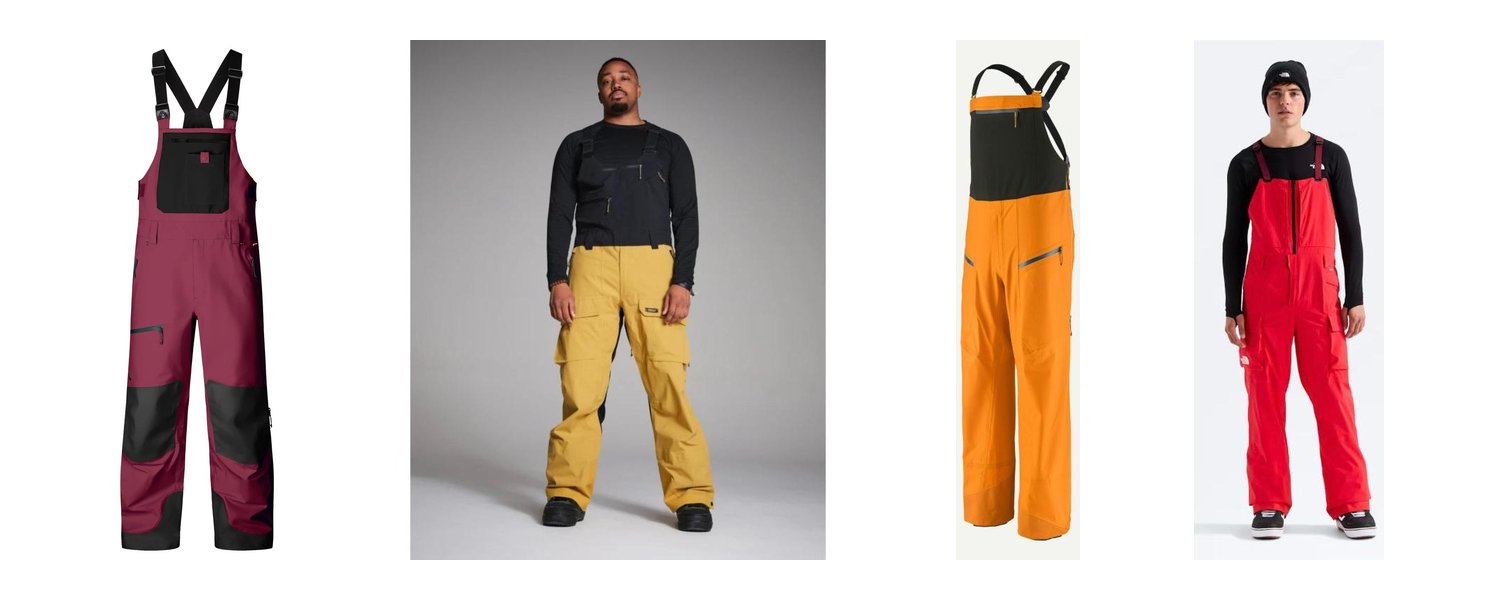
Once you ski a storm day in a bib, regular ski pants feel like a compromise. No snow down the back on deep days, no waistband digging under a jacket, and a chest pocket that holds a phone where it stays warm. The category has exploded in the last five years, from patroller workwear to the default choice of half the lift line, and the 2026/27 field is the strongest yet. The four bibs below cover the main buying situations: a do-everything resort workhorse, a deep-snow specialist with the widest size range in the business, a featherweight for the skin track, and a budget pick that gets the essentials right. All are current-season men’s models; our women’s ski pants guide covers the women’s equivalents, including the Flylow Foxy Bib.
Quick Comparison
| Bib | Best For | Fabric | Weight | Price |
|---|---|---|---|---|
| Flylow Baker Bib | Overall / resort | Intuitive 3L, 20k/20k | ~940 g | ~$480 |
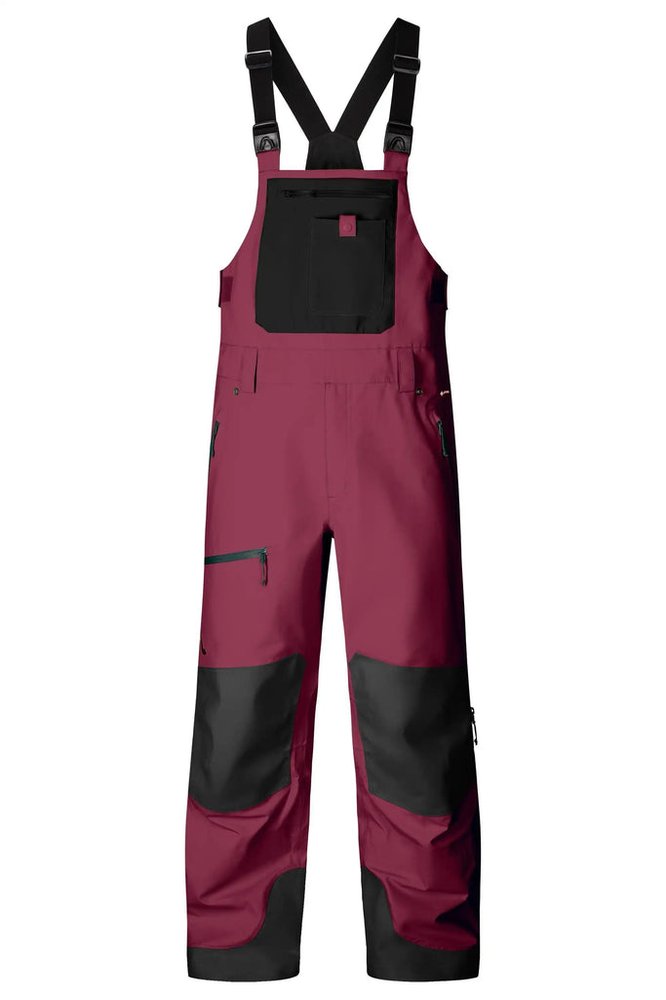
| Trew TREWth Bib Primo | Deep snow, sizing range | PNW Primo 3L, 20k/20k | ~900 g | ~$600 |
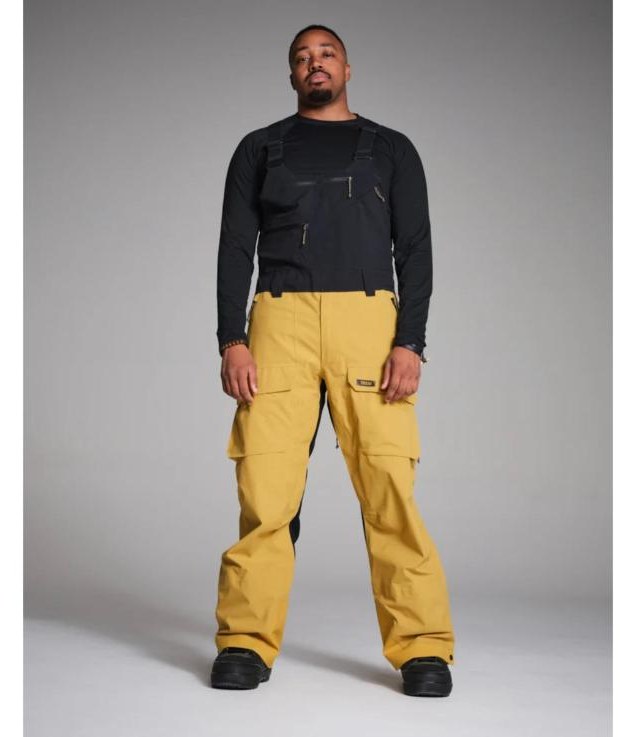
| Patagonia SnowDrifter Bib | Touring / high output | H2No 3L stretch | ~650 g | ~$420 |
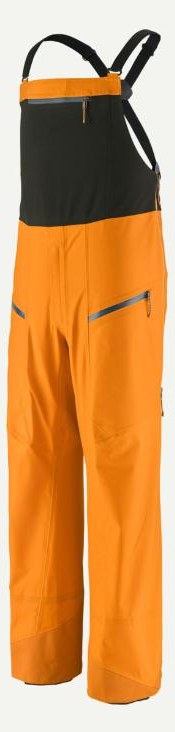
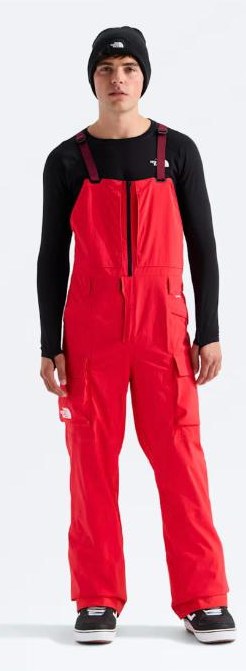
| The North Face Freedom Bib | Budget resort | DryVent 2L stretch | ~700 g | ~$280 |
Our Picks
How to Choose a Ski Bib
Bibs versus pants is mostly about snow and storage. A bib seals the waist gap on deep days, adds a chest pocket that keeps a phone battery alive, and never sags under pocket weight. The cost is convenience: bathroom stops take longer, and you commit to the look. If you ski mostly groomers in a dry climate, our ski pants guide has simpler options; if powder days are the point, a bib wins.
2-layer or 3-layer decides breathability. A 2L fabric like the Freedom’s DryVent bonds the membrane to the face and hangs a loose liner inside; it is cheaper and a touch warmer, but moisture moves out slowly. A 3L laminate like the Baker’s Intuitive or Patagonia’s H2No sandwiches the membrane between face and backer, breathing better and packing smaller. Skiers who hike, tour or run hot should treat 3L as the floor.
Fit around the inseam, not just the chest. Bibs are long garments, and a wrong inseam shows up as bunched cuffs or exposed socks. Three of our four picks come in multiple inseam lengths; use them instead of sizing the whole bib up or down. Roomy freeride cuts like the Baker also pair best with a longer jacket so the silhouette works.
Think about vents and exits before you need them. Inner-thigh vents are the minimum. Long outer side zips, like the Baker’s 68 cm zipper or the SnowDrifter’s full-length zips, double as entries, dumps for spring heat, and the answer to the bathroom question. Dedicated drop seats are becoming rare; none of our four picks has one, so the side-zip design matters more.
Premium alternatives exist if budget is no object. We cover the $700 Gore-Tex Arc’teryx Sabre Bib separately: it is the lightest full-protection resort bib made, for a price that buys the Freedom Bib two and a half times.
Frequently Asked Questions
Are ski bibs warmer than ski pants?
Slightly, even uninsulated. The chest and back coverage blocks wind at the waist and traps a layer of warm air, and there is no gap when you bend forward on a cold chairlift. Warmth still comes mainly from what you layer underneath.
What should I wear under ski bibs?
A wicking base layer on the legs, and on top whatever the day calls for; the bib front counts as roughly an extra half layer. See our base layer guide for fabric choices, and skip cotton everywhere.
Can I use a resort bib for backcountry touring?
For occasional sidecountry laps, yes, if it vents well. For regular skin-track days the weight and warmth of resort bibs work against you, which is why the stretchy, breathable SnowDrifter exists. Whatever you wear, carry proper avalanche safety gear beyond the ropes.
Do ski bibs run big?
Freeride-styled bibs like the Flylow Baker run roomy by design, and most published fit notes suggest sizing down between sizes. Trimmer builds like the SnowDrifter run closer to true. Check each brand’s inseam options before changing the whole size.