The Best Carving Skis of 2026/27: Four Skis That Love Groomers
Affiliate disclosure: As an Amazon Associate we earn from qualifying purchases. Some links below are affiliate links, see our full disclosure. Recommendations are based on our independent research of current-season gear, specifications, and aggregated expert and user feedback.
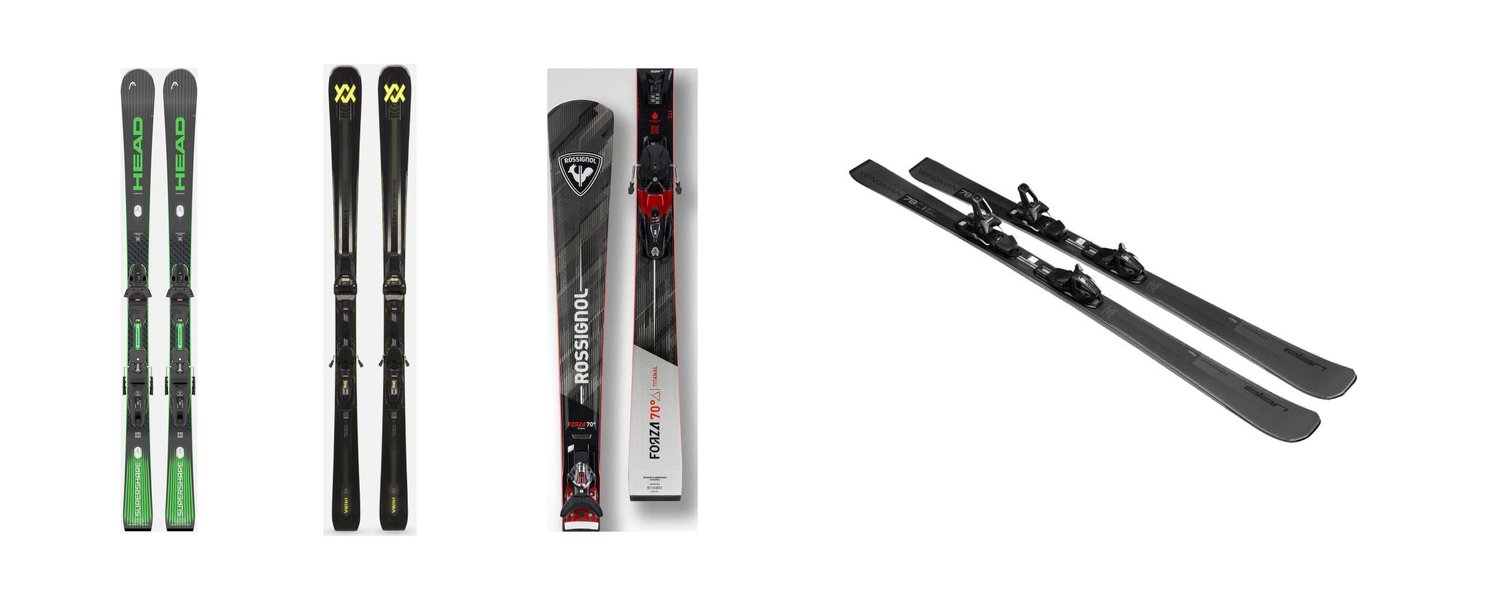
Most skiers spend most of their days on groomed snow, yet most skis are sold on powder dreams. A carving ski flips that logic. Narrow waist, deep sidecut, camber underfoot: it grips where a 100mm all-mountain ski skids, and it turns an ordinary Tuesday groomer into the best run of your month. The four below cover the real spread of carving buyers for 2026/27, from a race-bred short-turn specialist to a friendly ~$600 setup for skiers just learning what edge angle feels like. All four come as systems with matched bindings. Based on our research of current-season specs, brand materials, and aggregated expert and owner feedback, these are the carving skis worth your money this winter.
Quick Comparison
| Ski | Best For | Waist / Radius | Price |
|---|---|---|---|
| Head Supershape e-Magnum | Overall | 72mm | ~13m at 170 | ~$1,100 w/ bindings |
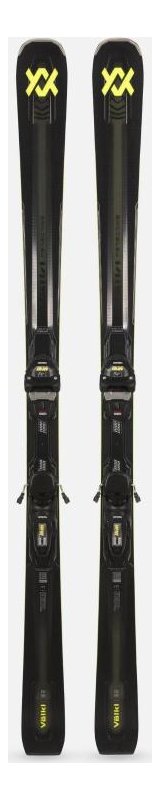
| Völkl Peregrine 82 | Carving plus variety | 82mm | ~15m at 177 | ~$1,200 w/ bindings |
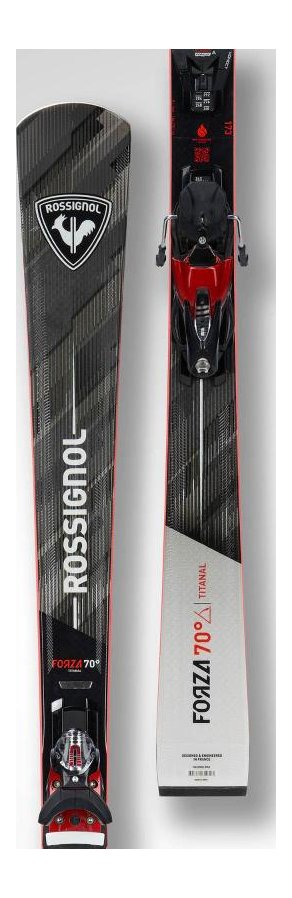
| Rossignol Forza 70 Ti | Speed and edge angle | 77mm | ~14m at 173 | ~$1,050 w/ bindings |
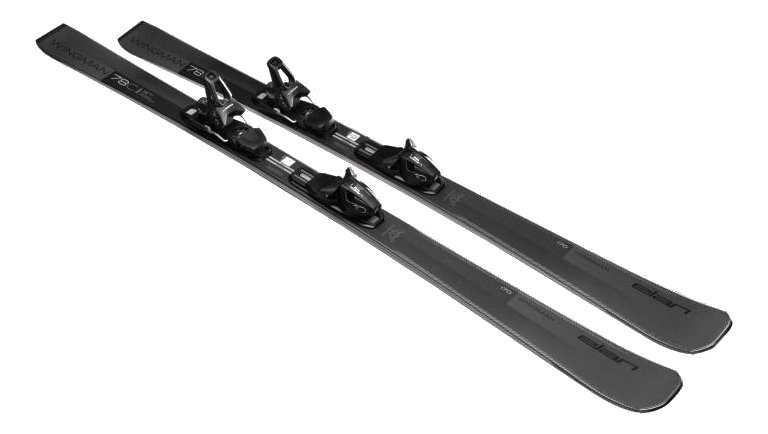
| Elan Wingman 78 C | Progressing carvers | 79mm | ~13m at 168 | ~$600 w/ bindings |
Our Picks

How to Choose a Carving Ski
Waist width sets the personality. Under 75mm (the e-Magnum, the Forza) means lightning edge-to-edge changes and maximum grip, at the cost of misery in soft or chopped snow. 78-82mm (the Wingman, the Peregrine) gives up a beat of quickness for genuine versatility. If your mountain grooms everything, go narrow; if afternoon crud is part of your day, go wider. For soft-snow-first skis, our all-mountain ski guide is the better list.
Radius matters more than length. A 13-15m radius is the sweet spot for recreational carving: short enough to finish round turns on a normal trail, long enough to stay stable when you let the ski run. Length still follows the usual rule of chin-to-forehead height, and carvers ski shorter than all-mountain skis; our deep-dives list the length tables so you can match your height and weight to a real size.
Camber is the engine. All four picks are mostly or fully cambered, with at most a short early-rise tip. That stored energy is what snaps you out of one turn and into the next, and it is also why a carving ski feels hooky to someone who pivots and skids. Be honest about which skier you are; the Wingman 78 C exists precisely for the transition.
Systems bindings are normal here. Every pick ships with a matched, GripWalk-compatible system binding that sits low and spreads flex evenly, and a shop still needs to mount and adjust it to your boot. If you are also due for boots this season, sort the boot first; our ski boots guide and boot sizing guide cover that order of operations.
Keep the edges sharp. A carving ski with dull edges is a cruiser with extra attitude. A 1-degree base and 2-3 degree side bevel, touched up every few days on snow, is what keeps these skis doing the thing you bought them for. A basic kit from our tuning kit guide pays for itself in a season.
Frequently Asked Questions
What makes a carving ski different from an all-mountain ski?
Width and shape. Carving skis run roughly 68-82mm underfoot with deep sidecut and full or near-full camber, so they roll onto edge faster and hold a cleaner arc on hard snow. All-mountain skis trade some of that grip for 85-100mm of width and more rocker, which survive powder and crud far better. On a groomed trail, the carver wins every time.
Can an intermediate skier use a carving ski?
Yes, and it is often the fastest way to improve, provided the ski matches your level. The Elan Wingman 78 C is built for exactly that skier. The mistake is buying a stiff, race-bred carver like the Forza 70 Ti to grow into: a ski you cannot bend will not finish its turns, and it teaches bad habits instead.
What length carving ski should I buy?
Shorter than your all-mountain ski, usually chin to nose height. The deep sidecut does the turning, so extra length just adds work. Heavier or faster skiers size up one step for stability; lighter skiers and newer carvers size down. Published sizing feedback on our four picks runs true to these ranges, and each deep-dive covers the specific length question.