Elan Wingman 78 C Review
Affiliate disclosure: As an Amazon Associate we earn from qualifying purchases. Some links below are affiliate links, see our full disclosure. This breakdown is based on our independent research of current-season specifications and aggregated expert and user feedback.
The quick verdict: The carving ski that meets you where you are. Elan's Amphibio design builds a dedicated left and right ski, cambered on the inside edge for grip and rockered on the outside for forgiveness, so clean turn initiation comes almost free. Light, friendly, and around half the price of the premium carvers it imitates. ~$600 with bindings
Overview
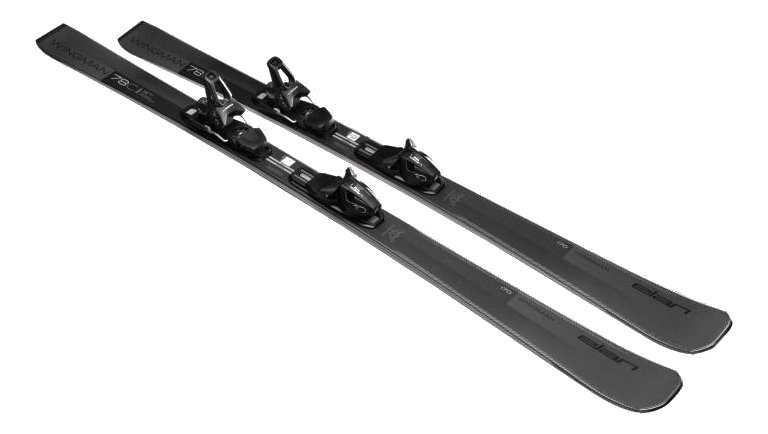
Elan's Wingman family covers the frontside range from relaxed cruisers to Titanal chargers, and the 78 C is the volume seller: the carbon-reinforced model aimed squarely at progressing skiers. Elan's own positioning is refreshingly honest about it, describing a ski that blends lightweight handling with steady edge grip for skiers still building their technique. Stable, easy, and light on its feet is the brand's summary, and for once the marketing matches the spec sheet.
The headline technology is Amphibio, and it is genuinely different: each ski in the pair is built specifically as a left or a right. The inside edge carries camber for grip, precision, and stability; the outside edge carries rocker for smooth turn entry and forgiveness when your weight drifts. Around that asymmetric profile Elan laminates a dual wood core with carbon reinforcement along the PowerLine spine, adds an early-rise tip, and finishes with a sintered base. The package ships with Elan's EL 10.0 GW Shift binding on an integrated rail, and the brand backs it with a two-year warranty.
Key Specs
| Spec | Elan Wingman 78 C |
|---|---|
| Dimensions | 127 / 79 / 110 mm at 168cm (retailer spec; waist 78-80mm by length) |
| Turn radius | ~10.8m at 152cm up to ~14.4m at 174cm |
| Lengths | Seven lengths from 130 to 178cm (brand site) |
| Profile | Amphibio: cambered inside edge, rockered outside edge, early-rise tip |
| Construction | Dual wood core, carbon PowerLine reinforcement, hybrid sidewalls, sintered base |
| Weight | ~2,700-2,800g per ski with binding (retailer spec) |
| Binding | Elan EL 10.0 GW Shift system, DIN 3-10 |
| Ability level | Progressing beginner to intermediate |
| Warranty | 2-year manufacturer warranty (brand site) |
| Price | ~$600 with bindings (US retail) |
Sizing & Fit
The length range is unusually wide, running from kid-adjacent 130s up to 178cm, which makes the Wingman 78 C one of the few carving skis a whole family can size from. The standard advice holds: chin-to-nose height for most buyers, so around 168cm for an average man and 154-162cm for most women and lighter skiers. The radius tightens meaningfully in shorter lengths, 10.8m at 152 versus 14.4m at 174 per retailer spec tables, so sizing down also buys quicker turns. One honest caution lives in the binding: the EL 10.0 tops out at DIN 10, plenty for the intended rider and thin for heavy or aggressive experts, who have outgrown this ski anyway. Any GripWalk or alpine boot works, and a comfortable 80-100 flex boot from our boots guide matches the ski's character; sort sizing with our boot sizing guide first.
Where It Shines
- Turn initiation: the rockered outside edge starts the turn early and smoothly, the core Amphibio benefit the brand designs for and owner feedback echoes
- Forgiveness: weight drifting inside or aft gets a gentle correction, not a hook; confidence builds fast
- Light handling: low swing weight makes short turns and end-of-day legs easier, per brand positioning and retailer notes
- Value: ski plus binding lands around $600, roughly half the price of the other picks in our carving guide
- Family-friendly length run and a 2-year warranty, both rare at this price
Tradeoffs to Know
- There is a ceiling: the soft-medium flex and carbon-only reinforcement give up grip at high speed and on true ice, where Titanal skis like the Forza 70 Ti stay planted
- The DIN 10 binding cap excludes heavier experts and anyone trending toward race settings
- Asymmetric left/right skis mean paying attention at the lift line; swap them and the design works against you
- Resale and prestige are modest; this is a tool for a stage of progression more than a forever ski
Who It's For
Progressing beginners through intermediates who are ready to stop skidding and start carving, skiers returning after years away, and lighter skiers who find traditional carvers like the e-Magnum exhausting. It is also the easy recommendation for a first owned setup after rentals: the total cost beats two seasons of rental counters, a math problem our first skis guide walks through.
Who Should Skip It
Confirmed advanced skiers will flex past what the 78 C offers within a season; the Supershape e-Magnum or Forza 70 Ti are the lasting buys there. Skiers who want one ski for groomers plus regular off-piste wandering should spend up for the Peregrine 82 instead of asking this frontside design to float.
How It Compares
The Head Supershape e-Magnum is what the Wingman grows into: twice the price, double the metal, and a reward structure that assumes finished technique. Buy the Elan to build the skill, the Head once the skill is built.
The Völkl Peregrine 82 costs twice as much and earns it with Titanal stability and genuine mixed-snow range. Strong intermediates who ski 15+ days a season may be happier jumping straight to the Völkl; ten-day-a-year skiers get better value here.
The Rossignol Forza 70 Ti is the opposite end of this guide: full camber, race manners, and zero patience for back-seat inputs. Nobody should cross-shop these two directly; they bracket the carving journey from either end.
See the full lineup in our guide: The Best Carving Skis of 2026/27.
Frequently Asked Questions
What does Amphibio actually do?
Each ski is built as a dedicated left or right. The edge you carve on, the inside edge of each turn, keeps traditional camber for grip; the outside edge gets rocker so the ski engages gradually and releases without catching. In practice it makes clean turn entry noticeably easier for developing skiers, which is exactly the design brief.
Is the Wingman 78 C good for beginners?
True first-timers can learn on it, and its forgiveness suits them, though a rental or softer ski is cheaper for the first few days. Its sweet spot is the advanced beginner through intermediate who skis a week or three per season and wants equipment that accelerates progression rather than capping it.
What is the difference between the Wingman 78 C and 78 Ti?
The reinforcement layer. The C uses carbon, keeping the ski lighter and more forgiving; the Ti adds a titanium alloy layer for more damping and hard-snow grip at higher speeds, at a higher price and with more demanding manners. Progressing skiers are better matched to the C; strong intermediates pushing advanced terrain can consider the Ti.