The Best Ski Boots of 2026-27: Five Boots for Real Feet
Affiliate disclosure: As an Amazon Associate we earn from qualifying purchases. Some links below are affiliate links, see our full disclosure. Recommendations are based on our independent research of current-season gear, specifications, and aggregated expert and user feedback.
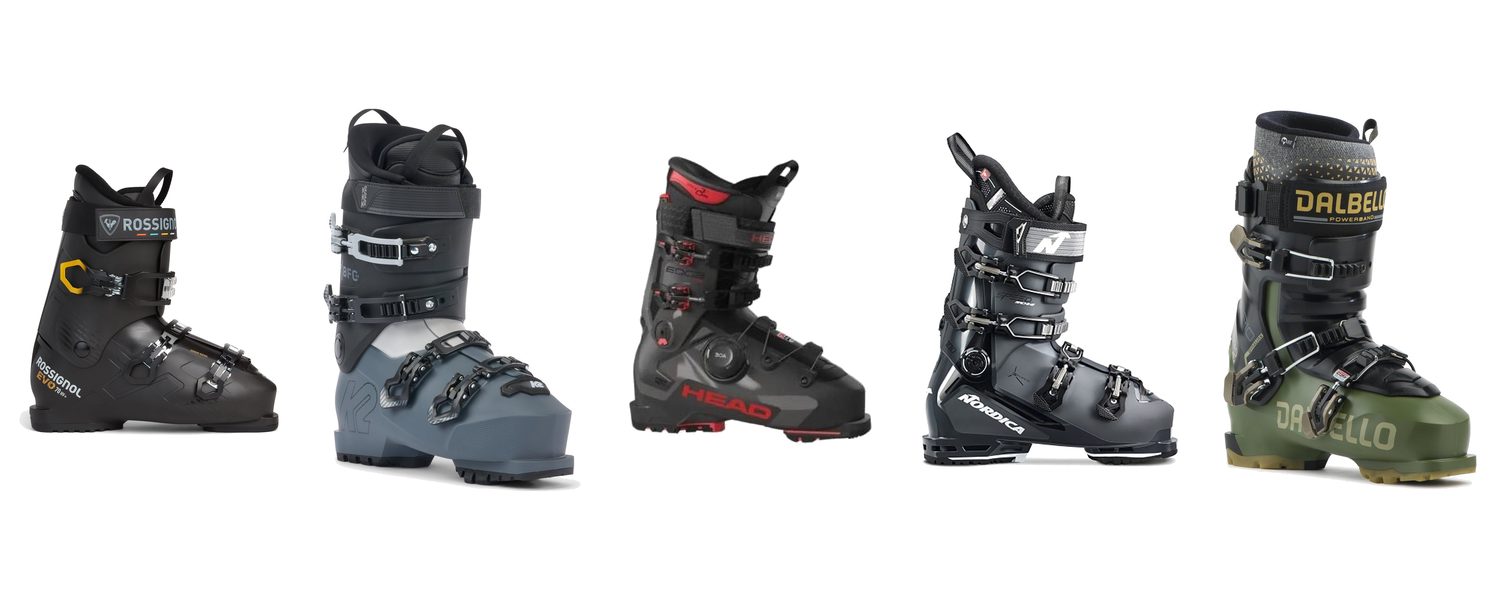
Boots decide more about your ski day than skis do, and a bad fit ruins a powder morning faster than any weather. The five below are organized the way bootfitters actually think: by foot shape and skill, not by marketing tier. A benchmark all-rounder for average feet, a BOA-equipped Head for wide feet and high insteps, a comfort specialist, a true beginner boot that undercuts rental costs, and a three-piece expert flex. Based on our research of current-season specs, retailer listings, and aggregated expert and owner feedback, these are the ski boots worth your money for 2026-27.
Quick Comparison
| Boot | Best For | Flex / Last | Price |
|---|---|---|---|
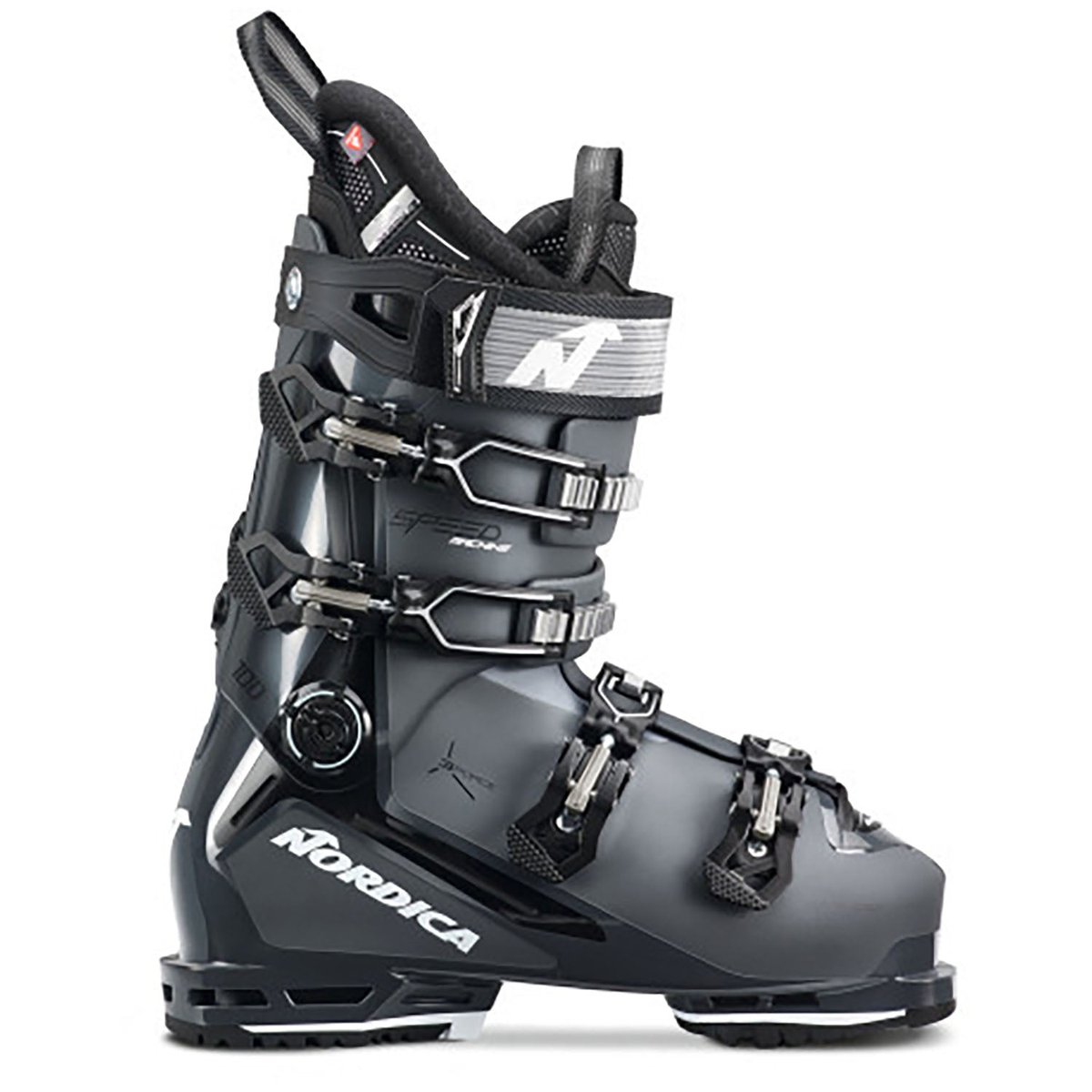
| Nordica Speedmachine 3 100 | Overall | 100 | 100mm | ~$500 |
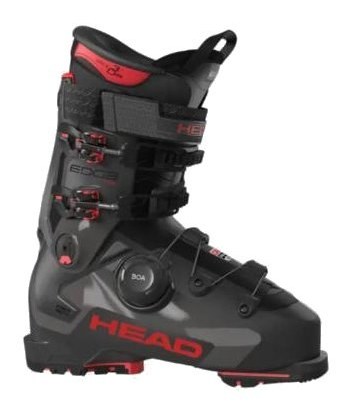
| Head Edge 110 HV BOA | Wide feet, fit tech | 110 | 102mm HV | ~$650 |
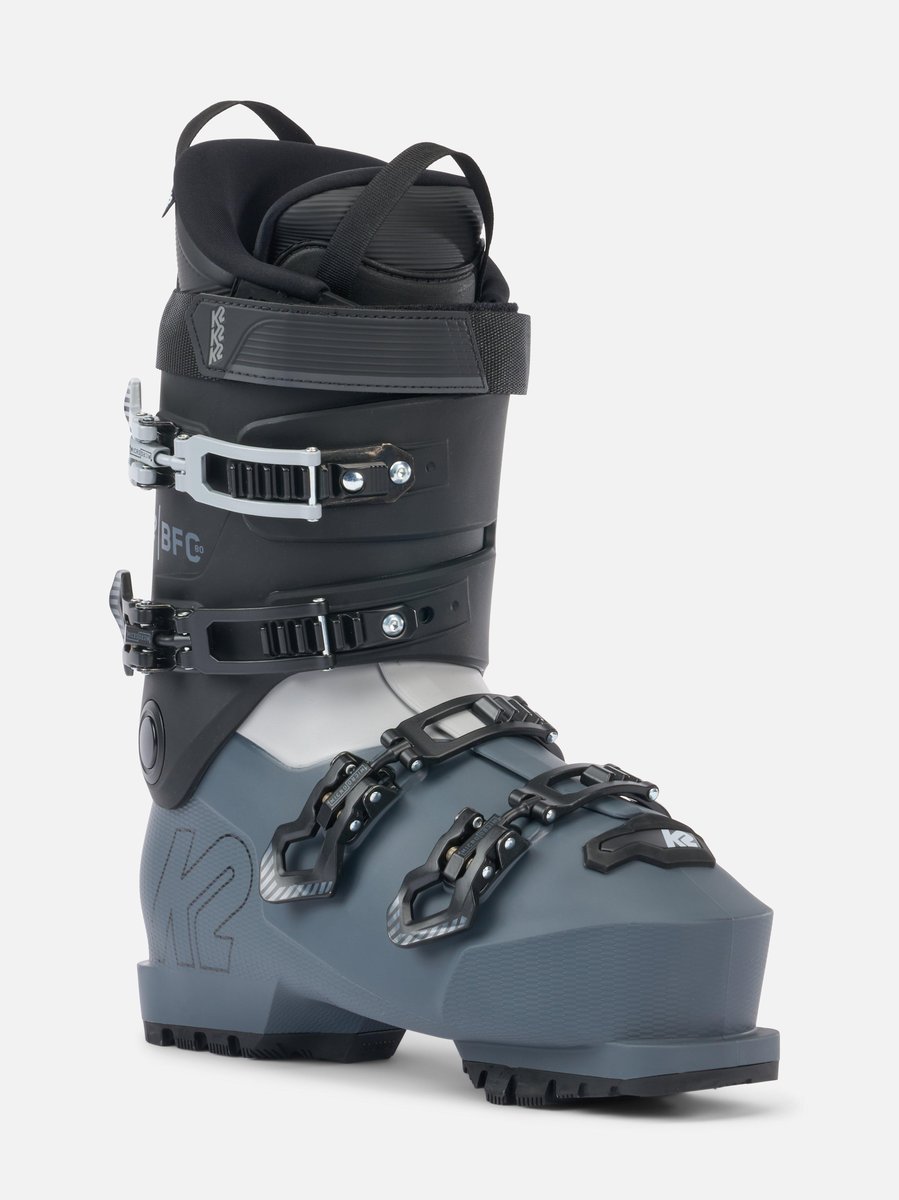
| K2 BFC 80 | Comfort | 80 | 103mm | ~$400 |
| Rossignol Evo 70 HV+ | Beginners | 70 | 104mm | ~$250 |
| Dalbello Cabrio MV 130 | Experts | 130 | 3-piece MV | ~$780 |
Our Picks
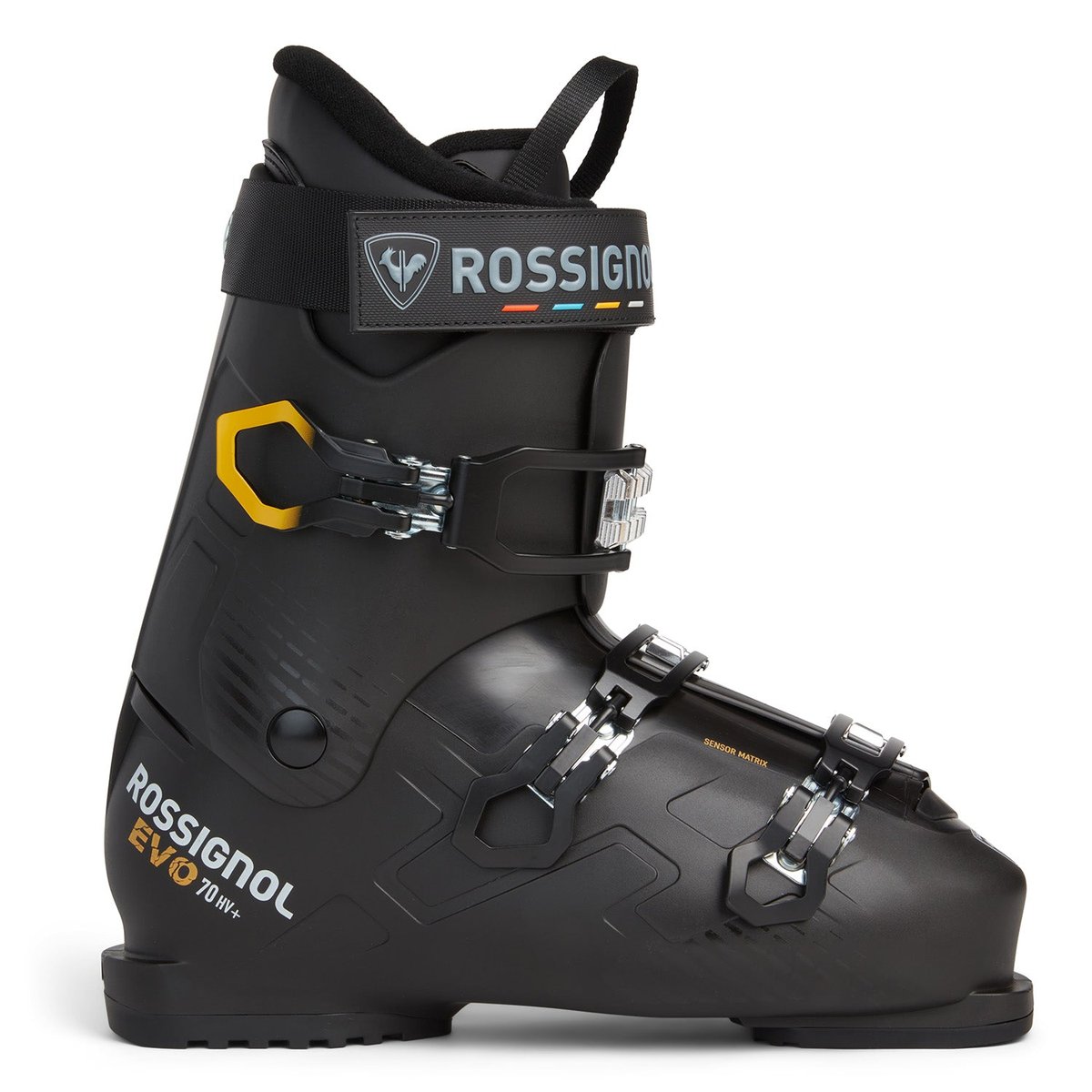
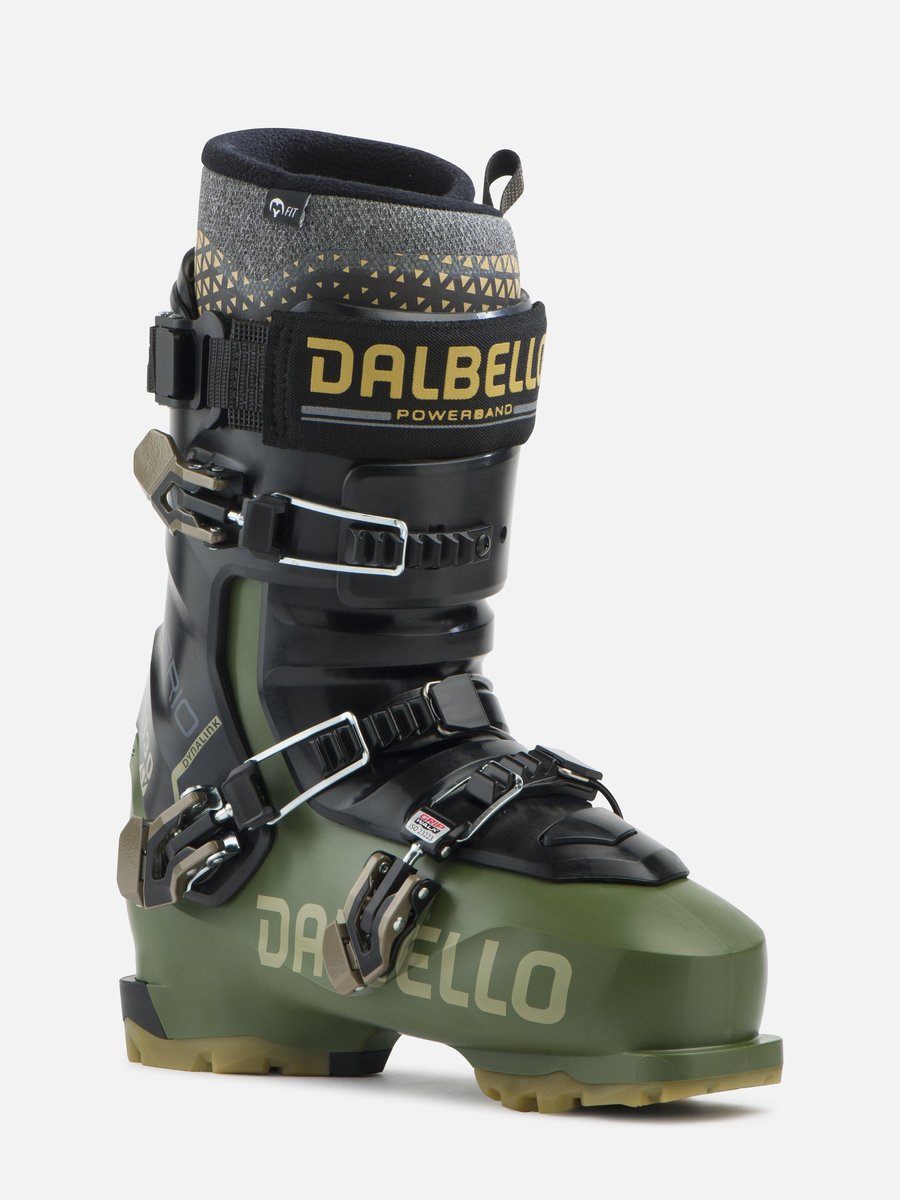
How to Choose Ski Boots
Fit beats flex beats brand. A boot that matches your foot's width and instep height, in the right mondo size, outperforms any spec sheet. Measure both feet, read our ski boot sizing guide before you shop, and treat the numbers here (100mm = average, 102-104mm = wide or high volume) as the starting filter, not the finish line.
Buy the flex you ski today. Flex ratings run softest (60-70) for new skiers to stiffest (130+) for experts, and the right number tracks your weight, strength, and speed. The spread in this guide is deliberate: 70 for season one, 80 for comfort-first cruisers, 100 for the broad middle, 110 for advancing skiers who have outgrown it, 130 when you drive the boot rather than ride in it.
Closure systems are a real choice now. Traditional buckles (Nordica, Rossignol, Dalbello) are proven and field-repairable. BOA dials (the Head Edge) wrap the forefoot more evenly and adjust in seconds with gloves on, which published reviews consistently rate as a genuine comfort gain for wide and bony feet. Hands-free entry shells (the BFC, Dalbello's cabrio design) solve the putting-them-on battle that turns people off the sport.
Mind the soles. All five picks ship with or accept GripWalk soles, which make walking survivable and require GripWalk-compatible bindings; every binding in our ski bindings guide qualifies. If your bindings are more than a few seasons old, have a shop confirm compatibility before you ski.
Spend your upgrade budget at a bootfitter. Thirty minutes of shell work, a custom footbed, or a liner mold turns a $400 boot into a better tool than an unfitted $800 one. Every boot here has heat-moldable elements; a good fitter is how you cash that in.
Frequently Asked Questions
What flex rating should I buy?
Match flex to your weight, strength, and speed, not your ambitions. Most beginners are happiest in 60-80, intermediates in 80-110, and advanced to expert skiers in 110-130. A boot you can barely bend robs you of control; err one step softer when in doubt, because a stiff boot skied badly is slower than a medium boot skied well.
How tight should new ski boots feel?
Snugger than any shoe you own: toes brushing the front when standing tall, pulling back when you flex forward, with no heel lift. Liners pack out noticeably within a week or two of skiing, so a boot that feels merely comfortable in the shop usually ends up too big on snow. Our boot sizing guide covers the shell-fit check step by step.
Are BOA ski boots worth it?
For many feet, yes. The dial wraps the lower shell evenly instead of clamping at two buckle points, which improves comfort on wide or bony feet and allows on-the-fly micro adjustments. You pay roughly $50 more than the buckle version of the same boot, and traditionalists point out buckles are simpler to repair in the field.