Ski Goggle Lens Guide 2026-27: The Best Goggles for Every Light Condition
Affiliate disclosure: As an Amazon Associate we earn from qualifying purchases. Some links below are affiliate links, see our full disclosure. Recommendations are based on our independent research of current-season gear, specifications, and aggregated expert and user feedback.
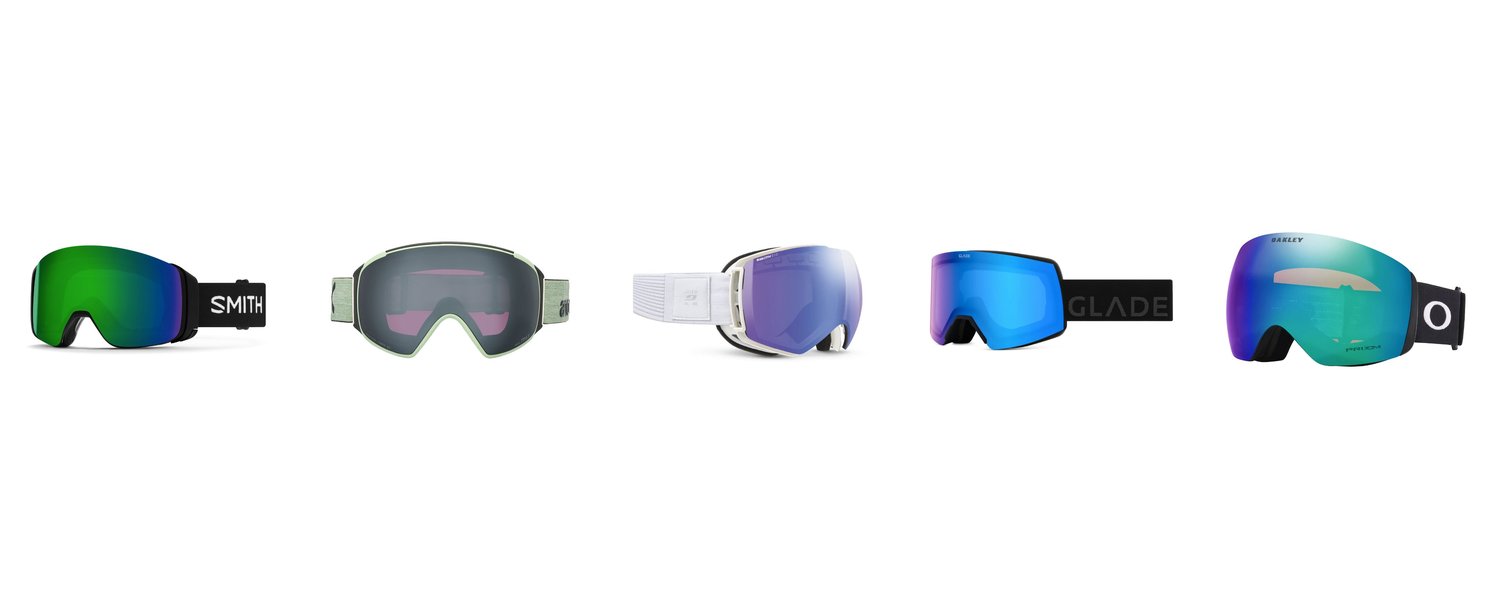
When you buy a goggle, you are really buying a lens. The frame and strap matter, but the lens decides whether you can read a mogul trough in flat light or pick a line through trees at 3pm. Modern lens tech splits into two camps: photochromic lenses that darken and lighten on their own, and interchangeable systems that let you swap between a bright-day lens and a storm lens in seconds. Based on our research of current-season models and aggregated expert and user feedback, these five goggles cover every light condition and budget, from around $115 to $340.
Quick Comparison
| Goggle | Best For | Lens Tech | Price |
|---|---|---|---|
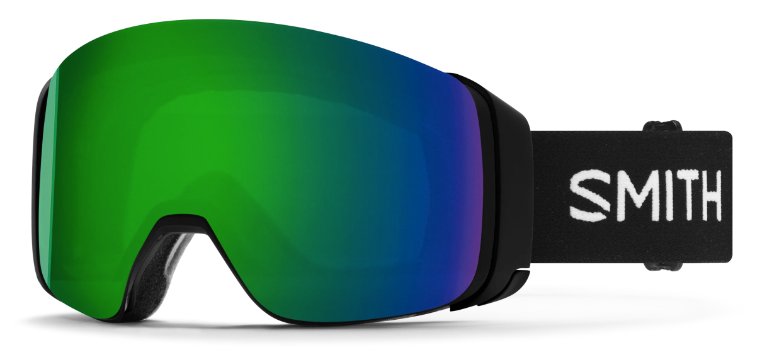
| Smith 4D MAG | Overall | ChromaPop, 2 lenses, magnetic swap | ~$340 |
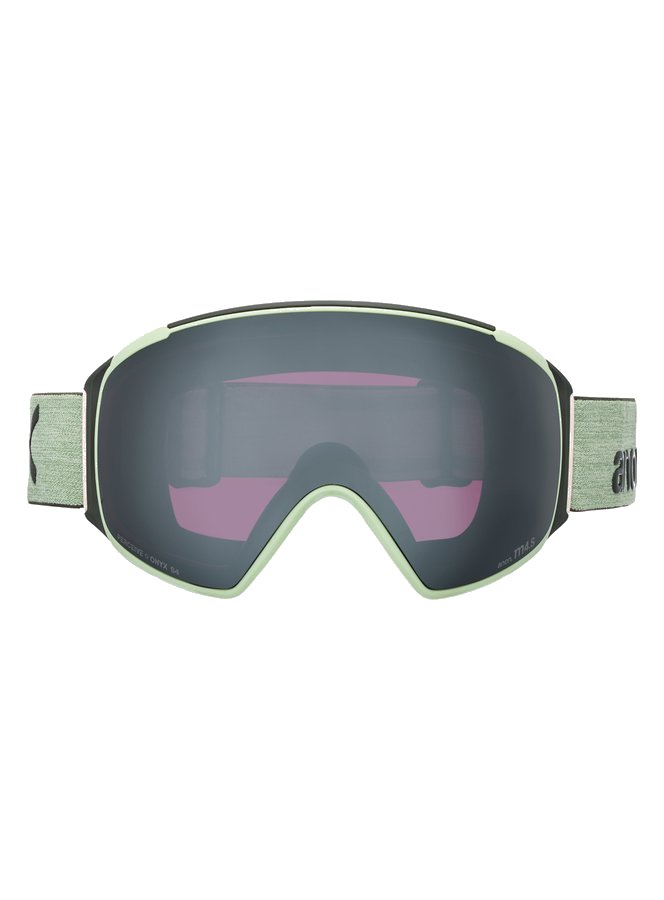
| Anon M4S | Lens quiver | Perceive, Magna-Tech swap | ~$320 |
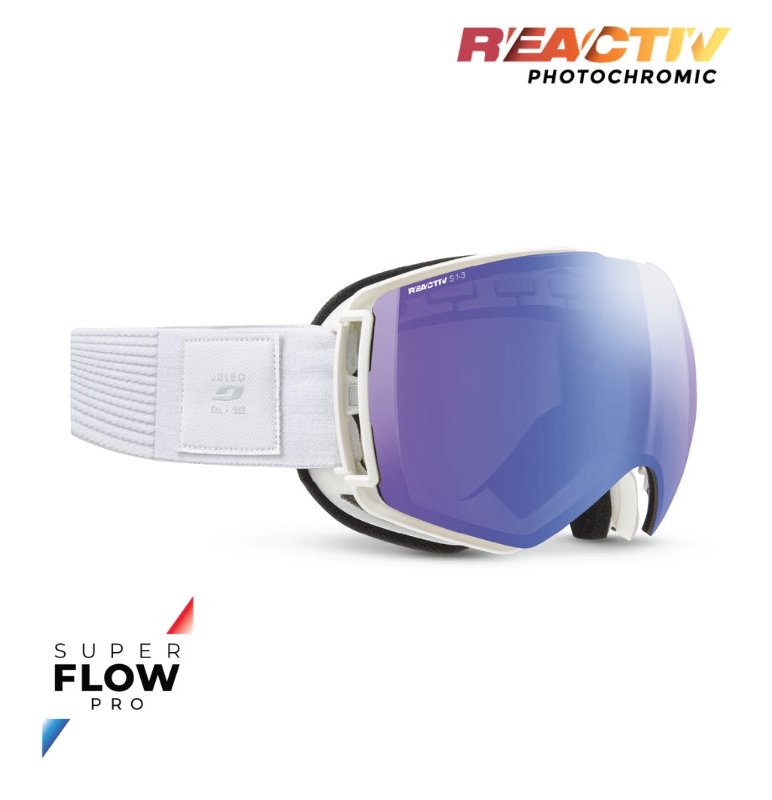
| Julbo Lightyear | Photochromic | REACTIV 0-4 photochromic | ~$300 |
| Glade Adapt 2 | Value | REVEAL 4K photochromic | ~$115 |
| Oakley Flight Deck M | Bluebird days | Prizm, Ridgelock swap | ~$200 |
Our Picks
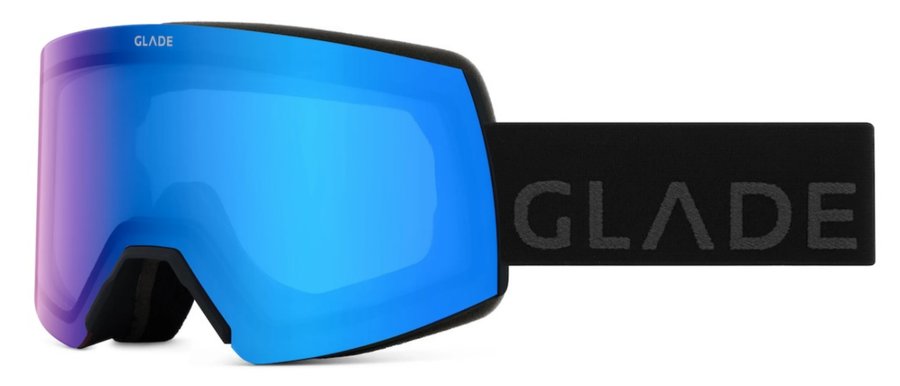
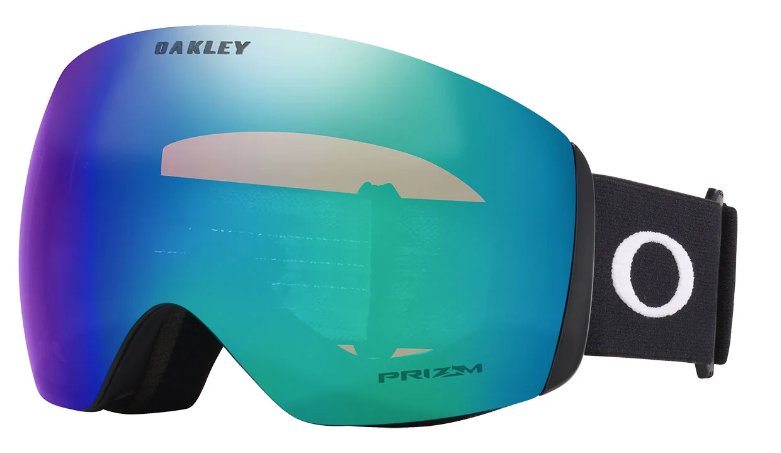
How Goggle Lenses Actually Work
VLT is the number that matters. Visible Light Transmission measures how much light passes through the lens. A 10-20% VLT lens suits bright sun; 20-40% covers mixed conditions; anything above 40% is for storms, dusk, and night skiing. Manufacturers group these into categories S0 (clearest) through S4 (darkest). If you only buy one fixed lens, a 25-35% VLT all-rounder covers the most days.
Contrast tech is the second ingredient. ChromaPop (Smith), Prizm (Oakley), Perceive (Anon), REACTIV (Julbo), and REVEAL (Glade) all filter specific wavelengths where colors blur together, which makes snow texture pop. The differences between these systems are smaller than the marketing suggests; all of them beat a plain tinted lens by a wide margin in flat light.
Photochromic lenses change VLT on their own, typically over 15-30 seconds as UV levels shift. The appeal is obvious: one lens, zero fiddling. The tradeoff is that no photochromic lens gets quite as dark as a dedicated sun lens or quite as bright as a dedicated storm lens, though the best modern ranges (like REACTIV 0-4) come close at both ends.
Interchangeable systems solve the same problem mechanically. Magnetic systems (Smith MAG, Anon Magna-Tech) swap in seconds; rail systems like Oakley’s Ridgelock take a minute but lock very securely. Factor in whether a second lens is included, it changes the real price substantially.
Cylindrical, Spherical, or Toric?
Cylindrical lenses curve horizontally only, cost less, and have a flat retro look. Spherical lenses curve in both axes, which reduces distortion and glare at the edges. Toric lenses split the difference with a gentler vertical curve that mimics the shape of your eye. Optically the gap has narrowed a lot; a premium cylindrical lens like the Adapt 2’s outperforms cheap spherical lenses. Pick the shape you like looking at, then spend your money on lens tech and fit.
Fit, Fog, and Lens Care
A goggle that fogs is a goggle that fits or vents badly. Match frame size to your face, check for a helmet-compatible strap and top vents that your helmet does not block, and never wipe the inside of a lens while it is wet: the anti-fog coating lives there, and one aggressive glove wipe can ruin it. Blot gently with a dry microfiber bag and let the goggle air-dry at room temperature, never on a boot dryer or heater vent.
Frequently Asked Questions
What VLT should I buy if I only get one lens?
Something in the 25-35% range handles sun with clouds, the most common ski-day sky in most of North America. Skiers in reliably sunny regions like Colorado can go darker (15-25%); Pacific Northwest and East Coast storm skiers should go lighter (35-50%) or photochromic.
Are photochromic lenses worth the premium?
If you ski variable weather and hate carrying spares, yes. A quality photochromic lens replaces a two-lens quiver for most conditions. If you mostly ski one kind of light, a fixed lens in the right VLT costs less and gives up nothing.
Should I get a polarized goggle lens?
Usually no. Polarization kills glare, but glare is information on snow: it reveals ice patches and wind crust. Most lens engineers leave polarization to sunglasses, and several major brands skip it in goggles entirely for exactly this reason.
Why did my lens scratch so easily?
Outer coatings are hard, but snow crystals are harder than they look, and pocket grit is worse. Store the goggle in its microfiber bag, lens up, never loose in a pack pocket with a shovel or crampons, and dry it before storing.