The Best Snowboard Jackets of 2026-27: Four Jackets Worth Buying
Affiliate disclosure: As an Amazon Associate we earn from qualifying purchases. Some links below are affiliate links, see our full disclosure. Recommendations are based on our independent research of current-season gear, specifications, and aggregated expert and user feedback.
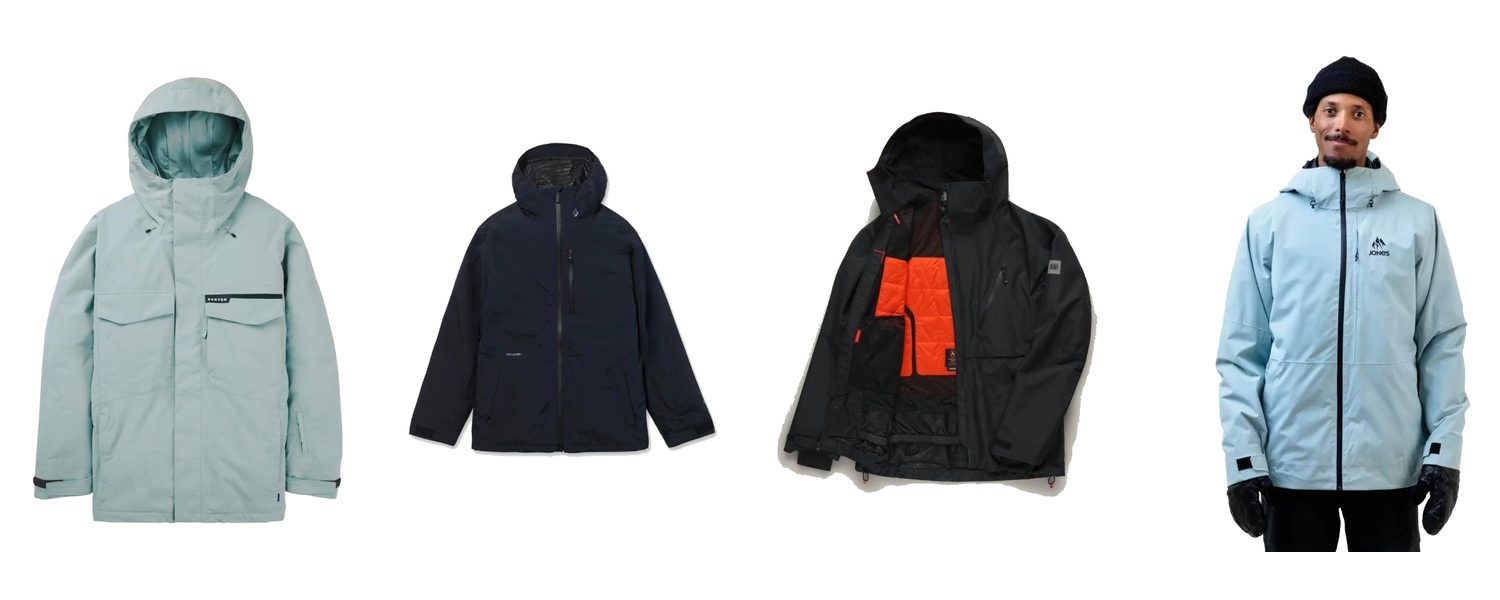
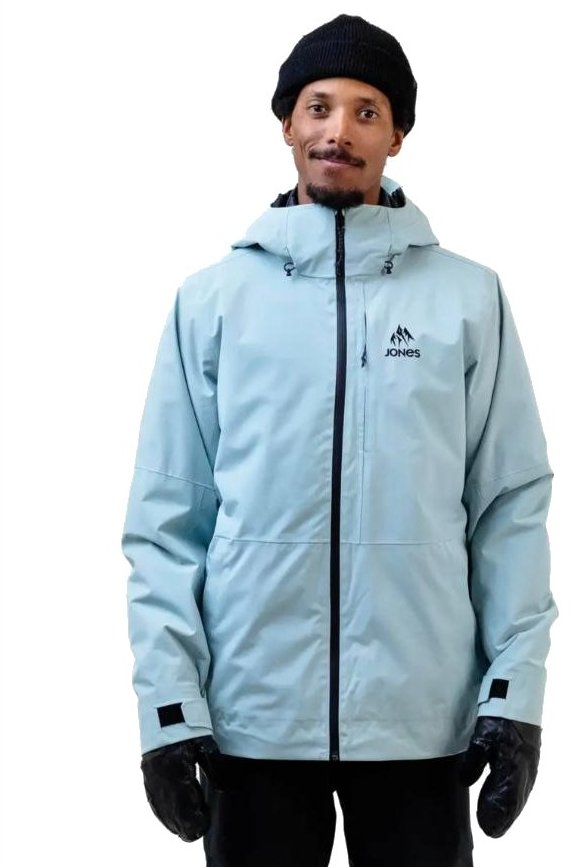
A snowboard jacket has one job on a January chairlift and a different one in an April slush line, and most jackets quietly fail at one of the two. The four below cover the spread without overlap: a Gore-Tex workhorse shell that has anchored Volcom's line for years, the best-selling budget jacket in snowboarding, an insulated 686 with heat mapped to your core, and a stretchy Jones built to move between resort laps and the skin track. Based on our research of current-season specs, retailer listings, and aggregated reviews, these are the snowboard jackets worth your money for 2026-27.
Quick Comparison
| Jacket | Best For | Build | Price |
|---|---|---|---|
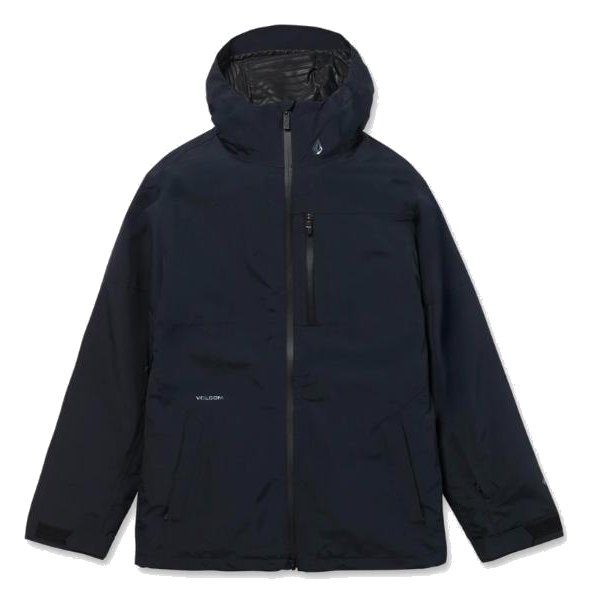
| Volcom L Gore-Tex | Overall | 2L Gore-Tex shell | uninsulated | ~$410 |
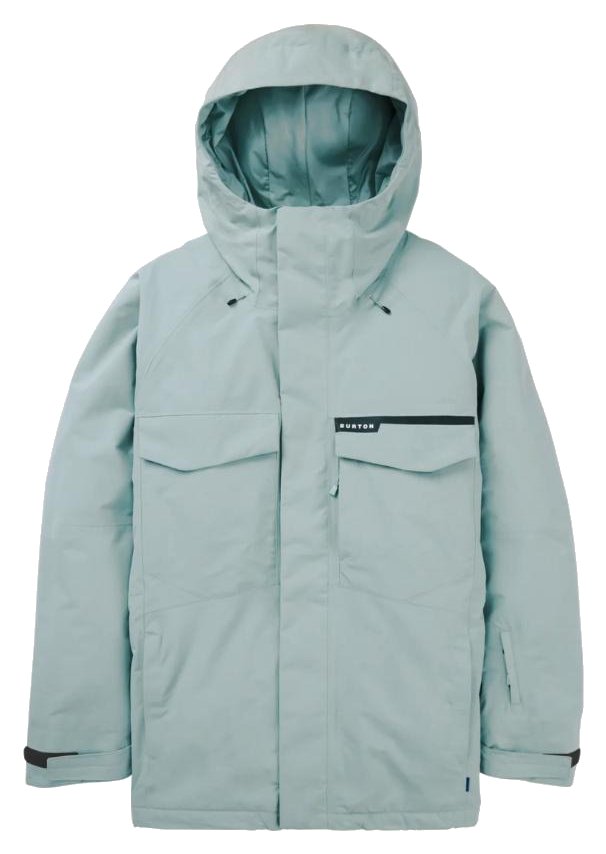
| Burton Covert 2.0 | Value | 2L DRYRIDE, 10K/5K | 80g insulated | ~$270 |
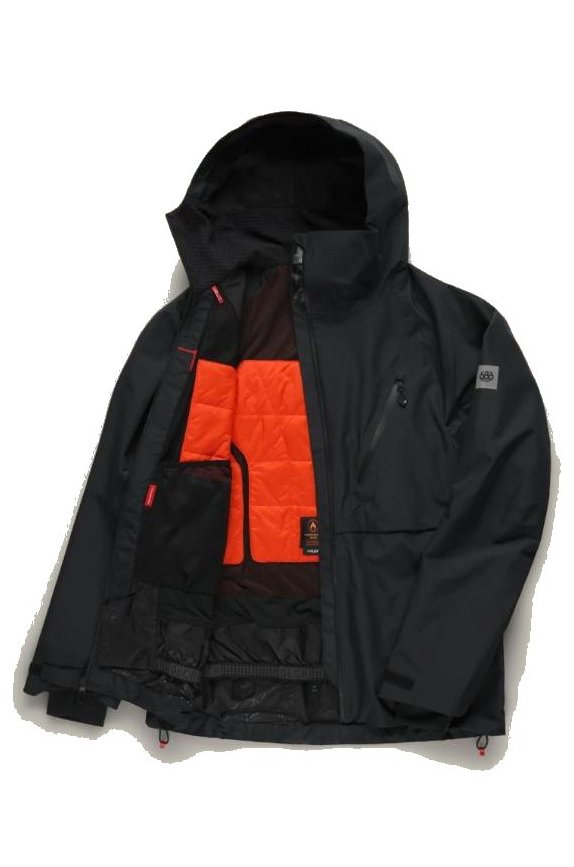
| 686 Hydra Thermagraph | Cold days | 2L infiDRY, 20K/15K | 140g body-mapped | ~$300 |
| Jones MTN Surf Recycled | Resort to backcountry | 2L stretch, 20K/20K | lined shell | ~$400 |
Our Picks
How to Choose a Snowboard Jacket
Decide shell or insulated first. A shell like the Volcom L or Jones MTN Surf is a weather barrier; warmth comes from your midlayers, which makes one jacket work from opening day to closing weekend. Insulated jackets like the Covert 2.0 and Hydra Thermagraph are warm with just a base layer under them, which is simpler and cheaper but gives you less room to adapt when February turns into April.
Read the rating and the seams together. Waterproof numbers (10K, 20K) describe the fabric; seam taping decides whether the stitching leaks. Fully taped seams, standard on the Volcom, 686, and Jones, seal every stitch line. Critically taped, as on the Burton, covers only the high-exposure zones, one of the places a $270 jacket saves money. Riders in wet coastal climates should treat 20K fully taped as the floor; in Colorado cold smoke, 10K goes further than the spec sheet suggests.
Check the snow-out features. A powder skirt, a helmet-compatible hood, and pit zips are the three features worth insisting on at any price, and all four picks have them. A pant-to-jacket interface (Volcom's Zip Tech, 686's five-point Pant Jacket Connect) is worth it if you stick with that brand's pants. A sleeve pass pocket saves you unzipping at every RFID gate.
Fit is part of the function. Snowboard jackets cut longer and roomier than ski jackets on purpose: the drop hem keeps snow out when you sit, and the room keeps layers from binding mid-grab. Size for your bulkiest midlayer, not your t-shirt. If you ride in a helmet, and you should, pull the hood over it in the store or check the spec sheet for helmet compatibility.
Buy the shell on sale, spend the savings underneath. Outerwear discounts heavily in October and again in late February. A shell plus a quality fleece and a packable puffy covers more days, more comfortably, than any single insulated jacket, and the pieces replace on their own schedules.
Frequently Asked Questions
Should I buy a shell or an insulated snowboard jacket?
A shell with good midlayers covers the widest range of conditions, because you add or remove warmth as the day changes. An insulated jacket is simpler and warmer out of the box, which suits cold climates and riders who run cold or mostly ride lifts. Two picks here are shells (Volcom, Jones) and two are insulated (Burton, 686).
What waterproof rating do I actually need?
For cold, dry snow and occasional storms, 10K holds up fine. For wet coastal snow, long storm days, or lots of sitting in snow, 20K with fully taped seams is the safer floor. Seam taping matters as much as the number: fully taped beats critically taped in sustained wet weather.
How should a snowboard jacket fit?
Roomier than a ski jacket, with space for a midlayer and full arm reach without the hem riding above your waist. The hood should close over a helmet. Sleeves should reach the base of your thumb with arms extended; snowboard cuts run long, and reviewers note the Jones runs especially long in the sleeve.