The Best Ski Midlayers of 2026-27: Warmth for Every Kind of Ski Day
Affiliate disclosure: As an Amazon Associate we earn from qualifying purchases. Some links below are affiliate links, see our full disclosure. Recommendations are based on our independent research of current-season gear, specifications, and aggregated expert and user feedback.
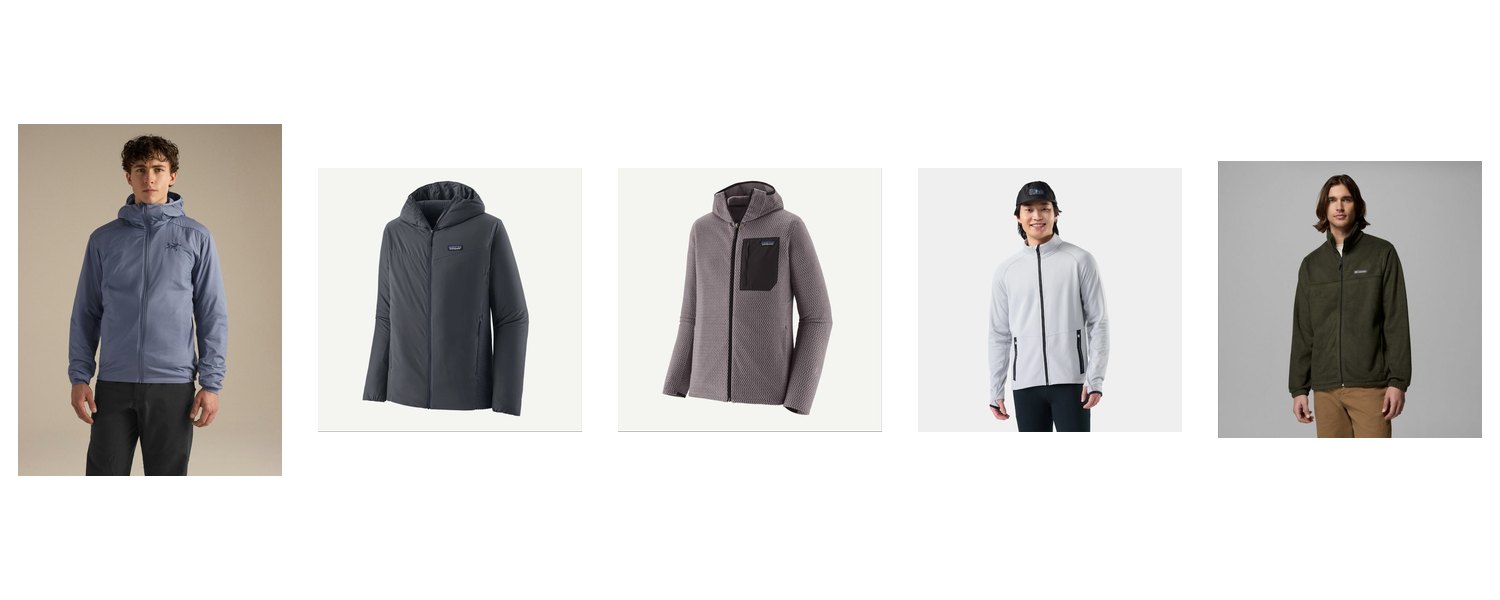
The midlayer is where your ski outfit actually earns its keep. A shell blocks wind and snow; a base layer moves sweat; the layer between them decides whether you finish the day comfortable or clammy. Get it right and you can ski from a 10°F January morning through a 40°F spring afternoon by doing nothing more than working a zipper. Based on our research across current-season midlayers, these five cover every style of skier, from chairlift cruisers to skin-track regulars, at prices from about $65 to $300.
Quick Comparison
| Midlayer | Best For | Insulation Type | Price |
|---|---|---|---|
| Arc'teryx Atom Hoody | Overall | 60g Coreloft synthetic + fleece side panels | ~$300 |
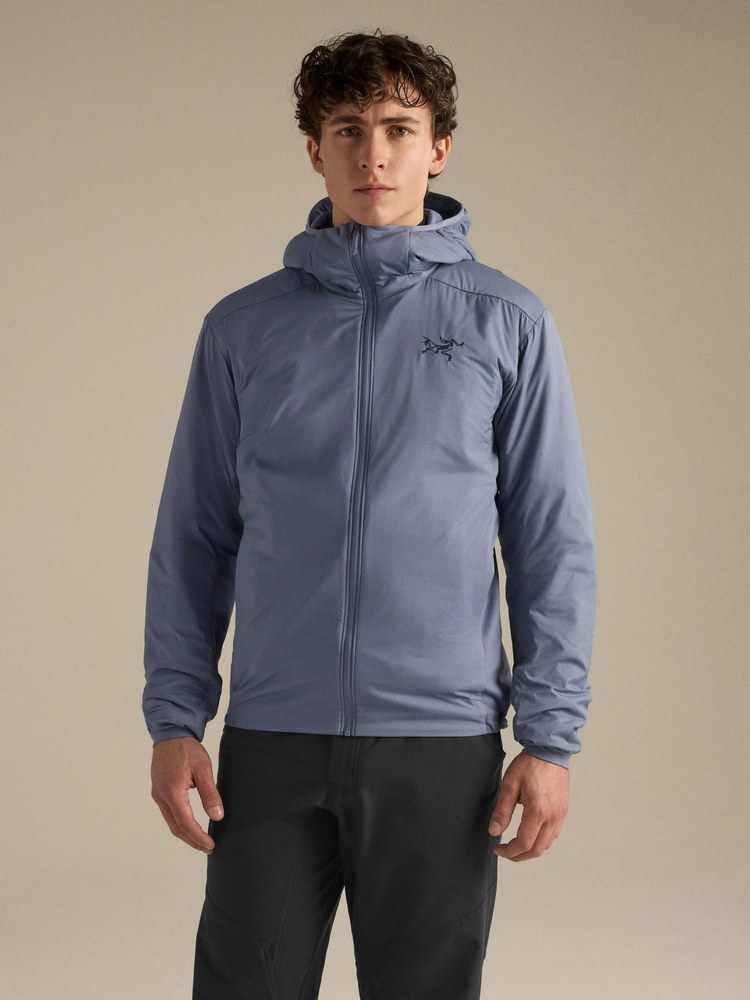
| Patagonia Nano-Air Light Hybrid Hoody | High-output days | 40g FullRange synthetic + R1 Air back | ~$300 |
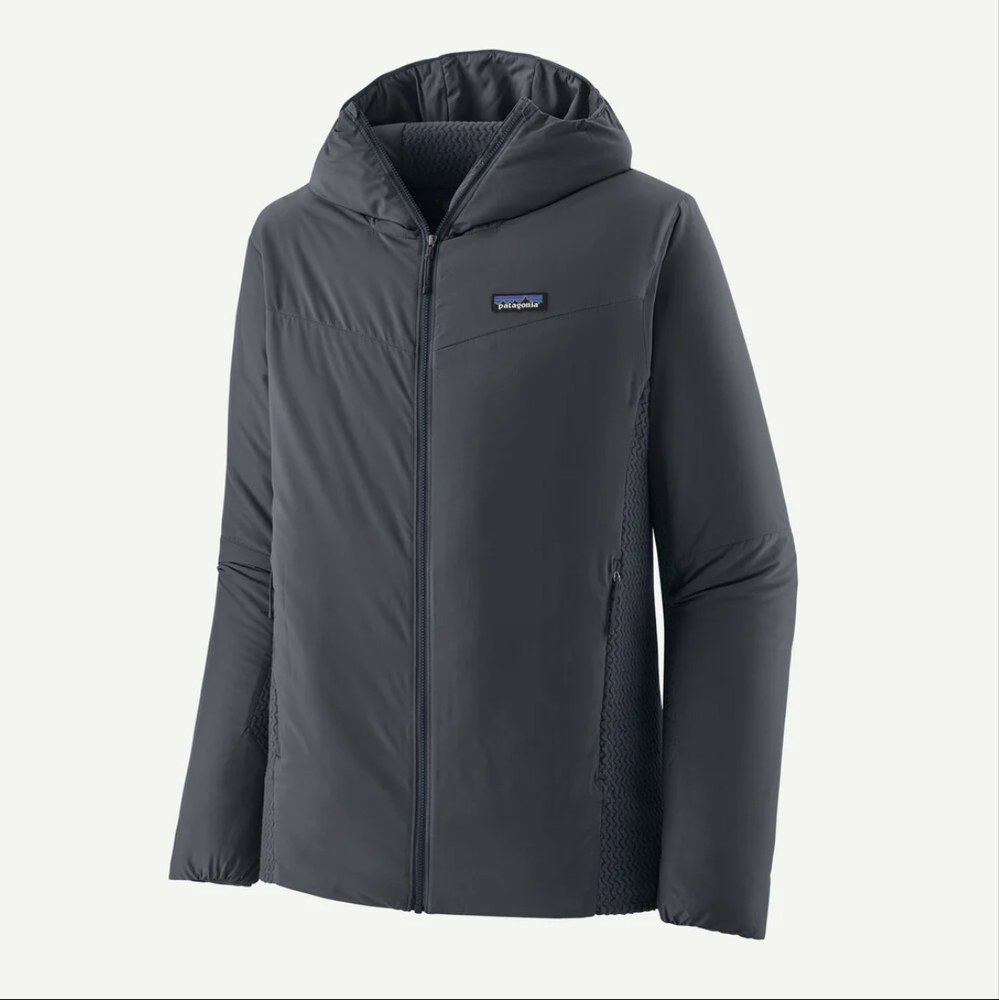
| Patagonia R1 Air Full-Zip Hoody | Breathability | Zigzag grid fleece | ~$200 |
| Smartwool Active Fleece Jacket | Merino comfort | Merino-blend stretch fleece | ~$180 |
| Columbia Steens Mountain 2.0 | Budget | Heavyweight classic fleece | ~$65 |
Our Picks
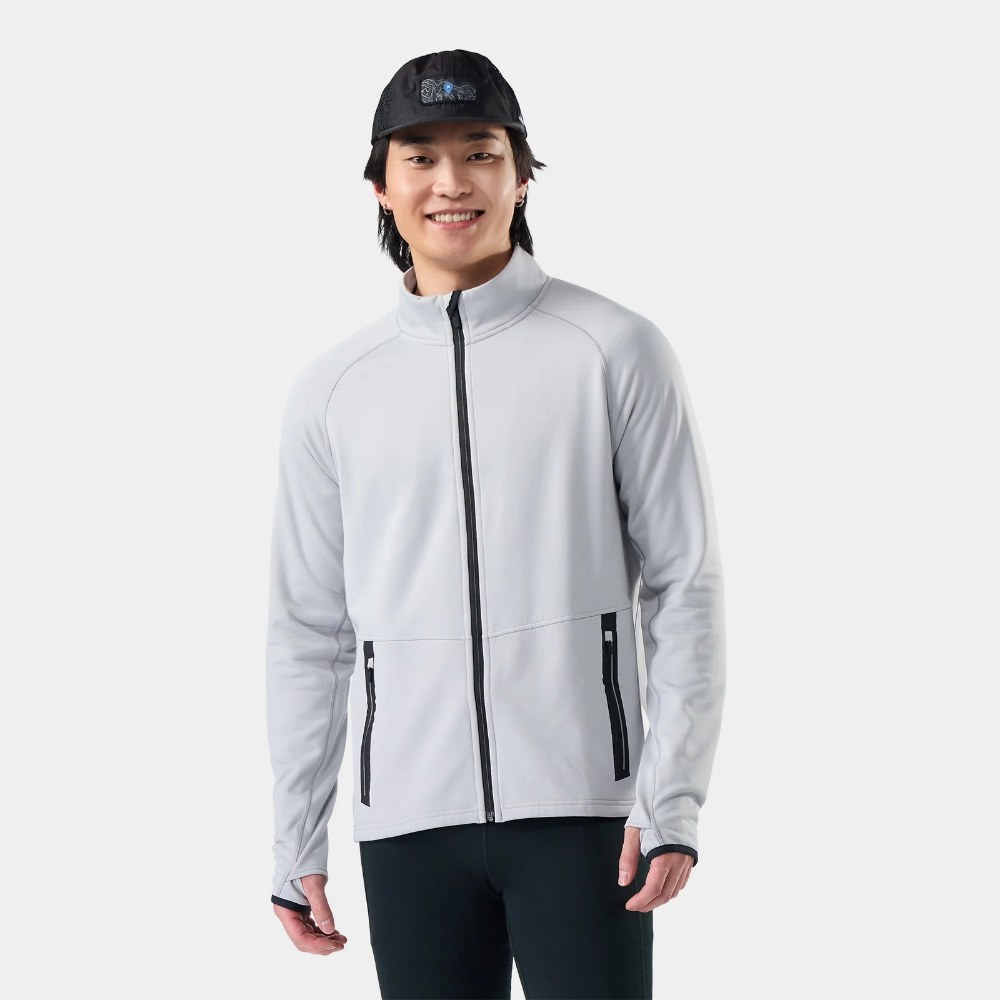
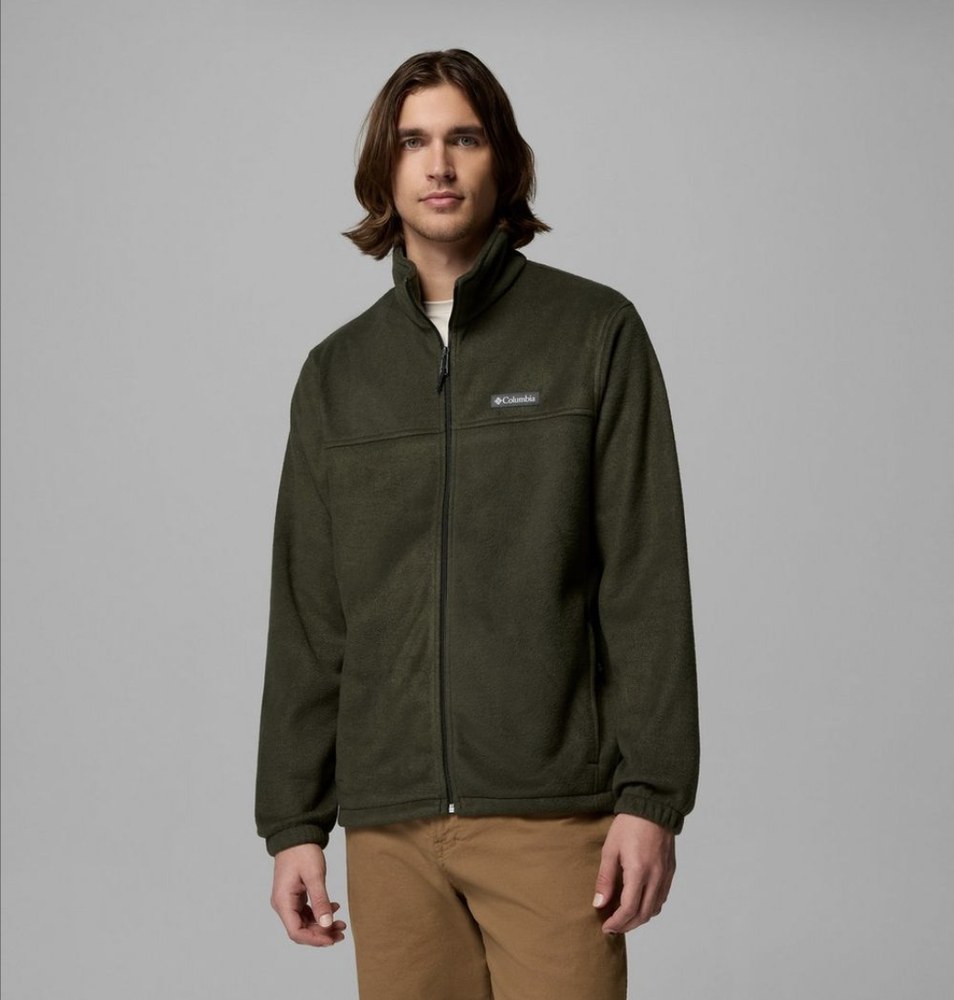
How to Choose a Ski Midlayer
Match insulation to how hard you work. Chairlift skiers spend most of the day sitting still in wind, so lean warm: active insulation like the Atom or a heavyweight fleece. Skiers who hike, tour, or simply run hot should prioritize breathability and pick grid fleece or a hybrid, then let the shell handle the wind.
Think in systems, not pieces. Your midlayer has to fit over a base layer and under a shell without bunching at the cuffs or riding up at the hem. Trim, stretchy midlayers layer best. If you size up for comfort, make sure your shell still closes over it.
Hood or no hood? A thin balaclava-style hood adds real warmth under a helmet on storm days and costs little weight. If you already ski in a hooded base layer, skip the second hood; stacked hoods bunch at the collar.
Zippers are your thermostat. A full front zip vents faster than any fabric technology. On big-temperature-swing days, that half-inch of zipper travel does more than an extra $100 of insulation.
Fleece vs. Active Insulation, Explained
Traditional fleece (the Steens Mountain) traps heat in thick pile and keeps insulating even when damp, but it is bulky and lets wind through. Grid and zigzag fleeces (the R1 Air) cut channels into the pile, trading a little warmth for far better breathability and packability. Active insulation (the Atom, the Nano-Air family) wraps stretchy synthetic fill in air-permeable fabrics, giving more warmth for the weight plus useful wind resistance, at a higher price. Merino blends (the Smartwool) sit closest to grid fleece in warmth while adding wool’s odor control for multi-day trips. There is no wrong answer, only a wrong match for your ski style.
Frequently Asked Questions
Can a midlayer replace my jacket on warm days?
The Atom and Nano-Air Light Hybrid have wind-resistant faces and can serve as the outer layer on dry, mild days; plenty of spring skiers do exactly that. Fleece midlayers make poor outer layers in wind. Keep a shell in your pack either way, because mountain weather does not read forecasts.
Is down a good ski midlayer?
Usually not. Down loses loft when it gets damp from sweat or snow, and it does not breathe well during effort. It shines as a standalone cold-day puffy or an over-layer for lunch breaks. For the layer you actually ski in, synthetic fill, fleece, or wool handles moisture far better.
How warm is too warm?
If you unzip your shell on every run and still sweat, your midlayer is too warm, and sweat is the enemy: damp layers turn cold the moment you stop. Most skiers in most conditions are better served by a lighter midlayer plus a decent shell than by maximum insulation.