Patagonia Nano-Air Light Hybrid Hoody Review: Sizing and Verdict
Affiliate disclosure: As an Amazon Associate we earn from qualifying purchases. Some links below are affiliate links, see our full disclosure. This breakdown is based on our independent research of current-season specifications and aggregated expert and user feedback.
The quick verdict: Active insulation up front, breathable R1 Air fleece out back: the midlayer for skiers who climb as much as they descend. ~$300 list, typically ~$180 on sale
Overview
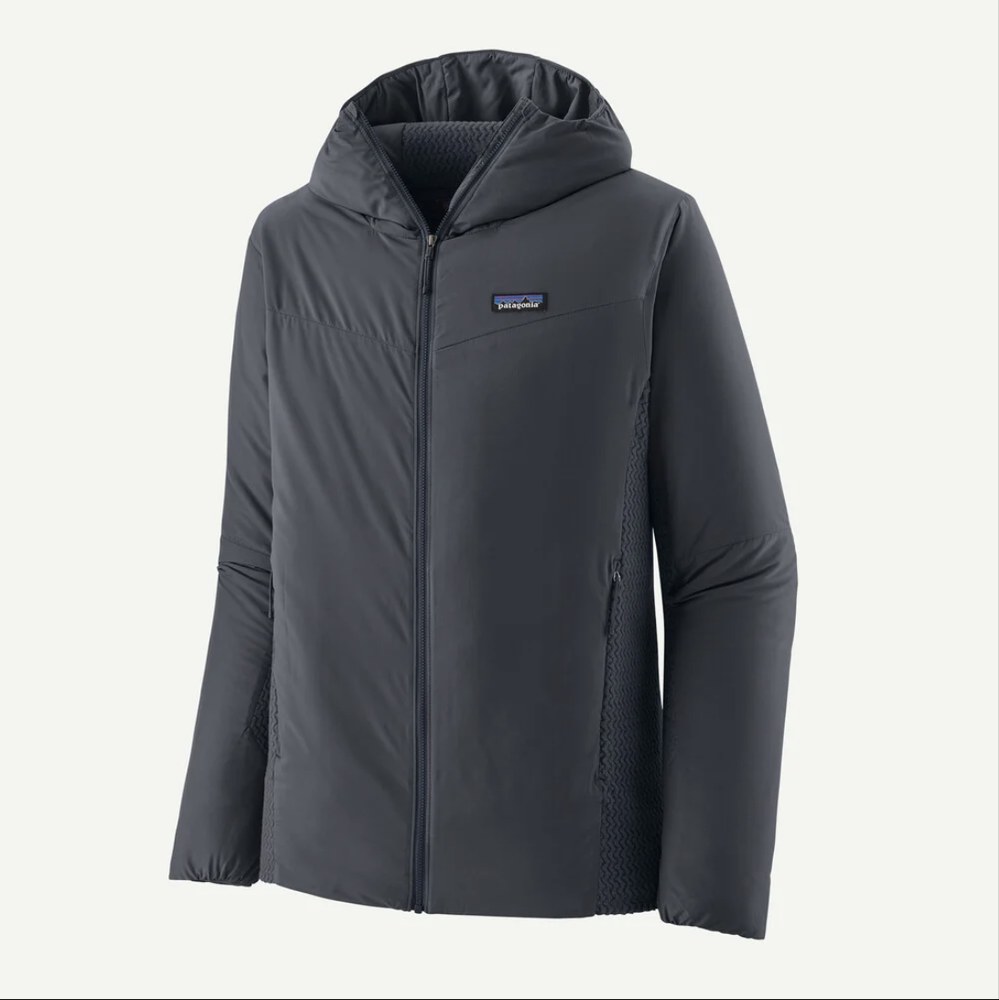
Most insulated jackets are built for standing still. This one is built for moving. Patagonia maps 40-gram FullRange insulation across the chest, front of the arms, and hood, the zones that face the wind, then swaps the back and side panels for its zigzag-knit R1 Air fleece, the most breathable fabric in its line. Sweat vapor escapes straight out the back while your core stays protected. The shell fabric stretches, the fit is trim, and the whole thing weighs next to nothing in a pack.
The concept is not new, hybrid midlayers have been around for years, but reviewers keep ranking this execution at the top of the class because the fabric zoning matches how bodies actually shed heat.
Where It Shines
- Breathes better than any fully insulated jacket in its class
- Insulation sits exactly where wind chill hits on the skin track and the chair
- Stretchy fabrics move with poling and bootpacking
- Light and compressible enough to live in a touring pack
Tradeoffs to Know
- The fleece back lets wind through; you will want a shell on exposed ridgelines
- Less warm than the fully insulated Atom Hoody for cold resort days
- Thin face fabrics reward a little care around tree branches and rock
- Runs trim; size up if you layer thick underneath
Who It’s For
Ski tourers, sidecountry hikers, and resort skiers who overheat in normal insulated midlayers. If most of your day is spent riding lifts rather than earning turns, the warmer Atom is the better buy at a similar list price.
Key Specs by Size
Figures are approximate and drawn from Patagonia’s published men’s size chart and product specs (via patagonia.com) plus retailer listings at evo and Backcountry. Chest circumference is the measurement that decides the size.
| Size | Chest | Sleeve |
|---|---|---|
| XS | 34-35 in (86-89cm) | 32 in (81cm) |
| S | 35-37 in (89-94cm) | 33 in (84cm) |
| M | 38-40 in (96-101cm) | 34 in (86cm) |
| L | 42-44 in (106-111cm) | 35 in (89cm) |
| XL | 46-48 in (117-122cm) | 36 in (91cm) |
| XXL | 50-52 in (127-132cm) | 37 in (94cm) |
Across all sizes: 40-gram FullRange synthetic insulation (100 percent polyester, mostly recycled) through the chest, front of the body and hood; 5.7-ounce recycled polyester R1 Air jacquard fleece with hollow-core yarns across the upper and lower back, the sides and under the arms; a 1.6-ounce, 30-denier recycled polyester shadow ripstop face and lining with four-way stretch and a DWR finish made without added PFAS. Patagonia lists the medium at about 335 grams (11.8 ounces), with a 29-inch center-back length. Two low-profile handwarmer pockets with invisible zippers sit high enough to clear a harness or pack hipbelt; there is no chest pocket and no stuff pocket. The hood is stretchy with a soft binding, the center-front zip has a chin garage, and the cuffs are partially elasticized. It’s sewn in a Fair Trade Certified factory and covered by Patagonia’s Ironclad Guarantee, which includes lifetime repairs. List price is about $300; in autumn 2026 Patagonia and evo have it around 40 percent off, roughly $180, which usually signals a style on its way out. Patagonia refreshed the non-hybrid Nano-Air Light Hoody for fall 2026, so treat the Hybrid as closeout stock while it lasts.
Sizing and Fit
Measure your chest at the widest point and buy the size whose range contains it. The Hybrid is a slim fit, which Patagonia defines as closer-fitting and designed to go over a baselayer and at most a light midlayer. At the top of a range, say a 40-inch chest, with a heavier fleece or light down sweater planned underneath, go up to the large. Over a baselayer alone, stick with the true size. The stretch fabrics buy a little forgiveness, not a full size.
Sleeves and hem run long for a slim cut, so the body stays put when you reach overhead with poles. The hood is sized for a bare head or a thin beanie, not a ski helmet, so plan on wearing it under the helmet on the skin track and dropping it for the descent. Pair it with a light hardshell or wind shell for exposed ridges and lift rides; the fleece back moves air so freely that a shell is what turns this from a touring piece into an all-day resort piece. Broad-shouldered, narrow-waisted skiers report the best fit; stockier builds often size up and accept longer sleeves.
Who Should Skip It
Skip the Hybrid if most of your days are lift-served and the mercury regularly sits in the teens; the fully insulated Arc’teryx Atom Hoody is a far better match. Skip it if you want one simple fleece that works as a midlayer and as a town layer; the Smartwool Active Fleece Jacket does that job for less money and looks right at dinner. Skip it if you’re on a tight budget and just need something warm under a shell, because the Columbia Steens Mountain 2.0 costs a fraction of the price and handles casual resort days.
Nano-Air Light Hybrid vs. Arc’teryx Atom Hoody vs. Patagonia R1 Air
The Arc’teryx Atom Hoody, at about $300, is the warmest and most wind-resistant, a true all-rounder for cold chairlifts that still breathes well enough for short hikes. The Patagonia R1 Air Full-Zip Hoody, at about $200, is the same zigzag fleece the Hybrid uses on its back, but everywhere: the most breathable of the three, the least warm, and the one you’ll wear most often if you tour hard. The Hybrid lists at about $300 and currently sells for around $180, close to the R1 Air’s price with insulation added where the wind hits. Pick the Atom if you ride lifts and want one warm midlayer for the season; pick the R1 Air if you earn most of your turns and overheat in anything insulated; pick the Nano-Air Light Hybrid if you split your days between skinning and riding and want the front half of a puffy with the back half of a fleece.
Frequently Asked Questions
Nano-Air Light Hybrid or Nano-Air Hoody?
The standard Nano-Air Hoody carries 60-gram FullRange insulation over the whole jacket, lists at about $330, and is the warmer, more wind-resistant choice for resort days and cold stops. The Hybrid uses 40-gram insulation on the front only and fleece on the back, so it breathes better and weighs less but gives up warmth; reviewers tend to call it the Nano-Air with the heat turned down.
Is the Nano-Air Light Hybrid warm enough for lift skiing?
Under a shell, yes, for most skiers on days around freezing; aggregated reviews put its comfortable range while moving at roughly freezing and above. On its own the fleece back lets wind straight through, so it’s a poor choice as an outer layer on a chairlift in anything but spring sunshine.
What size Nano-Air Light Hybrid should I get?
Buy by chest measurement using Patagonia’s chart above. The cut is slim, so size up only to layer a heavier fleece or puffy underneath.
Is the Nano-Air Light Hybrid discontinued?
Patagonia still lists the men’s Hybrid in autumn 2026, but at about 40 percent off, and it updated the non-hybrid Nano-Air Light Hoody for fall 2026. Expect limited sizes and colors going forward.
How It Compares
See how it stacks up in our full guide: The Best Ski Midlayers of 2026-27. Other picks from that list: Arc'teryx Atom Hoody · Patagonia R1 Air Full-Zip Hoody · Smartwool Active Fleece Jacket · Columbia Steens Mountain 2.0.