The Best All-Mountain Snowboards of 2026-27: Four Boards That Do It All
Affiliate disclosure: As an Amazon Associate we earn from qualifying purchases. Some links below are affiliate links, see our full disclosure. Recommendations are based on our independent research of current-season gear, specifications, and aggregated expert and user feedback.
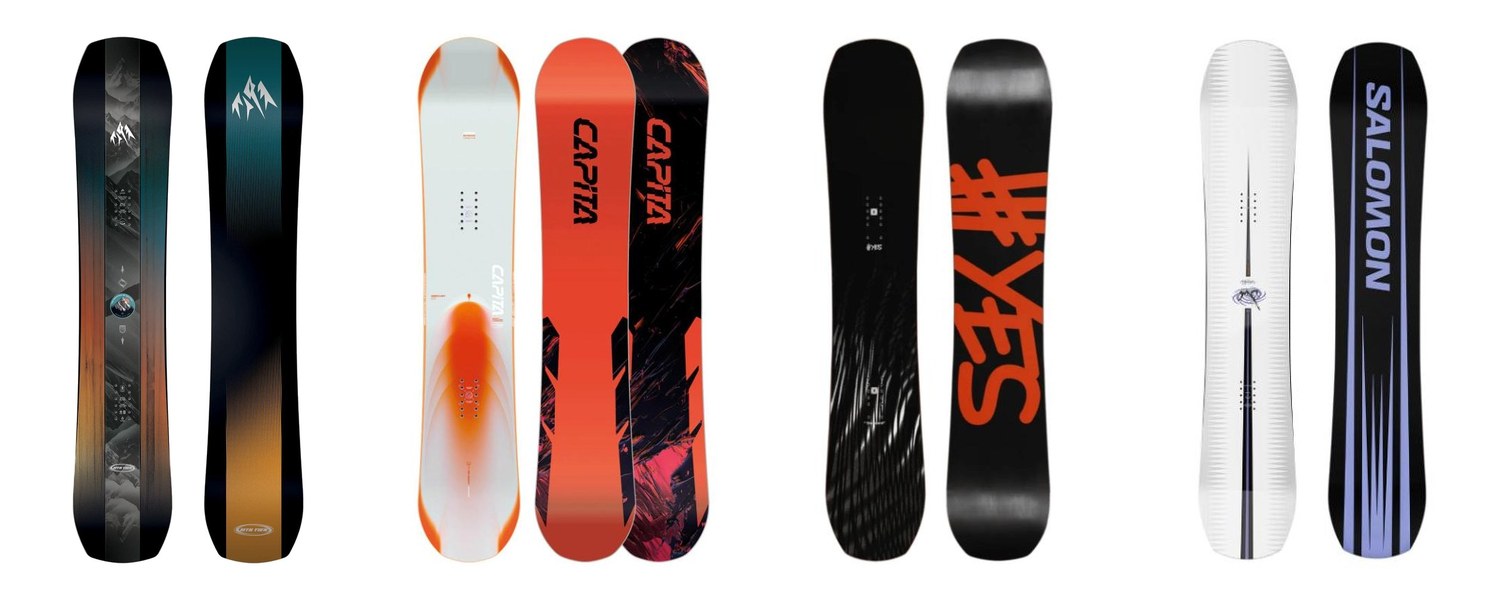
One board for the whole mountain is still the best deal in snowboarding. The right all-mountain deck carves morning groomers, floats the 10am stash, holds an edge through chopped-up afternoon crud, and lets you hit the side hits on the way back to the lift. The wrong one does all of that badly. Based on our research of current-season specs, retailer listings, and published reviews, these four boards are the strongest one-board quivers of 2026-27, from a ~$550 workhorse to a ~$700 charger built in Austria.
Quick Comparison
| Board | Best For | Flex / Profile | Price |
|---|---|---|---|
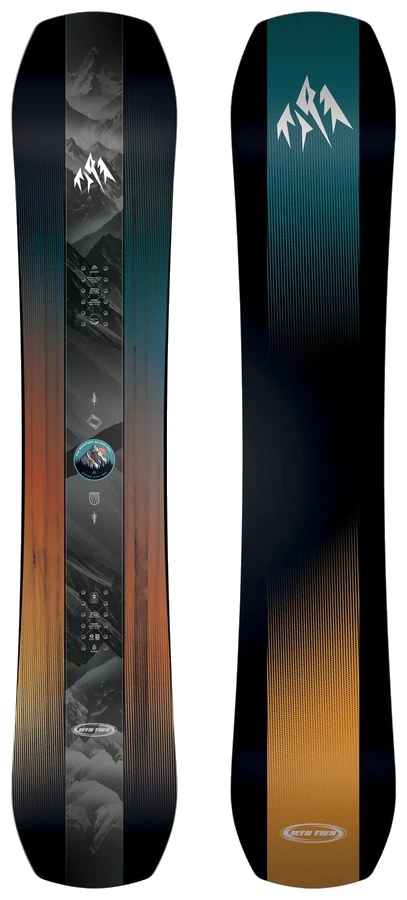
| Jones Mountain Twin | Overall | Medium | CamRock | ~$600 |
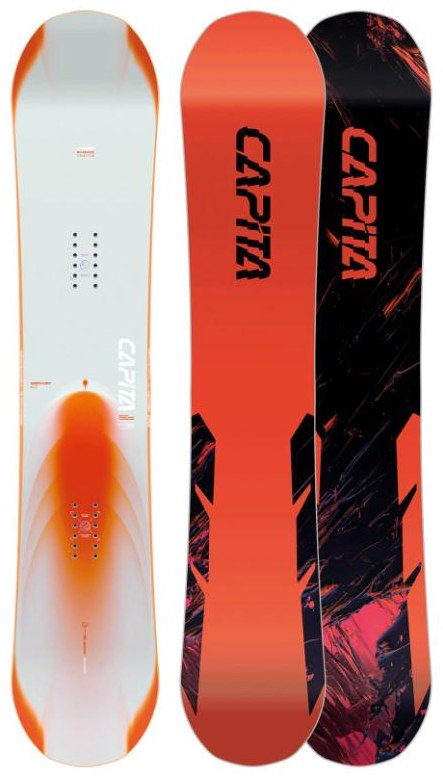
| Capita Mercury | Hard chargers | Med-stiff | Resort V2 | ~$700 |
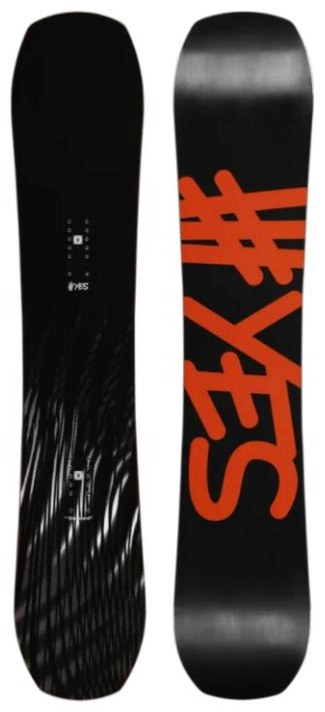
| Yes Standard | Value | Medium | CamRock | ~$550 |
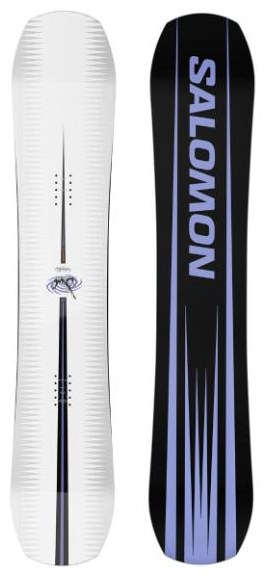
| Salomon Assassin | Freestyle crossover | Medium | Rock Out Camber | ~$650 |
Our Picks
How to Choose an All-Mountain Snowboard
Buy for your weight, not your height. Every brand publishes a weight range per size, and that range matters more than where the board reaches on your chin. A 160-pound rider on a board rated 180-220 pounds will fight it all day; the same rider in the middle of a size's range gets the flex the designers intended. Our beginner gear guide covers the sizing math in more detail.
Match the profile to your snow. All four picks are hybrids, but the proportions differ. More camber (Mercury, Assassin) means more edge grip and pop on firm snow, the stuff most resort seasons are actually made of. More rocker (Mountain Twin, Standard) means easier float and a looser, more forgiving ride in soft or cut-up snow. Icy East Coast weekends argue for camber; Pacific storm cycles argue for rocker.
Be honest about switch riding. Directional twins like the Mountain Twin and Assassin ride backwards almost natively, which matters if you spin or butter. If you point it one way all day, the Mercury's stronger directional bias costs you nothing and buys real stability. The Standard splits the difference with a twin feel on groomers and a set-back option for powder.
Mind the width if your boots are big. Size 11.5 and up usually means a W size on the Mountain Twin, Mercury, or Assassin to avoid toe drag in deep carves. The Standard is mid-wide by design, so many riders who would otherwise need a wide board can ride the regular sizes. Pair whatever you choose with bindings from our snowboard bindings guide and boots that actually fit, per our boots roundup.
One board, two setups. All-mountain boards reward a little stance experimentation. Try your usual park-style centered stance for groomer days, then move both bindings one insert pack toward the tail when snow is forecast. On the Standard, that is a built-in feature via the Slamback inserts; on the others, even 20mm of setback noticeably improves float without killing switch riding.
Frequently Asked Questions
What makes a snowboard all-mountain?
An all-mountain board is built to handle the whole resort in one package: groomers, powder stashes, trees, bumps, and the occasional park lap. Most use a medium flex, a hybrid camber profile, and a directional twin shape, which trades a little specialist performance in any one area for competence everywhere.
Should I size up or down for an all-mountain snowboard?
Start with the brand's weight chart rather than the old chin-height rule, since weight drives how a board flexes. Ride the middle of your weight range for balanced handling, size down a few centimeters for quicker turns and easier spins, or size up for more stability at speed and float on deep days.
Are expensive all-mountain boards worth it?
Past about $650 you are paying for lighter cores, faster sintered bases, and more refined damping rather than a different category of board. Strong intermediates and advanced riders feel those differences; newer riders usually get more from spending the savings on quality boots and bindings.