Beginner's Guide to Snowboarding Gear: Everything You Need for Your First Season
Affiliate disclosure: As an Amazon Associate we earn from qualifying purchases. Some links below are affiliate links, see our full disclosure.
Getting into snowboarding is exciting. There's nothing quite like the rush of carving down a mountain. But before you can experience that feeling, you'll need to sort through an overwhelming array of gear options. Should you buy or rent? What's the difference between flex ratings? Why does everyone keep telling you that cotton socks are a disaster waiting to happen? This guide breaks down snowboarding gear for beginners into digestible pieces, so you can make confident decisions and hit the slopes prepared. Whether you're planning to rent this season or invest in your own setup, we've got you covered.
Complete Beginner Gear Budget Breakdown
The Essential Snowboarding Gear Overview
Before diving into the specifics of each piece of equipment, let's look at the complete picture. Every beginner needs to address these core categories: your board, boots, bindings, protection gear (helmet and goggles), outerwear, base layers, and accessories. Don't let the list intimidate you, most items serve a single purpose, and understanding that purpose makes choosing them straightforward.
The good news? You don't need premium, high-end gear to have a great first season. Budget-friendly options from reputable brands will get you up and running, and as your skills improve, you can upgrade to performance-focused equipment. Let's start at the foundation: the board itself.
Choosing Your First Snowboard
Your snowboard is the most critical piece of equipment you'll buy, and getting it right matters. The good news is that manufacturers have done extensive R&D specifically for beginners, so there are plenty of forgiving options available.
Understanding Board Types
All-mountain boards are the most versatile choice for beginners. They're designed to perform reasonably well in all conditions and terrain, groomed runs, tree runs, light powder, and parks. This is what you want starting out because it keeps your options open as you develop your riding style.
Freestyle boards have a twin shape (symmetrical nose and tail) and are softer, designed for tricks, jumps, and park riding. Unless you're specifically drawn to park features, skip this for now. It's not beginner-friendly for general mountain progression.
Freeride boards are directional and stiffer, built for speed and aggressive carving in varied terrain. These are intermediate-to-advanced boards; beginners will find them tiring and unnecessarily rigid.
Sizing: Height, Weight, and Stance
Snowboard sizing is based on your height and weight, and manufacturers provide detailed size charts. As a general rule, most beginners should size down slightly from their body height, don't buy a board that reaches your nose. A board that comes up to your chin (when standing) is a good benchmark. Lighter riders should size down more aggressively to match their weight; heavier riders may need to size up slightly within their weight range.
Pro tip: You can find your recommended size range on any manufacturer's website by entering your weight and height. Trust these charts. They're built on years of rider feedback.
Flex Rating and Profile: What Beginners Should Choose
Flex rating is a number from 1-10 describing how easily a board bends. A flex rating of 1-3 is very soft and forgiving; 4-6 is medium-flex; 7-10 is stiff and aggressive. Beginners should target boards in the 2-4 range. A softer flex is easier to turn, requires less strength to manipulate, and is more forgiving when you catch an edge. You won't regret going soft here. It's not limiting.
The board's profile describes its edge shape along its length. There are two main profiles beginners encounter:
- Rocker (or "zero camber"): The board curves upward at the nose and tail, like a smile. This makes it easier to turn, harder to catch an edge, and more playful. It's the most beginner-friendly profile.
- Camber: The board is curved upward in the middle and downward at the edges. This gives more edge hold and pop but requires more precision to avoid catching edges. Some boards blend both profiles for a middle ground.
For pure beginner friendliness, rocker or hybrid rocker-camber profiles are your best bet.
Base Quality: Not Something to Cheap Out On
The base (the bottom of your board) needs to be maintained and will wear over time. Better bases hold wax longer and ride faster, which is honestly a nice-to-have rather than essential. Most beginner boards come with standard sintered bases that are perfectly serviceable. Don't buy a board based on base quality alone. It's a secondary consideration.
Snowboard Boots: Fit Is Everything
This is where many beginners make their first mistake: they buy boots that don't fit well because they look cool or are on sale. Poorly fitting boots will ruin your day faster than any other single piece of gear. They cause pain, blisters, numbness, and prevent you from controlling your board effectively. Fit matters more than brand, features, or price.
Sizing and Fit Guidelines
Snowboard boots run small compared to street shoes. Most people size down 1-1.5 sizes from their regular shoe size. A properly fitting boot should be snug around your heel and midfoot with about a thumb's width of space in front of your toes (not at the very end. Your toes shouldn't touch when you wiggle them down). Your heel should not lift when you walk. If you have wide feet, prioritize brands like Burton and Ride that offer wide options rather than forcing yourself into a standard fit.
The only way to know if boots fit is to try them on. Buy from a retailer with a good return policy, or better yet, visit a local shop where staff can watch you try them on and get feedback. This is not a place to buy online blind.
Lacing Systems: BOA vs. Traditional
BOA lacing systems use a dial or button to tighten cables running through the boot, while traditional laces are, well, laces. BOA systems are faster to adjust and easier to fine-tune on the fly, but they cost more (typically $50-100 extra). Traditional laces are proven, reliable, and easier to repair if something breaks on the mountain. Both work fine for beginners, choose based on convenience preference and budget.
Flex Rating for Boots
Like boards, boots have flex ratings. Soft (1-3) boots are easier to bend and more forgiving; stiff (7-10) boots provide more support and response. Beginners should stick with soft-to-medium flex boots (2-5 range). They require less leg strength to control and are more comfortable for all-day riding while you're building skills.
Bindings: The Connection Point
Bindings connect your boots to your board and are crucial for safety and control. They need to match your board's mounting pattern and your boots' sole type, but other than that, they're often overlooked, until they're not. Here's what matters:
Flex Matching and Compatibility
Bindings come in soft, medium, and stiff flex ratings. Your binding flex should roughly match your board and boot flex. A soft board with a stiff binding creates a disconnect; pair softer boards with softer bindings. Fortunately, most beginner packages (board + boots + bindings combos) are already matched for you.
Strap-In vs. Step-On Systems
Traditional strap-in bindings use ratchet straps that secure your boot. Step-on bindings (like Burton's Step On) let you click in automatically like ski bindings. Step-on systems are faster and don't require bending down, but they cost more and offer fewer options. Strap-in bindings are standard, affordable, and reliable. For beginners, strap-in is the smarter financial choice.
Response and Control
Softer bindings are more forgiving and require less energy to manipulate. Stiffer bindings provide more direct response to your movements. Beginners benefit from softer bindings. You're still learning board control, and a responsive-but-forgiving binding helps you progress without punishing mistakes.

Helmet and Goggles: Non-Negotiable Safety
Let's be clear: wearing a helmet on your first day is not optional. Head injuries are serious and can happen at any speed. A helmet is the single most important piece of protective gear you own. Goggles are equally crucial. You can't ride if you can't see, and cold, wind-burned eyes make for a miserable day.
Choosing a Helmet
Look for a helmet certified by either ASTM F 2040 or CE EN 1077 standards (both indicate proper impact protection). Fit is critical, the helmet should sit low on your forehead without obstructing your vision, snug around your temples and back, and stable when you move your head around. Most helmets come in multiple sizes; don't settle for a loose fit.
In-mold and hybrid construction are both fine. In-mold is lighter; hybrid offers more protection. For beginners, either works. Ventilation matters if you run hot; if you run cold, better insulation is a feature. Brands like Smith, Giro, and POC make reliable helmets across multiple price points.
Goggles Essentials
Goggles need to fit your face shape and work well with your helmet. They should not leave gaps that allow wind and snow to enter. Lens color matters: amber or rose-tinted lenses work great in overcast or low-light conditions and improve contrast; dark lenses are better for bright, sunny days. Many beginners buy goggles with interchangeable lenses so they can adapt to different conditions.
Avoid cheap, poorly ventilated goggles. They fog constantly and are a misery. Spend at least $50-80 on goggles from a reputable brand. Your vision is worth it.
Outerwear: Staying Warm and Dry
Snowboarding in wet gear is absolutely brutal. Your outerwear keeps you dry, and layering underneath keeps you warm. Understanding fabrics and construction means the difference between a fun day and a cold, soggy nightmare.
Waterproof Ratings Explained
Waterproof jackets and pants are rated in millimeters (mm) of water column pressure. A rating of 5,000 mm means the fabric can resist 5,000 mm of water pressure before leaking. For reference:
- 5,000-10,000 mm: Good for light snow and short days. Budget-friendly.
- 10,000-15,000 mm: Solid all-around rating. Recommended for beginners.
- 15,000 mm+: Excellent for heavy snow and all-day riding. Worth the extra cost if you ride frequently.
Breathability (measured in grams per square meter per 24 hours) is equally important. It lets internal moisture escape so you don't sweat and get cold. Look for jackets and pants with ratings of at least 10,000g/m²/24h. Brands like Burton, The North Face, and Volcom offer solid options across all price ranges.
The Layering System
Smart layering is how you regulate temperature. Here's the system:
- Base Layer (against skin): Merino wool or synthetic like polyester blends. These wick moisture away from your skin. Never cotton. It absorbs moisture and stays wet, making you cold. A quality base layer set runs $30-60.
- Mid Layer (insulation): Fleece or lightweight down jacket. This traps warm air. Choose something you can move freely in. Budget $40-120 depending on material.
- Outer Shell (jacket and pants): Your waterproof/breathable jacket and pants. This is your outermost protection. Expect to spend $150-400 depending on brand and quality.
The genius of layering is that you can adjust as conditions change. Start with all three layers, and if you warm up, shed the mid-layer. If you get cold, add it back. This flexibility beats wearing a single bulky jacket that's either too warm or too cold.
Fit and Mobility
Your outerwear should be snug enough that you don't lose heat through gaps, but loose enough that you can move freely and layer underneath. Oversized jackets and pants will make you cold because warm air escapes. Overly tight gear restricts movement and causes chafing. Try it on over your base layer and mid-layer to get true fit.
Accessories That Make a Real Difference
These smaller items are easy to overlook but absolutely critical to comfort and performance.
Gloves vs. Mittens
Mittens keep your hands warmer because fingers share body heat; gloves offer better dexterity (important when adjusting bindings or removing goggles). Most beginners prefer mittens for pure warmth, especially in cold climates. Whichever you choose, buy waterproof, insulated options with good grip. Budget $40-80.
Socks: Why This Matters
Snowboard-specific wool socks are non-negotiable. They wick moisture, insulate even when damp, and prevent blisters better than cotton. Never wear regular athletic or cotton socks. You'll develop blisters and cold feet. Buy merino wool or wool-blend socks designed for snowboarding. A pair costs $15-25, and you'll want 2-3 pairs so you always have dry ones.
Neck Warmer (Gaiter or Balaclava)
A neck gaiter or balaclava covers your neck and lower face, preventing cold air from entering your jacket and protecting your face. In cold or windy conditions, this is worth its weight in gold. Budget $15-40.
Wrist Guards
Falls are part of learning to snowboard, and instinctively you'll catch yourself with your hands. Wrist guards prevent sprains and fractures. Many beginners skip these and later regret it after a bad fall. Buy a set with palm and wrist protection. Budget $30-60.
The Complete Beginner Gear Checklist
Budget Breakdown: What to Expect to Spend
Snowboarding equipment can range from budget-friendly to premium. Here are realistic cost expectations for two scenarios:
Budget Tier Setup (First-Season Learning)
Total Estimated Cost: $800-1,200
- Snowboard (entry-level): $250-350
- Boots: $100-150
- Bindings: $60-100
- Helmet: $80-120
- Goggles: $50-80
- Jacket: $100-150
- Pants: $80-120
- Base Layers: $40-70
- Mid Layer: $50-80
- Gloves/Mittens: $40-60
- Socks (2-3 pairs): $30-50
- Neck Gaiter: $15-25
- Wrist Guards: $30-50
This setup uses entry-level boards from quality brands and will get you through your first season comfortably without compromising on safety or fit.
Mid-Range Setup (Better Components, Longer Lifespan)
Total Estimated Cost: $1,500-2,200
- Snowboard (mid-tier): $400-500
- Boots: $150-200
- Bindings: $120-180
- Helmet: $120-160
- Goggles: $80-120
- Jacket: $180-250
- Pants: $150-200
- Base Layers: $60-100
- Mid Layer: $80-140
- Gloves/Mittens: $70-100
- Socks (2-3 pairs): $40-70
- Neck Gaiter: $25-40
- Wrist Guards: $40-70
Mid-range gear uses better materials and construction, performs better in varied conditions, and will last multiple seasons if properly maintained. It's the sweet spot for most beginners who plan to ride regularly.
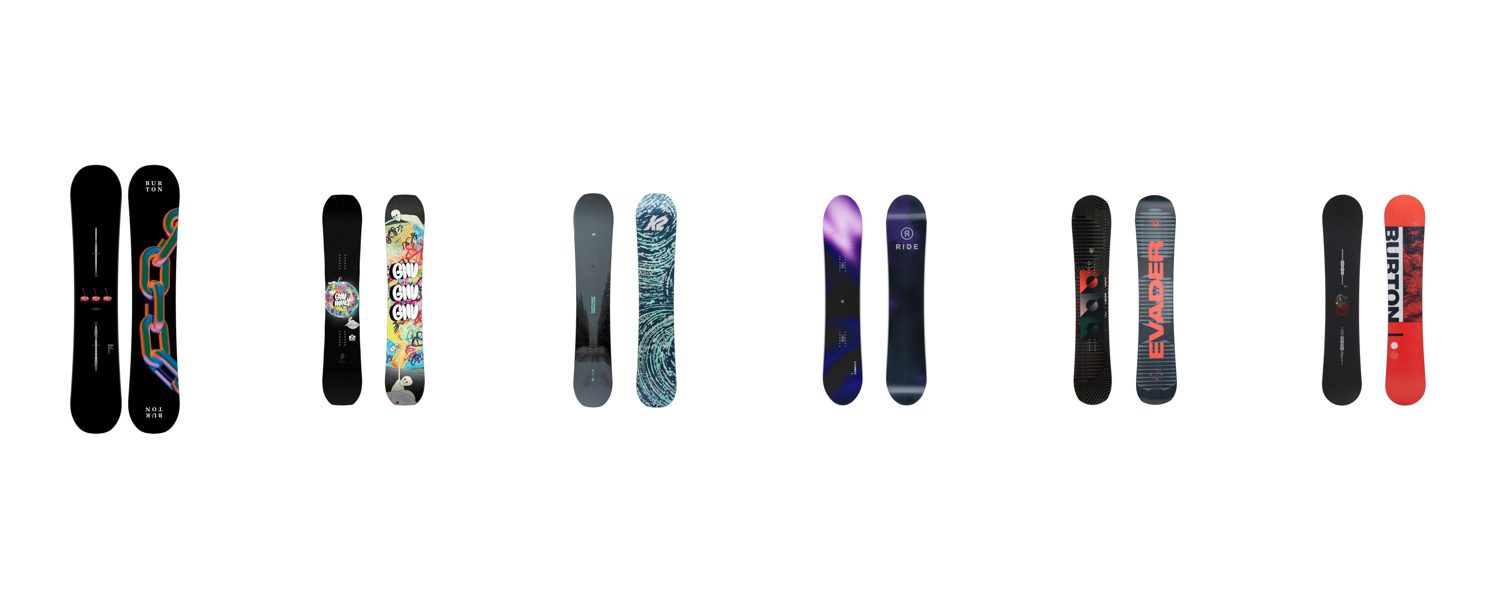
Top 5 Recommended Beginner Snowboards for 2026/27
These boards are proven performers specifically designed for beginner progression. All feature soft-to-medium flex, forgiving profiles, and affordable pricing.
1. Burton Cultivator
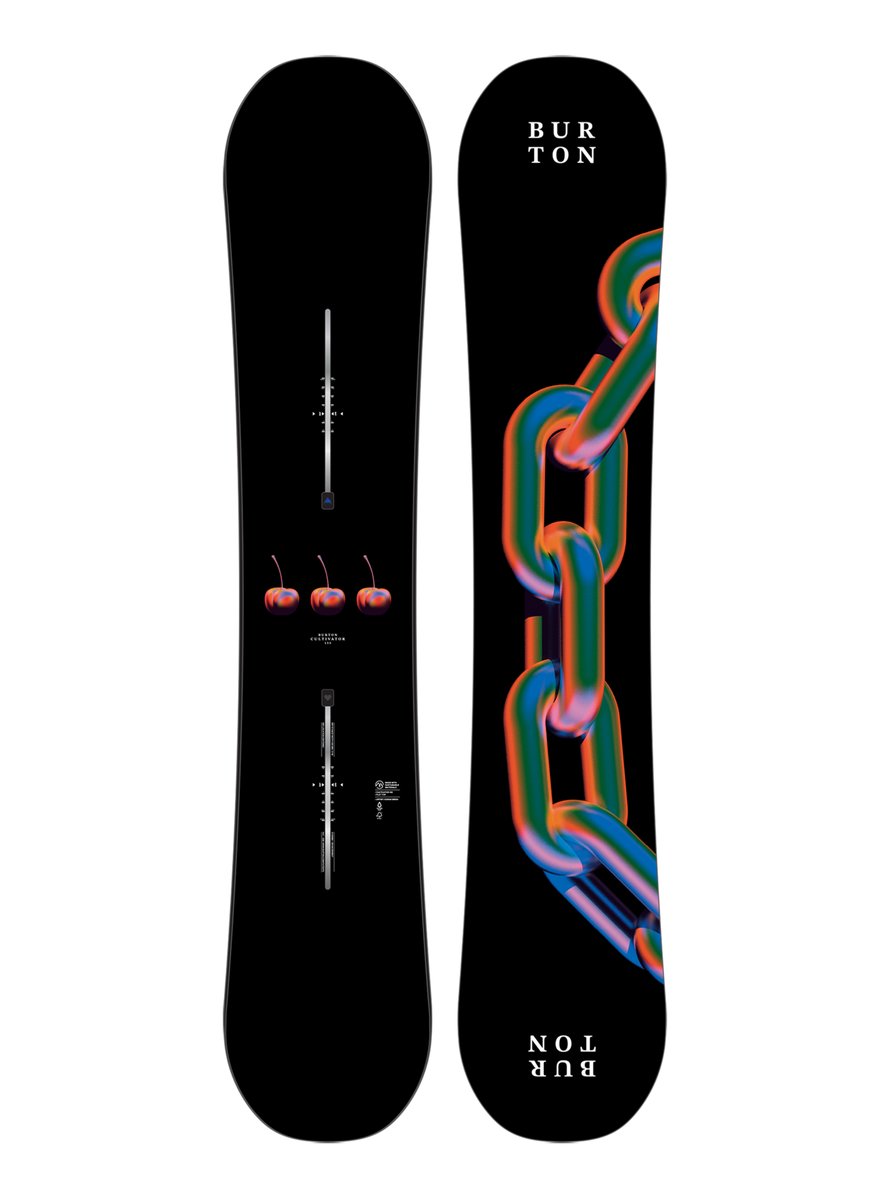
Best For: Absolute beginners seeking an affordable, gender-agnostic all-rounder
Burton's new flagship beginner board, the Cultivator joins the long-running Ripcord in Burton's learner lineup with a gender-neutral size run. It features a soft flex, a true twin shape for switch riding, and Burton's Flat Top profile with Easy Bevel edges: flat between the feet for stability, with beveled early-rise tips that resist edge catch. The Cultivator is specifically engineered to be progression-friendly with technology that makes learning easier.
Key Features: True twin shape, soft flex, Flat Top profile with Easy Bevel, Channel mounting
Price: $429.95 MSRP, typically ~$350 on sale
2. Rossignol Evader
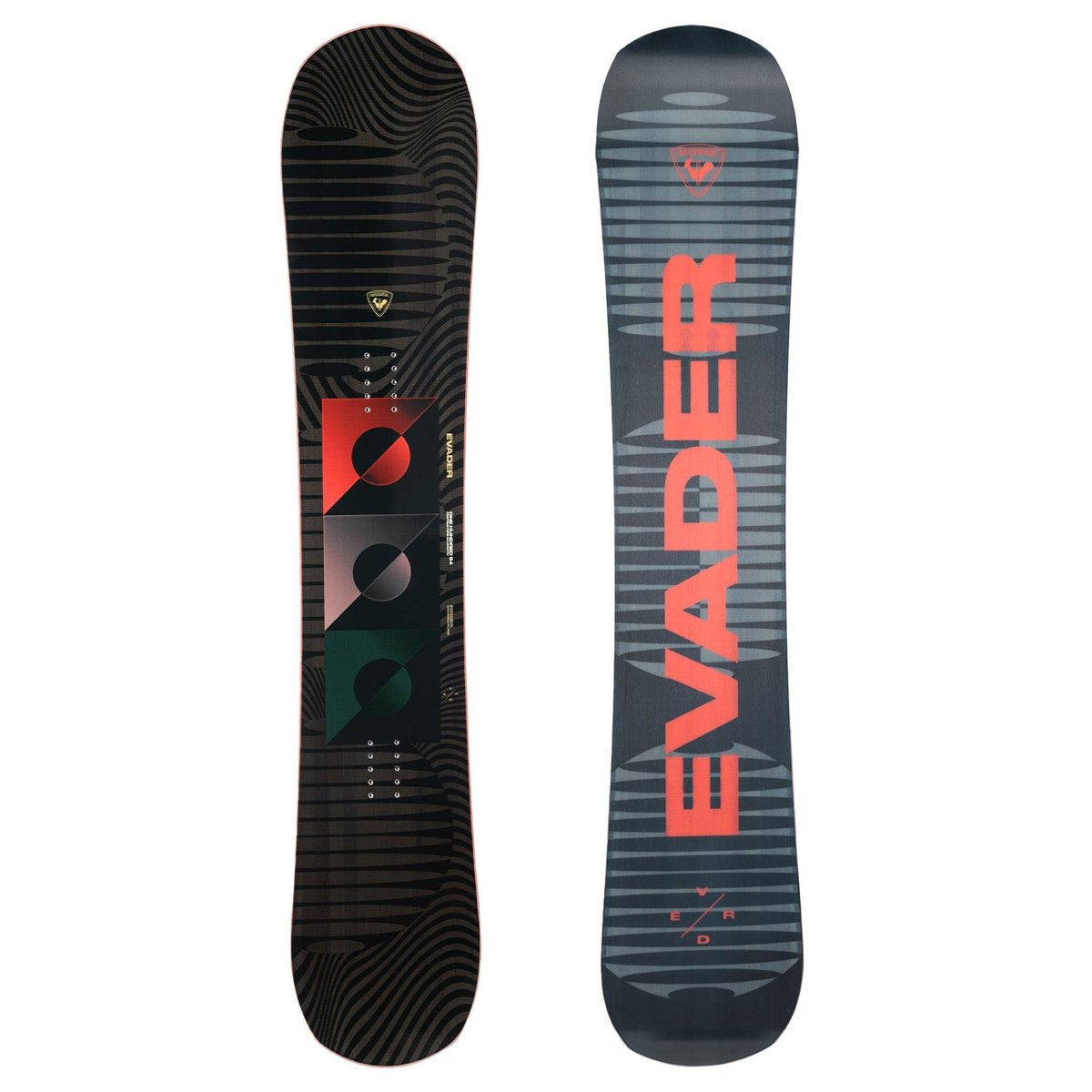
Best For: Beginners wanting an all-mountain board with a playful, forgiving feel
The Evader is a favorite among progression riders. It features a 3/10 flex rating (very soft), an AmpTek Auto-Turn Rocker blending 70% rocker with 30% camber for instant float and easy turn initiation, and a sustainable wood core. The catch-free rocker profile makes it incredibly forgiving for learning.
Key Features: Soft flex (3/10), hybrid rocker profile, AmpTek technology, eco-friendly core
Price: $449.95 MSRP, typically $290-360 on sale
3. K2 Gateway
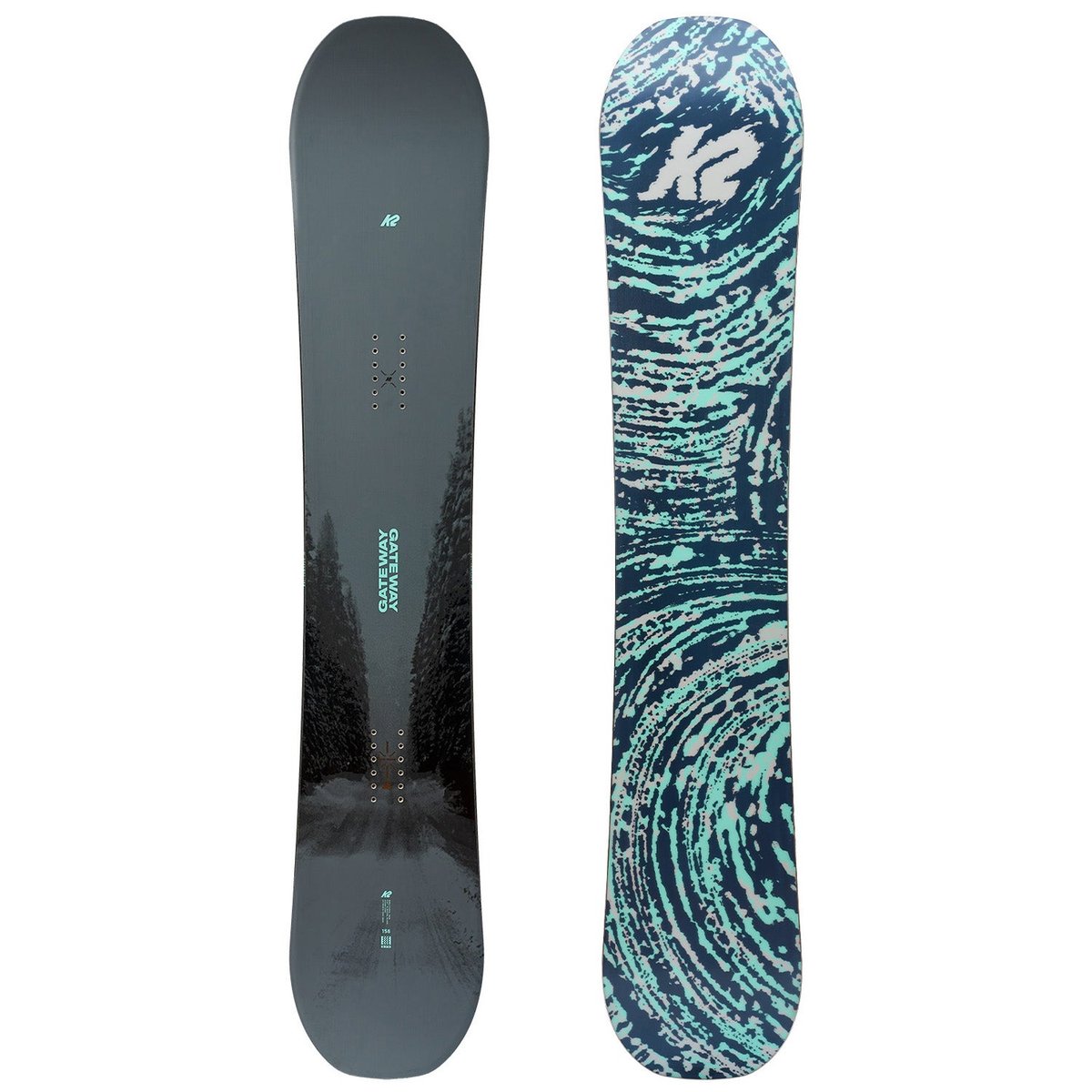
Best For: Beginner-to-intermediate riders seeking a versatile all-mountain performer
The K2 Gateway packs premium tech into an affordable all-mountain package. It features a directional twin shape, medium flex with a snappy aspen core, a catch-free directional rocker profile, and ICG Biax Carbon Glass. The Gateway handles groomed runs, light powder, and even park features. One thing to know: K2 is transitioning this model to the newer, stiffer Gateway Pop, so current Gateway stock is closeout, sizes are thinning while prices are excellent.
Key Features: Directional twin shape, medium flex, directional rocker, carbon stringers
Price: $489.95 MSRP, closeouts near ~$294
4. Ride Compact
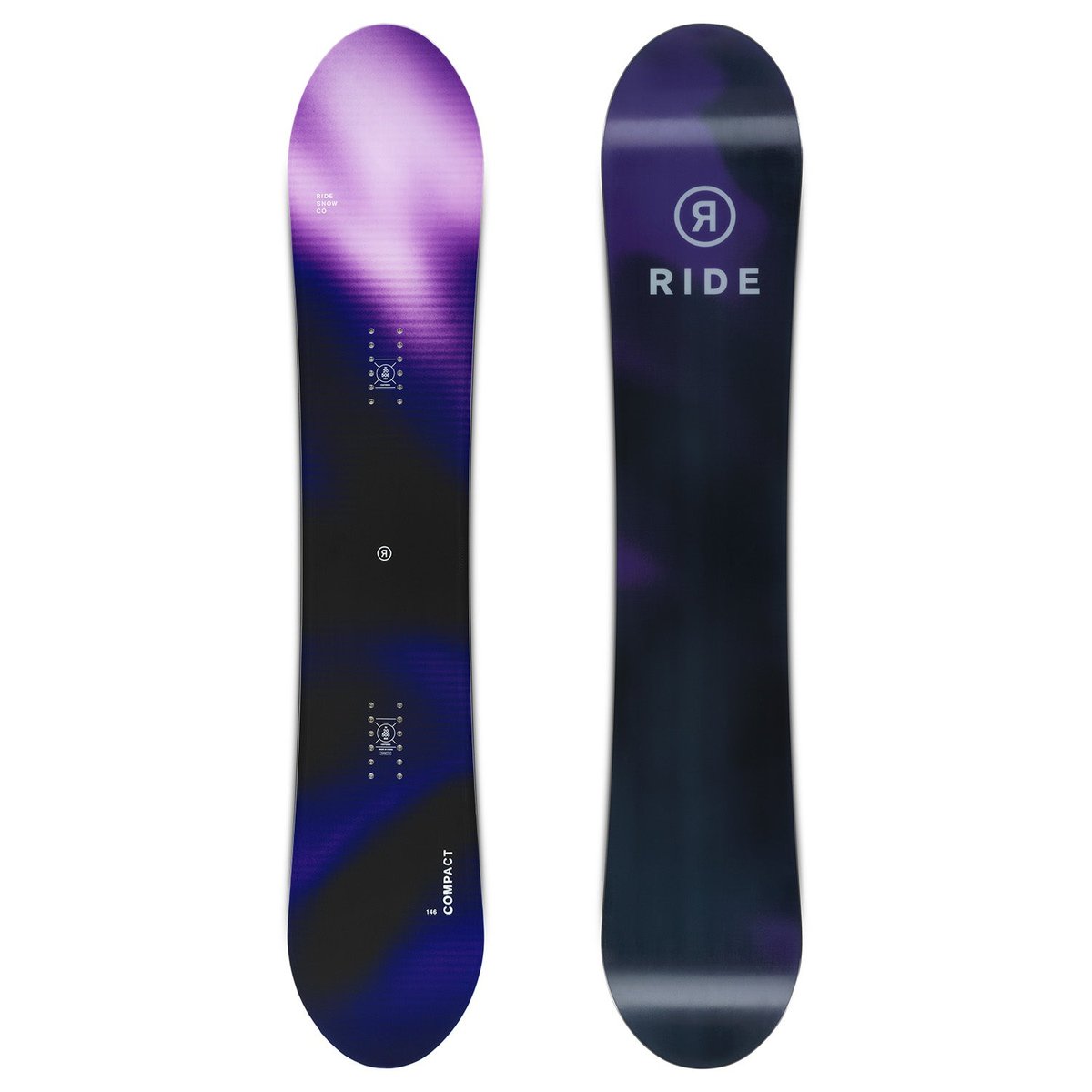
Best For: Women beginners progressing to intermediate riding who value edge hold with a playful character
The Ride Compact is a women's-specific, mellow-flexing directional all-mountain board designed to build confidence from first chair to last lap. It features a standard camber profile for responsive edge hold, a rockered nose for easy turn initiation, and a stable platform that rewards good technique without punishing mistakes. Sizes run 138-154cm; riders wanting the equivalent recipe in a unisex board should look at Ride's Agenda.
Key Features: Directional shape, soft-medium flex, standard camber with rockered nose, responsive feel
Price: $489.95 MSRP, typically $294-400 on sale
5. GNU Money
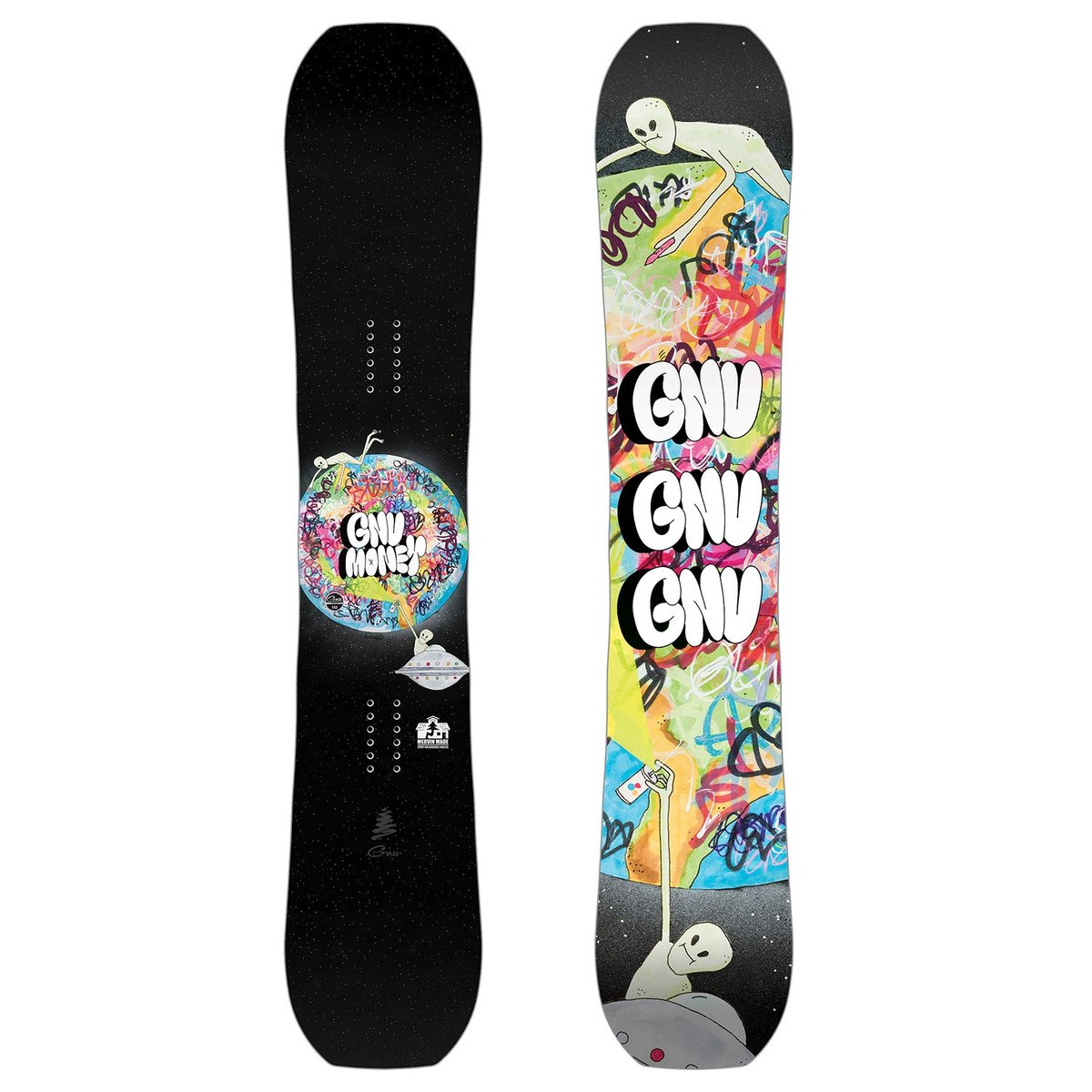
Best For: Beginners who ride hard or icy snow and want US-made quality on a budget
The GNU Money (sold as the Money C2E) is the value star of GNU's line and the board we recommend for learners who face real hardpack and ice. Its C2E profile puts mild rocker between the feet with camber toward the tips, forgiving while you learn but with a real edge when you need it, and GNU's Magne-Traction serrated edges grip icy snow in a way soft learner boards simply cannot. The friendly medium flex and true twin shape make learning switch natural, and like every Mervin board it is handbuilt in Washington State. Reviewers call it a low-budget one-board quiver that shines in hard snow.
Key Features: True twin shape, C2E hybrid profile, Magne-Traction edges, made in USA
Price: $449.99 MSRP, typically ~$315 on sale
Snowboard Comparison: Quick Reference Table
| Board Model | Flex Rating | Profile | Shape | Best For | MSRP (Typical Sale) |
|---|---|---|---|---|---|
| Burton Cultivator | Soft (2-3) | Flat Top (Easy Bevel) | Twin | All beginners, best value | $429.95 (~$350) |
| Rossignol Evader | Very Soft (3/10) | Hybrid Rocker | Directional Twin | Playful progressors | $449.95 (~$290-360) |
| K2 Gateway | Medium (4-5) | Directional Rocker | Directional Twin | All-mountain versatility | $489.95 (~$294) |
| Ride Compact | Soft-Medium (3-4) | Camber w/ Rocker Nose | Directional (Women's) | Building technique | $489.95 (~$294-400) |
| GNU Money | Medium (4-6) | C2E Hybrid | True Twin | Ice grip, switch progression | $449.99 (~$315) |
Rent vs. Buy: Making the Right Call
Should you invest in your own gear or rent for your first season? Here's the decision framework:
Rent If:
- You're uncertain whether you'll stick with snowboarding beyond one season
- You're trying out different board types to see what you prefer.
- You're traveling and don't want to transport gear.
- You have a specific budget limit and want to spend less upfront.
Rental costs typically run $30-60 per day for board, boots, and bindings combined. Over a season (say, 10 days), that's $300-600, not terrible if you value the flexibility.
Buy If:
- You're committed to riding regularly (8+ days per season).
- You have a specific fit or feature preference that rentals don't accommodate.
- You want to develop consistency with the same equipment.
- You live near a resort and can ride frequently.
If you'll ride 15+ days per season, buying pays for itself within 2-3 seasons. Even budget gear is a solid investment at that frequency.
Hybrid Approach: Buy boots and outerwear (items that are highly personal and need proper fit), and rent the board for your first few days while you decide what style you prefer. Then buy a board once you know whether you prefer all-mountain or freestyle characteristics.
Frequently Asked Questions
A: Technically yes, but you shouldn't. Snowboard boots are designed for riding, not walking, and wearing them casually will damage the soles and reduce your board connection. Save them for the mountain.
A: Soft boots are flexible and forgiving, ideal for general riding and learning. Park boots are even softer and lighter, designed specifically for tricks and jumps. For beginners, soft boots are the right choice. Park boots are for freestyle specialists.
A: Yes. Jackets don't protect your wrists, the impact from a fall goes directly to your wrist joints. Wrist guards are cheap insurance against sprains and fractures. Wear them, especially in your first season.
A: This is tempting logic, but it doesn't work. Stiffer boards require more strength and technical precision to control. A softer board actually lets you progress faster because it's more forgiving and lets you focus on technique rather than fighting the equipment. Start soft, upgrade to stiffer boards as your skills improve.
A: Professional waxing every 5-10 days of riding keeps your base in optimal condition and maintains speed. If you're riding a few days per season, waxing every 20-30 days is fine. Most rental shops include maintenance, so if you rent, don't worry about it. If you buy, plan on $20-40 per professional waxing or learn to DIY for about $30 in tools.
A: Not necessarily. While riding the same board as a friend can be fun for comparing notes, your ideal board depends on your weight, height, riding style preferences, and budget. Buy what works for your body and goals. Different boards will teach you different things, and that's valuable.
Final Tips for Beginners
As you gear up for your first season, remember these key principles:
- Fit trumps features. A properly fitting boot and helmet matter more than any fancy technology.
- Softer is better for learning. You can always progress to stiffer gear; starting stiff just makes learning harder.
- Quality outerwear is non-negotiable. Wet, cold gear ruins riding faster than anything else. Spend appropriately here.
- Never skip the helmet. Seriously. Head injuries are not worth the risk.
- Test gear in your conditions. If you live in a cold, dry climate, different gear works best than if you live in a wet, mild climate. Test goggles and jackets in your actual environment if possible.
- Be patient with the learning curve. You will fall. You will get cold. You will question why you're doing this. This is normal. Thousands of beginners get through it every season, and so will you.
Snowboarding is an incredibly rewarding sport, and with the right gear, your first season will be far more enjoyable and comfortable. Take time to research and fit-test, invest in the pieces that matter most (boots, helmet, outerwear), and don't overthink the rest. You're ready to hit the slopes, now get out there and have fun.