The Best Women's Ski Boots of 2026/27: Four Boots That Fit Right
Affiliate disclosure: As an Amazon Associate we earn from qualifying purchases. Some links below are affiliate links, see our full disclosure. Recommendations are based on our independent research of current-season gear, specifications, and aggregated expert and user feedback.
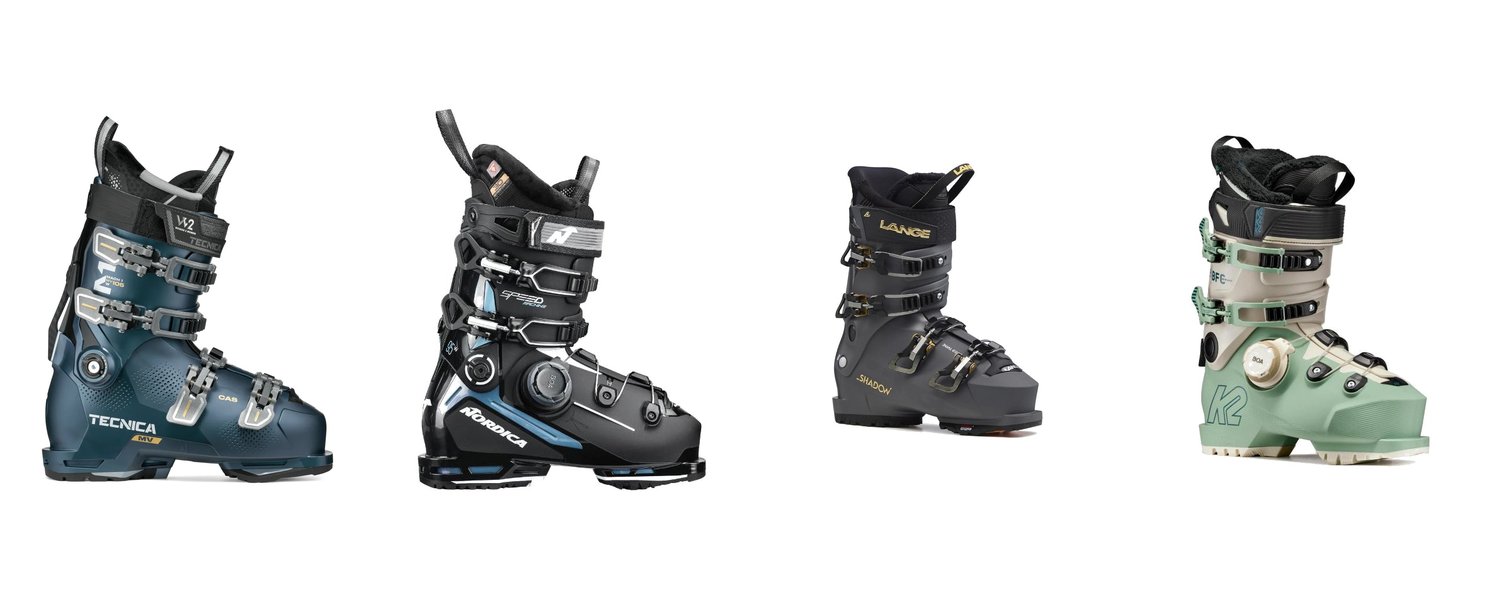
A women's ski boot is not a shrunken men's boot, or it shouldn't be. Women tend to have a lower calf muscle, a narrower heel relative to the forefoot, and less mass driving the ski, so cuff height, liner shape and flex all need to change. The four boots here get that right in four different ways: a moldable all-mountain benchmark from Tecnica, Nordica's BOA-equipped cruiser, the Lange that swept this season's bootfitter testing, and a genuinely wide, warm K2 for skiers who have given up on comfortable boots. Prices run from about $500 to $800, and every pick links to a full breakdown.
Quick Comparison
| Boot | Best For | Flex / Last | Price |
|---|---|---|---|
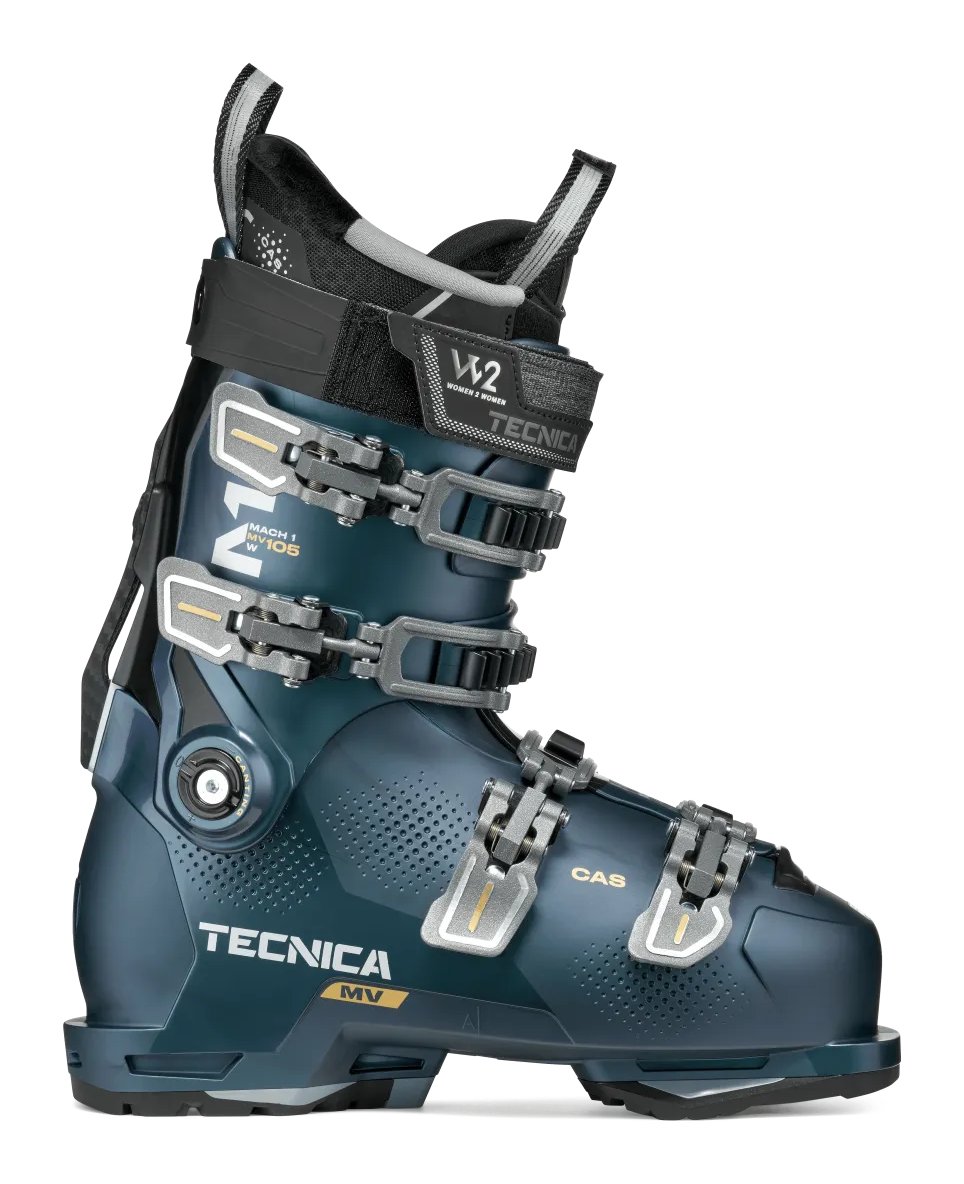
| Tecnica Mach1 MV 105 W | Overall | 105 / 100 mm | ~$800 |
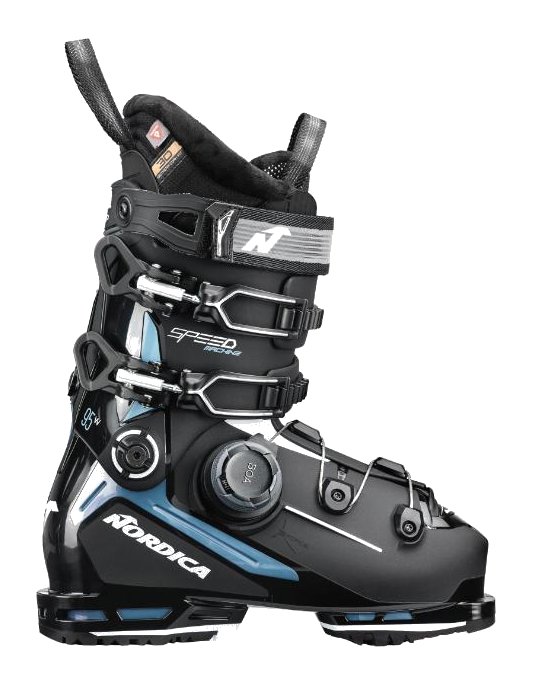
| Nordica Speedmachine 3 BOA 95 W | BOA all-mountain | 95 / 100 mm | ~$700 |
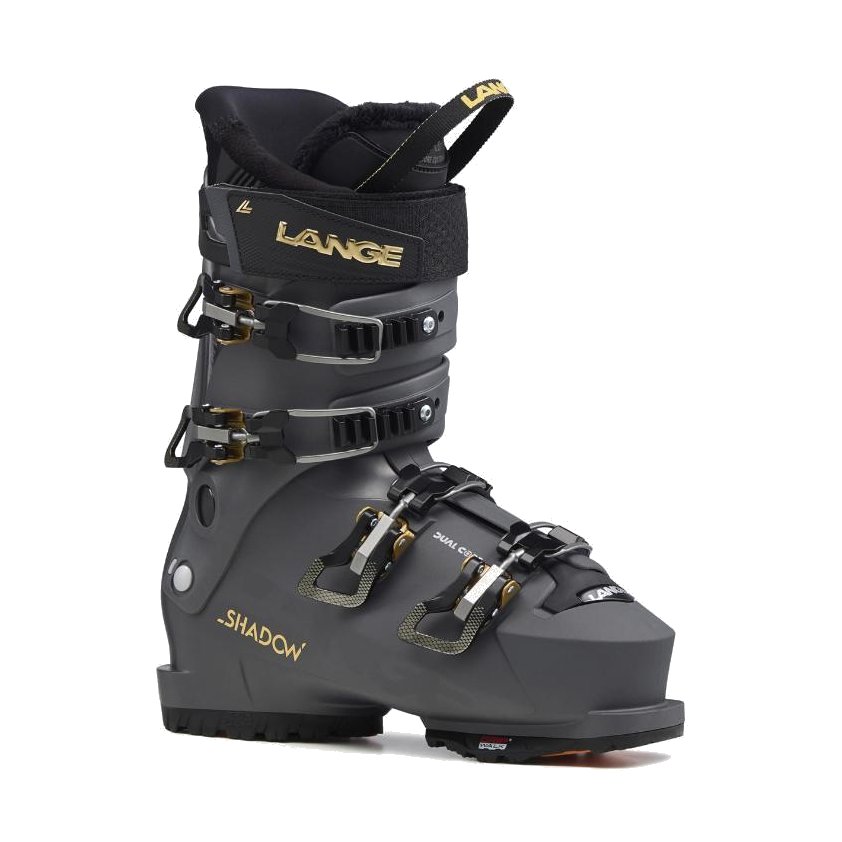
| Lange Shadow 85 W MV | Progressing intermediates | 85 / 100 mm | ~$600 |
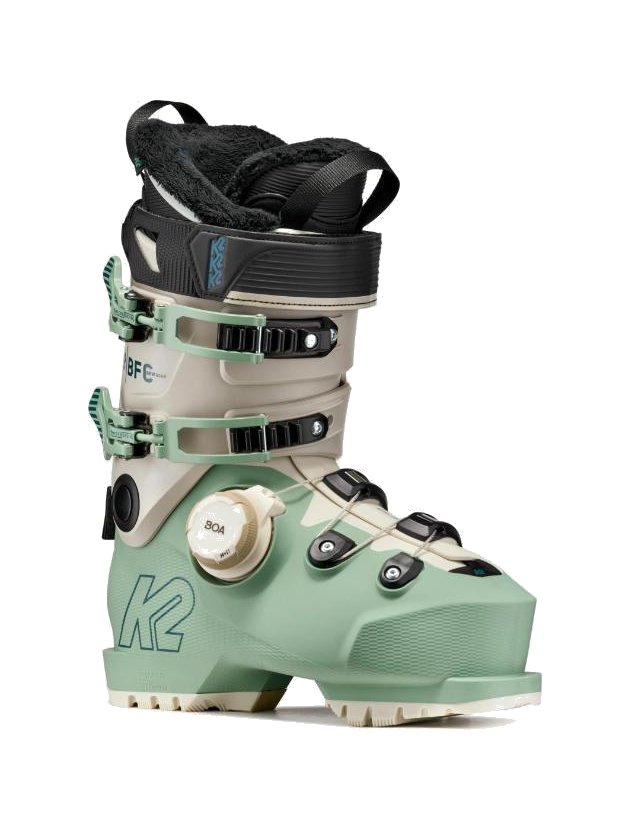
| K2 BFC 85 BOA W | Wide feet & comfort | 85 / 102-103 mm | ~$500 |
Our Picks
How to Choose a Women's Ski Boot
Fit beats flex, every time
Shell fit decides everything downstream. Measure your foot in centimeters and match it to the mondo size; most skiers wear a ski boot a full size smaller than their street shoe suggests. Our ski boot sizing guide walks through the shell check in detail. Width matters just as much: all four picks here come in roughly 100 mm versions, but the K2 runs 102-103 mm and Tecnica sells the Mach1 in LV (98 mm) and HV (103 mm) versions of the same boot.
What flex number you actually need
Women's boots commonly run from about 75 to 115. A true beginner is happiest at 75-85, a progressing intermediate at 85-95, and strong, fast skiers at 105 and up. Don't buy stiffness you can't bend: a boot you cannot flex forward puts you in the back seat, and that is slower and more tiring than any soft boot.
BOA or buckles?
BOA dials on the lower shell wrap the forefoot more evenly than two buckles and are easy to adjust with gloves on. Buckles still close with more raw force and have fewer parts to break. Two of our four picks use BOA; none of this replaces a proper shell fit.
Spend money on the liner work, not just the boot
Every boot here has a heat-moldable liner, and the Tecnica and Nordica have moldable shells too. A $50-100 session with a good bootfitter turns a close fit into a great one, and it is worth more than a flex upgrade.
Frequently Asked Questions
Are women's ski boots really different from men's?
Yes, in concrete ways: a shorter, often flared cuff for lower calf muscles, a narrower heel pocket, warmer liners, and softer flexes at each level. A woman with a tall calf or a wide foot can absolutely ski a men's or unisex boot; the women's versions just fit more people more often.
What size women's ski boot should I buy?
Match your foot length in centimeters to the mondo size, then do a shell check: with the liner out and your toes touching the front, you want 1-2 cm behind your heel for a performance fit. Our boot sizing guide covers the full process.
Is a 95 flex too stiff for an intermediate woman?
Usually not, if the boot is a comfort-oriented design like the Speedmachine. A lighter skier under about 130 lb, or anyone brand new to the sport, is better served at 85.
Do I need a walk mode on a resort boot?
No. Of these four, only the K2 has one, and it is a convenience for the parking lot rather than a touring feature. GripWalk soles, which all four picks have, do more for everyday walking comfort.
Skiing with a partner who needs boots too? Our main ski boots guide covers the men's and unisex side of the wall, and our women's all-mountain ski guide pairs well with any boot on this page.