The Best Ski Balaclavas and Neck Gaiters of 2026/27
Affiliate disclosure: As an Amazon Associate we earn from qualifying purchases. Some links below are affiliate links, see our full disclosure. Recommendations are based on our independent research of current-season gear, specifications, and aggregated expert and user feedback.
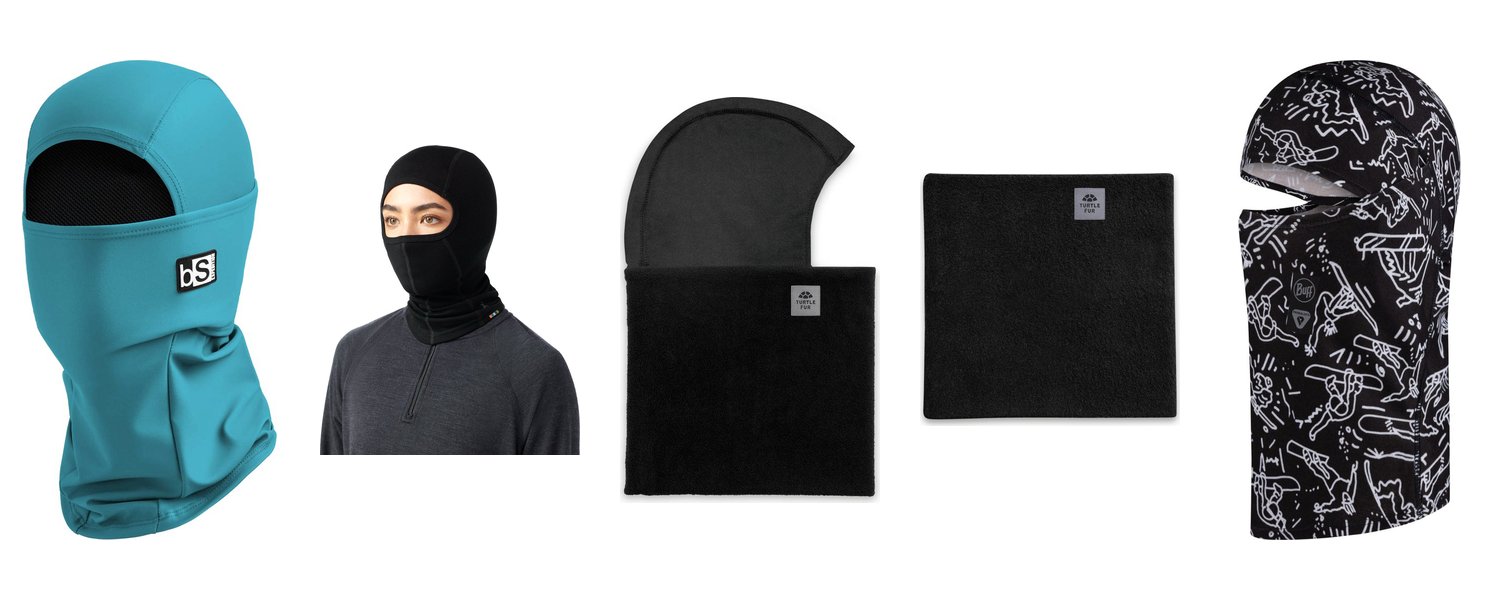
Nobody budgets for face protection. You spend a thousand dollars on skis and boots, then discover on the first minus-15 chairlift ride that the $30 item you skipped is the one you miss most. A good balaclava or neck gaiter is the cheapest comfort upgrade in skiing, and the differences between a great one and a drawer-filler come down to fabric, layering, and how the hood behaves under a helmet. Based on our research across current-season models, brand specs, and thousands of owner reviews, these five cover every budget and every kind of cold.
Quick Comparison
| Pick | Best For | Fabric | Price |
|---|---|---|---|
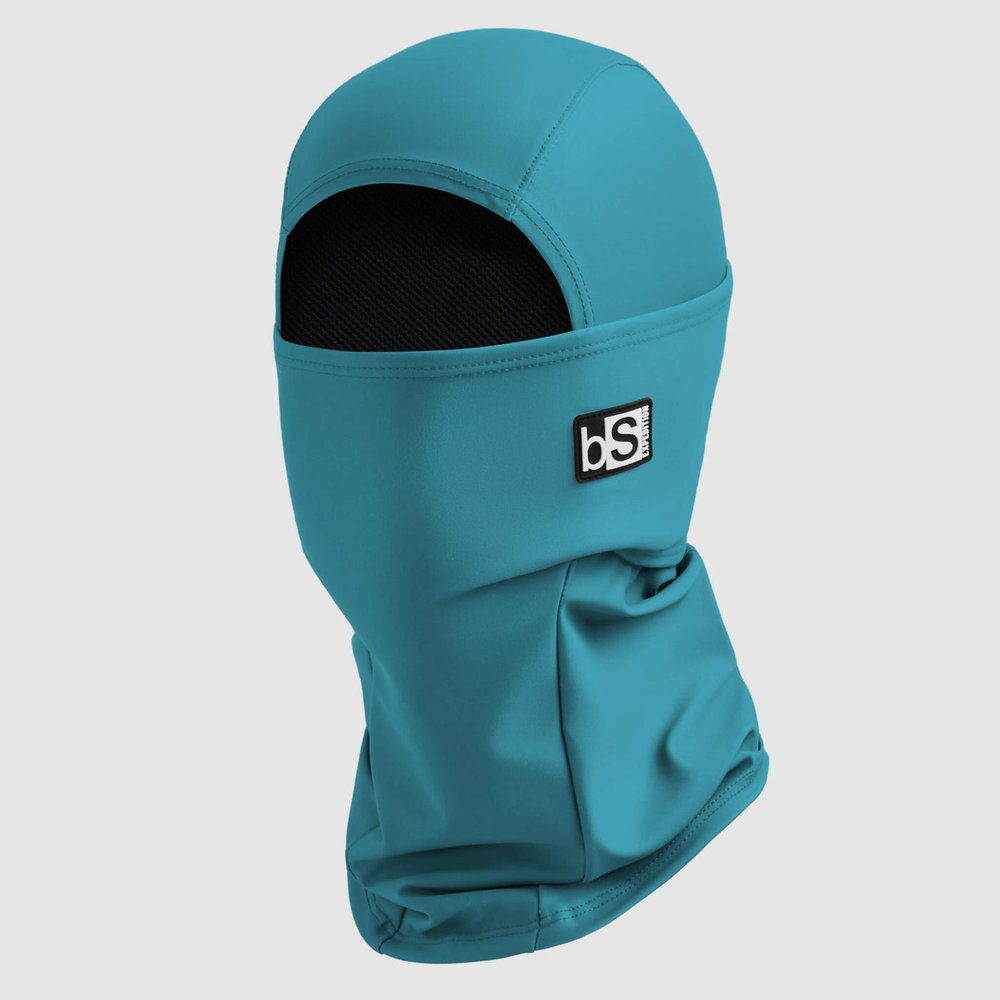
| BlackStrap Expedition Hood | Overall | Dual-layer synthetic, UPF 50+ | ~$40 |
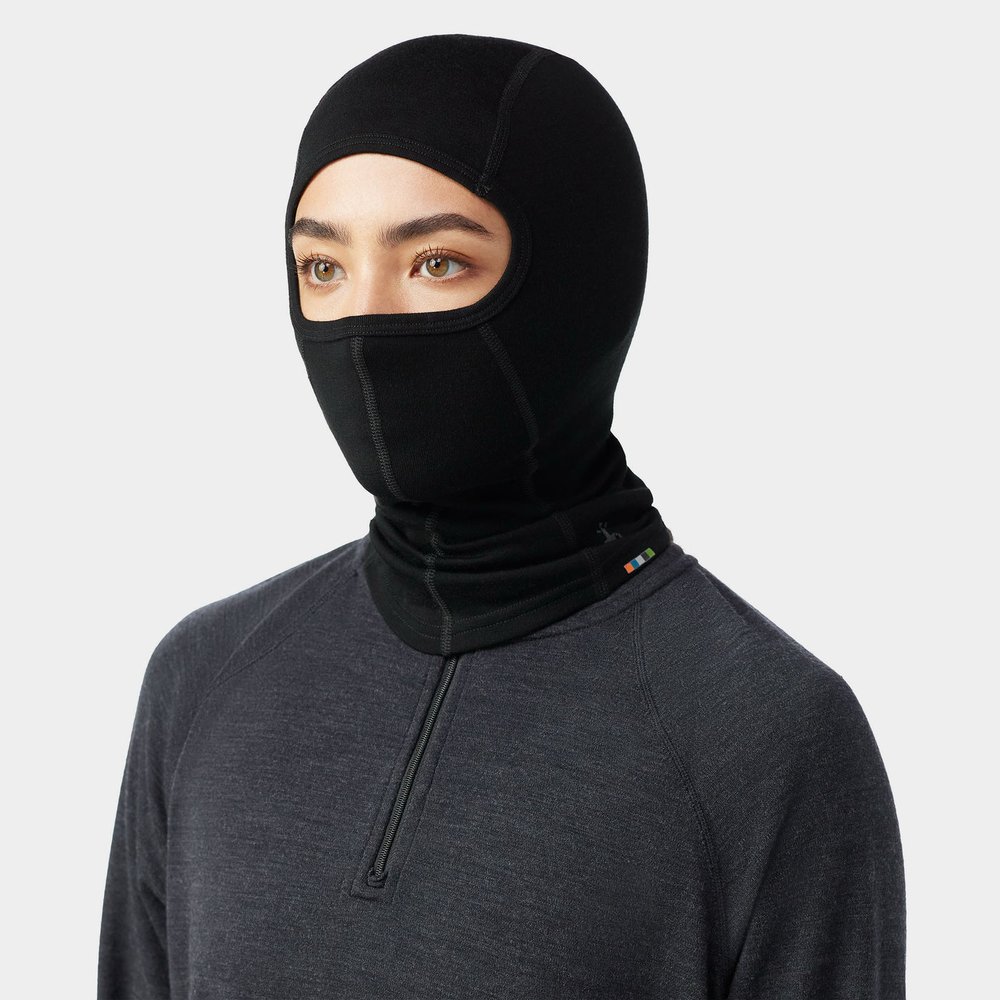
| Smartwool Thermal Merino Balaclava | Merino comfort | 100% merino wool | ~$45 |
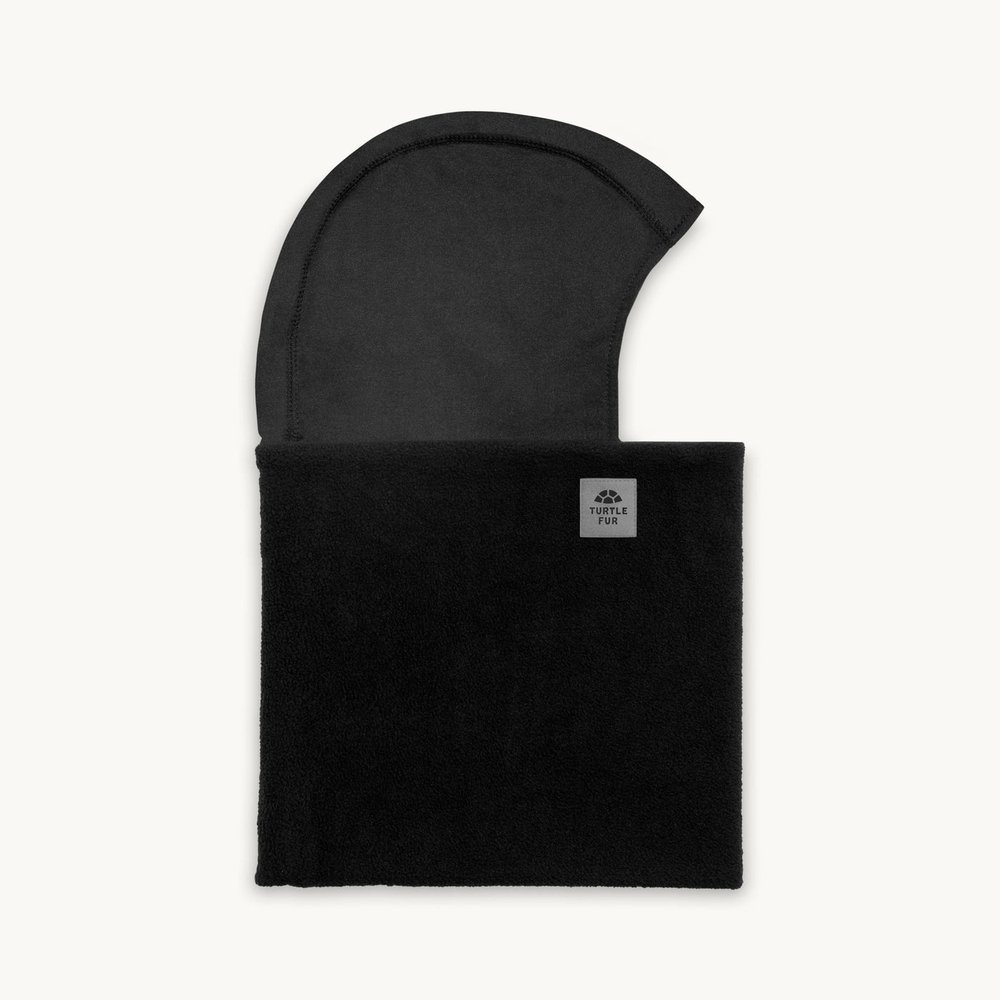
| Turtle Fur Shellaclava | Warmest neck coverage | Double-layer fleece + stretch hood | ~$32 |
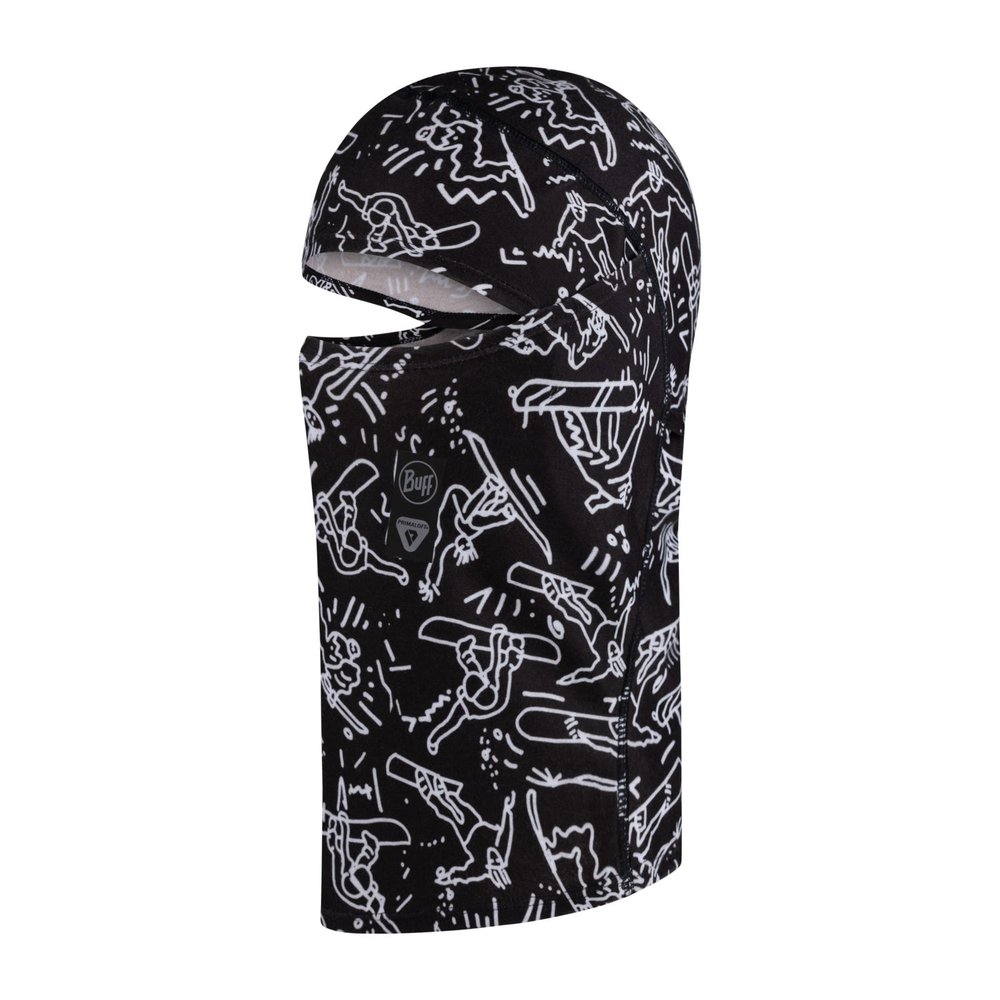
| Buff ThermoNet Hinged Balaclava | High-output days | PrimaLoft yarn knit | ~$44 |
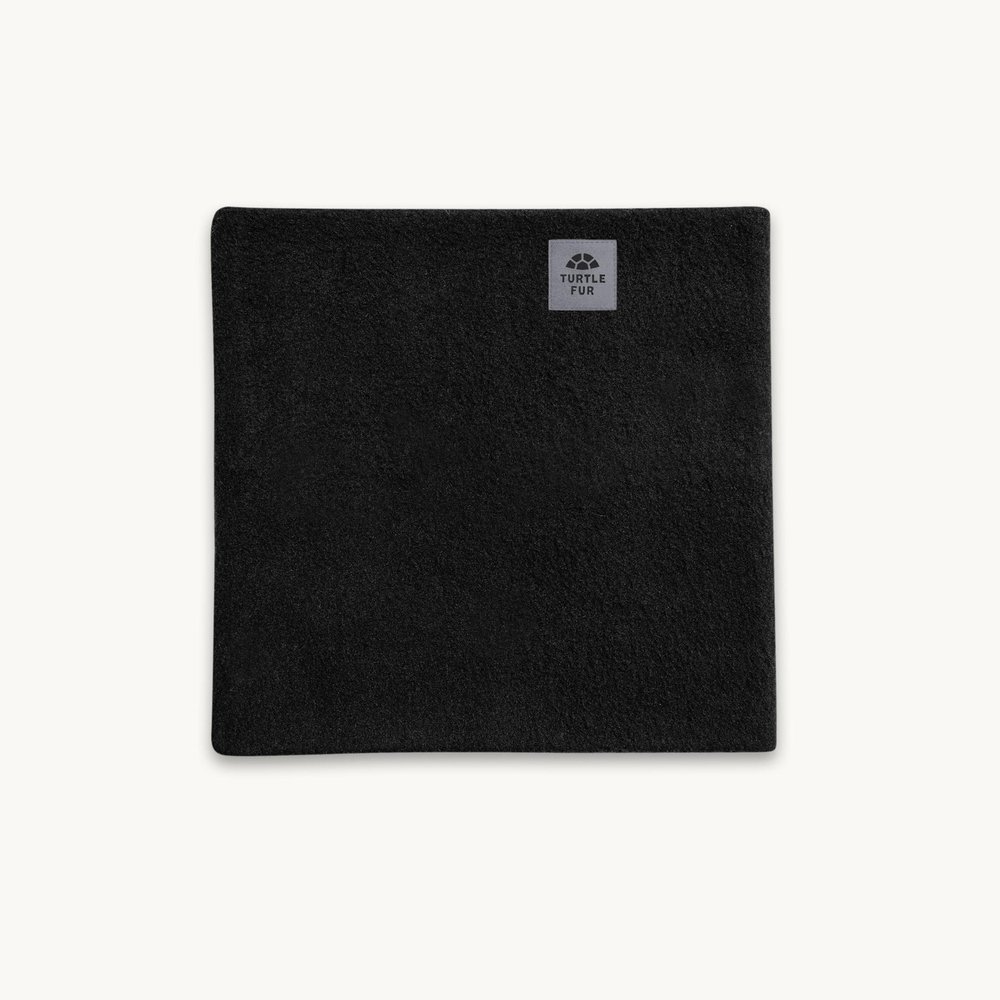
| Turtle Fur The Turtle's Neck | Budget classic | Double-layer acrylic fleece | ~$22 |
Our Picks
How to Choose Face Protection for Skiing
Match the fabric to your output. Deep-pile fleece (the two Turtle Fur picks) holds the most heat but breathes the least, which is fine on a chairlift and sweaty on a bootpack. Thin technical knits like ThermoNet or merino move moisture better and suit skiers who work hard between lifts.
Think in zones. Your neck wants bulk; your crown wants almost nothing, because the helmet already insulates it. The best designs here, the Shellaclava especially, use different fabrics for each zone instead of one compromise material everywhere.
Check the face opening. You will pull the mask up and down fifty times a day. Hinged or adjustable openings (Buff, BlackStrap) move without dragging the whole hood; simple fixed openings rely on stretch and can gape or ride up. And keep the top edge of the mask out of your goggles, or you will fog them.
Merino or synthetic? Merino wins on odor and temperature regulation, synthetics on durability, drying speed, and price. If you often ski several days between washes, merino earns its premium. If a mask lives in your jacket pocket getting soaked and crumpled, synthetics take the abuse better. For the layer under your jacket, the same logic applies: see our base layer guide.
Buying for kids? Most of these come in youth versions, and a gaiter is usually easier than a balaclava for younger skiers. Our kids' ski gear guide covers the rest of the checklist.
Frequently Asked Questions
Balaclava or neck gaiter: which one do I actually need?
A gaiter covers the neck and can be pulled over the chin; a balaclava adds the head and ears. If you ski storm days, ride fast groomers in January, or run cold, get a balaclava. For spring laps and mild climates, a gaiter is plenty and easier to stash.
Will a balaclava fit under my ski helmet?
Every balaclava in this guide is cut to sit under a helmet. The practical test is thickness at the crown: thin stretch panels like BlackStrap's or Smartwool's single-layer merino disappear under a lid, while heavy fleece hoods can change how a snug helmet fits. If your helmet is already tight, pick a thin hood and keep the warmth at the neck.
How do I stop my goggles fogging over a face mask?
Keep the mask out of the goggle frame and let your breath escape downward, not up into the lens. Masks with a shaped nose or breathing zone, like the hinged Buff or BlackStrap's adjustable opening, help a lot. Our goggle lens guide covers the rest of the anti-fog basics.