The Best Kids' Ski Gear of 2026/27: Head-to-Toe Picks That Grow With Them
Affiliate disclosure: As an Amazon Associate we earn from qualifying purchases. Some links below are affiliate links, see our full disclosure. Recommendations are based on our independent research of current-season gear, specifications, and aggregated expert and user feedback.
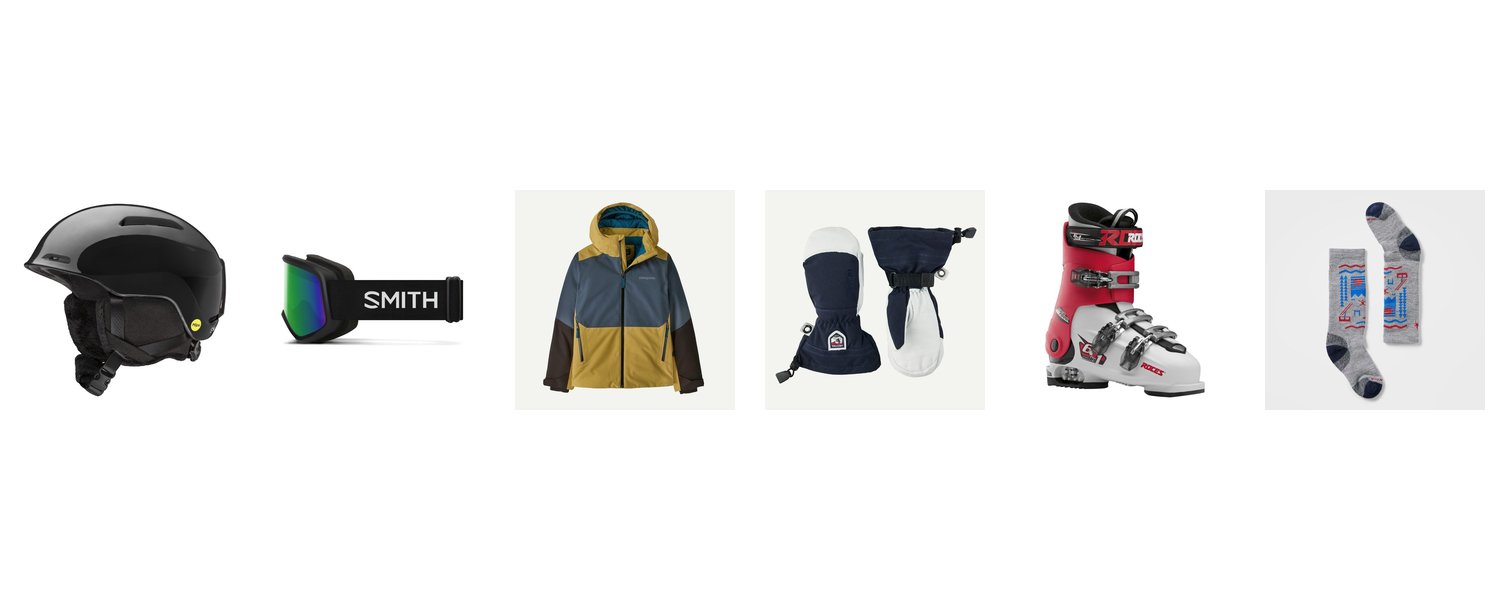
Outfitting a kid for the mountain is a math problem: they outgrow everything in a season or two, yet cold, wet, or uncomfortable gear is the fastest way to end a ski day by 11 a.m. The trick is spending where warmth and safety live (helmet, mittens, socks) and buying smart where growth hurts most (boots and outerwear with room to grow). Based on our research across current-season kids' gear, these six picks cover a young skier head to toe, from about $18 for merino socks to roughly $250 for a jacket built to last more than one winter.
Quick Comparison
| Gear | Category | Why It Wins | Price |
|---|---|---|---|
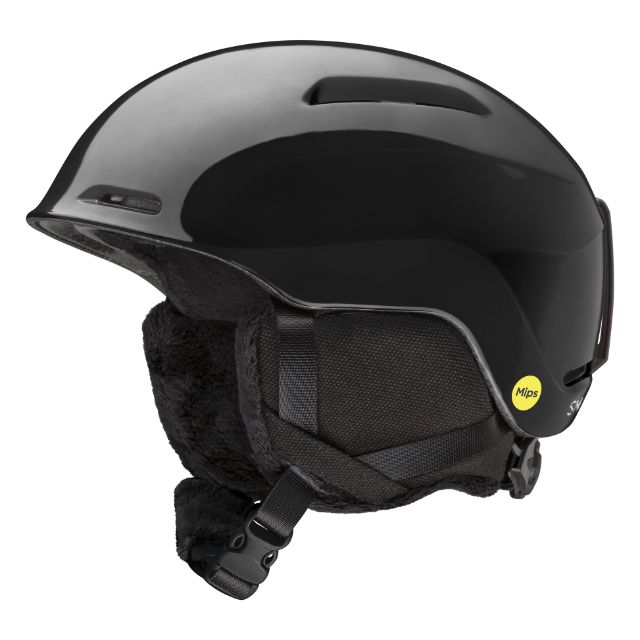
| Smith Glide Jr. MIPS | Helmet | MIPS, widest youth size range | ~$110 |
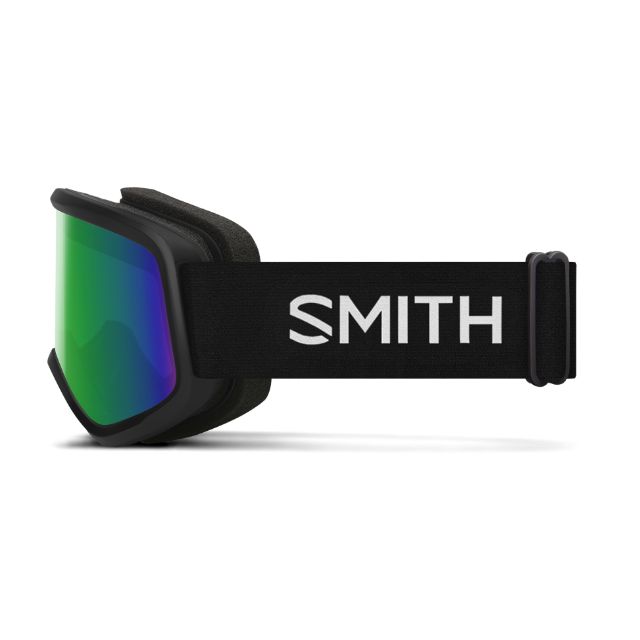
| Smith Snowday | Goggles | Adult-grade lens, kid-size fit | ~$50 |
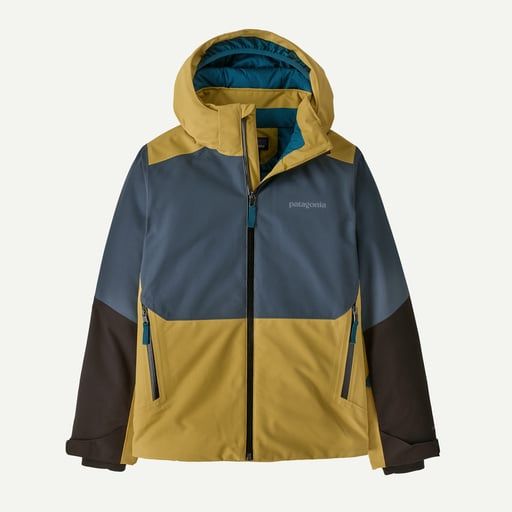
| Patagonia Kids' Powder Town Jacket | Jacket | Waterproof shell, grow-fit sleeves | ~$250 |
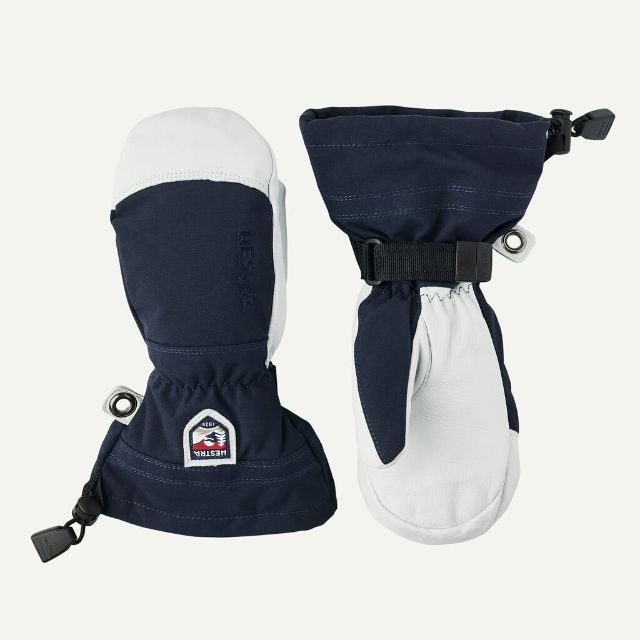
| Hestra Heli Ski Jr. Mitt | Mittens | Leather palm, removable liner | ~$120 |
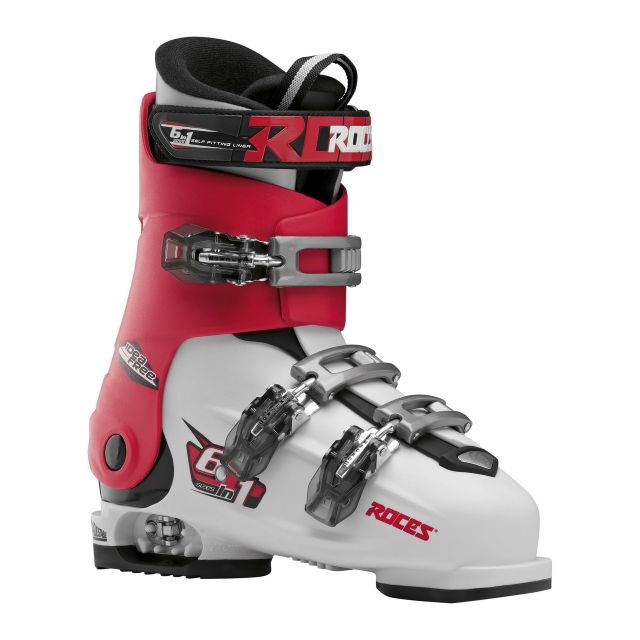
| Roces Idea Free | Boots | Adjusts across 6 sizes | ~$150 |
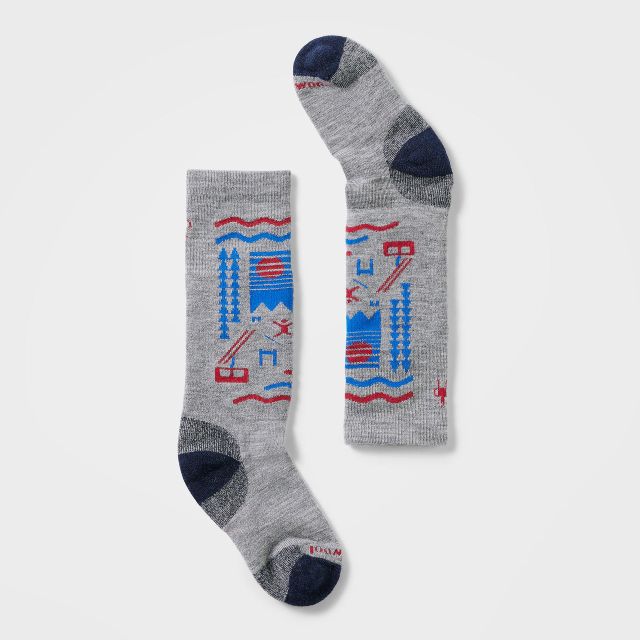
| Smartwool Kids' Wintersport OTC | Socks | Merino warmth, no bulk | ~$18 |
Our Picks
How to Buy Ski Gear Kids Won't Outgrow by February
Size the helmet and boots for now, not for later. A loose helmet doesn't protect and a too-big boot doesn't steer. Use adjustable systems (fit dials, the Roces crank) to add growth room safely instead of buying up a size.
Buy outerwear with built-in growth. Extendable sleeves and pant cuffs, common on Patagonia, Reima, and other quality brands, add an honest extra season. A jacket one size up with the sleeves rolled works too; just make sure the hood still fits over the helmet.
Skip cotton entirely. Cotton next to skin gets wet and stays wet. Merino or synthetic base layers and socks are the difference between a full day and a meltdown at lunch.
One warm pair of mittens beats three cheap ones. Mittens outperform gloves for warmth in young kids because fingers share heat. Removable liners halve drying time between days.
What About Skis?
We left skis off this list deliberately. Most families are better off renting or joining a seasonal lease program until a child is skiing regularly and has stopped growing a boot size a year: lease programs typically cost less than one new setup and swap sizes mid-season if needed. Once your kid is committed, buy boots first (fit matters most), then skis. Our guide to buying your first skis covers the sizing logic, which applies to teens as well.
Frequently Asked Questions
Is MIPS worth it in a kids' helmet?
Yes. Kids fall more often than adults, and angled impacts (the kind MIPS is designed for) are the most common type in skiing. The premium over a basic youth helmet is usually $20-30.
Should I buy used kids' ski gear?
Jackets, pants, socks, and goggles: absolutely, if they're in good shape. Helmets: no, unless you know the full history, because foam is engineered to crush once and damage can be invisible. Used boots are fine if the shell and buckles are intact and the liner isn't packed out.
How should kids' ski boots fit?
Snug heel, toes just brushing the front when standing upright, pulling back when the knee flexes forward. One thin merino sock, never two. If the boot only fits with doubled socks, it's too big.
Mittens or gloves for young kids?
Mittens until they ask for gloves. They're warmer, easier to pull on, and easier to dry. Look for long gauntlet cuffs that go over the jacket sleeve so snow stays out on every fall.