The Best Ski & Snowboard Travel Bags of 2026/27
Affiliate disclosure: As an Amazon Associate we earn from qualifying purchases. Some links below are affiliate links, see our full disclosure. Recommendations are based on our independent research of current-season gear, specifications, and aggregated expert and user feedback.
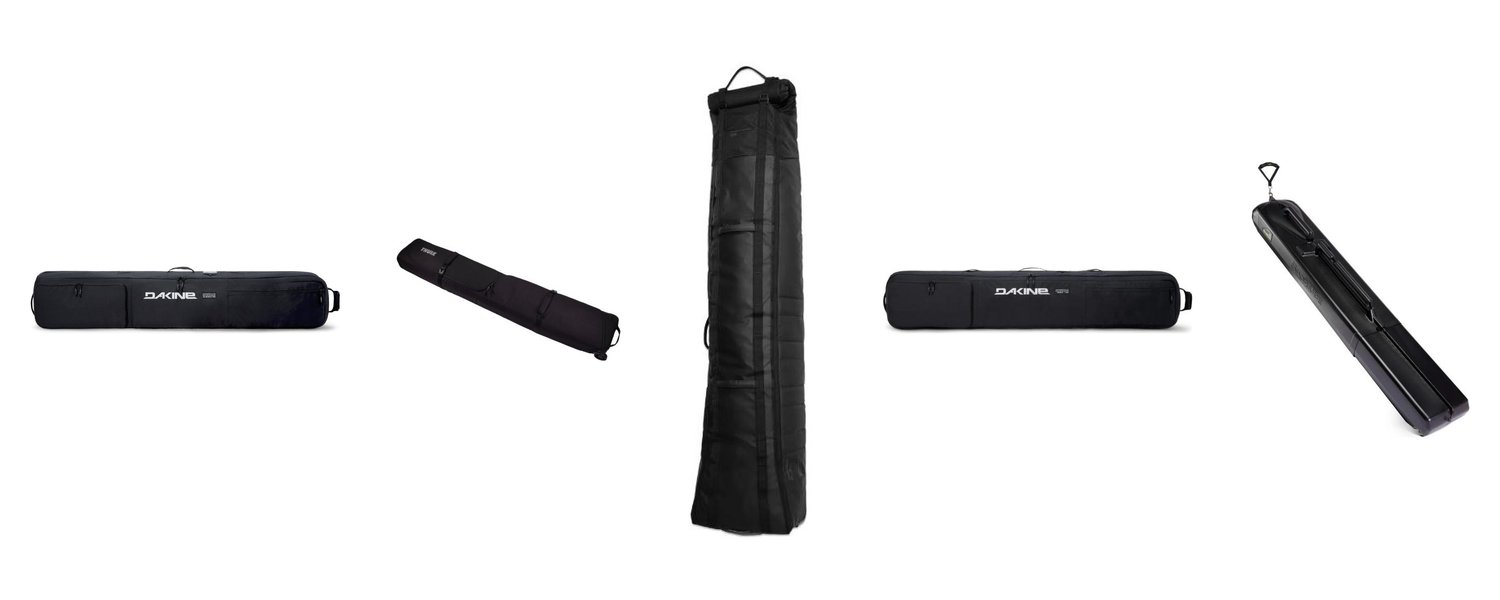
Flying with skis is cheaper than most people think: nearly every major airline now counts a ski or snowboard bag plus a boot bag as one standard checked item. The catch is the 50-pound limit and the baggage carousel, which treats your gear like freight. A proper travel bag solves both problems. It protects edges and bindings from the throw-and-stack treatment, rolls through terminals without wrecking your shoulder, and swallows enough outerwear to shrink your other luggage. Based on our research across current-season bags, including airline-tested reviews and hundreds of user reports, these five earn a spot in the cargo hold this winter.
Quick Comparison
| Bag | Best For | Capacity | Price |
|---|---|---|---|
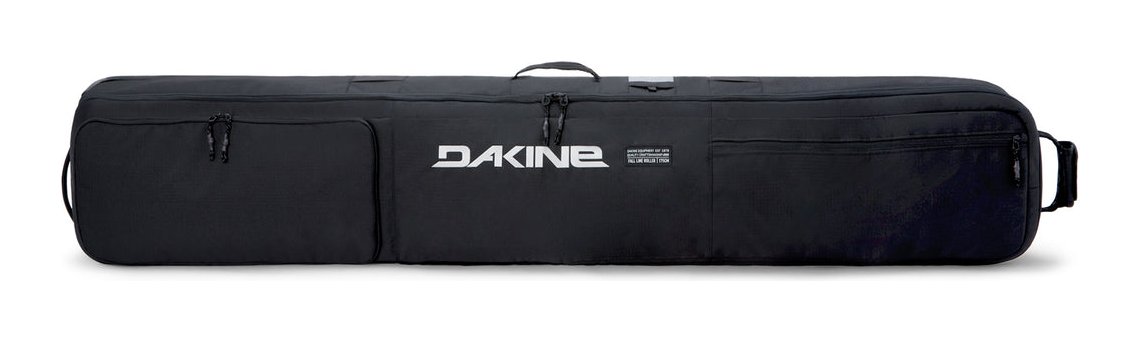
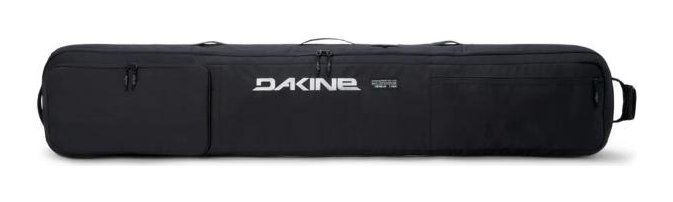
| Dakine Fall Line Ski Roller | Overall (skis) | 2 pairs + boots | ~$220 |
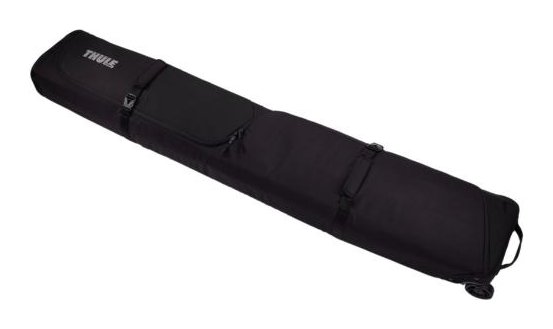
| Thule RoundTrip Ski Roller 192cm | Organization | 2 pairs + poles | ~$300 |
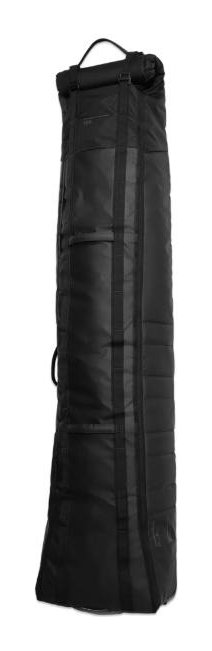
| Db Snow Roller Pro | Premium / storage | 127L, 2 pairs or boards | ~$370 |
| Dakine Low Roller | Snowboarders | 2 boards + boots | ~$215 |
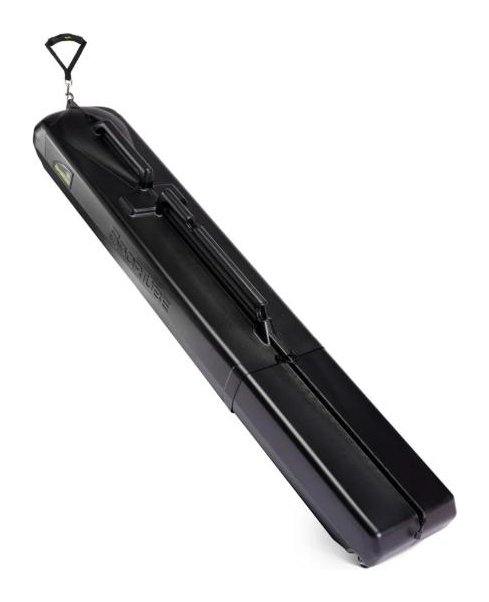
| Sportube Series 2 | Hard-shell protection | 2 pairs of skis | ~$220-250 |
Our Picks
How to Choose a Ski or Snowboard Travel Bag
Soft or hard? Soft rollers are lighter, cheaper to fly with, and fold away in the off-season; they rely on your packing to protect the gear. Hard cases like the Sportube protect regardless of how carelessly they are thrown, at the cost of weight, storage bulk, and living-out-of-it convenience. Frequent flyers with expensive race or powder skis lean hard; everyone else is usually happier soft.
Count the weight before the airport. A 50-pound limit sounds generous until you load two pairs of skis (around 16-20 lbs), boots (10 lbs), the bag itself (6-12 lbs), and a week of outerwear. Weigh the packed bag at home; a luggage scale costs less than one overweight fee. Lighter bags like the Fall Line and Low Roller buy you several pounds of clothing allowance over heavier builds.
Use your clothes as padding. Wrap jackets around bindings, stuff socks into the gaps, and put base layers between skis. It protects the gear, fills the bag so nothing shifts, and means your duffel can shrink to carry-on size. Our ski trip packing list covers the full loadout.
Mind the boots. Most airlines count one snow-sports bag plus one boot bag as a single checked item, so a separate boot bag effectively doubles your allowance for free. If you prefer one piece of luggage, the two Dakine bags here include a removable boot bag inside.
What Airlines Actually Charge
On most major North American carriers, a ski or snowboard bag checks at the standard first or second bag fee, typically $0-40 depending on your fare and status, and the usual oversize penalty is waived for snow-sports equipment. The 50-pound weight limit still applies, and a few carriers cap combined ski-plus-boot-bag weight instead. Policies change every season and differ on international routes, so check your airline's sports equipment page the week you book, not the night before you fly. Hard cases are covered by the same waiver but their empty weight eats more of the limit.
Frequently Asked Questions
Do airlines charge extra for ski or snowboard bags?
Usually no more than a standard checked bag. Most major carriers treat a ski or snowboard bag plus a boot bag as one checked item and waive oversize fees for snow-sports gear, though the 50-pound weight limit still applies. Always confirm your specific airline's current policy before flying.
Should I get a wheeled bag?
If you fly, yes. A loaded double ski bag runs 40-50 pounds, and dragging that through a connection on a shoulder strap is miserable. Wheels add a pound or two of bag weight and are worth every ounce. For car trips a cheaper unwheeled sleeve does the job.
Can one bag carry both skis and a snowboard?
Often, within limits. The Db Snow Roller Pro is designed for either, and the Sportube Series 2 fits two boards with the right packing. Dedicated ski bags are usually too narrow for a board with bindings mounted, so check width before forcing it.