The Best Ski Boot Bags of 2026-27: Everything but the Skis
Affiliate disclosure: As an Amazon Associate we earn from qualifying purchases. Some links below are affiliate links, see our full disclosure. Recommendations are based on our independent research of current-season gear, specifications, and aggregated expert and user feedback.
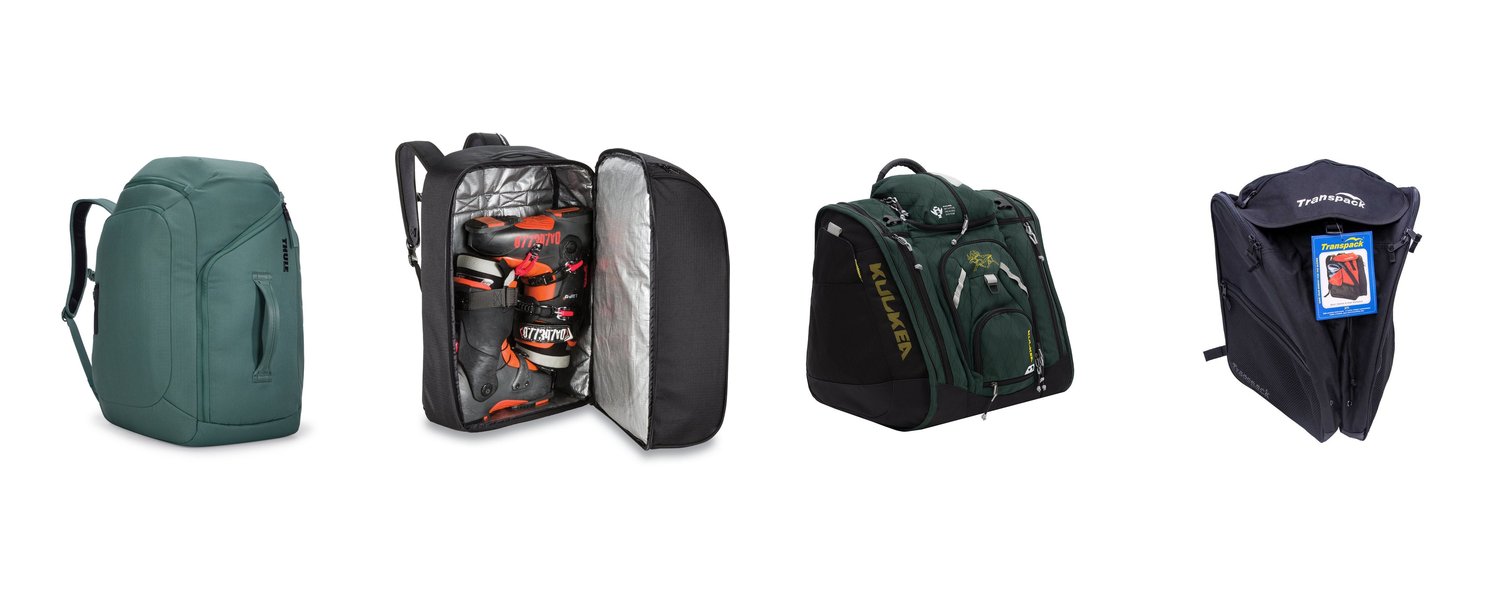
Nobody talks about boot bags until the morning they carry boots, helmet, goggles, gloves, and a change of clothes across an icy parking lot in three trips. A good one turns that circus into a single comfortable load on your back, keeps wet gear away from dry, and survives a decade of baggage carousels. The category runs from about $70 for a simple tri-compartment classic to $225 for a hauler with a pocket for every last sock. Based on our research across current-season models, brand specifications, and aggregated reviewer feedback, these four are the bags worth strapping on this winter.
Quick Comparison
| Bag | Best For | Capacity | Price |
|---|---|---|---|
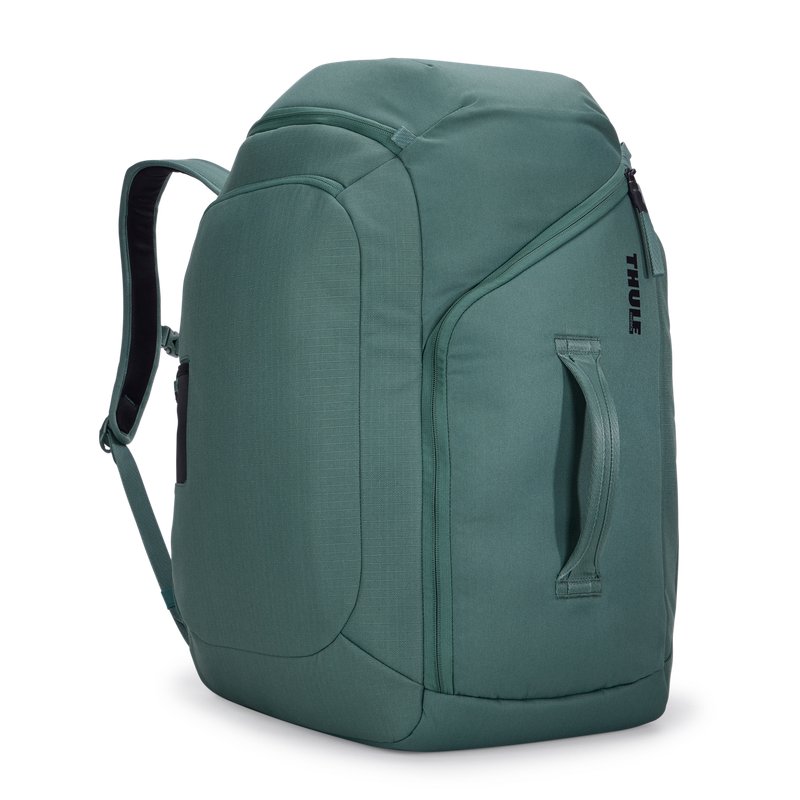
| Thule RoundTrip Boot Backpack 60L | Overall | 60 L | ~$170 |
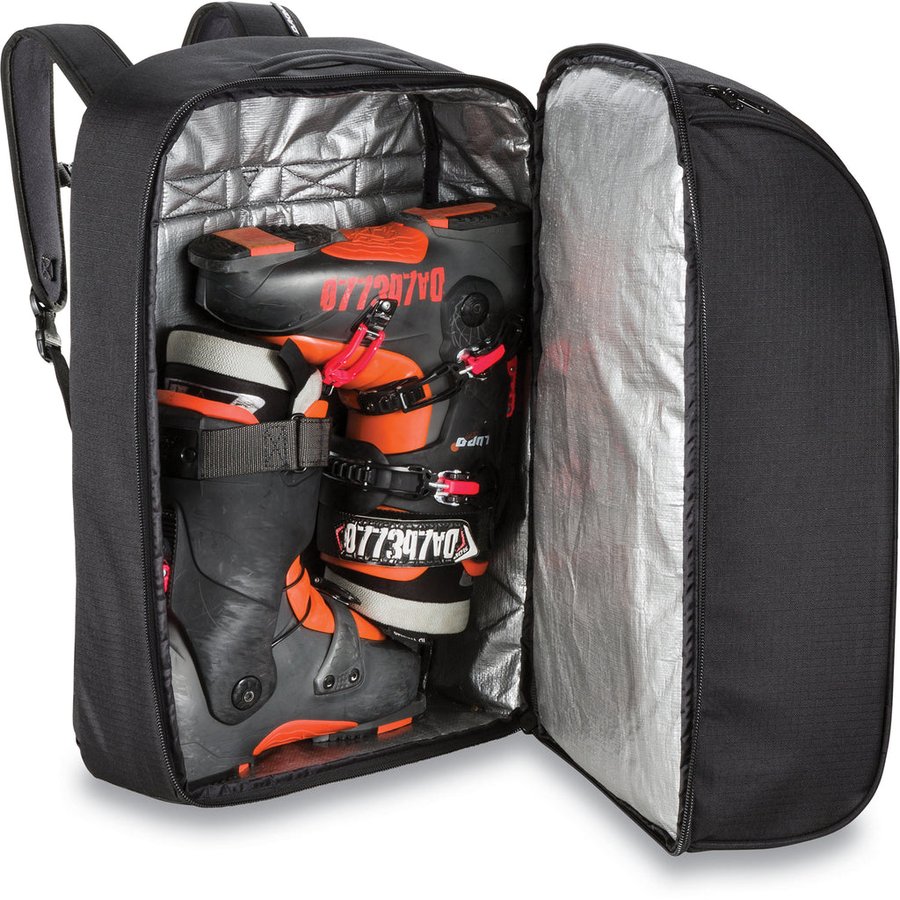
| Dakine Boot Locker DLX 70L | Value hauler | 70 L | ~$120 |
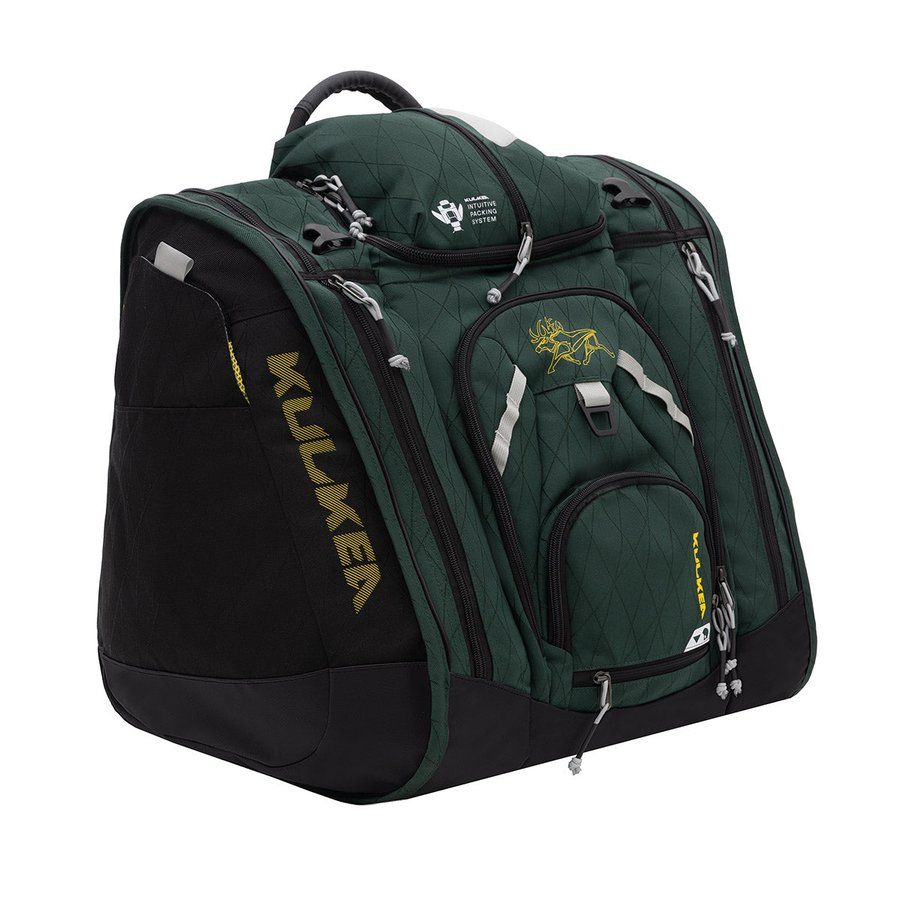
| Kulkea Boot Trekker | Organization | 70 L | ~$225 |
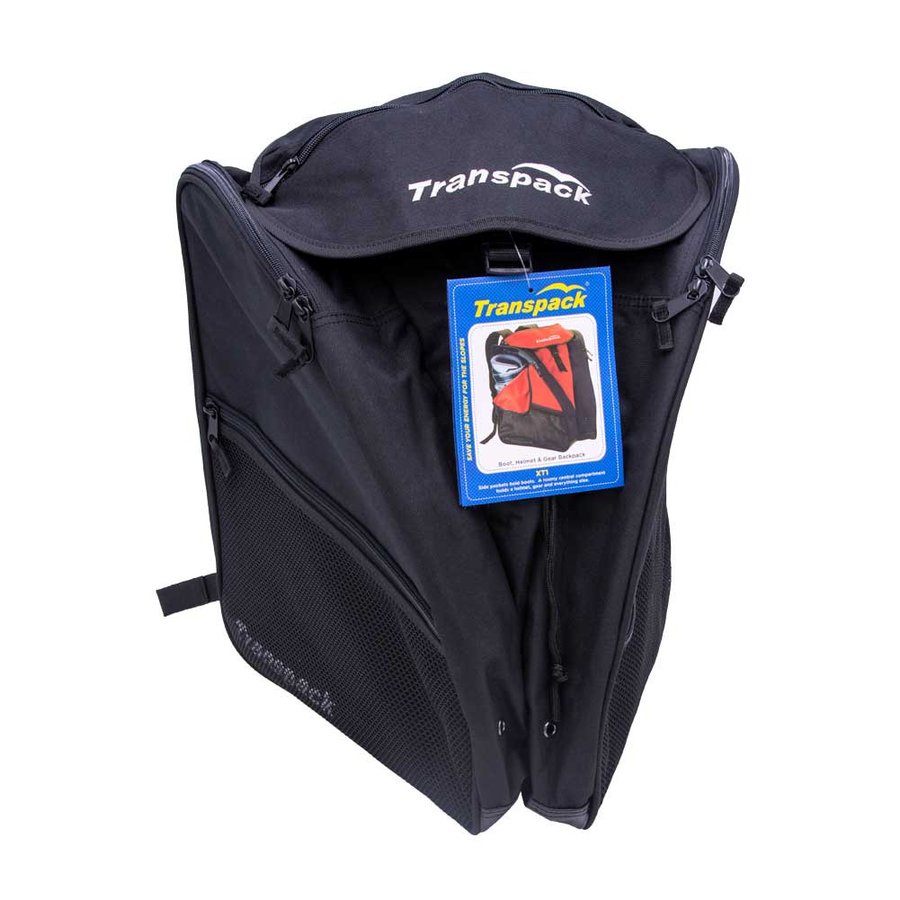
| Transpack XT1 | Budget | 46 L | ~$70 |
Our Picks
How to Choose a Boot Bag
Backpack or tote, decide how you carry. If the walk from car to lodge is more than a hundred yards, real shoulder straps and a padded back panel earn their price every single morning. The Thule RoundTrip and Kulkea Boot Trekker carry like proper backpacks; the Boot Locker DLX is closer to a duffel that happens to have straps.
Match capacity to the trip. Around 45-50 liters covers boots, helmet, and accessories for a day trip. Go to 60-70 liters if you also pack outerwear, lunch, and spare layers, or if you fly with your kit and want boots plus essentials in one carry-able bag. Remember that a stuffed 70-liter bag will not fit an airline sizer, so travelers should confirm what stays with them and what gets checked.
Wet and dry must stay separate. Look for a tarp or TPU-lined boot area and drainage grommets. Boots come off the hill wet more days than not, and a soaked midlayer is a miserable way to discover your bag has one big shared cavity.
Do not overpay for pockets you will not use. The Boot Trekker’s sock-specific pockets are wonderful if you will actually use them. If your system is "boots, helmet, everything else in a stuff sack," the XT1 delivers that for about $70.
Is a Dedicated Boot Bag Worth It?
A regular duffel can haul ski boots, but it does it badly: wet soles against your jacket, buckles chewing the fabric, and no way to change in a parking lot without standing in snow. Purpose-built bags solve real problems for $70-225, and they last. Reviewers routinely report boot bags outliving several pairs of the boots they carry, so think of it as a one-time purchase amortized over many seasons.
Frequently Asked Questions
Can I carry a boot bag onto a plane?
Usually, if it is not overstuffed. A 45-60 liter boot bag squeezes into most overhead bins, and many skiers fly with boots in the cabin precisely because checked skis can be delayed while rental skis are easy and rental boots are not. Check your airline’s size limits before you pack the kitchen sink.
Should boots go in heel-down or sole-to-sole?
Follow the bag’s layout. Side-pocket designs like the XT1 and Boot Trekker hold each boot upright and separate, which also helps them air out. Single-bay designs are more flexible but benefit from buckling each boot closed so it holds its shape.
How do I stop my boot bag from smelling?
Dry the boots, not just the bag. Pull liners or at least open the buckles and cuffs at home, and leave the bag’s vents or zippers open overnight. Bags with mesh vents and drainage grommets, like the Boot Trekker, give moisture somewhere to go instead of marinating.