The Best Ski Goggles Under $100 (2025-26)
Affiliate disclosure: As an Amazon Associate we earn from qualifying purchases. Some links below are affiliate links, see our full disclosure. Recommendations are based on our independent research of current-season gear, specifications, and aggregated expert and user feedback.
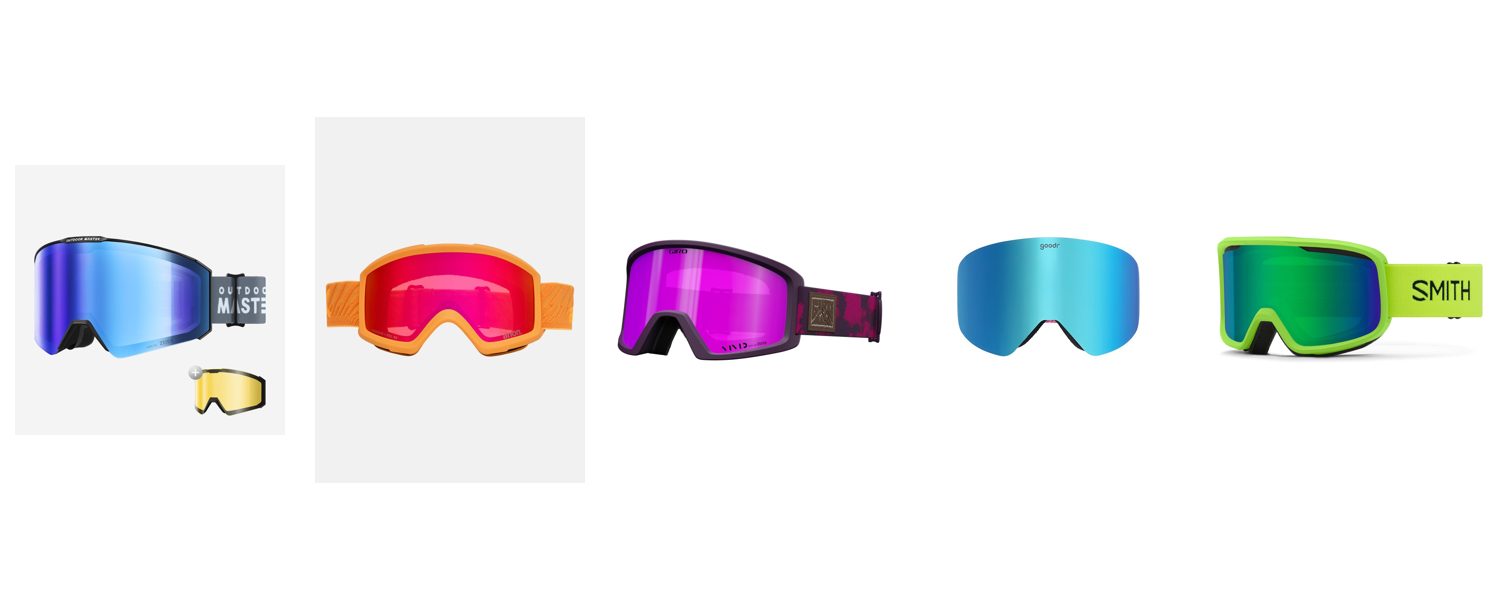
Flagship goggles from Smith and Oakley now push past $250, and it’s fair to ask what that money actually buys. Less than you’d think. The budget end of the market has improved dramatically: contrast-boosting lens tints, magnetic lens swaps, and bonus low-light lenses have all trickled down under the $100 line. Based on our research of current-season models and aggregated reviews from independent gear testers, these five goggles deliver the large majority of premium performance for a fraction of the price.
Quick Comparison
| Goggle | Best For | Key Feature | Price |
|---|---|---|---|
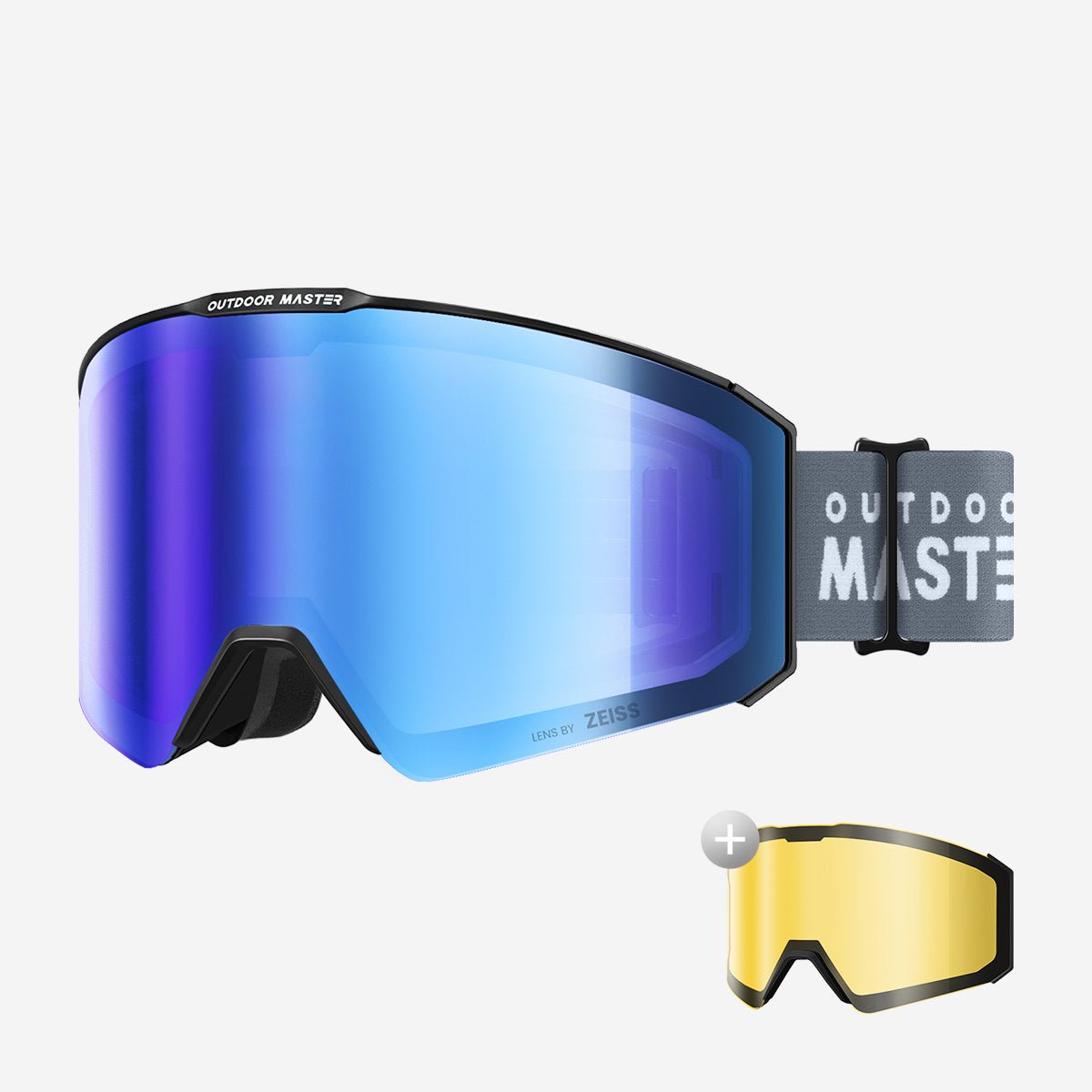
| OutdoorMaster Falcon | Overall | Zeiss lenses, magnetic swap, bonus lens | ~$100 |
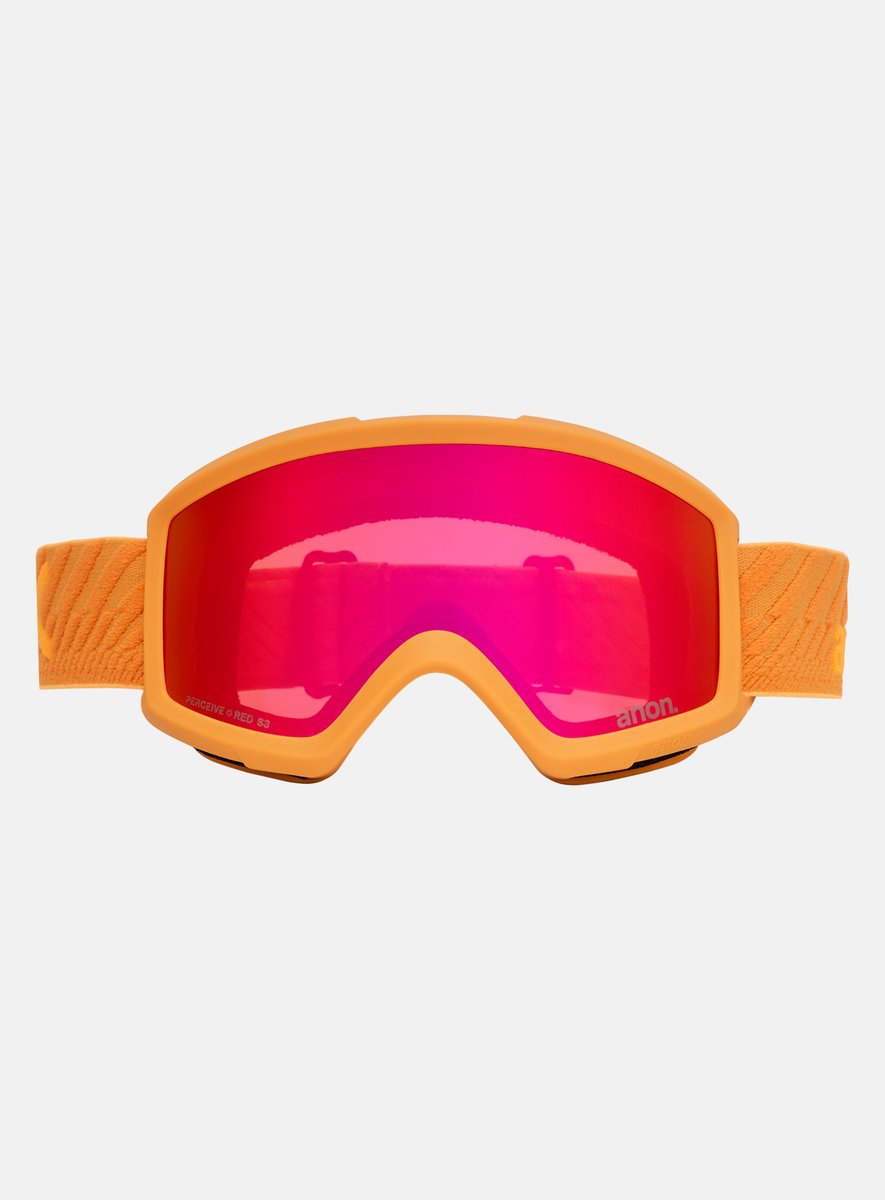
| Anon Helix 2.0 | Optics | Perceive contrast lens + spare lens | ~$100 |
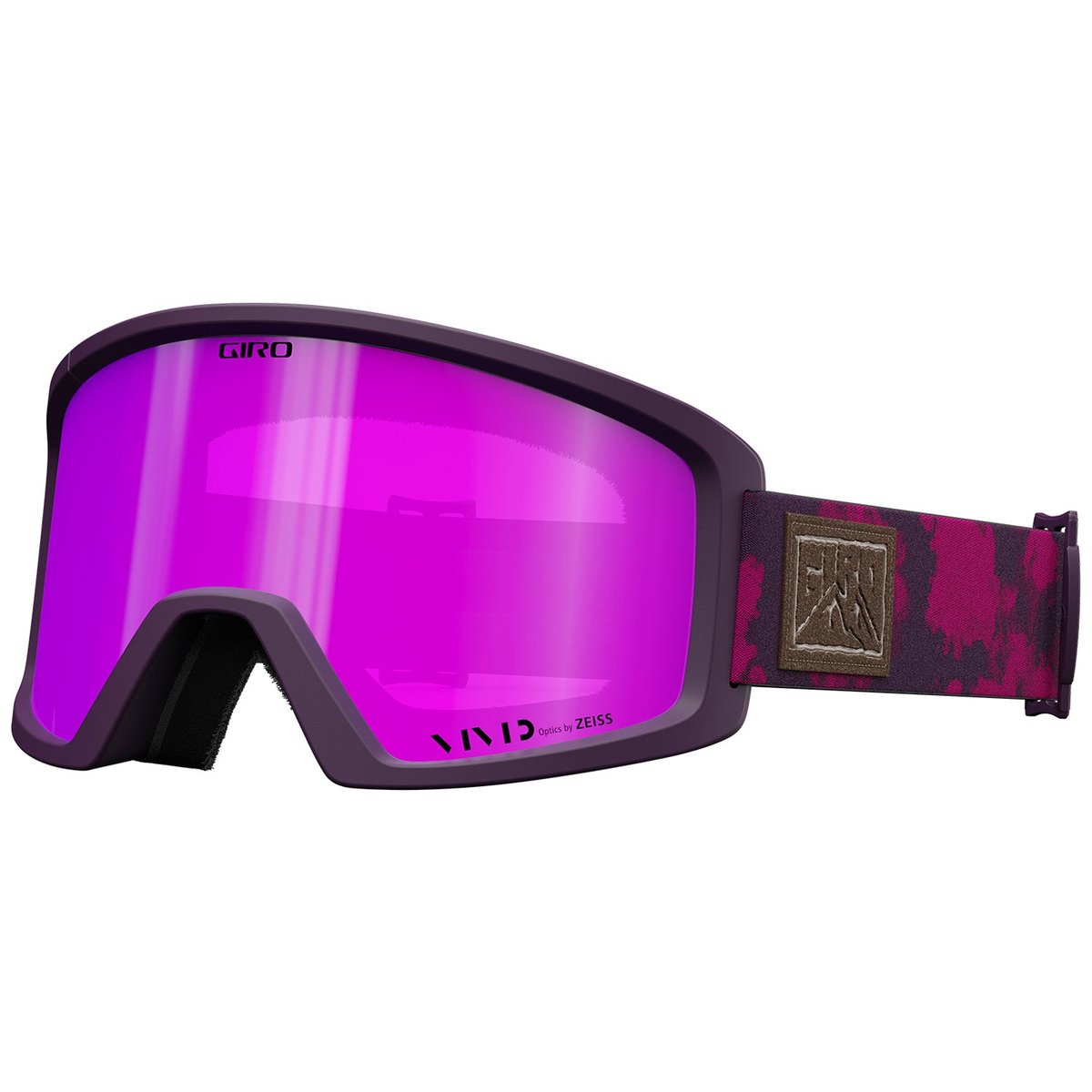
| Giro Blok | Fit & comfort | VIVID lens with Zeiss optics | ~$90 |
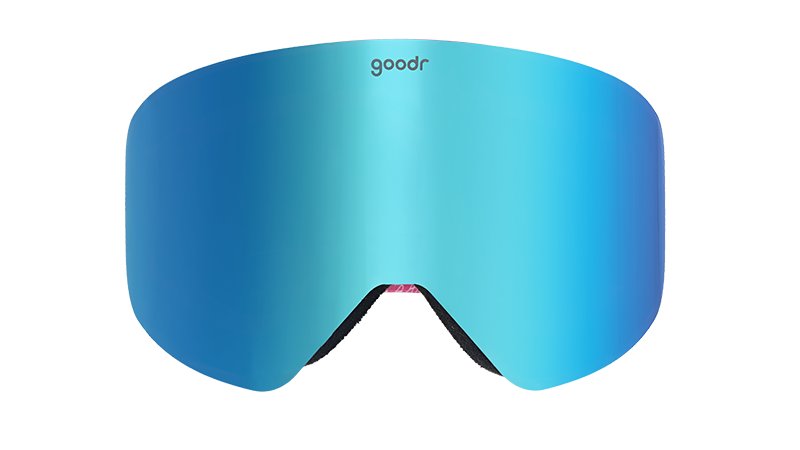
| Goodr Snow G | Casual skiers | Magnetic swap, two lenses, fun colorways | ~$75 |
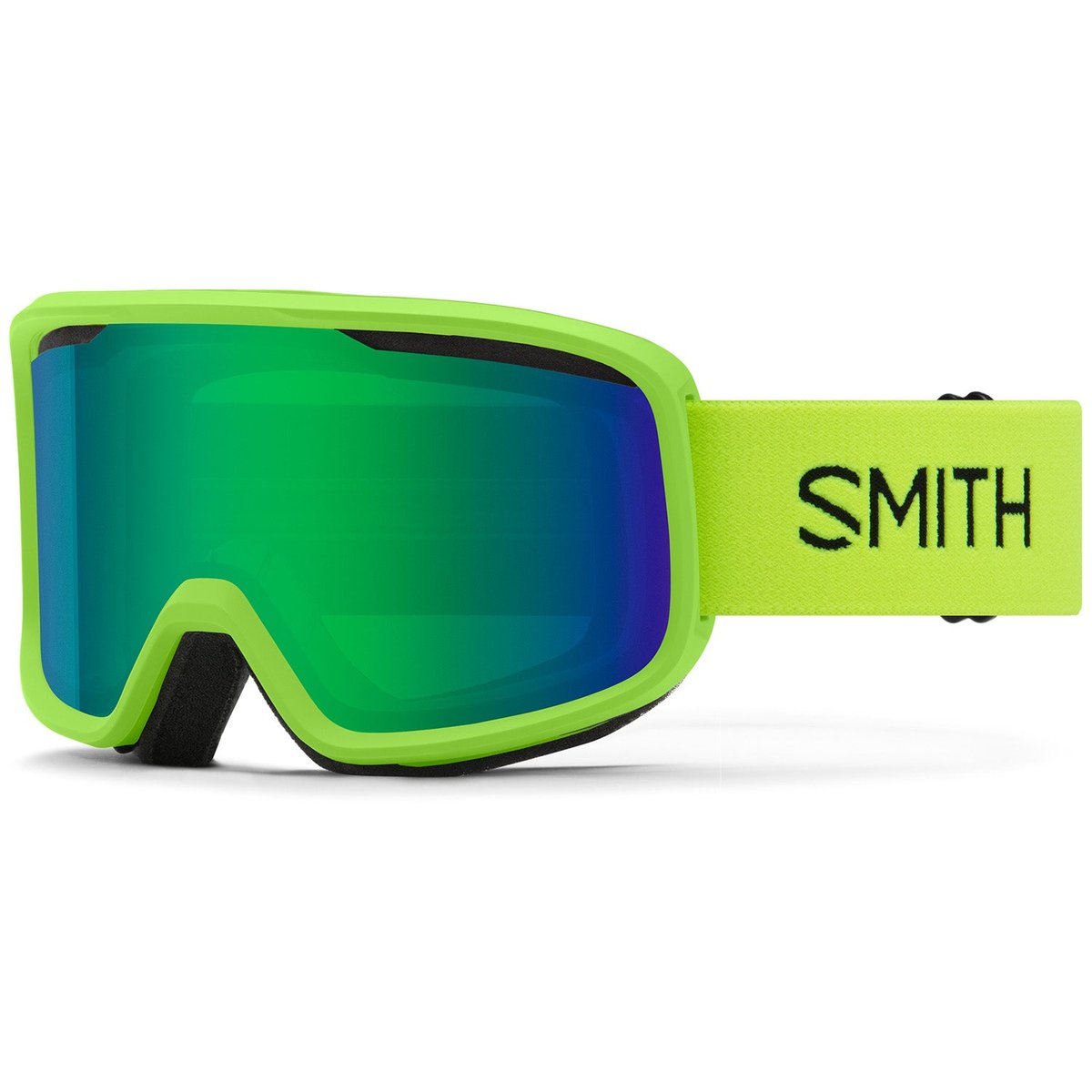
| Smith Frontier | Tight budgets | Carbonic-x lens, Airflow venting | ~$45 |
Our Picks
How to Choose Budget Goggles
Prioritize a bonus lens. The single biggest upgrade at this price isn’t lens quality, it’s lens quantity. A dark lens for bluebird days plus a high-VLT lens for storms covers nearly every condition, and three of our five picks include both in the box.
VLT is the number that matters. Visible Light Transmission tells you how much light a lens lets through: 10-25% suits sunny days, 25-50% handles mixed light, and 50%+ is for snowstorms and night skiing. A mid-range 30-40% lens is the safest single-lens choice.
Check helmet compatibility. A gap between goggle and helmet brim (the dreaded gaper gap) is mostly a frame-shape issue. If you already own a helmet, stick to medium-fit frames like the Frontier or Blok unless you know a large frame suits your face.
Don’t wipe the inside of the lens. Anti-fog coatings on budget goggles are thinner than on premium ones and wipe away faster. Shake water off and let them air dry; a soaked, smeared coating is how a $75 goggle dies in one season.
What You Give Up vs. Premium Goggles
Mostly three things: the very best contrast lenses (Smith ChromaPop and Oakley Prizm still lead in flat light), faster lens-swap hardware, and plusher face foam. What you don’t give up is UV protection, which is total at every price point, or impact safety, or fog resistance good enough for typical resort days. If you ski more than 20 days a season or spend real time in storms, our premium goggle showdown covers the upgrade path.
Frequently Asked Questions
Are cheap ski goggles safe?
Yes. Polycarbonate lenses at every price block 100% of UV and resist shattering. The safety gap between a $45 and a $250 goggle is close to zero; the differences are optics, comfort, and convenience.
Can I wear these over glasses?
The OutdoorMaster Falcon and Anon Helix 2.0 are both designed OTG (over the glasses). The others fit smaller frames at best; check your glasses width before buying.
Photochromic lenses under $100, do they exist?
Barely. True photochromic goggles like the Glade Adapt 2 run closer to $150. Under $100, a two-lens package is a better bet than a cheap light-adapting lens that shifts too slowly to matter.