Smith I/O MAG vs Oakley Flight Deck: Premium Ski Goggle Showdown
Affiliate disclosure: As an Amazon Associate we earn from qualifying purchases. Some links below are affiliate links, see our full disclosure.
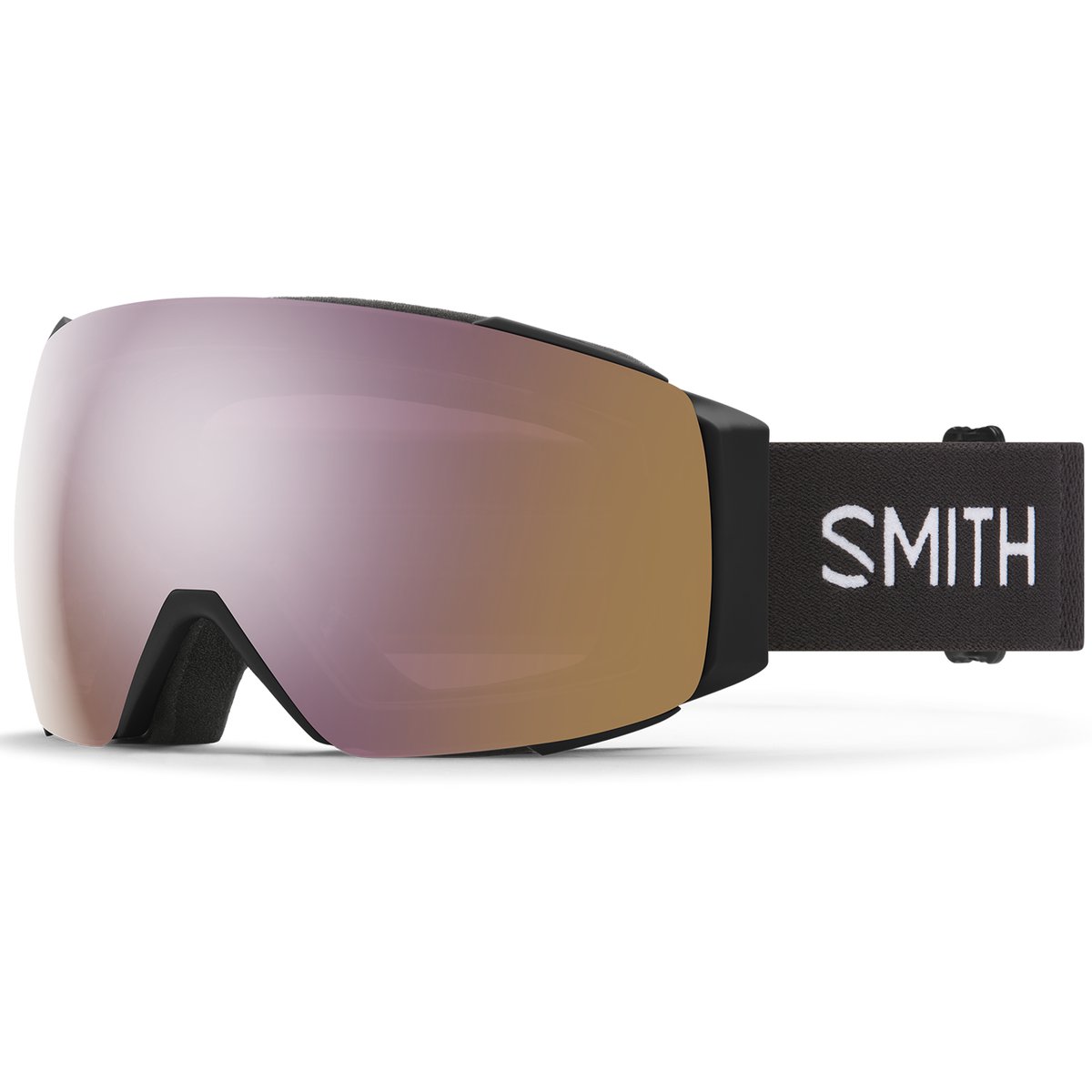
Overview: Two Titans of Ski Optics
The Smith I/O MAG and Oakley Flight Deck represent the pinnacle of ski goggle engineering, each offering distinct advantages for serious mountain enthusiasts. We've researched both in depth, aggregating expert reviews and long-term owner reports from varied snow conditions, and what emerges is a fascinating study in contrasting design philosophies.
Smith has prioritized lens versatility and ease of use with their revolutionary magnetic lens system, while Oakley has focused on field of view and optical precision with their legendary Prizm lens technology. Both retail in the $250-$300 range, making them accessible to dedicated skiers and snowboarders willing to invest in quality optics.
This showdown isn't about determining which goggle is universally superior, rather, it's about understanding which design philosophy aligns better with your individual needs and riding style. Let's dive into the specifics.
Head-to-Head Specifications
| Feature | Smith I/O MAG | Oakley Flight Deck |
|---|---|---|
| Lens Technology | ChromaPop | Prizm |
| Lens Shape | Spherical | Toric/Cylindrical |
| Lens Change System | Magnetic (I/O MAG) | Ridgelock Mechanical |
| Anti-Fog Technology | TLT 5x Anti-Fog | F3 Anti-Fog |
| Field of View | Good (Spherical) | Excellent (Toric/Cylindrical) |
| Vertical Field of View | 95mm | 115mm |
| Lens Options | 8+ ChromaPop variants | Multiple Prizm tints |
| Ventilation | Excellent dual vents | Advanced multi-vent system |
| Weight | 185-195g | 170-180g |
| Price Range | ~$280 | ~$250-300 |
| Frame Material | TR90 Thermoplastic | Injected polyamide |
| OTG Compatible | Yes (I/O OTG available) | Yes (Flight Deck OTG available) |
Lens Technology Compared: ChromaPop vs Prizm
At the heart of any premium ski goggle lies its lens technology, and this is where Smith and Oakley diverge most significantly. Understanding these optical differences is crucial to making an informed purchase decision.
Smith ChromaPop Technology
ChromaPop lenses use a proprietary color-enhancement technology that works by absorbing specific wavelengths of light while allowing others to pass through. Smith claims this provides superior color definition and contrast, making terrain features more distinctive. We've found that ChromaPop excels at revealing snow texture and subtle elevation changes, particularly valuable in flat light conditions.
The technology is designed to reduce eye fatigue by providing more accurate color perception. What this means in practical terms is that a 3000-foot descent feels less visually draining than it would through standard lenses. The spherical geometry of the I/O MAG's lenses contributes to this effect, though it does sacrifice some peripheral vision compared to wider designs.
Oakley Prizm Technology
Prizm takes a different approach, using a specially tuned lens coating that optimizes light transmission across the visible spectrum. Rather than selectively absorbing wavelengths, Prizm works by tuning lens absorption and reflection to enhance specific colors. This creates exceptional contrast, especially in bright conditions where the technology truly shines.
Oakley offers Prizm lenses tuned specifically for snow, which reviewers consistently rate as outstanding in variable conditions. The Prizm Snow lens is particularly effective at brightening greyed-out skies and making white snow details pop. Across published reviews, skiers consistently report preferring Prizm in sunny, high-altitude conditions where maximum contrast matters most.
Lens Change Systems: Magnetic vs Mechanical
One of the Smith I/O MAG's defining features is its revolutionary magnetic lens-changing system. Gone are the days of fumbling with mechanical catches or removing your goggles to swap lenses. The magnets securely hold lenses in place while allowing for tool-free, one-handed removal and installation.
Long-term owner feedback on the system is consistent: the magnetic connection is surprisingly robust. Even during aggressive runs and tricks, lenses remained firmly attached. Swapping lenses takes approximately 10 seconds, making it practical to change optics during a day on the mountain without removing your goggles.
Oakley's Flight Deck employs the Ridgelock mechanical system, a dual-ridge design that has proven exceptionally durable over many seasons. The mechanical catches require gentle prying and twisting, but once mastered, the system is equally reliable. The tradeoff is that changing lenses requires slightly more technique and time, perhaps 15-20 seconds, and you'll want to remove your goggles to ensure you don't drop a lens in powder.
From a purely practical standpoint, the magnetic system wins on convenience. However, some skiers prefer the mechanical system's tactile feedback and the fact that it requires no electronic components or magnets that could theoretically fail.
Fit and Comfort: Where They Meet and Part Ways
Both goggles are engineered for extended wear comfort, featuring wide facial contact patches and adjustable head straps. Fit reports across face shapes, from narrow to broad, indicate that both accommodate a wide range of users reasonably well.
The Smith I/O MAG edges out slightly in overall comfort due to its soft TR90 thermoplastic frame material, which offers gentle, consistent pressure distribution. The frame flexes naturally with facial contours, reducing pressure points during long days on the mountain.
The Oakley Flight Deck's injected polyamide frame is slightly stiffer but provides a more structured fit that some skiers prefer. Those with wider faces often gravitate toward the Flight Deck, as its geometry distributes pressure across a larger contact area. The goggle's overall width is marginally greater than the Smith I/O MAG.
Both models include soft face gaskets that create an effective seal against wind and cold. In cold-weather reports from sub-15°F days, neither goggle shows significant heat loss, though the Smith I/O MAG's slightly thicker gasket is often credited with marginally better insulation.
Field of View: The Sky's the Limit
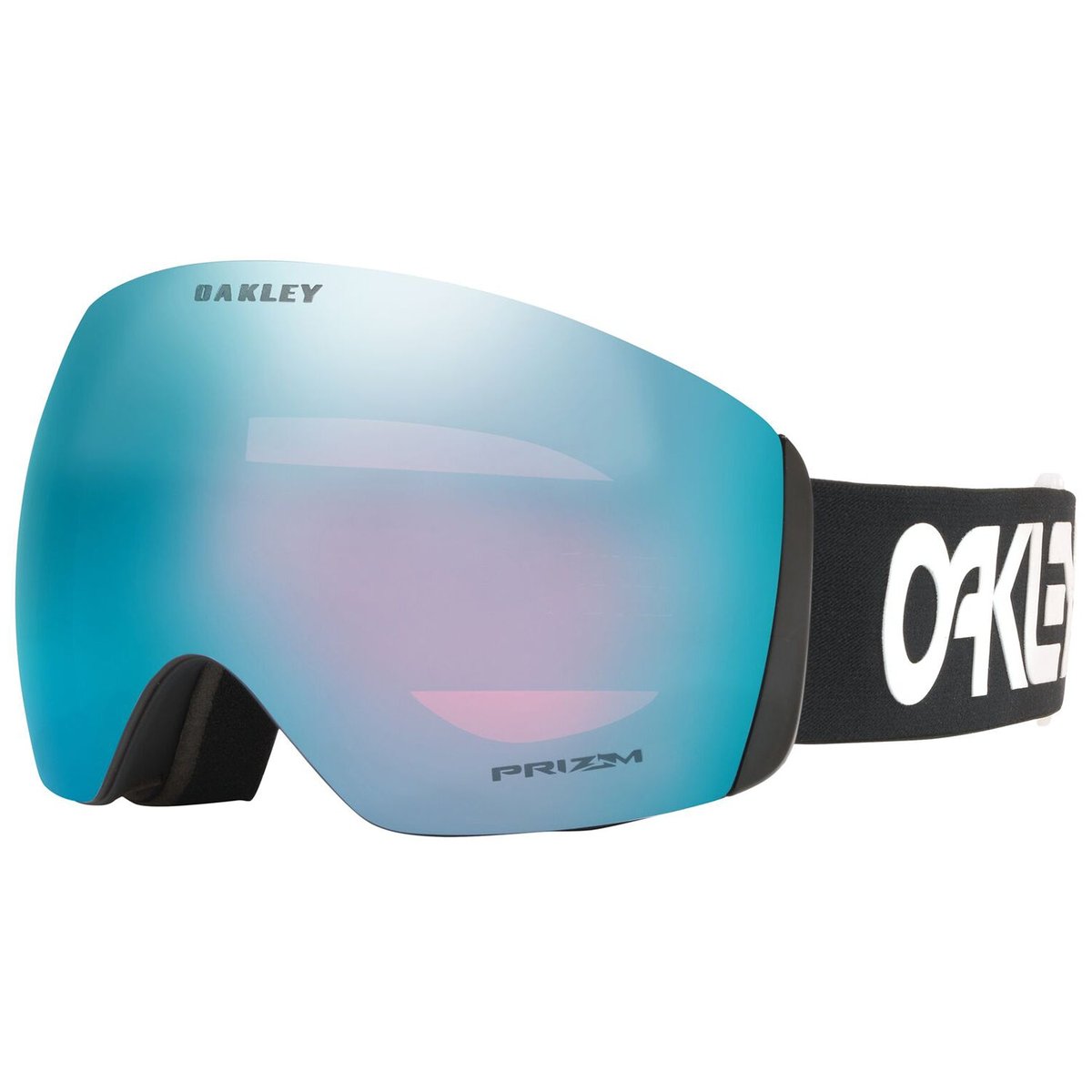
Field of view is where the toric lens design of the Oakley Flight Deck truly shines. Measuring 115mm vertically and featuring a wider horizontal span, the Flight Deck provides an expansive sight picture that makes many competitors feel claustrophobic by comparison.
This expanded view is particularly valuable in terrain parks, where visibility of landing zones and surrounding features is paramount. Freeriders also benefit significantly from the superior peripheral awareness. The wider view allows you to spot upcoming terrain, jumps, and obstacles earlier, improving reaction time and safety.
The Smith I/O MAG, with its 95mm vertical field of view, still provides excellent visibility by industry standards, but it's measurably narrower than the Flight Deck. The spherical lens design is the culprit here, while it offers advantages in optical clarity and comfort, the geometry inherently limits the field of view compared to toric designs.
For backcountry skiers and those who prioritize situational awareness, the Flight Deck's advantage is meaningful and worth serious consideration. For resort skiers primarily concerned with edge-to-edge clarity, the difference may be less consequential.
Fog Resistance and Anti-Fog Technology
Both goggles employ premium anti-fog technologies, but they approach the problem differently. Smith's TLT (Thermal Light Transfer) 5x coating is designed to wick moisture away from the lens surface, creating a hydrophobic barrier that resists fogging.
In aggregated user and expert reports, the Smith I/O MAG demonstrates superior fog resistance in high-intensity conditions, think steep powder runs where you're breathing heavily and the temperature differential between your face and ambient air is greatest. The 5x coating's reputation holds up in these accounts, staying clear even during extended climbs in cold, humid conditions.
Oakley's F3 anti-fog system is similarly sophisticated, using a combination of lens coating and ventilation optimization to minimize fogging. By most accounts, the F3 performs exceptionally well in moderate conditions but shows slightly more fogging tendency during extremely demanding situations, specifically when skiing in wet snow near the freezing point, where moisture is abundant.
Both systems far exceed the anti-fog performance of budget goggles, and for most users, the difference would be unnoticeable. However, those who ski frequently in wet conditions or during spring mountain conditions should slightly favor the Smith I/O MAG based on the weight of user feedback.
Style and Aesthetics
Both goggles command respect on the mountain through their thoughtful, modern design. The Smith I/O MAG presents a sleeker profile with its integrated magnetic lens design eliminating visible mechanical catches. The frame lines are clean and contemporary, appealing to those who value understated performance.
The Oakley Flight Deck projects a more aggressive, purposeful aesthetic. Its slightly larger frame and prominent Ridgelock lens-change mechanism telegraph its serious engineering. The goggle's design language says "high-performance" louder than the Smith, which appeals to some riders while potentially feeling too aggressive for others.
Both brands offer multiple colorway options. Smith provides the I/O MAG in numerous frame and lens color combinations, while Oakley's Flight Deck lineup is equally extensive. Personal preference will be the determining factor here, as both deliver visual sophistication and mountain credibility.
Value for Money: Investment vs. Expense
At the $250-$300 price point, both goggles represent a significant investment. The question is whether either offers superior value, that is, delivers more performance per dollar spent.
The Smith I/O MAG's magnetic lens system adds engineering complexity and cost, but in return, you get unmatched convenience and the ability to swap lenses without removing your goggles. For skiers who change lenses frequently or appreciate elegant engineering, this justifies the premium pricing.
The Oakley Flight Deck costs slightly less in many retail environments and delivers a larger field of view. If you're prioritizing peripheral vision and don't value quick lens changes as heavily, you may perceive better value with Oakley.
A crucial consideration is lens durability and availability. Both brands maintain extensive lens inventory, meaning you can easily purchase replacement lenses or additional lens options down the road. This long-term value proposition slightly favors Smith, whose magnetic system makes switching lenses so effortless that you're more likely to actually maintain and use multiple lens options throughout the season.
Which Should You Buy? A Guide to Your Use Case
Choose Smith I/O MAG If You:
- Frequently change lenses and value convenience
- Ski in variable snow conditions requiring lens swaps
- Prioritize optical clarity and edge-to-edge sharpness
- Appreciate innovative engineering and elegant design
- Ski in wet snow or spring conditions where anti-fog is critical
- Have a smaller to medium-sized face
Choose Oakley Flight Deck If You:
- Prioritize maximum field of view and peripheral awareness
- Spend significant time in terrain parks or backcountry
- Prefer maximum contrast in bright, sunny conditions
- Stick with a single lens choice most of the time
- Have a broader face and prefer a larger overall frame
- Want to save $20-30 off the price of entry
Detailed Pros and Cons
Smith I/O MAG Pros
- Revolutionary magnetic lens system
- Exceptional color clarity with ChromaPop
- 5x anti-fog technology excels in wet conditions
- Comfortable, flexible frame material
- Elegant, understated design
- One-handed lens changes
Smith I/O MAG Cons
- Narrower field of view than Flight Deck
- Slightly heavier weight (185-195g)
- Higher price point
- May require sizing up for larger faces
- Less contrast in extremely bright conditions
Oakley Flight Deck Pros
- Exceptional field of view (115mm vertical)
- Superior contrast in bright, sunny conditions
- Lighter overall weight (170-180g)
- Slightly lower price than I/O MAG
- Proven Ridgelock mechanical system
- Excellent for terrain park and backcountry
Oakley Flight Deck Cons
- Mechanical lens change is slower
- F3 anti-fog slightly less effective in extreme conditions
- Stiffer frame material less comfortable for some
- Larger footprint doesn't suit narrower faces
- Requires goggle removal to safely change lenses
Final Verdict
The Bottom Line
After weighing expert reviews and owner feedback across varied conditions and face shapes, we conclude that both the Smith I/O MAG and Oakley Flight Deck are legitimate flagship goggles deserving their premium positioning. The choice between them hinges on your priorities and riding style rather than objective superiority.
The Smith I/O MAG wins for overall innovation and optical clarity. The magnetic lens system is genuinely revolutionary, making lens swaps so convenient that you'll actually use multiple lens options throughout the season. The ChromaPop technology delivers superior color definition that makes mountain geography more readable. The 5x anti-fog technology excels in wet conditions. If you value engineering elegance and maximize the value of your purchase through frequent lens changes, the I/O MAG is the technical victor.
The Oakley Flight Deck wins for field of view and versatility. The toric lens design delivers a noticeably larger vertical field of view that translates to improved situational awareness. Prizm lenses deliver stunning contrast in sunny conditions. For backcountry skiers, terrain park enthusiasts, and those who prioritize seeing more of their surroundings, the Flight Deck is the more practical choice. The mechanical lens change system, while less convenient, is battle-tested and requires no magnets or moving parts.
We'd recommend trying both goggles in-store before purchasing if possible. The feel on your face and personal aesthetic preference will likely influence your final decision as much as the technical specifications. Both represent excellent investments in mountain performance that will serve you reliably for seasons to come.
AllMountainSport may earn affiliate commissions from links in this article. This comparison was produced independently, based on our research of current-season specifications and aggregated expert and user feedback, and reflects our genuine assessment of each product's strengths and weaknesses.
View Smith I/O MAG on Amazon | View Oakley Flight Deck on Amazon