POC Obex BC MIPS vs Giro Ratio MIPS: Which Helmet for Resort Skiing?
Affiliate disclosure: As an Amazon Associate we earn from qualifying purchases. Some links below are affiliate links, see our full disclosure. This comparison is based on our independent research of current-season specifications published by POC and Giro, retailer listings and aggregated expert and user feedback.
The short answer: For resort-only skiing the Giro Ratio MIPS is the better buy. It gives you MIPS, a dial fit and adjustable vents for roughly $110-145, less than half the price of the POC Obex BC MIPS. The Obex BC earns its ~$300 list price only once you add backcountry or sidecountry days, where its RECCO reflector, NFC medical ID and tougher shell start to matter. Ratio ~$145 list (often ~$110-120) | Obex BC ~$300 list (often ~$265)
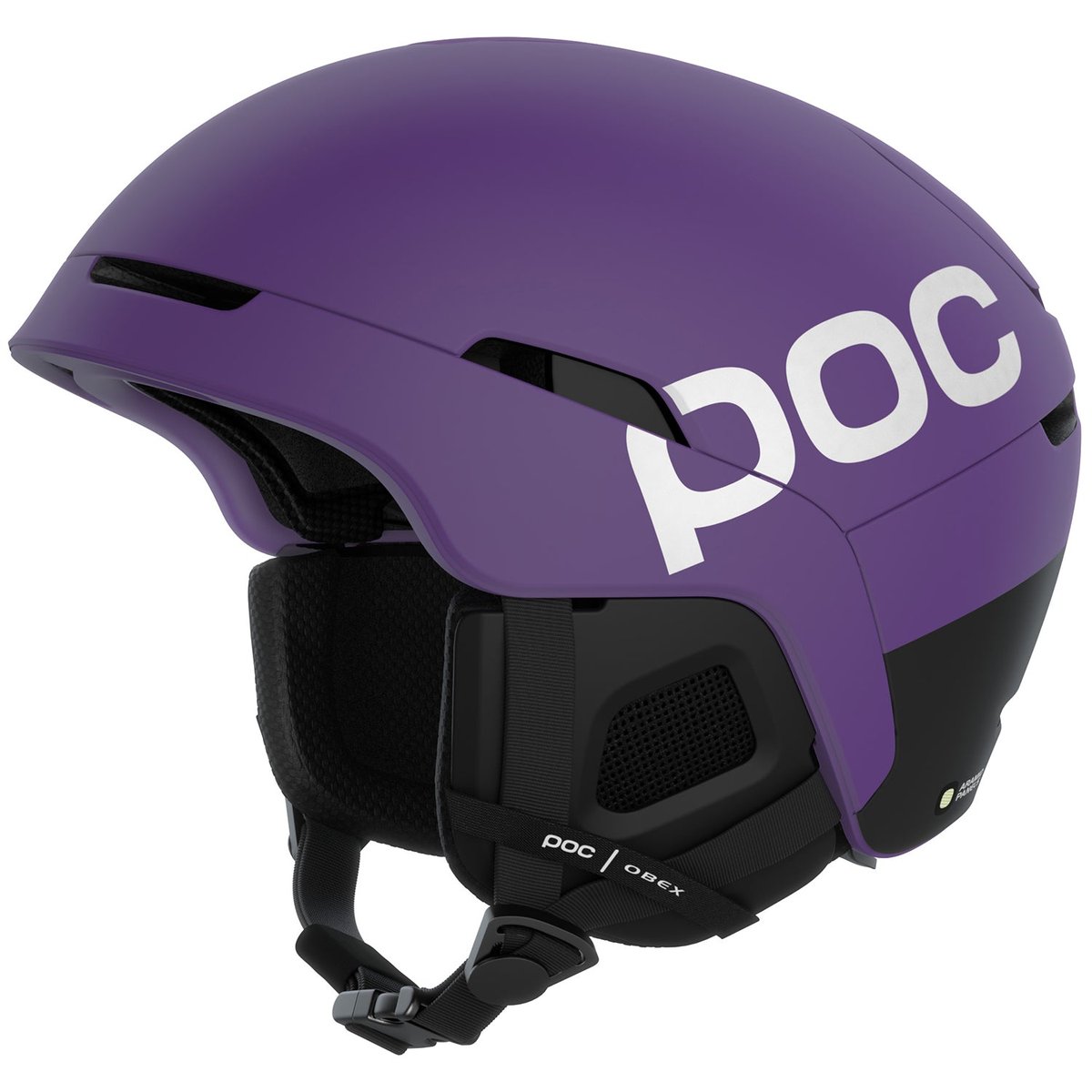
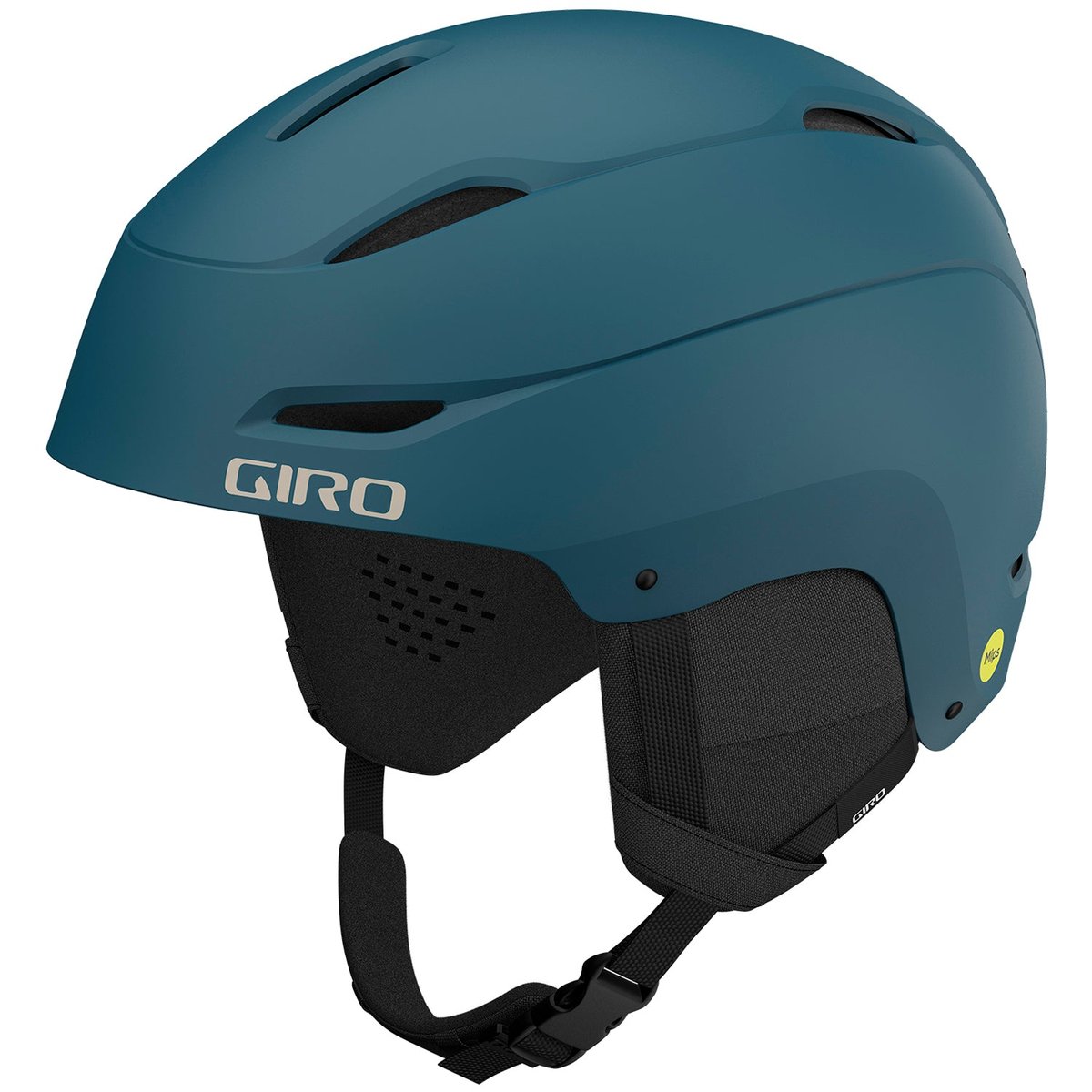
Why People Compare These Two
They sit at opposite ends of the MIPS helmet market, which is exactly why the question comes up. Someone shopping for a first proper helmet sees the Ratio at the budget end and the Obex BC near the top, and wants to know what the extra $150 or so actually buys inside a ski area boundary. The honest answer is: not much that you will notice on a groomer, and quite a lot the day you leave the ropes. Both helmets use a MIPS slip liner, both have a rear dial, and both are certified for alpine skiing, so the differences are in weight, ventilation, fit shape, shell construction and the rescue features that only one of them carries.
Head to Head Specifications
Figures are approximate and drawn from the brand product pages at poc.com and giro.com, plus retailer listings at evo and Powder7. Prices move with the season, so treat them as a guide rather than a quote.
| Spec | POC Obex BC MIPS | Giro Ratio MIPS |
|---|---|---|
| List price (approx.) | ~$300, often ~$265 on sale | ~$145, often ~$110-120, closeouts near ~$65 |
| Shell construction | Polycarbonate shell, ABS top section, aramid reinforcement panels, EPS liner | Hard shell: molded ABS outer bonded to EPS liner |
| Rotational protection | MIPS Evolve | MIPS, integrated with the fit system |
| Weight (brand published) | 500g (XS-S), 530g (M-L), 590g (XL-XXL) | About 600g (M); other sizes not published |
| Sizes | XS-S 51-54cm, M-L 55-58cm, XL-XXL 59-62cm | S 52-55.5cm, M 55.5-59cm, L 59-62.5cm, XL 62.5-65cm |
| Fit system | 360-degree dial | In Form Fit dial, up to 6cm of adjustment plus fore and aft tilt |
| Ventilation | Adjustable front and top sliders, goggle chimneys | Thermostat Control vents on one external button, Stack Vent for Giro goggles |
| Ear pads | Removable | Audio-ready; retailer listings disagree on whether they remove |
| Rescue features | RECCO reflector, Twiceme NFC medical ID chip | None |
| Certification | ASTM F2040 and CE EN 1077-B | CE EN 1077 (ASTM not cited on Giro’s listing) |
| Warranty (retailer listed) | One year | Limited lifetime |
| Head shape | Rounder side of medium | Slightly long oval |
Protection and Certification
Both helmets carry MIPS, so the low-friction layer that lets the shell rotate a few millimetres in an angled impact is present in each. The construction behind it is different. The Obex BC uses a polycarbonate shell with an ABS top and aramid panels in the zones most likely to take a rock or a ski edge, and POC certifies it to both the North American ASTM F2040 standard and the European EN 1077 class B. The Ratio is a classic hard-shell helmet, an ABS outer bonded to an EPS liner, certified to EN 1077; Giro’s own listing does not cite ASTM for this model. For inbounds skiing either certification is accepted everywhere, and neither helmet is designed to survive more than one significant impact, so the practical protection story is closer than the price gap suggests. The Obex BC’s extra toughness is aimed at touring days where the helmet is strapped to a pack, dragged across rock and expected to keep working.
Weight and Ventilation
This is the clearest on-snow difference. POC publishes 530g for the M-L Obex BC against about 600g for a medium Ratio, and the Obex is built to be worn on the skin track, so its vents open wide and the ear pads come off in a few seconds for spring laps. The Ratio’s Thermostat Control vents close from a single button, which is handy with gloves on a cold chair, and the Stack Vent lines up with the centre vent of Giro goggles to pull warm air away from the lens. If you ski cold northern resorts in January, the heavier, warmer Ratio is arguably the more comfortable helmet. If you ski spring slush, hike for a few turns or run hot, the Obex BC is noticeably cooler on the head.
Fit and Head Shape
Fit is where a try-on matters more than any spec. POC shells run toward the rounder side of medium; narrow oval heads sometimes feel temple pressure and a small gap front to back. Giro builds the Ratio on a slightly long oval form, which suits many North American and European heads, and the In Form dial offers up to 6cm of travel plus a tilt adjustment. The sizing bands overlap at the edges on both helmets, so if your measurement lands on a boundary (58cm for the POC, 55.5cm or 59cm for the Giro) start with the smaller size and let the dial do a little work. Goggle pairing favours staying within a brand: POC goggles sit flush under the Obex brim, and the Ratio’s Stack Vent only earns its keep with a Giro frame that has a centre top vent. Most mid-size goggles from other brands fit either helmet without a gap.
Rescue Features: Do They Matter at a Resort?
Inside a patrolled boundary, no. A RECCO reflector lets organised rescue teams with a RECCO detector locate you, and the Twiceme NFC chip lets a rescuer read your medical information with a phone tap. Both are useful off piste or on a touring day, and both do nothing on a groomer where ski patrol can reach you in minutes. If you are buying for the resort and plan to stay inbounds, you are paying roughly $150 for features you will not use. If you ski sidecountry gates or are starting to tour, they are the reason to spend the money, and they are not something you can add to the Ratio later.
Price and Value
At list price the Ratio costs about half as much as the Obex BC, and in practice the gap is wider because previous-season Ratio colours have cleared as low as about $65 while the Obex BC rarely drops much below ~$265. Giro also lists a limited lifetime warranty through retailers like evo, against one year for the POC. For a beginner, a kid-sized adult or anyone replacing a helmet after a crash, the Ratio is the easier purchase to justify. For a skier who already owns the avalanche kit covered in our avalanche safety gear guide, the Obex BC is one helmet that covers both resort and backcountry days instead of two.
Choose the Giro Ratio MIPS if: you ski inbounds, you want MIPS protection and a dial fit on a budget, you have a longer oval head, or you ski cold resorts where a warmer hard-shell helmet is welcome.
Choose the POC Obex BC MIPS if: you ski sidecountry or backcountry even occasionally, you want RECCO and a medical ID chip built in, you run hot or ski spring conditions, or you have a rounder head that suits POC’s shape.
Frequently Asked Questions
Is the POC Obex BC MIPS worth it for resort skiing only?
Usually not. It is a fully certified resort helmet and plenty of people use it inbounds, but the RECCO reflector, NFC chip and reinforced shell that justify its ~$300 price only matter once you leave the patrolled area. The Giro Ratio MIPS does the inbounds job for roughly $110-145.
Which is lighter, the Obex BC or the Ratio?
The Obex BC. POC publishes 530g for the M-L against about 600g for a medium Ratio, a difference you notice on long chair rides and any time you hike.
Does the Giro Ratio MIPS have the same MIPS as the POC?
Both use a MIPS low-friction liner that allows a few millimetres of rotation in an angled impact. POC uses the MIPS Evolve version; Giro integrates MIPS with the In Form fit system. Neither brand claims one is safer than the other for inbounds skiing.
Is there a cheaper POC alternative to the Obex BC?
Yes, the standard POC Obex MIPS shares the shape and fit system but drops the aramid panels, RECCO and NFC chip, so it is lighter and cheaper and is the better POC choice for resort-only skiers.
Read the Full Reviews
Full deep-dives on each helmet: POC Obex BC MIPS review · Giro Ratio MIPS review. See all our picks in The Best Ski Helmets of 2026/27, including the Smith Vantage 2 MIPS, Smith Method Pro MIPS, Scott Flow Pro MIPS and Oakley MOD 5 MIPS.