The Best Snowboard Pants of 2026/27: Five Pants and Bibs Worth Buying
Affiliate disclosure: As an Amazon Associate we earn from qualifying purchases. Some links below are affiliate links, see our full disclosure. Recommendations are based on our independent research of current-season gear, specifications, and aggregated expert and user feedback.
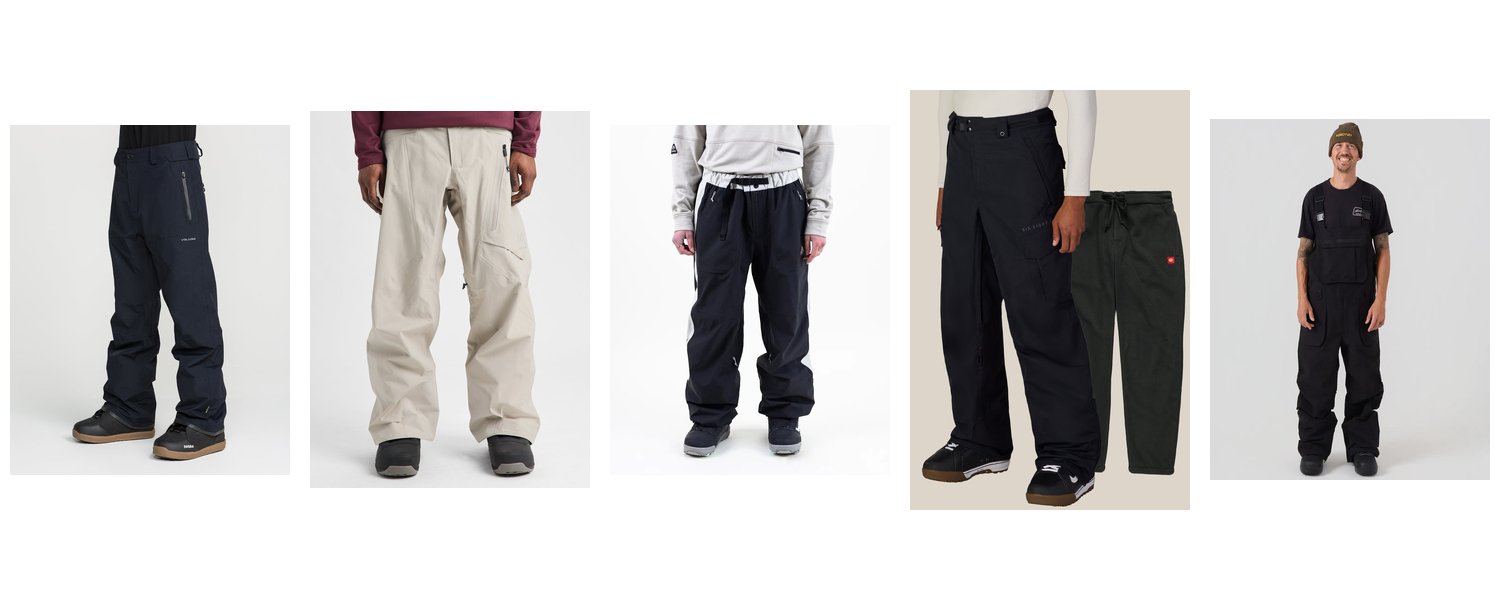
Snowboard pants get less attention than boards and boots, right up until the day you spend a powder morning sitting in wet snow. The difference between a soaked afternoon and a great one comes down to three numbers and a cut: waterproof rating, breathability, seam construction, and whether the pant fits the way you actually ride. We dug through this season’s lineups and the published testing on them to land on five picks: two Gore-Tex shells at very different prices, a stretch freestyle pant, an insulated 3-in-1, and a bib. Prices run from about $240 to $480.
Quick Comparison
| Pant | Best For | Waterproofing | Price |
|---|---|---|---|
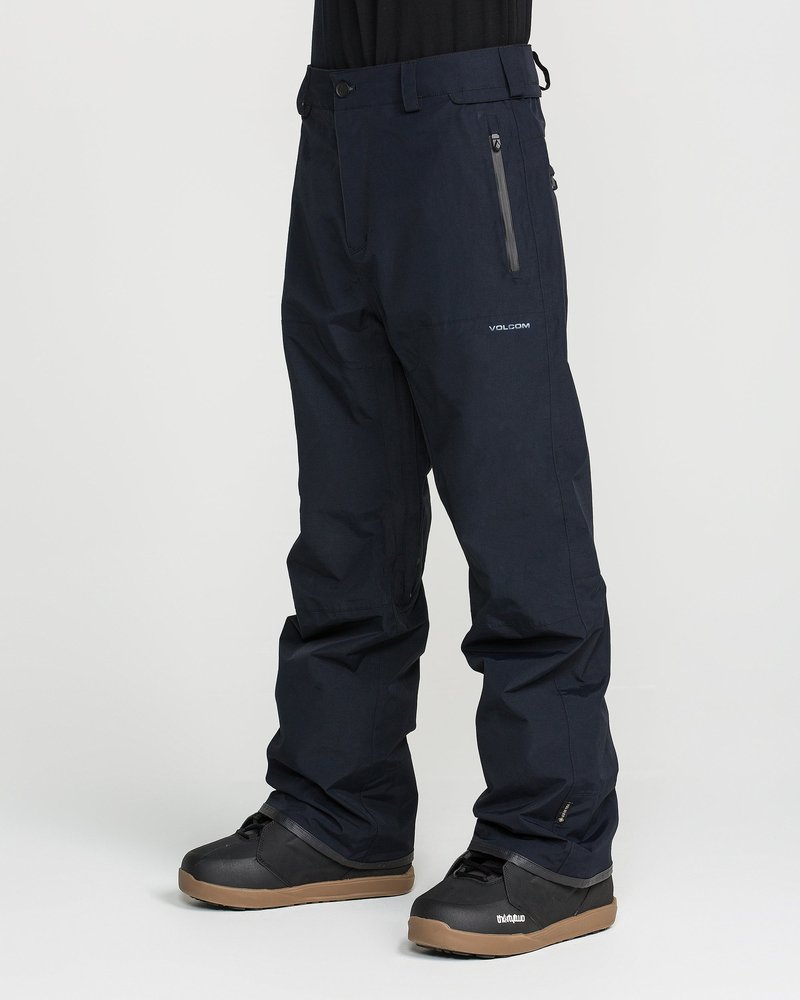
| Volcom L Gore-Tex | Overall | 2L Gore-Tex, 28K | ~$400 |
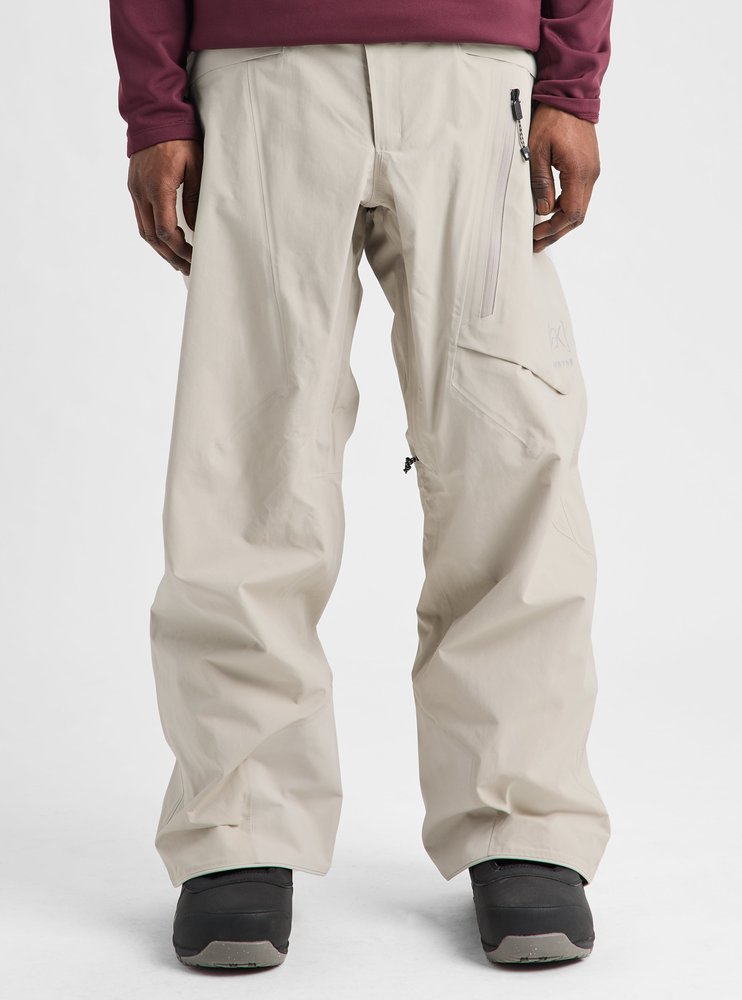
| Burton [ak] Cyclic 2L | Premium shell | 2L Gore-Tex, 28K | ~$480 |
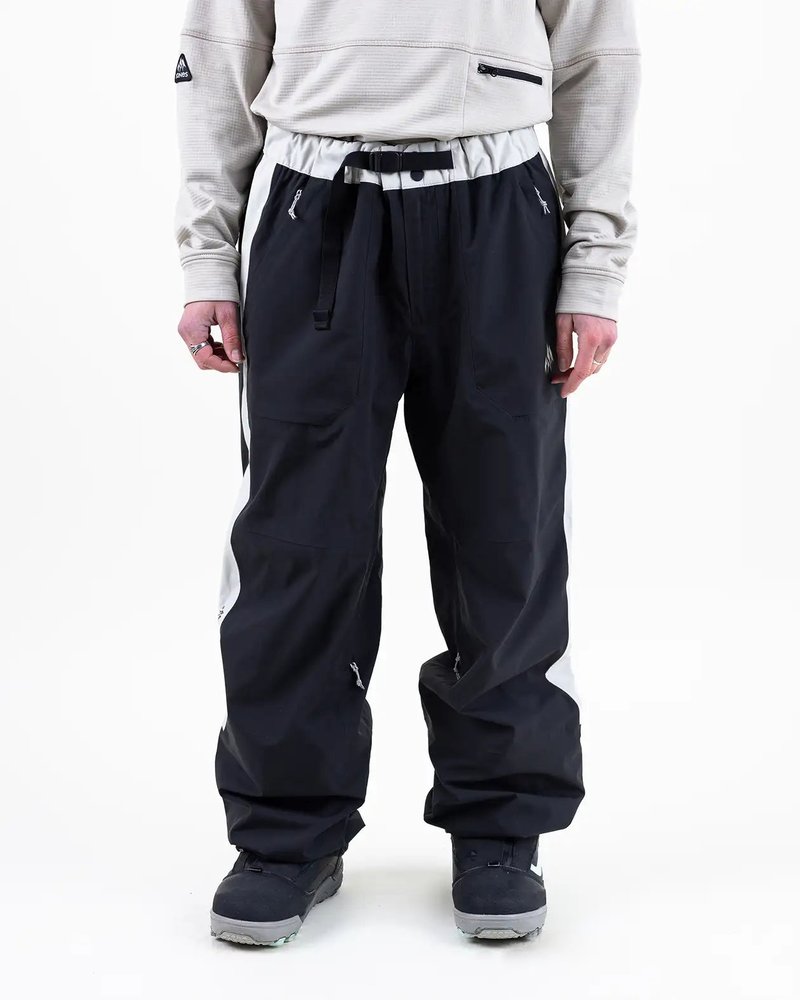
| Jones MTN Surf Tweaker | Freestyle & eco | 2L recycled, 20K | ~$240 |
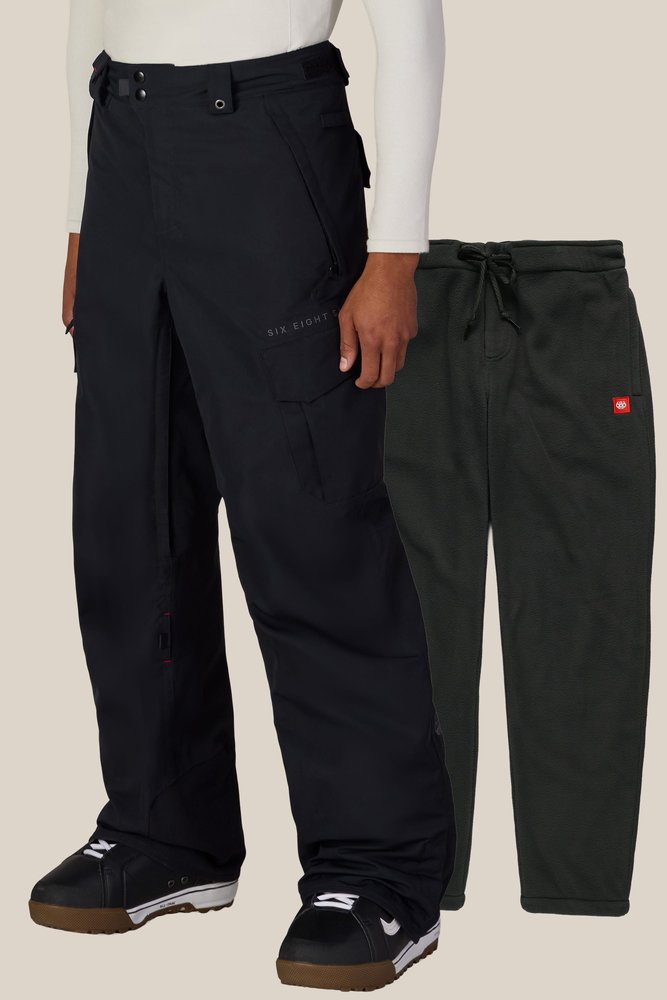
| 686 Smarty 3-in-1 Cargo | Insulated value | 2L infiDRY, 20K | ~$240 |
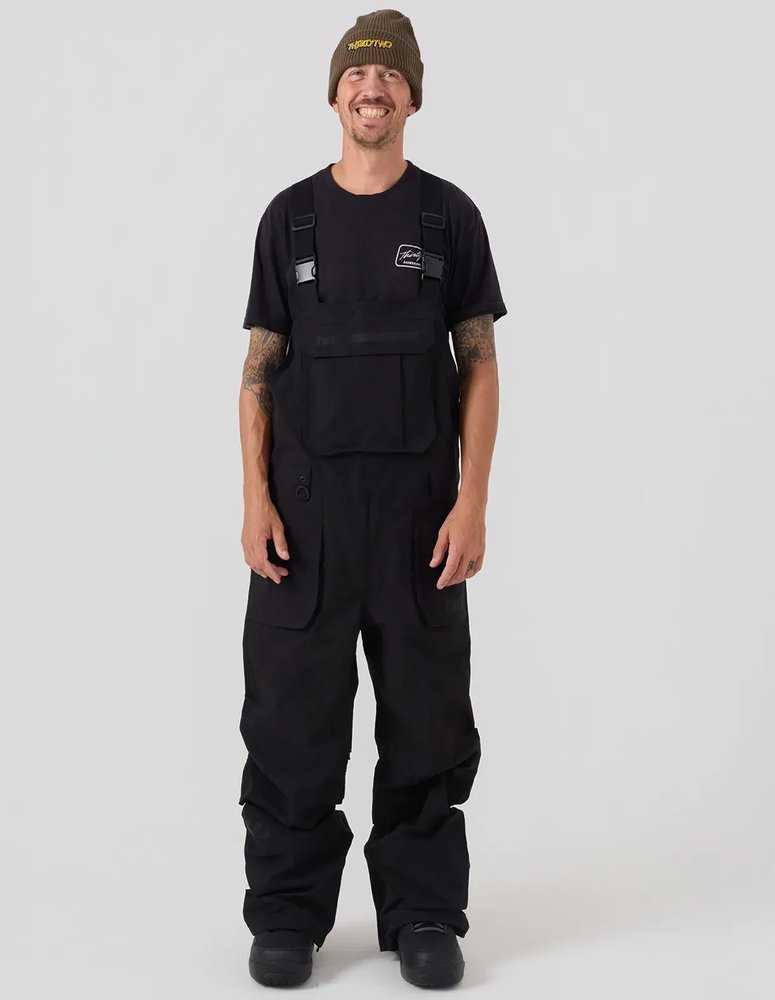
| ThirtyTwo Basement Bib | Bib coverage | 2L stretch, 15K | ~$290 |
Our Picks
How to Choose Snowboard Pants
Start with the waterproof rating, then the seams. A 20K+ rating with fully taped seams handles nearly everything a resort throws at you; 15K works in cold, dry snow but will wet out in long storms. Critically taped budget pants leak at the untaped seams first, usually in the seat. Membrane branding matters less than those two specs, though Gore-Tex laminates still lead in longevity and sustained-storm performance.
Shell or insulated is a climate question. Shells layer up and down and suit most riders in most regions. Insulated pants and 3-in-1 designs like the Smarty make sense where January means single digits and you mostly ride lifts. If you hike or ride hard, prioritize breathability and venting over built-in warmth.
Bibs are a lifestyle choice, in a good way. No waistband gaps, no snow entry in deep falls, extra chest storage. The costs: more fuss at bathroom stops, slightly trickier layering, and usually a higher price for equivalent fabric.
Fit is function. A snowboard cut carries room in the seat and thigh for a bent-knee stance and stacks slightly over the boot. Too long and you will shred the cuffs by February; too trim and every toe-side turn pulls at the knee. If you ride park, err looser; if you ride fast groomers, err closer to the body.
Care Keeps Them Waterproof
Most "my pants leak" complaints are really a worn-out DWR coating. Wash with a technical cleaner a few times a season, skip fabric softener entirely, and renew the DWR with a spray-on or wash-in treatment when water stops beading. Membranes usually outlive their coatings by years; ten minutes of care saves a $400 replacement.
Frequently Asked Questions
What waterproof rating do I actually need for snowboarding?
For most resort riding, 15-20K with taped seams is the practical floor, because snowboarders sit and kneel in snow far more than skiers. If you ride wet coastal snow or chase storms, 20-28K with full seam taping is worth the money.
Are bibs better than regular snowboard pants?
Better at keeping snow out, yes: deep days, falls and rope tows cannot push snow past a chest panel. Pants win on convenience, layering flexibility and usually price. Riders who do both often keep one of each.
Should snowboard pants be insulated?
Only if your climate demands it. Shells plus good base layers cover a wider range of days, which is why most of our picks are uninsulated. The exception is consistently cold, lift-served riding, where an insulated or 3-in-1 pant like the 686 Smarty simplifies everything.
How should snowboard pants fit?
Relaxed through the seat and thigh, straight through the leg, with the cuff covering the boot top but not dragging under your heel. Check the brand’s inseam numbers; several picks here come in one length only.