The Best Snowboard Boots of 2025-26: Top Picks for Every Rider
Affiliate disclosure: As an Amazon Associate we earn from qualifying purchases. Some links below are affiliate links, see our full disclosure. Recommendations are based on our independent research of current-season gear, specifications, and aggregated expert and user feedback.
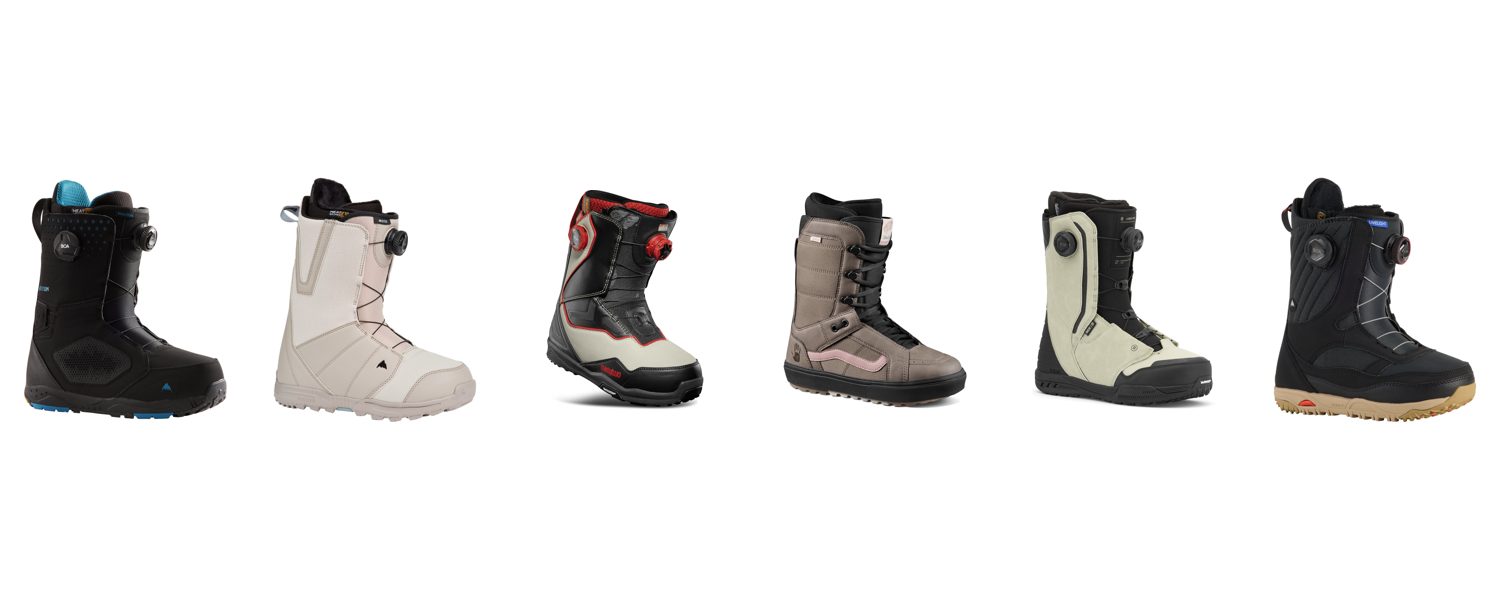
Boots are the most important purchase in snowboarding. Not the board. Not the bindings. Boots. Every input you make travels through them, and a bad fit will ruin a powder day faster than any equipment failure. The encouraging part: the current crop of boots is excellent across every price point, from a ~$200 lace classic to ~$470 flagships with heat-moldable liners and dual BOA dials. Based on our research of the 2025-26 lineup and aggregated expert and user feedback, these six deserve a spot on your shortlist.
Quick Comparison
| Boot | Best For | Flex | Lacing | Price |
|---|---|---|---|---|
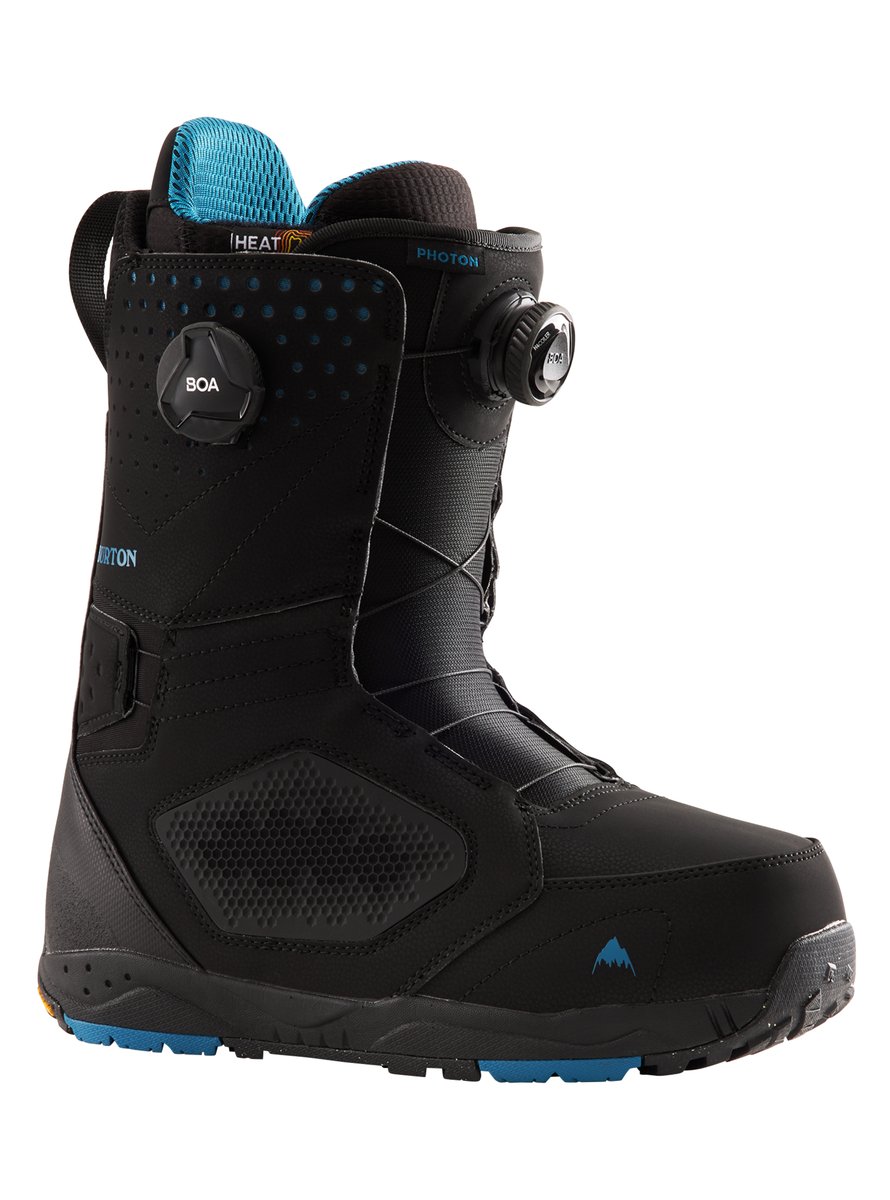
| Burton Photon BOA | Overall | Medium-stiff | Dual BOA | ~$470 |
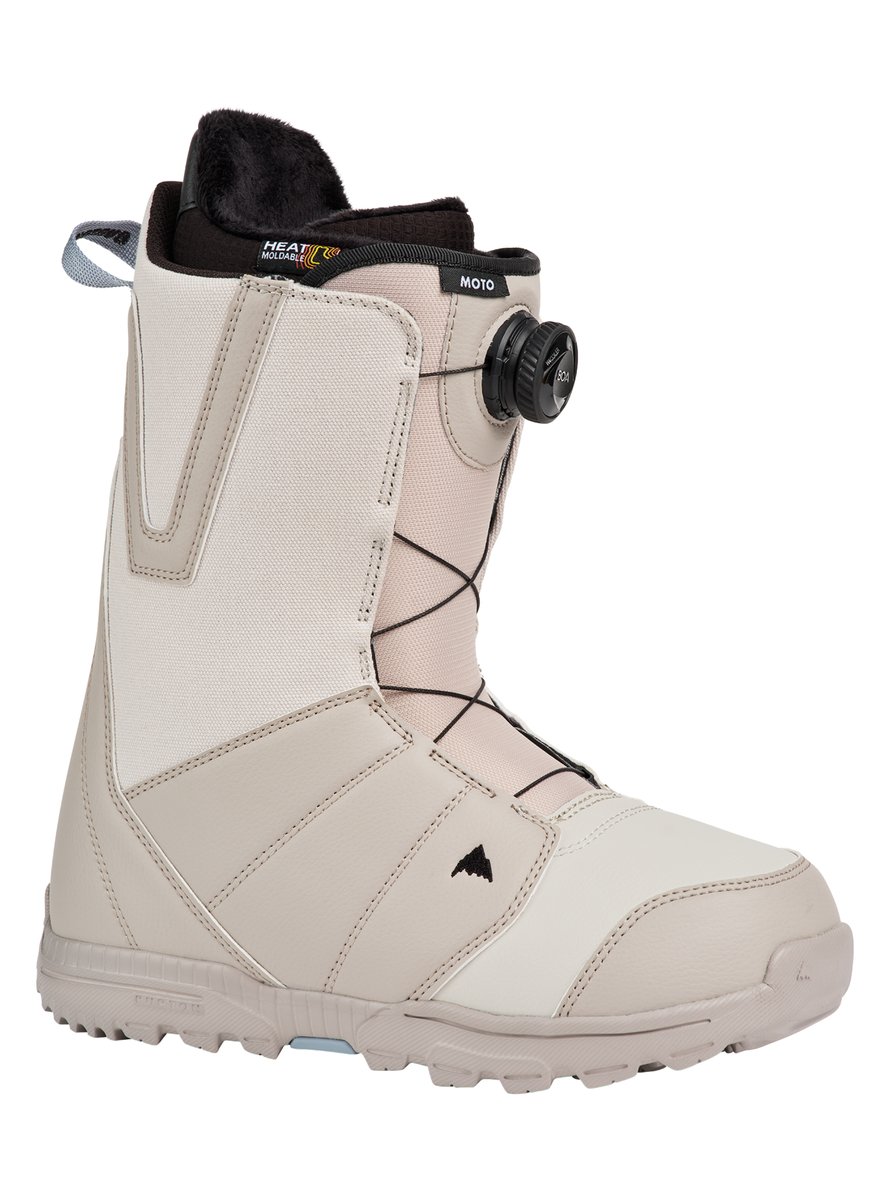
| Burton Moto BOA | Value | Soft-medium | Single BOA | ~$280 |
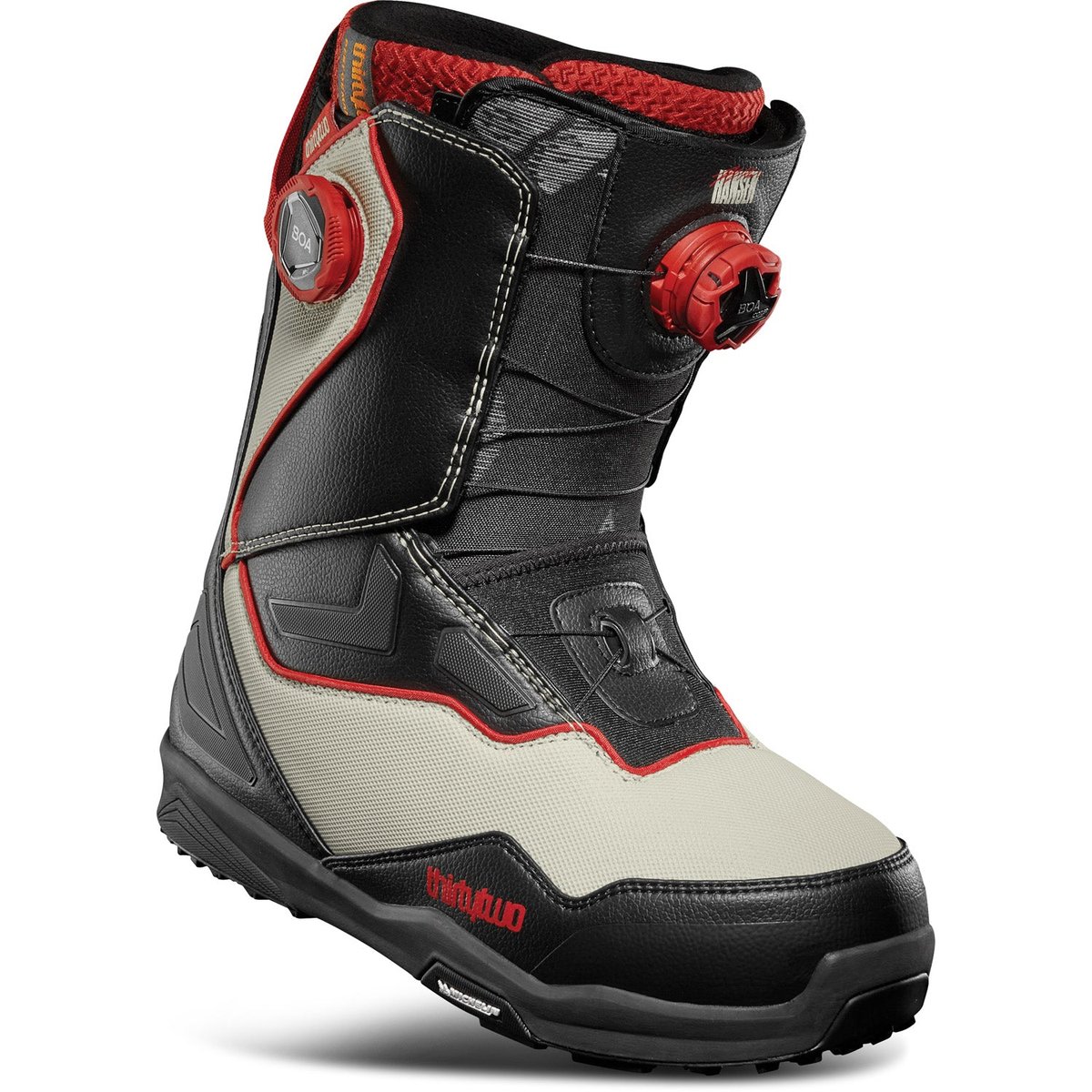
| thirtytwo TM-2 Double BOA | All-mountain freestyle | Medium | Dual BOA | ~$400 |
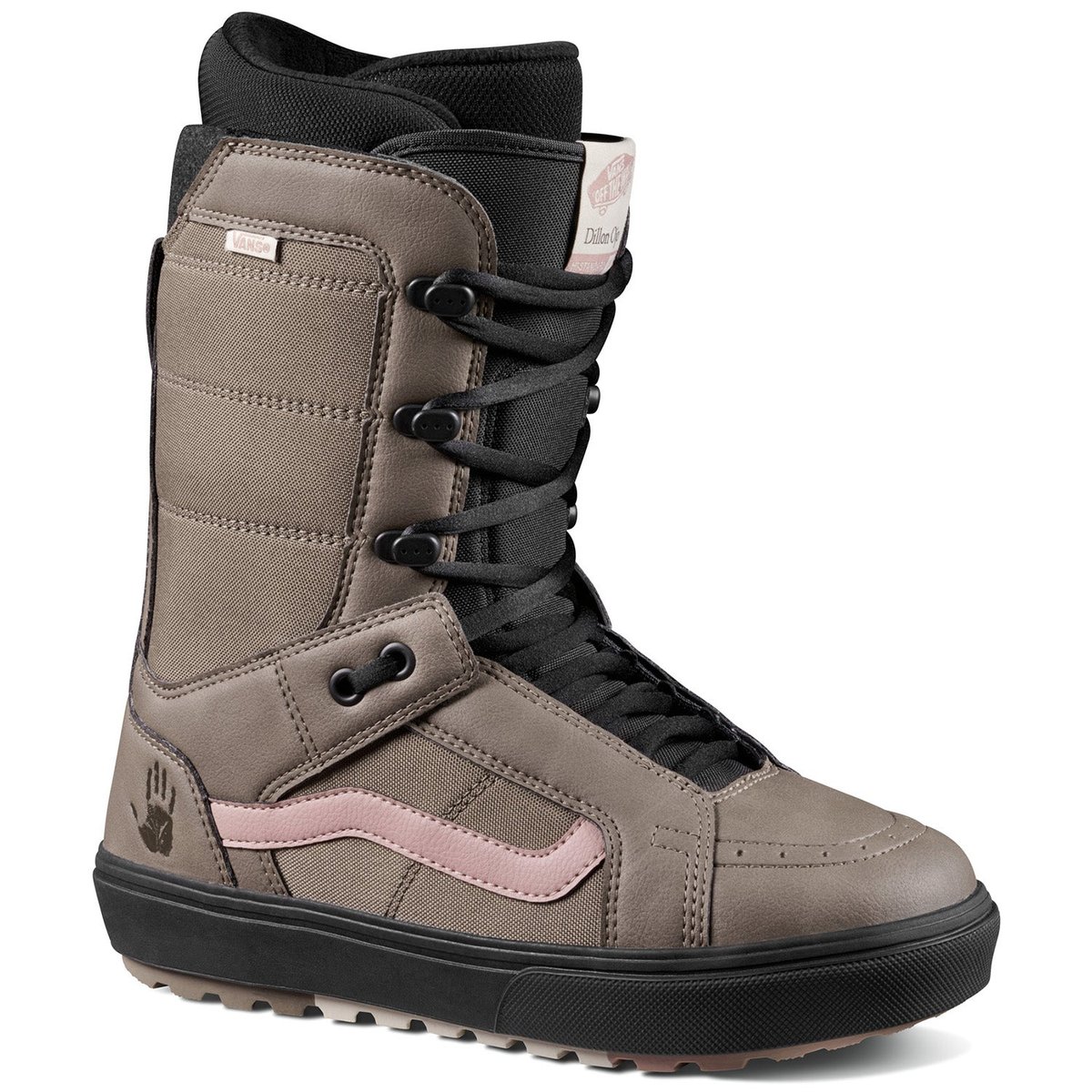
| Vans Hi-Standard OG | Lace loyalists | Soft-medium | Traditional lace | ~$200 |
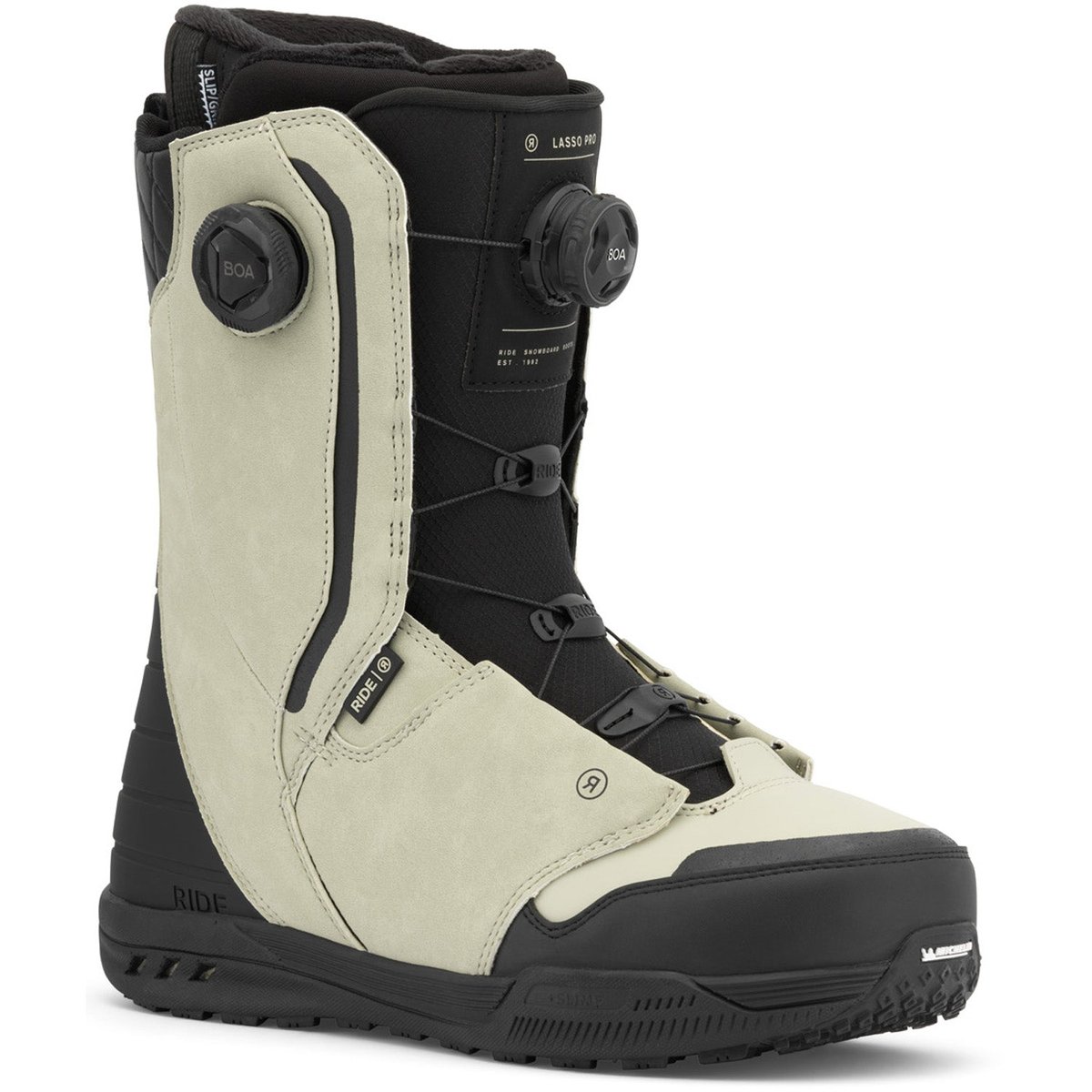
| Ride Lasso Pro | Hard chargers | Stiff | Dual BOA | ~$420 |
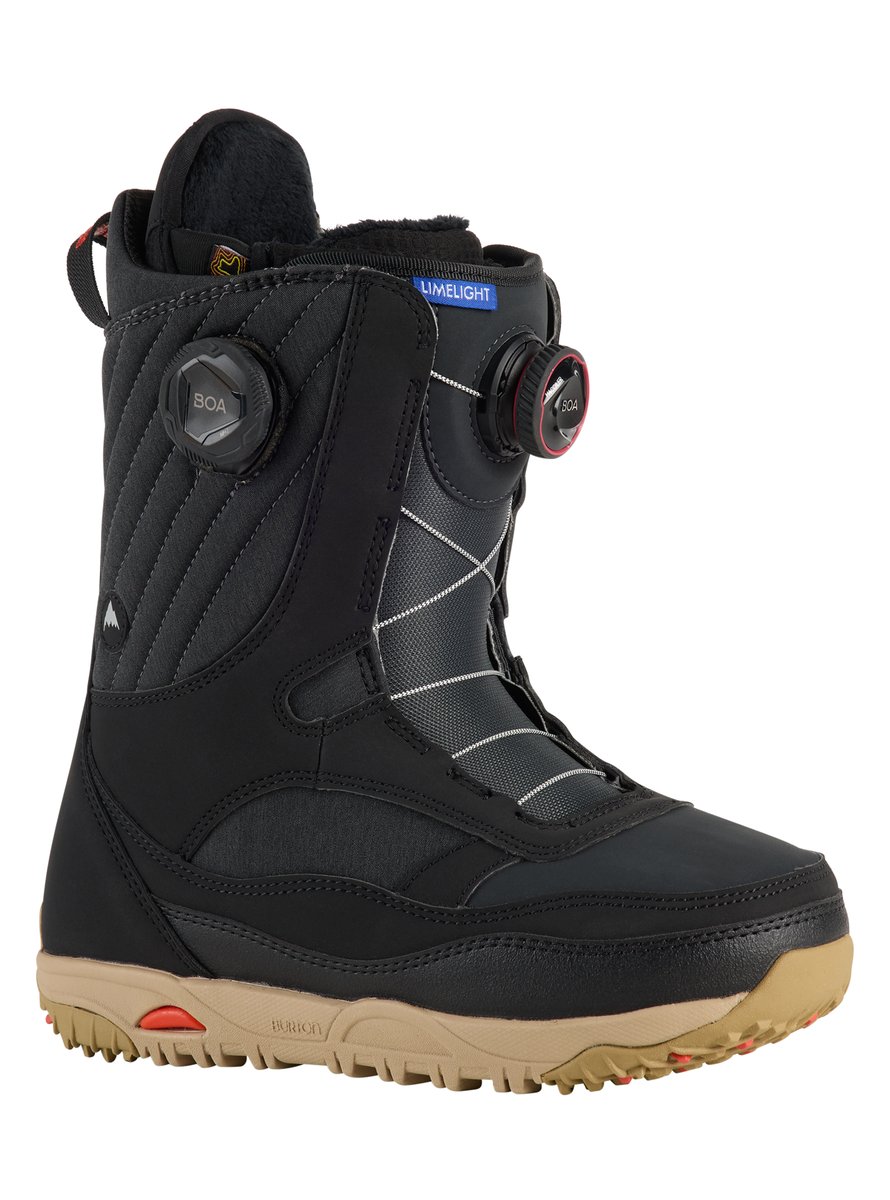
| Burton Limelight BOA | Women's all-mountain | Medium | Single BOA | ~$360 |
Our Picks
How to Choose Snowboard Boots
Fit beats everything. Your toes should brush the end of the liner when standing tall and pull back slightly when you flex into a riding stance. Snowboard boots pack out; a boot that feels comfortably roomy in the shop will feel sloppy by February. Most riders end up a half size below their street shoe.
Match flex to your riding. Soft boots (1-4) forgive mistakes and make presses easy. Medium (5-7) covers the whole mountain for most people. Stiff (8-10) transmits power instantly and punishes lazy legs. When in doubt, go medium.
Pick a lacing system you'll actually use. BOA dials are fast, glove-friendly, and micro-adjustable on the chairlift. Dual-dial setups add zonal control. Traditional laces offer the finest tuning and cheap field repairs, at the cost of retying. None of them is wrong; convenience usually wins.
Heat-mold if you can. Many liners here mold at a shop in about 20 minutes and reach a dialed fit immediately instead of after a week of sore feet. Worth asking about at purchase.
When to Replace Your Boots
Liners are usually the first thing to die, often around 80-120 riding days. The signals: your heel lifts where it never used to, you crank the dial tighter than you once did, or your toes swim. A packed-out boot makes a good board feel vague, so replace boots before you blame your deck. Aftermarket insoles can buy a season; they cannot resurrect collapsed liner foam.
Frequently Asked Questions
Should new snowboard boots feel tight?
Snug everywhere, painful nowhere. Expect firm pressure and toes that just touch the liner on day one; the fit relaxes noticeably within a few days. Sharp pain or numbness means the wrong size or the wrong last for your foot shape, not something to ride through.
BOA or laces, which is better?
Neither is objectively better. BOA wins on speed and on-hill adjustment; laces win on fine-grained tension control and are trivially repairable anywhere. Dual BOA narrows the gap by adding zones. Buy the closure you will adjust often, because a loose boot is worse than either system's drawbacks.
Do boots matter more than the snowboard?
For most riders, yes. A mid-range board with great-fitting boots rides better than a flagship board with sloppy ones, because every steering input starts at your feet. Budget accordingly: boots first, bindings second, board last.
Can women ride men's boots or vice versa?
You can, if the fit genuinely works. Women's boots use a narrower heel pocket and lower cuff; men's run wider and taller. Riders with feet that fit that profile better should cross over without hesitation. Fit has no gender, lasts do.