The Best Ski Tuning Kits of 2026-27: Wax and Edge Setups for Home Tuning
Affiliate disclosure: As an Amazon Associate we earn from qualifying purchases. Some links below are affiliate links, see our full disclosure. Recommendations are based on our independent research of current-season gear, specifications, and aggregated expert and user feedback.
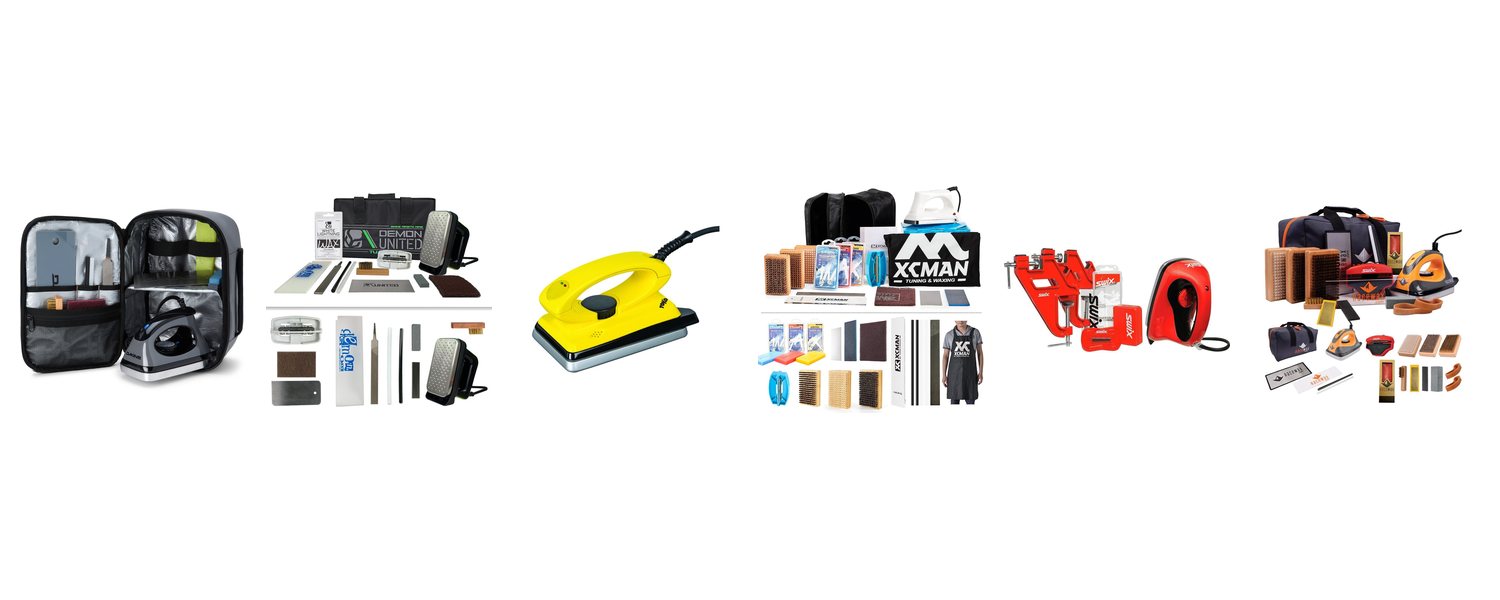
A shop tune runs $40 to $90 and your skis sit in a queue for days. A home tuning kit pays for itself in two or three visits, and a freshly waxed base on a cold January morning is a feeling you don't forget. The good news: you don't need a race room. A kit with a decent iron, a scraper, a brush, and an edge tool covers 90 percent of what recreational skis and snowboards ever need. Based on our research across current-season kits, here are six setups worth your bench space this winter, from a ~$50 starter package to a full home shop with a vise.
Quick Comparison
| Kit | Best For | Iron | Price |
|---|---|---|---|
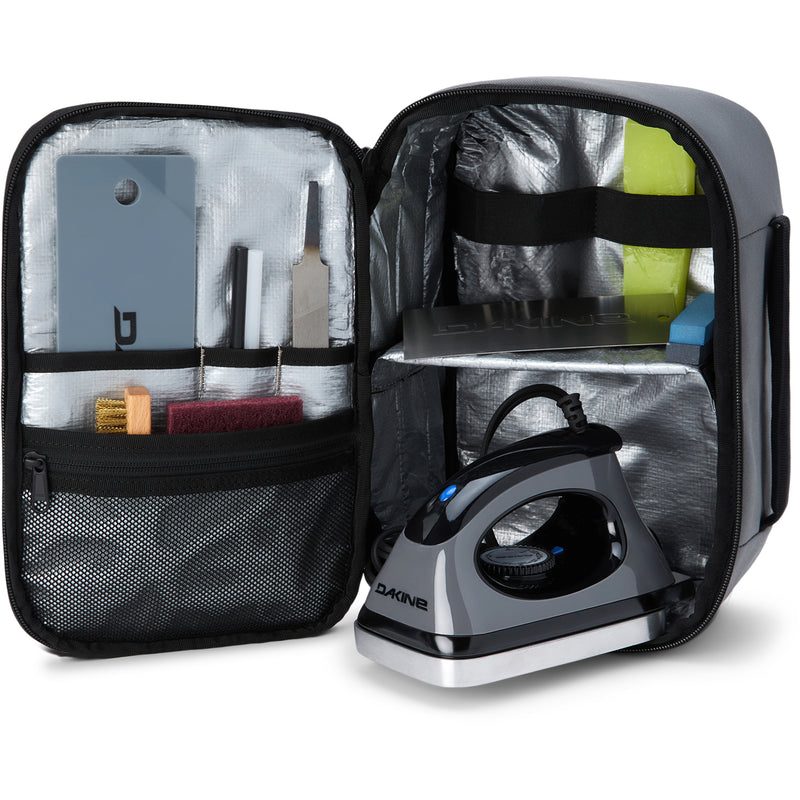
| Dakine Super Tune Kit | Overall | Adjustable-temp iron | ~$145 |
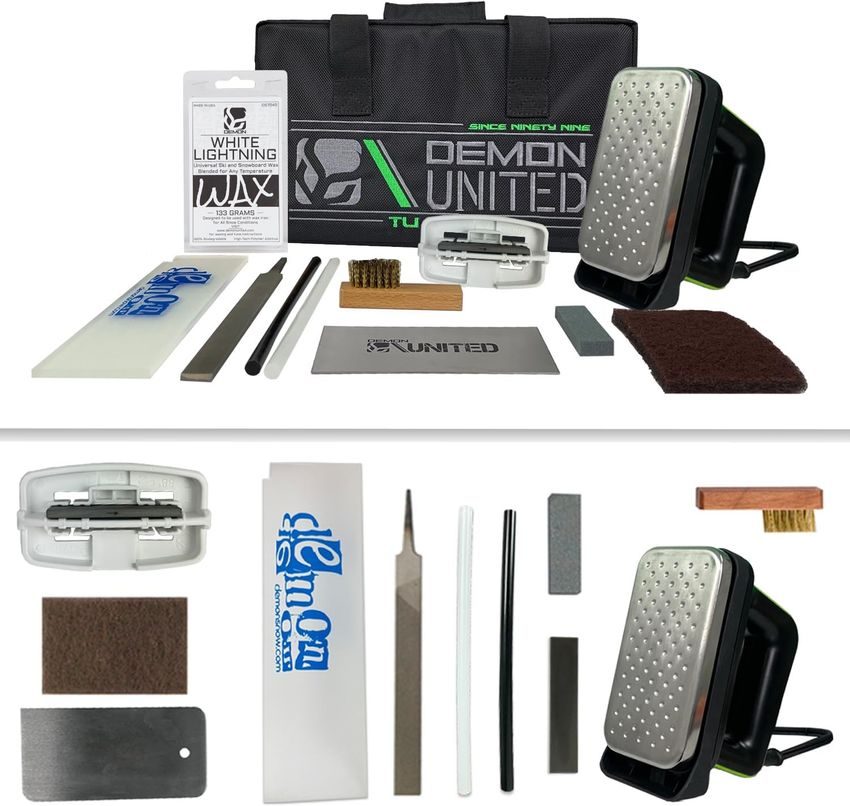
| Demon Complete Tune Kit | Most complete toolset | Dial-temp iron, 110/220V | ~$120 |
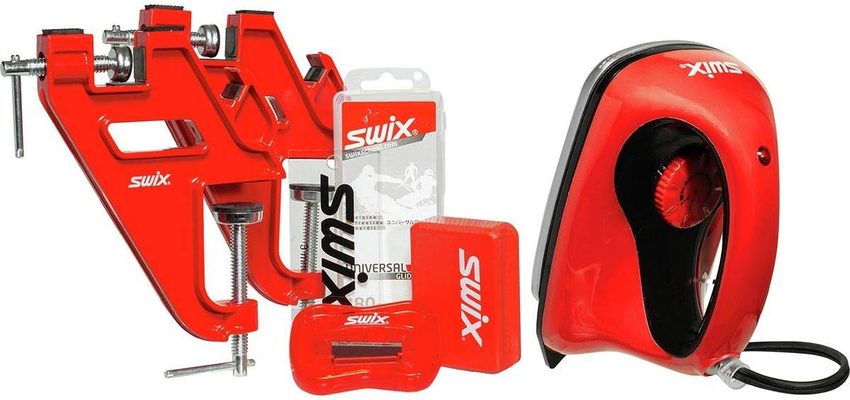
| Swix Ultimate Alpine Kit | Value from a legacy brand | Swix T75 iron | ~$80 |
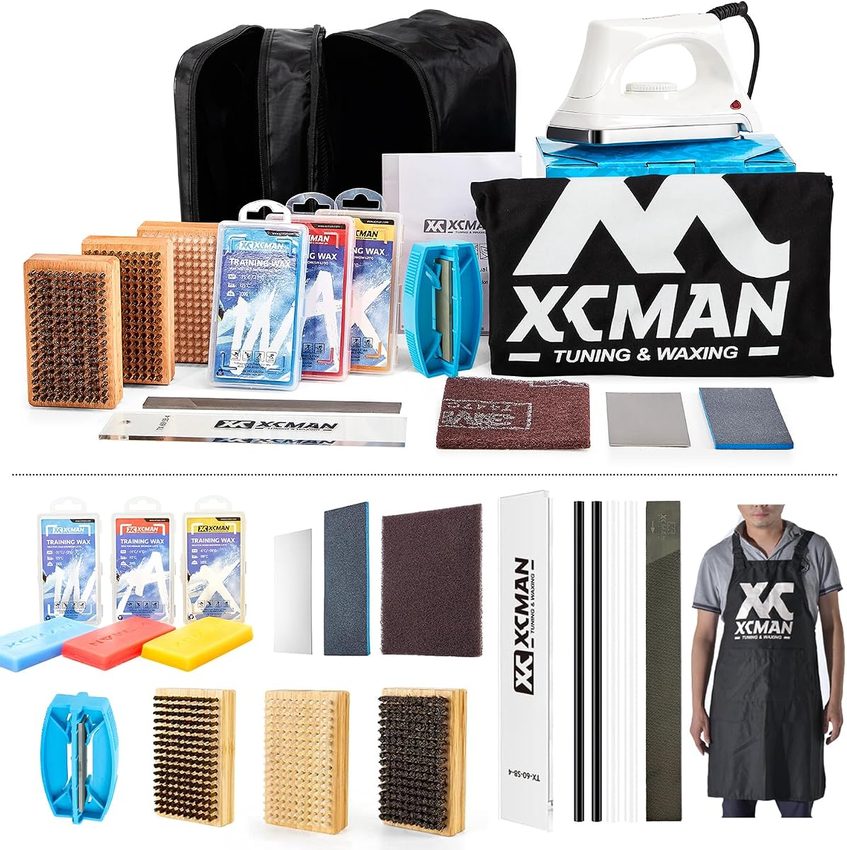
| XCMAN Complete Tuning Kit | Budget | Basic temp-dial iron | ~$50 |
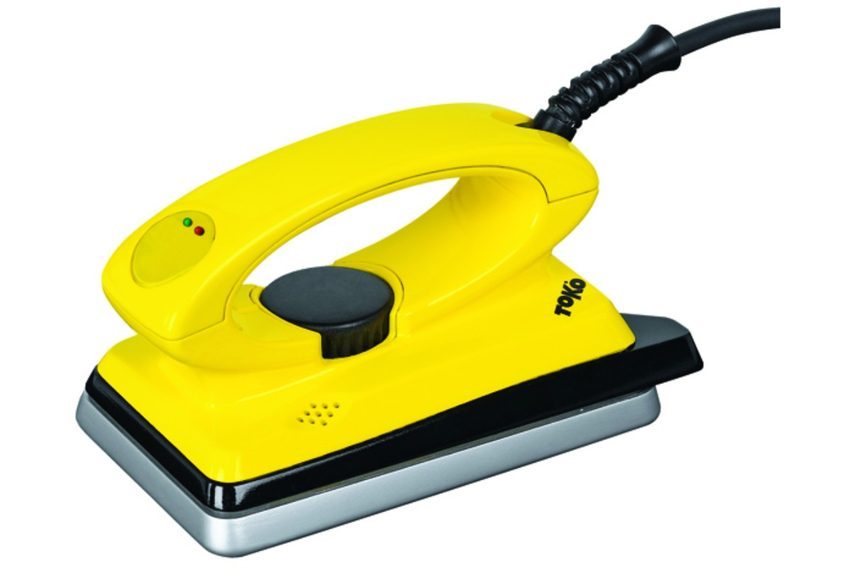
| Toko T8 Iron | Iron upgrade | Standalone 800W iron | ~$75 |
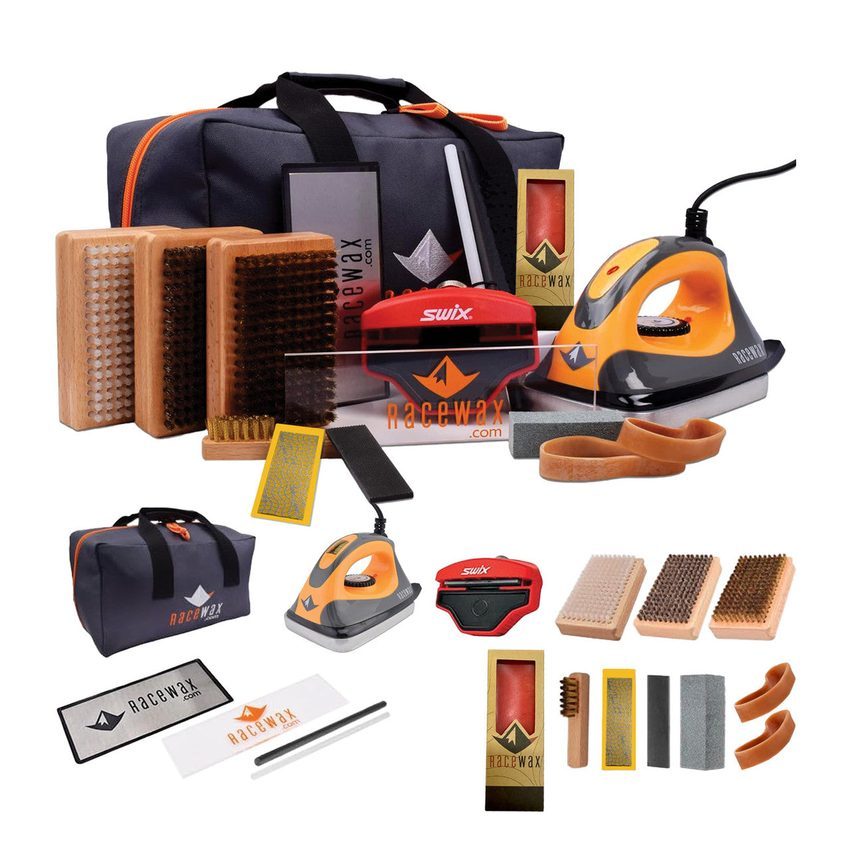
| RaceWax Elite Kit + Vise | Home shop bench | Digital iron + ski vise | ~$265 |
Our Picks
How to Choose a Tuning Kit
Judge the iron first. Wax irons live or die by temperature stability. A thermostat that overshoots scorches wax and, worse, can overheat a base until it seals and stops absorbing wax at all. Thicker soleplates hold heat steadier; if a kit's iron feels flimsy, budget for a standalone iron and buy the rest of the kit for its tools.
Count the tools you'll actually use. A full tune is wax on, wax off, brush out, plus edge work. That means iron, all-temp wax, plexi scraper, a brush (nylon at minimum), an edge tool, and a diamond stone or gummi stone for burrs. P-Tex and a metal scraper are for gouge repair. Anything beyond that list is nice, not necessary.
Think about where you'll work. Tuning against a chair back works exactly once. If you don't have a bench with a vise, favor kits in organized cases you can carry to a garage or balcony; if you do, the vise-based setup transforms the job.
Go fluoro-free. Fluorinated waxes are banned in organized racing and are disappearing from shelves for environmental reasons. Every kit here ships with hydrocarbon or fluoro-free wax; when you re-buy, an all-temperature fluoro-free block is the sensible default.
What a Home Tune Can and Can't Do
A home bench handles waxing, edge sharpening and deburring, and small P-Tex fills, which is most of what any ski needs in a season. Leave three jobs to a shop with a stone grinder: flattening a base that's gone concave or convex, deep core shots that reach fiberglass, and resetting a base structure after years of hand tunes. A once-a-season shop grind plus home waxing every 4-6 ski days is the maintenance rhythm most techs recommend.
Frequently Asked Questions
How often should I wax?
Every 4 to 6 days on snow is the common rule of thumb. Dry, chalky-looking bases along the edges are the tell that you've waited too long. Machine-made and spring snow are more abrasive, so wax more often in those conditions.
Can I just use a clothes iron?
People do, and techs wince. Clothes irons cycle their temperature in wide swings and have steam holes that trap wax. A dedicated iron with a stable thermostat costs less than the pair of skis it protects. If the budget is tight, the XCMAN kit costs about what a decent clothes iron does and includes the rest of the tools.
What edge angle should I set?
Most recreational skis and snowboards ship with roughly a 1 degree base bevel and 2 degree side bevel, and staying with the factory angles is the right call for a home tune. Adjustable edge tools and bevel guides in the pricier kits let you match those angles precisely rather than guessing.
Will one kit work for both skis and a snowboard?
Yes. Wax, irons, scrapers, and edge tools don't care what they're tuning; only vises are shape-specific. If you ride both, check vise compatibility, or pick a kit like the Demon that's sold explicitly for both.