The Best Ski Socks of 2025-26: Warm Feet, No Bunching
Affiliate disclosure: As an Amazon Associate we earn from qualifying purchases. Some links below are affiliate links, see our full disclosure. Recommendations are based on our independent research of current-season gear, specifications, and aggregated expert and user feedback.
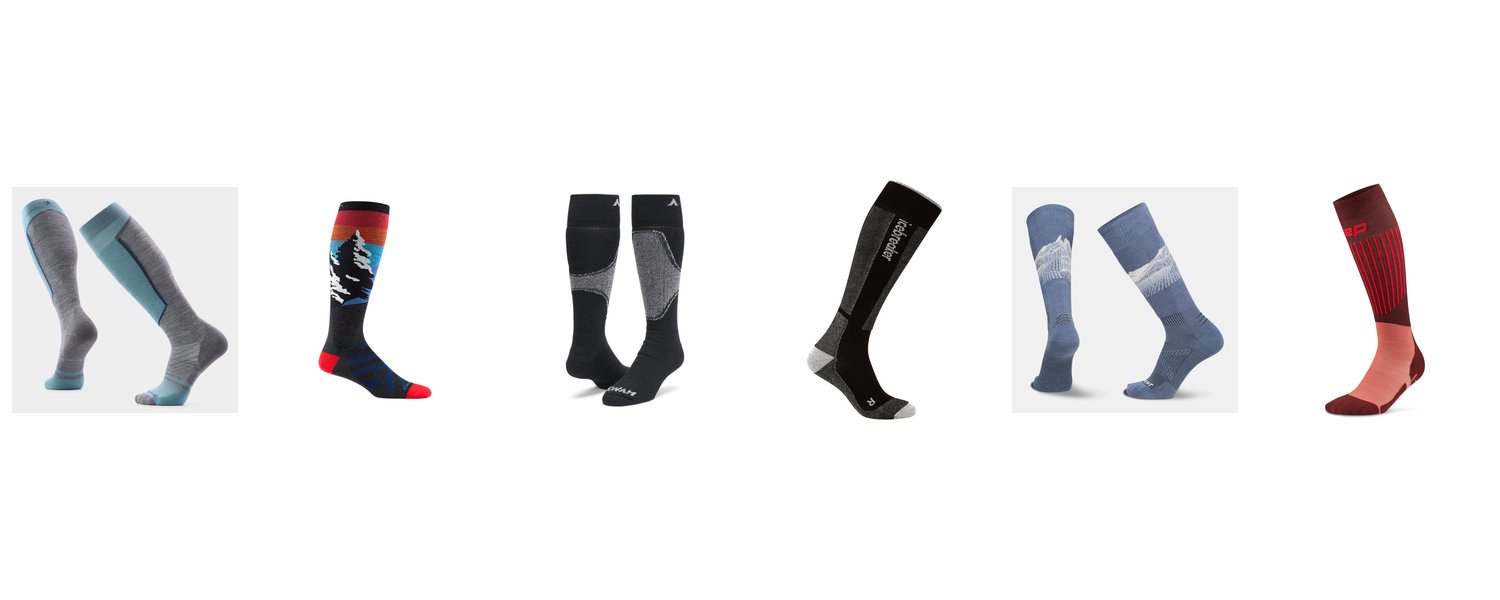
Socks are the cheapest piece of ski gear you own and arguably the one that ruins the most days. A bunched seam or a soaked cotton tube sock can turn a $200 lift ticket into an exercise in misery. The fix costs about $17 to $60: a proper over-the-calf ski sock, usually merino, thin enough to work with your boot liner instead of fighting it. Based on our research across current-season models and aggregated expert and user feedback, these six are the ones worth buying this winter.
Quick Comparison
| Sock | Best For | Materials | Weight | Price |
|---|---|---|---|---|
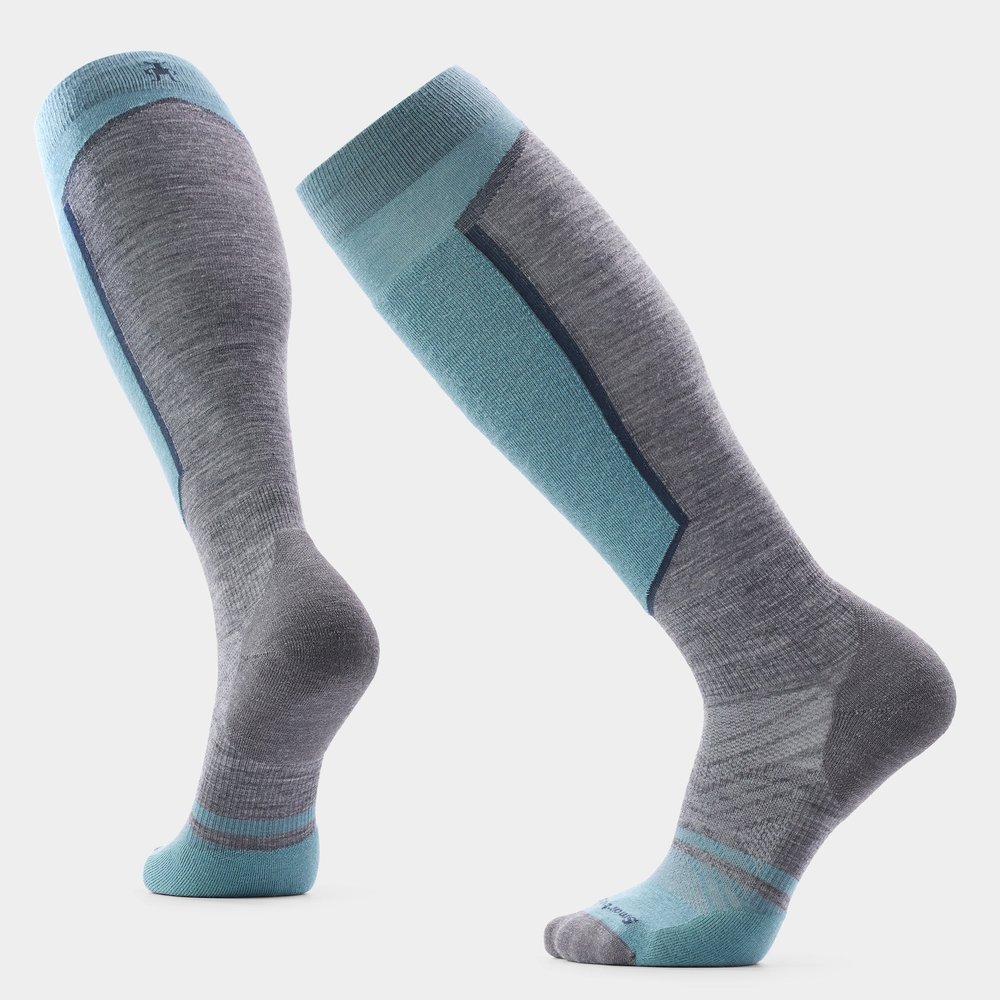
| Smartwool Ski Targeted Cushion OTC | Overall | ~56% merino, nylon, elastane | Light/medium | ~$30 |
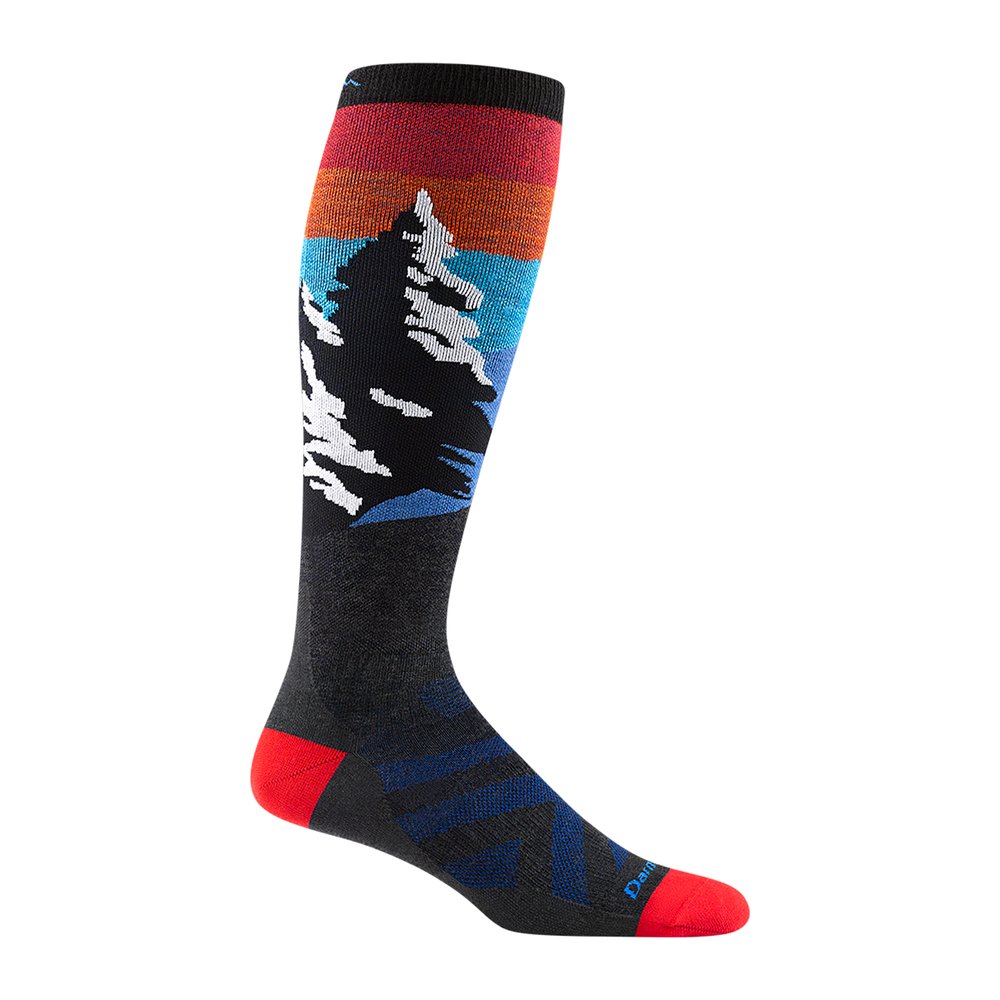
| Darn Tough Solstice OTC Lightweight | Durability | 52% nylon, 45% merino, lycra | Light | ~$30 |
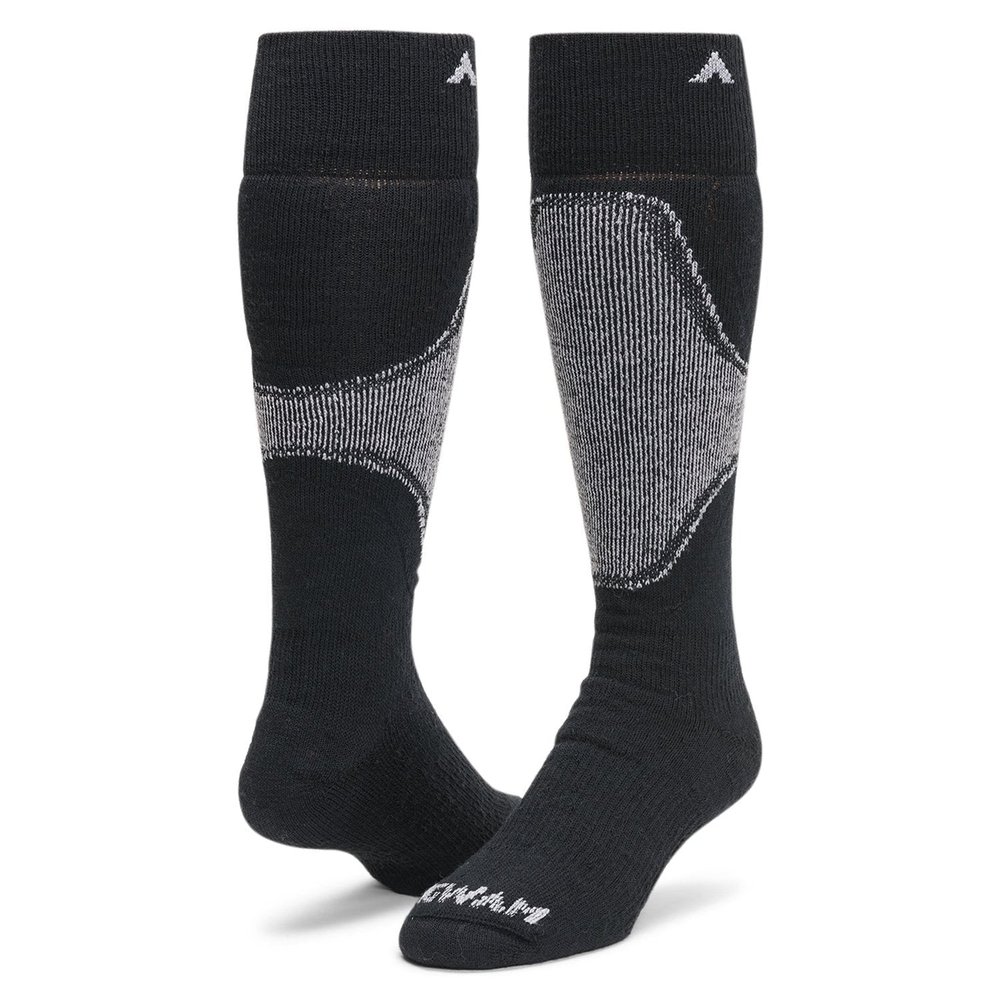
| Wigwam Sirocco Midweight OTC | Value | 60% wool, stretch nylon blend | Medium | ~$17 |
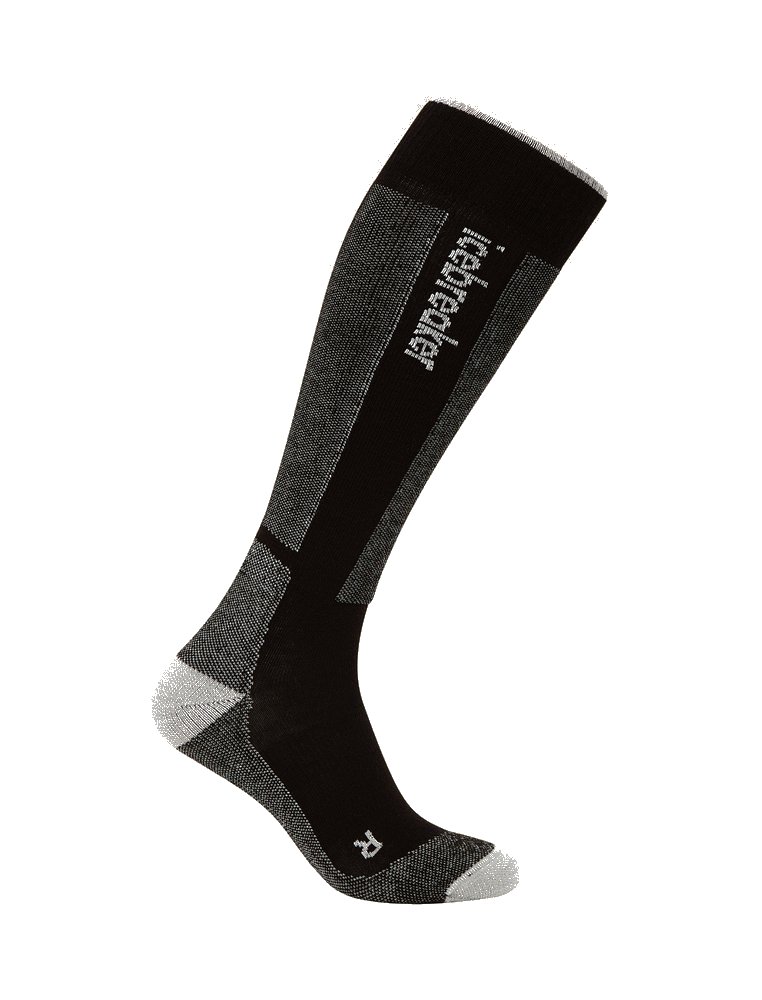
| Icebreaker Merino Ski+ Light OTC | Comfort & warmth | 52% merino, 47% nylon, elastane | Light | ~$30 |
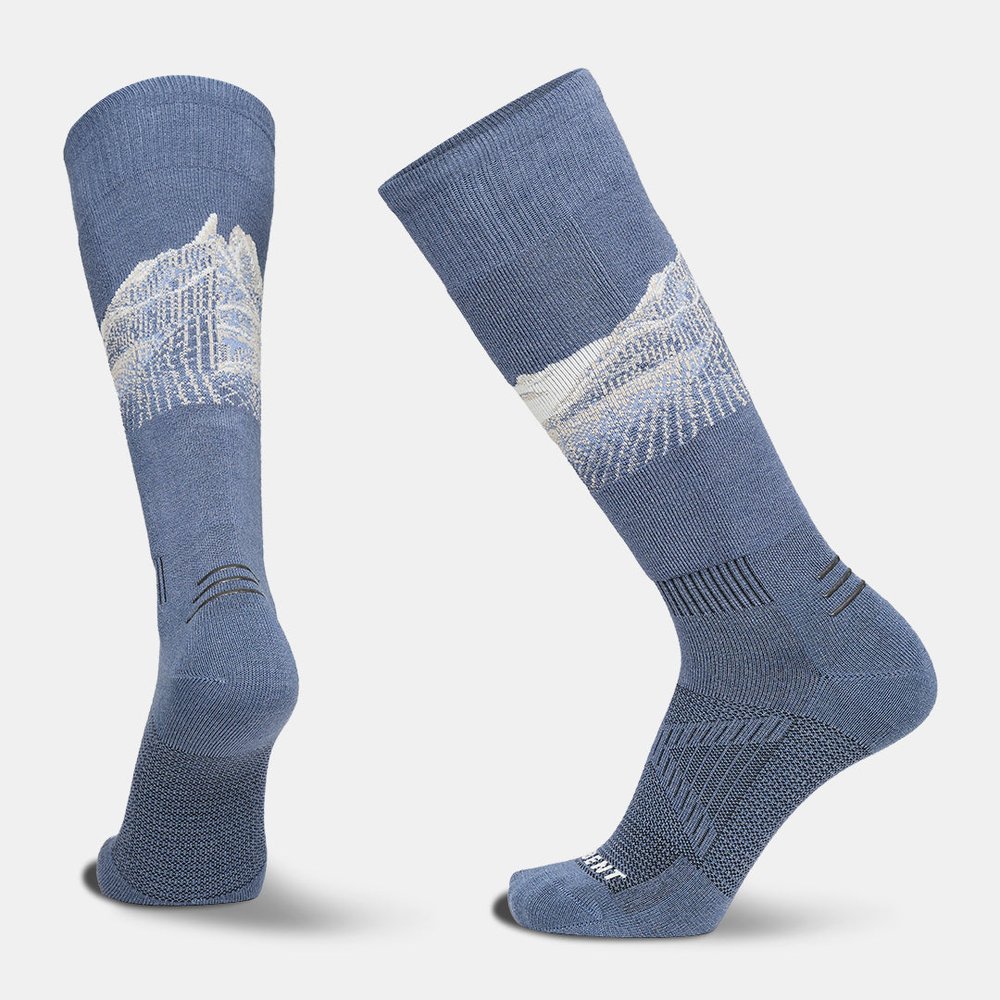
| Le Bent Cody Townsend Pro | Backcountry | 44% bamboo rayon, nylon, 19% merino | Light | ~$45 |
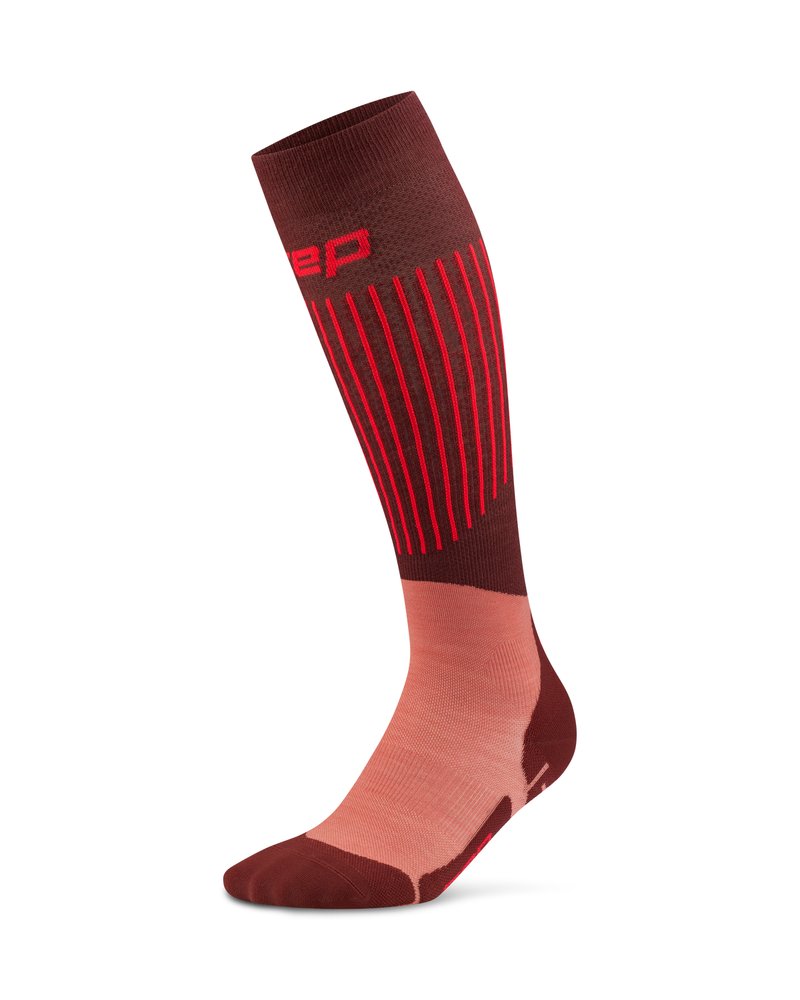
| CEP Ski Ultralight | Compression / cold feet | 64% polyamide, 22% merino, spandex | Ultralight | ~$60 |
Our Picks
How to Choose Ski Socks
Thin beats thick. This surprises most new skiers. Modern boot liners do the insulating; a thick sock just compresses inside the shell, restricts blood flow, and makes your feet colder. If your boots fit properly, a light or ultralight sock is warmer in practice than a chunky one. Save the midweights for roomy rental boots or genuinely frigid days.
Go merino if you can. Merino wool wicks sweat, insulates even when damp, and resists odor well enough to wear twice between washes. Synthetics dry faster and last longer but smell sooner. Cotton has no place in a ski boot: it soaks up sweat, stays wet, and chills your feet. None of our picks contain any.
Over-the-calf is non-negotiable. The cuff must clear the top of your boot, otherwise it slides down and folds into a pressure ridge against your shin. Every sock in this guide rises to just below the knee.
One pair, worn right. Doubling up socks creates folds and cuts circulation. Pull the sock on smooth, with no wrinkles at the heel, before you buckle in. If your feet still hurt, the fix is usually a bootfitter, not another sock.
Caring for Ski Socks
Merino ski socks are thin by design and wear out faster than hiking socks if you abuse them. Turn them inside out, wash cool, and skip the dryer; line drying prevents the pilling that plagues soft-knit models. Reserve them for skiing, since wearing them around the house grinds down the footbed for no good reason. And if longevity is your main concern, note that Darn Tough will replace a worn-through pair for life.
Frequently Asked Questions
Why are ski socks so thin? Won’t I be cold?
A properly fitted boot liner traps heat far better than any sock. A thin sock preserves circulation and keeps the liner snug against your foot, which is where warmth actually comes from. Skiers who switch from thick tube socks to a light merino sock are usually warmer, not colder.
How many pairs do I need?
Two or three covers most skiers: wear one, dry one. Merino’s odor resistance means a pair can handle back-to-back days on a weekend trip, but socks need to dry fully overnight to insulate well the next morning.
Are heated socks worth it?
For most people, no. A well-fitted boot and a quality merino sock solve cold feet in all but extreme cases. If you have tried both and still suffer, battery-heated socks from brands like Lenz and Hotronic work, but a full kit runs $200-300. Try a compression sock like the CEP Ski Ultralight first; poor circulation is often the real culprit.
Can I just wear hiking socks?
They will work in a pinch, but hiking socks are shorter and their cushioning sits in the wrong places for a ski boot. The cuff often lands right at the boot top, which is exactly where you do not want a seam. Ski-specific socks put padding on the shin and keep the rest low-profile.