The Best Ski Poles of 2025-26: Picks for Resort, Freeride, and Touring
Affiliate disclosure: As an Amazon Associate we earn from qualifying purchases. Some links below are affiliate links, see our full disclosure. Recommendations are based on our independent research of current-season gear, specifications, and aggregated expert and user feedback.
Poles are the gear purchase nobody researches, and it shows in the lift line: bent shafts, missing baskets, straps dangling. A good pair costs less than a day ticket and lasts for years. The differences that matter are real, though. Strap systems that release in a crash, grips you can choke up on mid-traverse, shafts that flex instead of folding when you catch a tip. Based on our research across current-season models, these six earn a spot, from a ~$70 workhorse to a ~$200 carbon do-everything pole.
Quick Comparison
| Pole | Best For | Key Feature | Price |
|---|---|---|---|
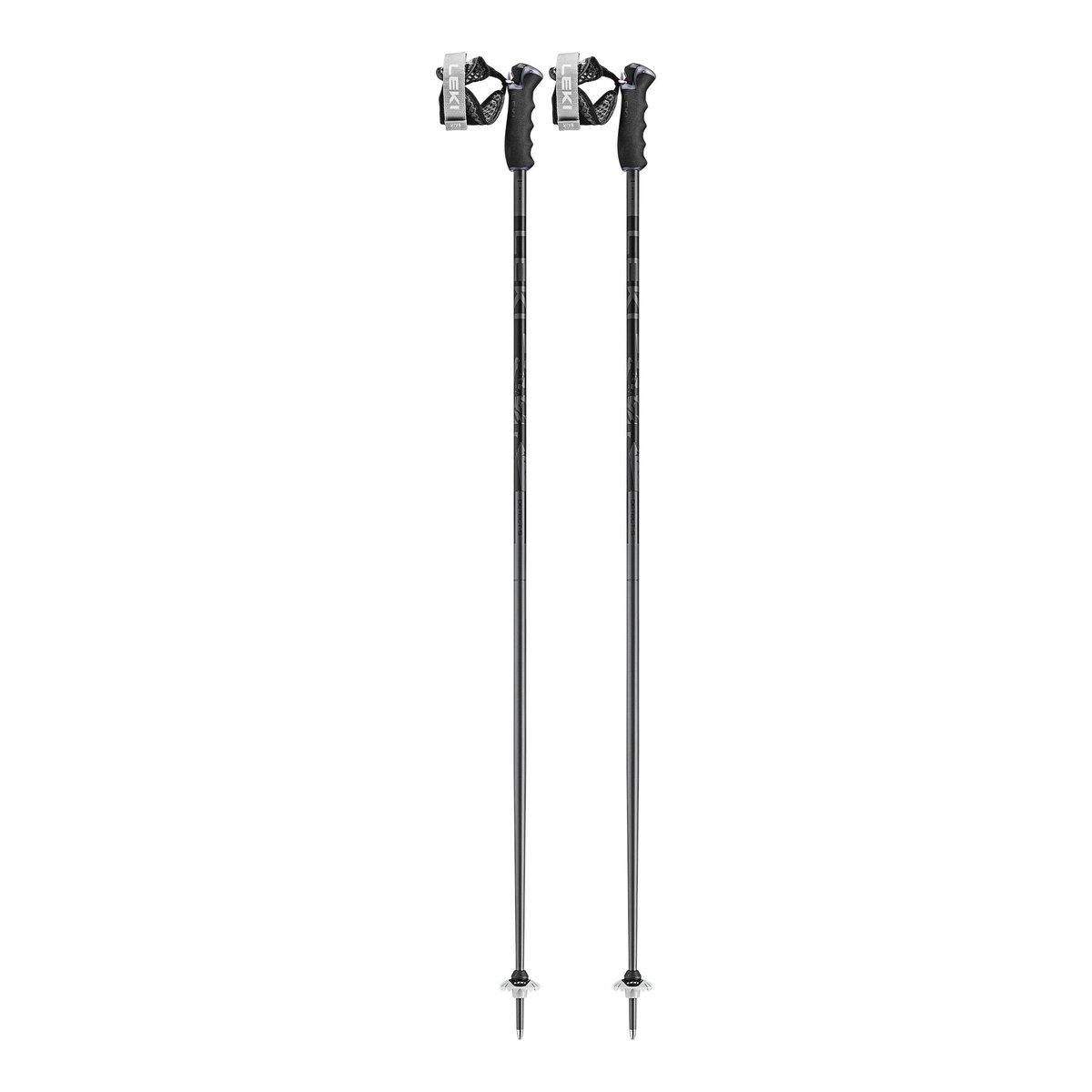
| Leki Detect S | Overall | Trigger S release strap, 2 basket sets | ~$100 |
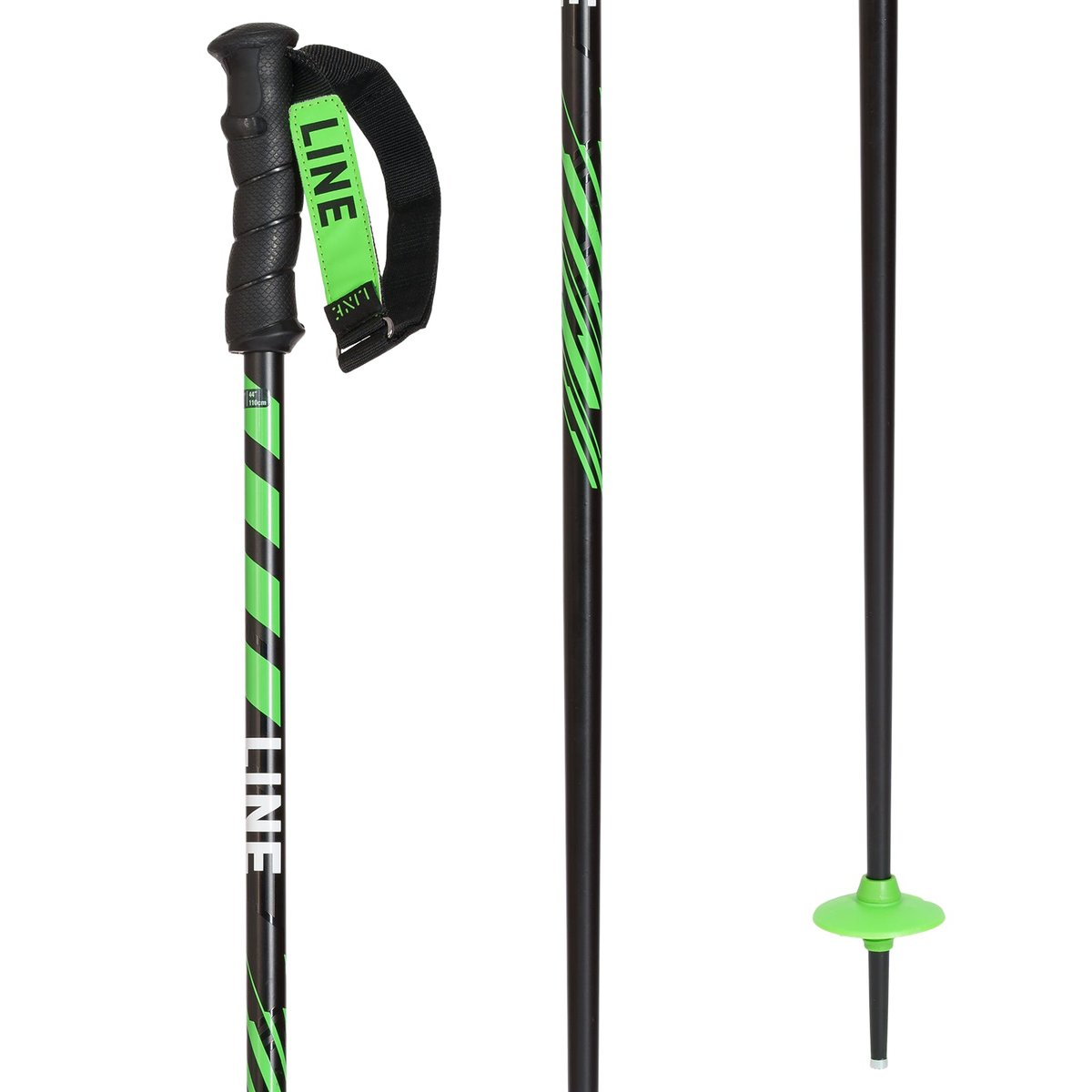
| Line Grip Stick | Value | Ergonomic grip, simple and tough | ~$70 |
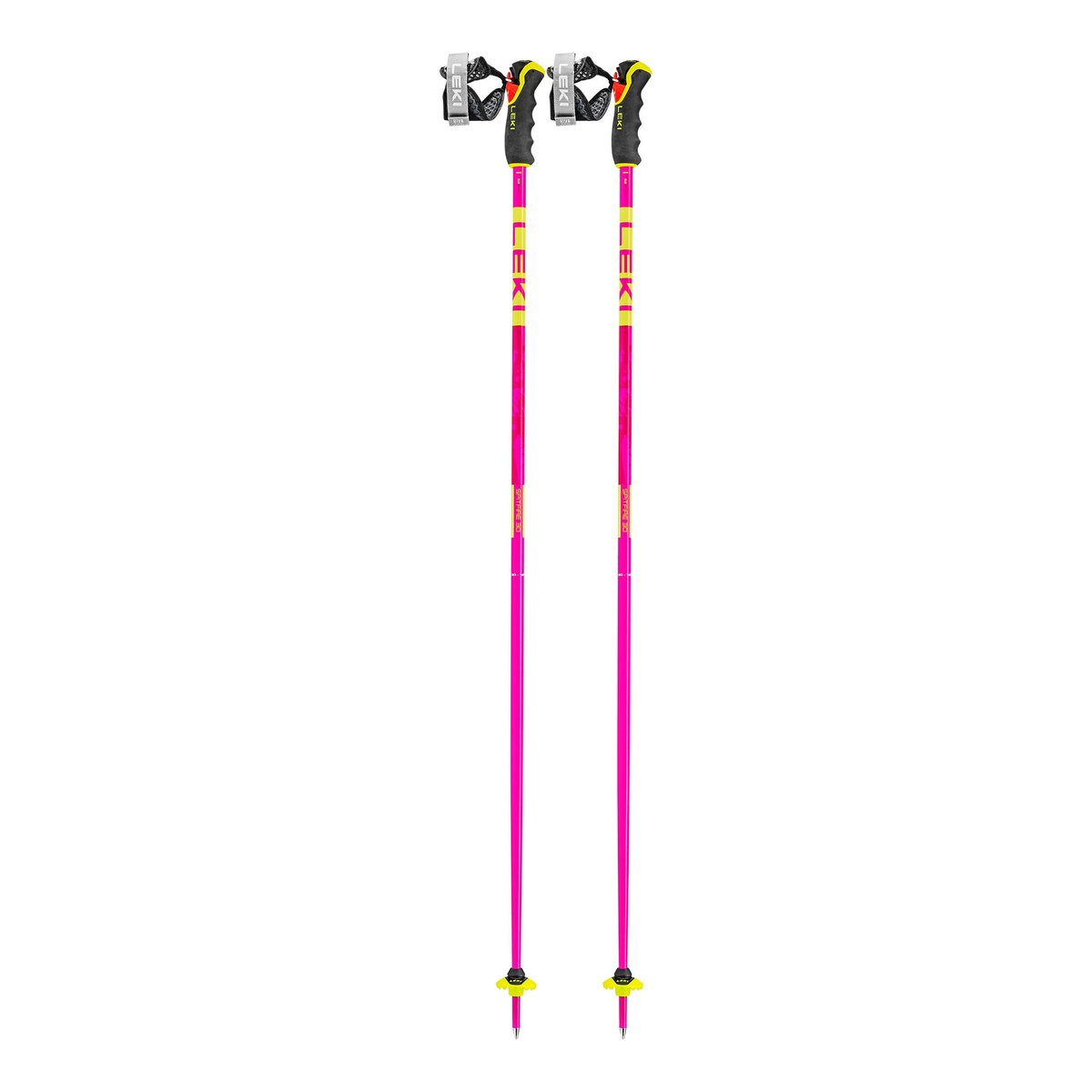
| Leki Spitfire 3D | Freeride | Trigger 3D multi-direction release | ~$140 |
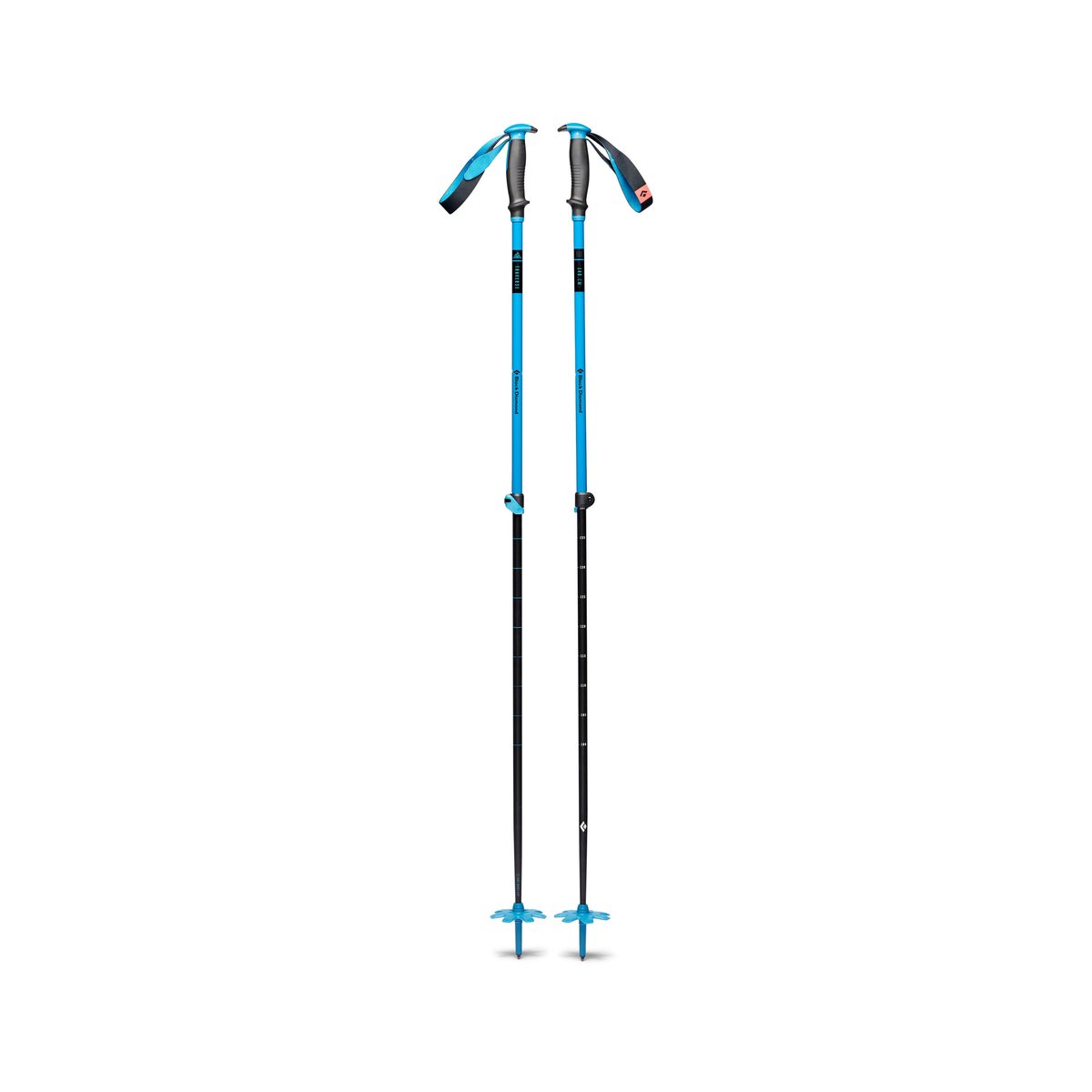
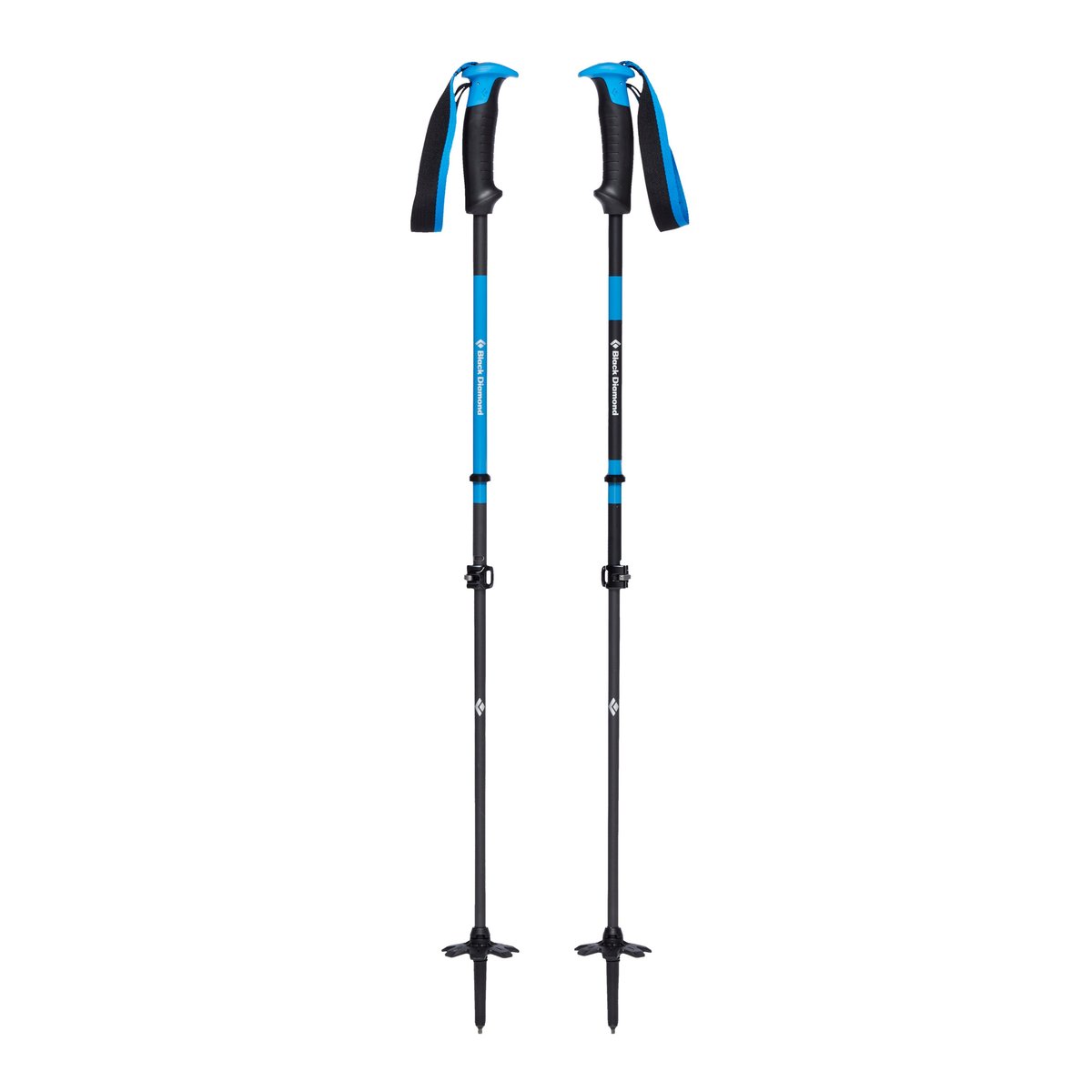
| Black Diamond Traverse | Backcountry | FlickLock adjustable, tool features | ~$90 |
| BD Razor Carbon Pro | Premium adjustable | Carbon build, breakaway strap | ~$200 |
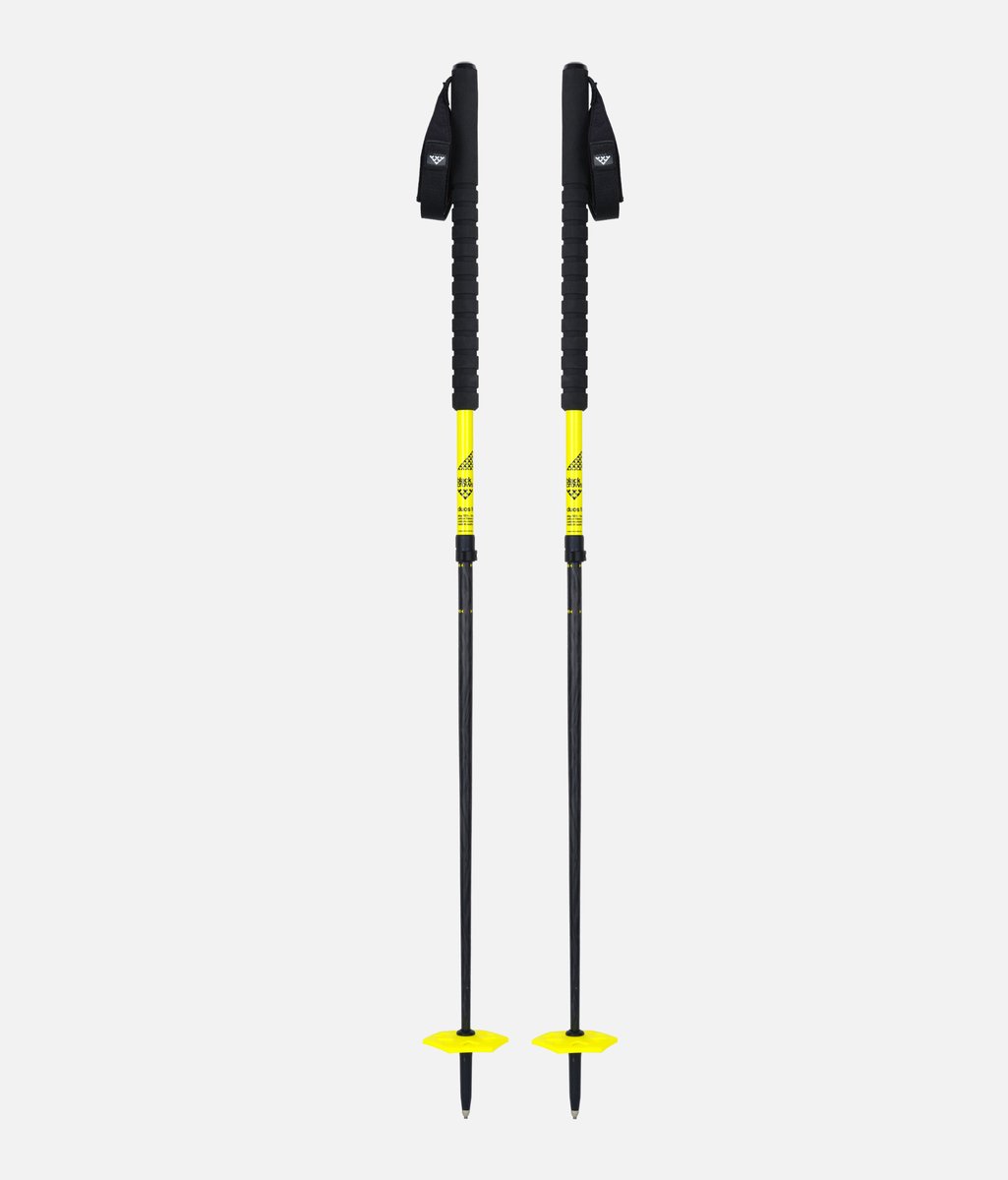
| Black Crows Duos Freebird | Freetouring | Extended grip, packs down small | ~$190 |
Our Picks
How to Choose Ski Poles
Get the length right first. Flip a pole upside down and grab it just under the basket; your elbow should sit at roughly 90 degrees. Between sizes? Resort skiers round down for comfort, powder skiers sometimes round up for deep-snow pole plants. Adjustable poles sidestep the question entirely.
Aluminum vs carbon is a durability question, not a status question. Aluminum bends before it breaks and can often be bent back. Carbon is lighter and damps vibration but fails suddenly when it goes. For resort skiing, good aluminum is the smarter buy; carbon earns its premium on long touring days where grams add up.
Think about straps. A basic loop is fine on groomers. In trees, deep snow, or avalanche terrain, a releasable strap (or skiing strapless) protects your shoulders and lets a snagged pole go. Leki’s Trigger system and BD’s SwitchRelease both solve this well.
Baskets are swappable, so match them to the snow. Small baskets for groomers, wide powder baskets for storm days. Poles that include both, like the Detect S, save you a shop trip in January.
Do Expensive Poles Actually Ski Better?
Mostly no, and it is worth being honest about that. A $70 aluminum pole plants in the snow the same way a $200 one does. What you pay for above ~$100 is lower swing weight, adjustability, release systems, and packability, features that matter enormously to some skiers and not at all to others. Buy the features you will use, skip the ones you will not, and spend the savings on a better helmet.
Frequently Asked Questions
What length ski poles do I need?
Use the upside-down grab test described above, or a rough chart: skiers around 5'6" typically take 115cm, around 5'10" take 120cm, over 6' take 125cm or more. Kids and park skiers often size shorter.
Are adjustable poles worth it for resort skiing?
For pure resort skiing, usually not; a fixed-length pole is lighter, simpler, and has no clamp to slip. Adjustables earn their keep the moment you start skinning uphill, or if multiple family members share gear.
Should I use pole straps in the trees?
Ski patrol guidance is widely consistent: in tight trees and in avalanche terrain, either drop your straps or use a releasable system. A pole that anchors your arm to a buried or snagged shaft is a real injury mechanism, which is why release straps show up on most of the poles in this guide.
How long do ski poles last?
Aluminum poles regularly outlive the skis they were bought with; replace them when they bend badly or the grips wear out. Carbon poles should be retired after any visible crack or deep gouge, since damaged carbon can fail without warning.