The Best Ski Helmets of 2025-26: Top Picks for Every Skier
Affiliate disclosure: As an Amazon Associate we earn from qualifying purchases. Some links below are affiliate links, see our full disclosure. Recommendations are based on our independent research of current-season gear, specifications, and aggregated expert and user feedback.
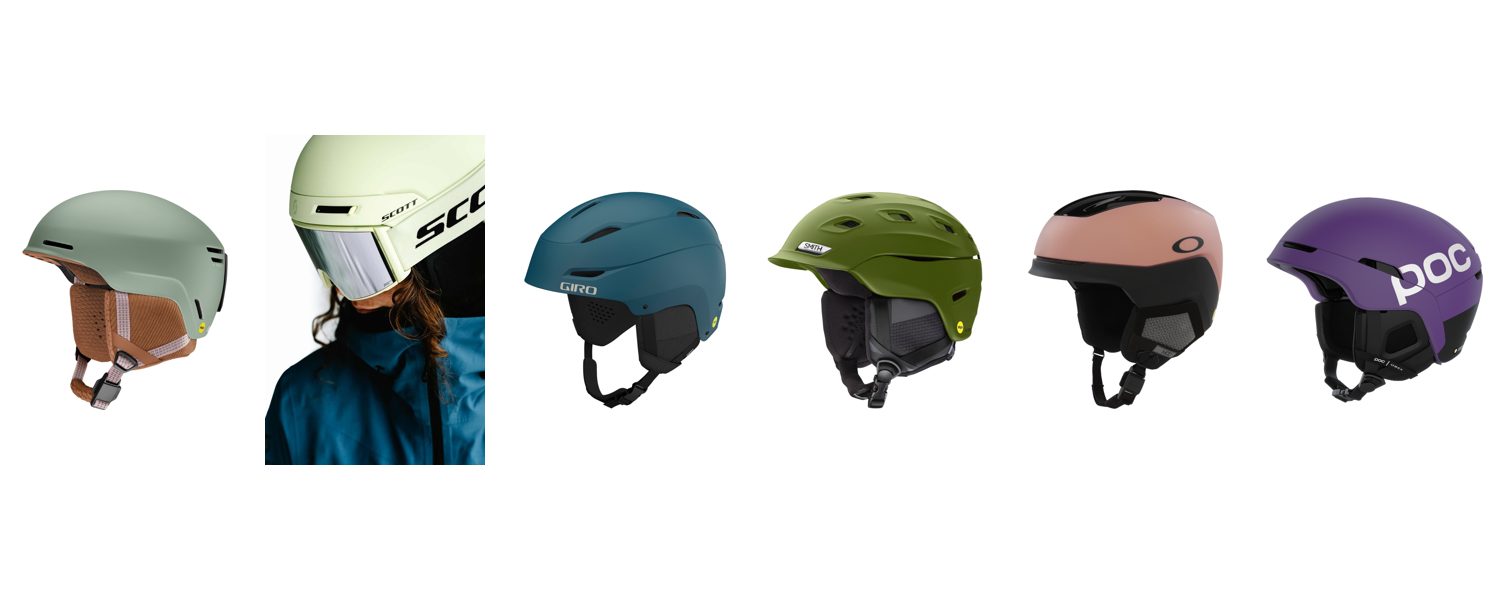
A helmet is the one piece of gear where you should never cut corners, and the good news is that today’s helmets are lighter, better ventilated, and more protective than ever. Nearly every serious option now includes MIPS (Multi-directional Impact Protection System) or an equivalent rotational-impact technology, and prices for excellent lids run from around $120 to $270. Based on our research across current-season models, including impact-test results published by independent gear labs, these are the helmets worth your money this winter.
Quick Comparison
| Helmet | Best For | Safety Tech | Price |
|---|---|---|---|
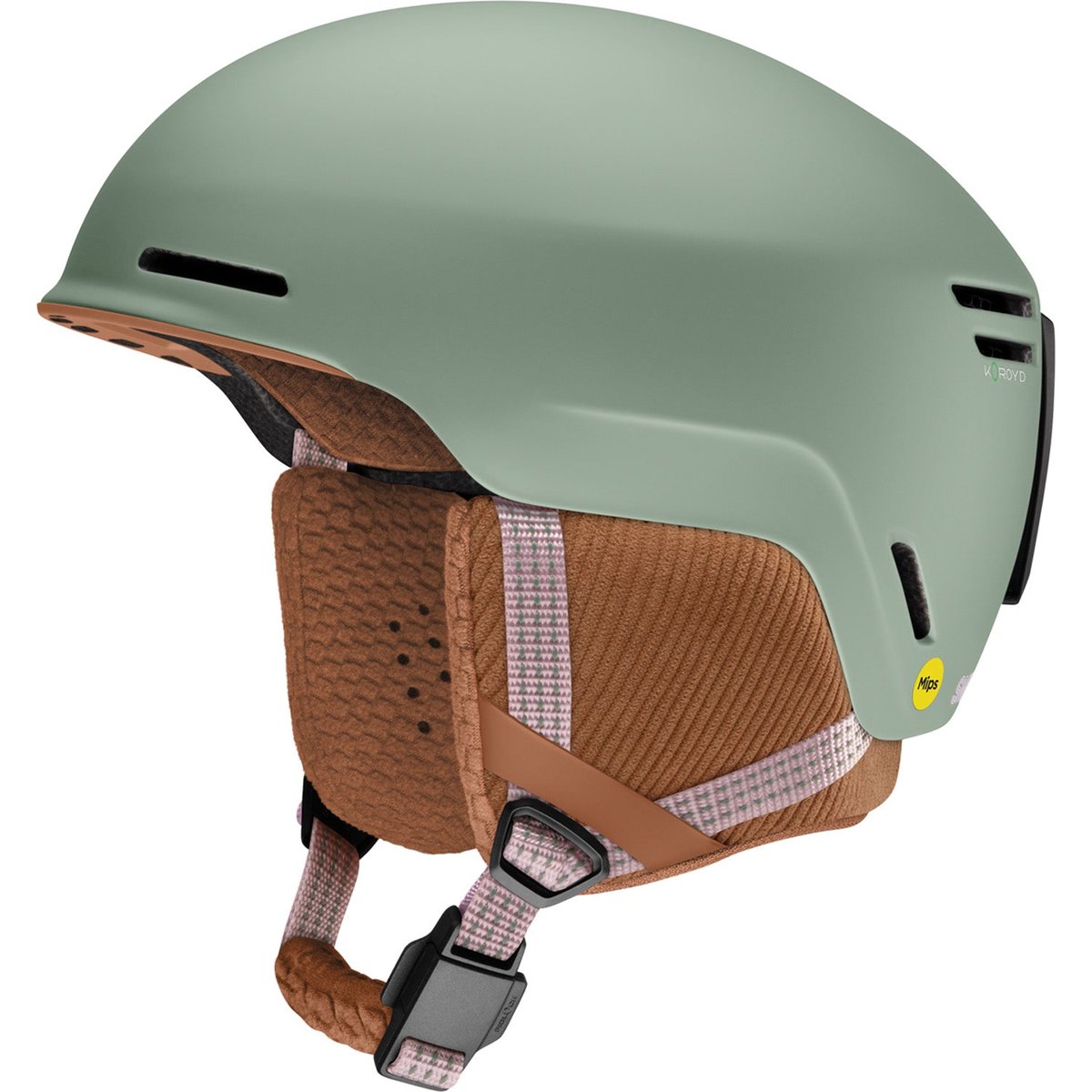
| Smith Method Pro MIPS | Overall | MIPS, zonal Koroyd | ~$180 |
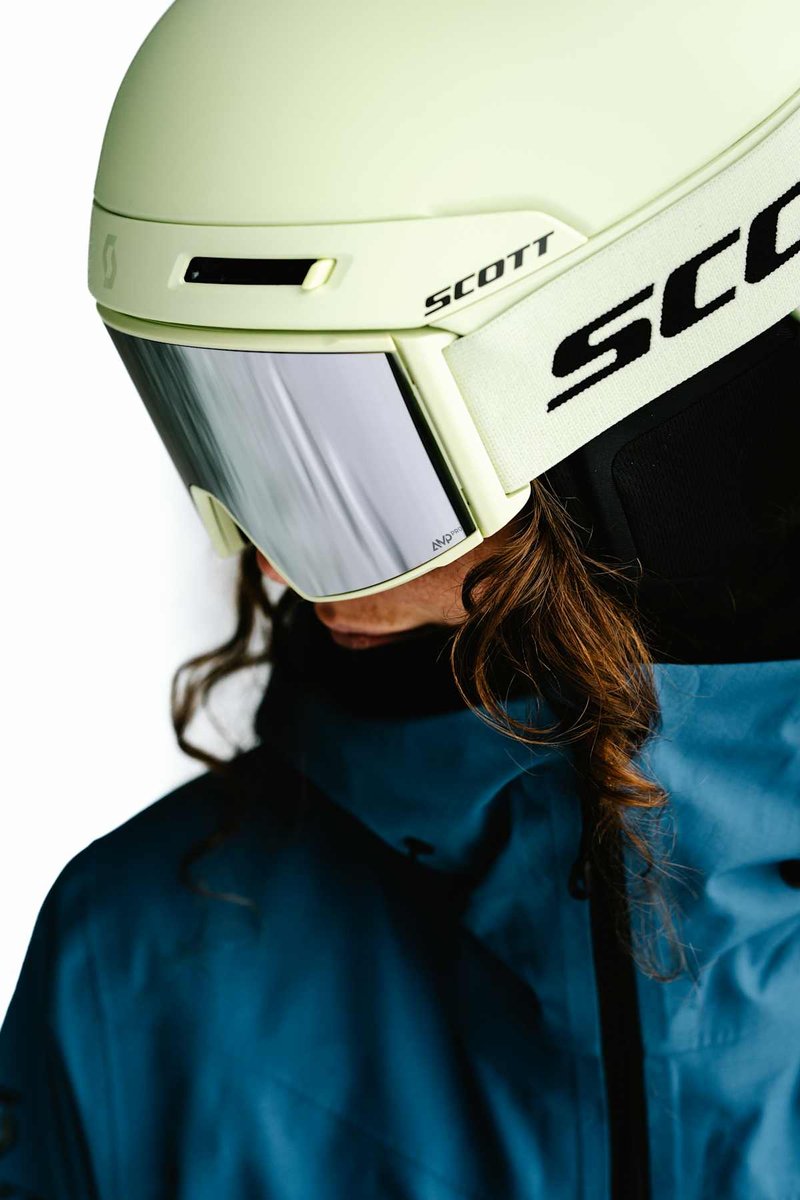
| Scott Flow Pro MIPS | Impact protection | MIPS | ~$230 |
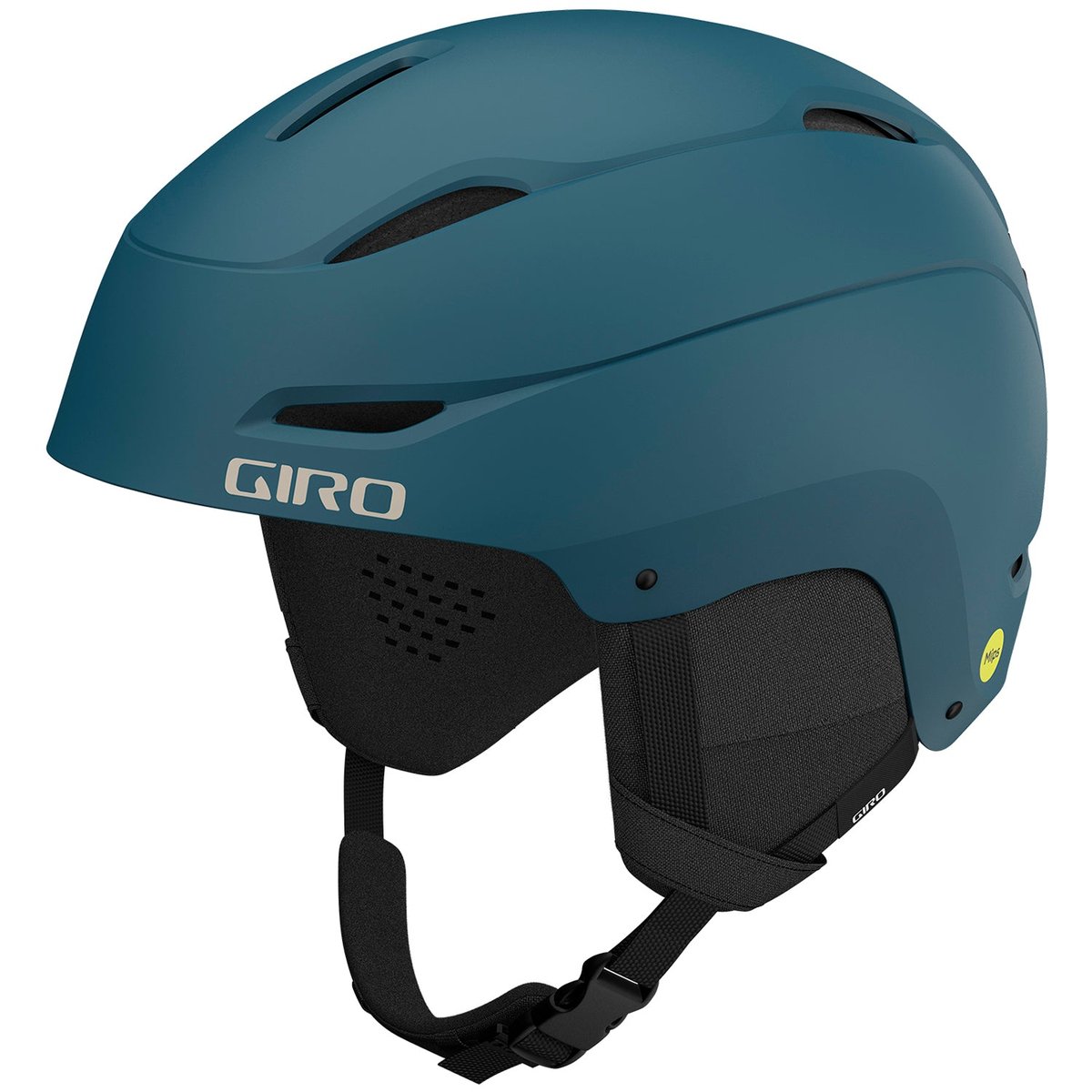
| Giro Ratio MIPS | Value | MIPS | ~$120 |
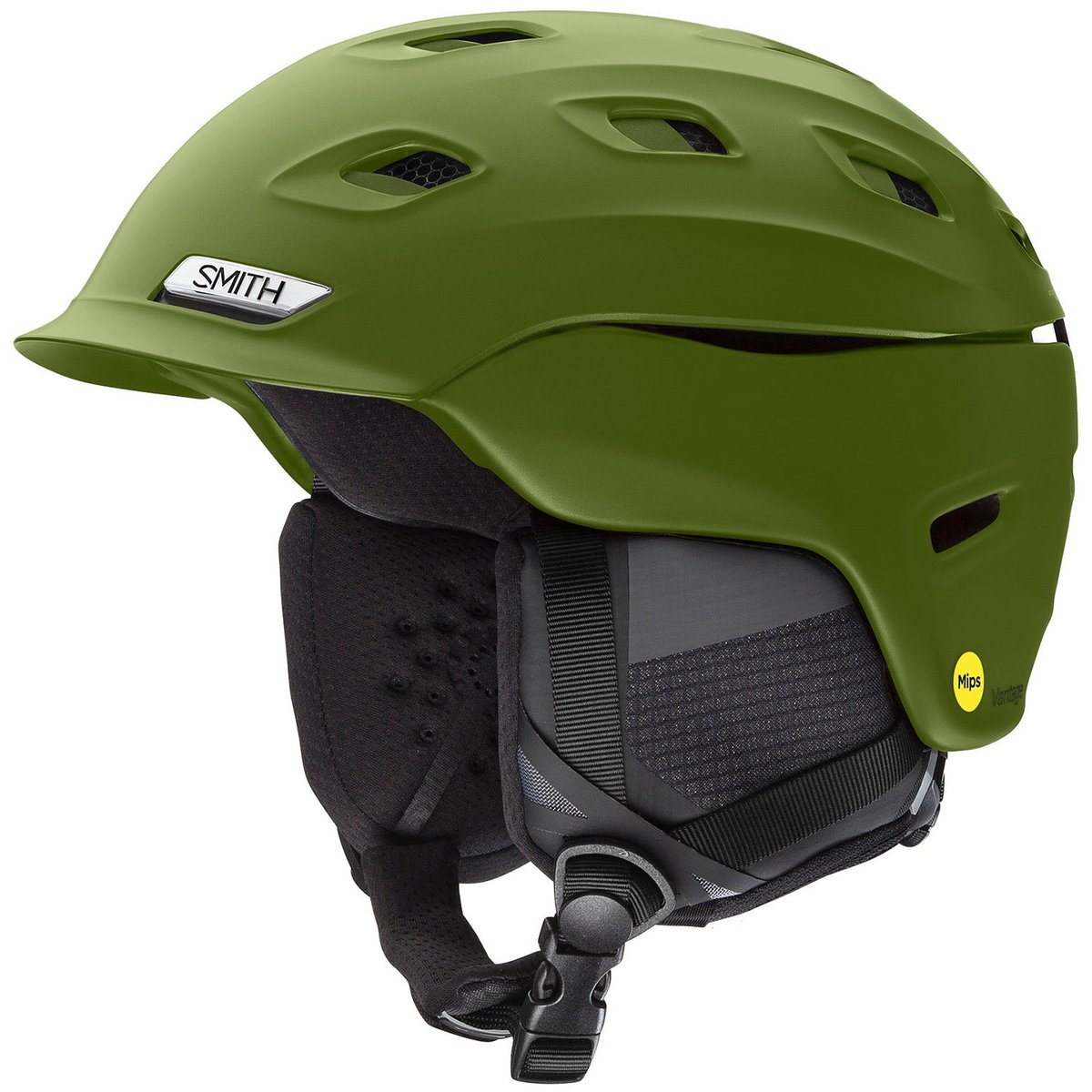
| Smith Vantage MIPS | Ventilation & fit | MIPS, Koroyd | ~$270 |
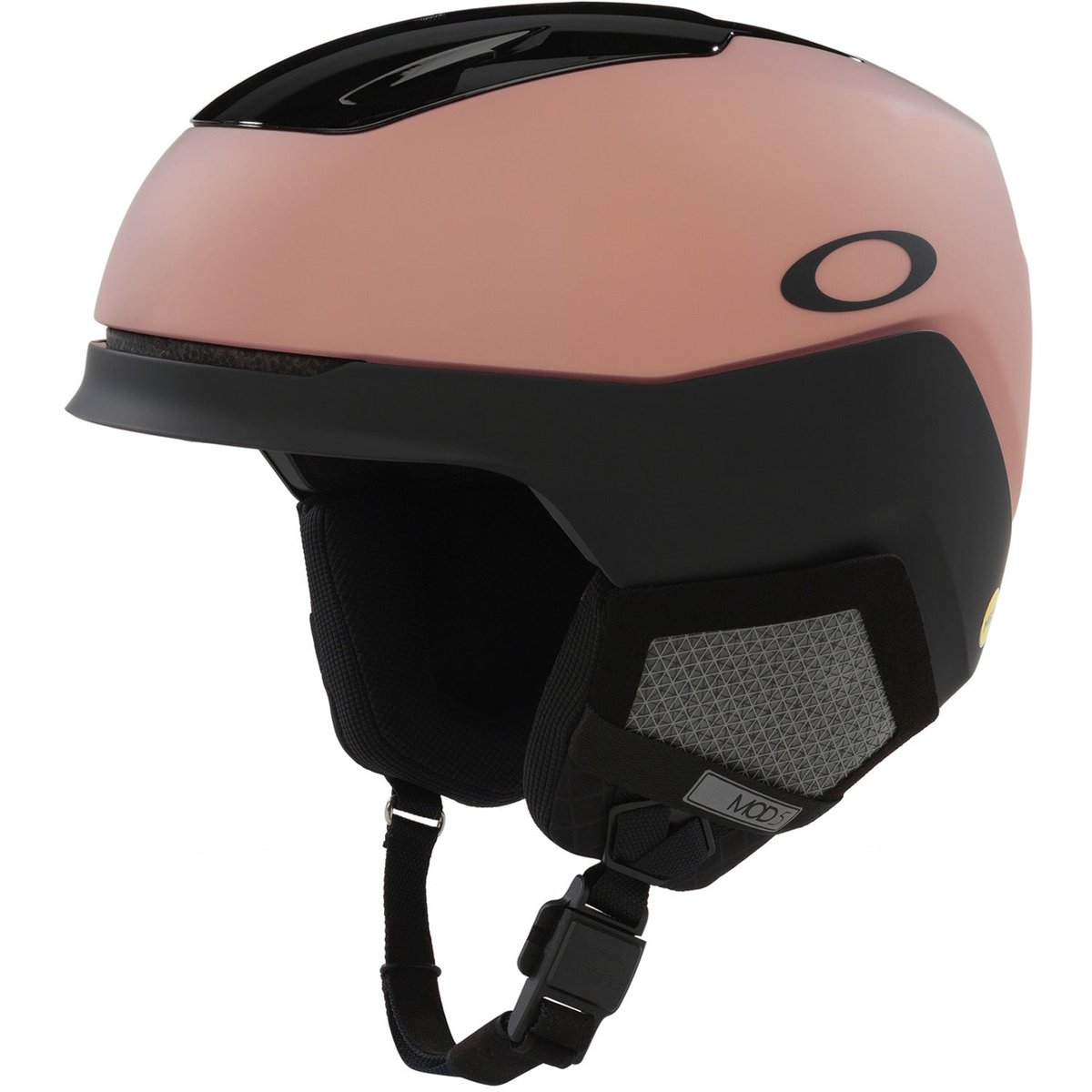
| Oakley MOD 5 MIPS | Goggle integration | MIPS | ~$250 |
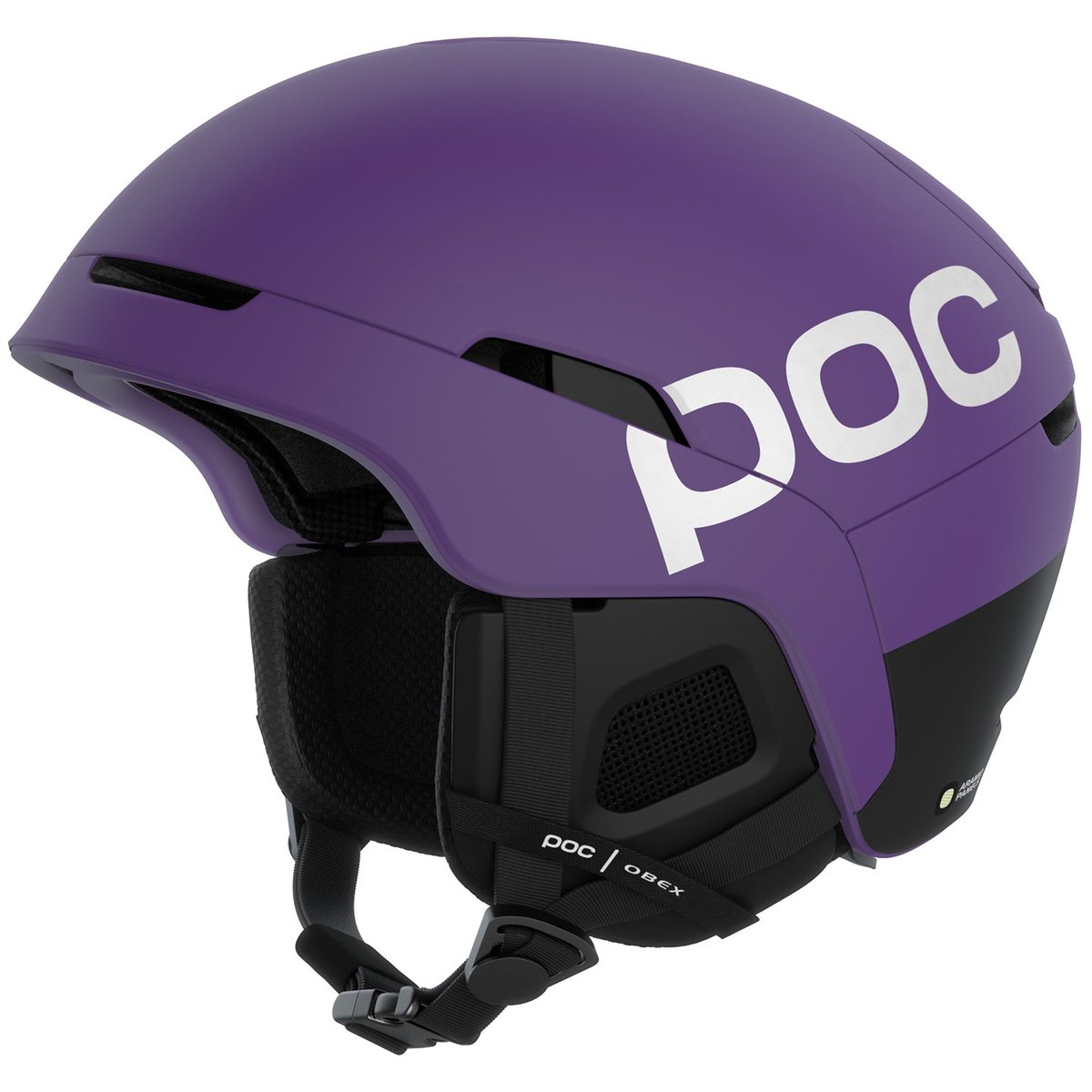
| POC Obex BC MIPS | Backcountry | MIPS, NFC medical ID | ~$270 |
Our Picks
How to Choose a Ski Helmet
Fit comes first. A helmet should sit level, snug enough that it moves your scalp when you rock it, with no pressure points. Measure your head circumference just above the eyebrows and match it to the size chart, between sizes, size down and rely on the fit-system dial.
Insist on rotational protection. MIPS or an equivalent (Spherical, WaveCel) adds a low-friction layer that reduces rotational forces in angled impacts, the most common kind of skiing fall. The technology adds $20-40 to a helmet’s price and is worth every dollar.
Match ventilation to how you ski. Aggressive skiers and spring regulars should prioritize adjustable vents; cold-weather cruisers can save money with fixed venting.
Replace after any significant impact, helmet foam is engineered to crush once. Most manufacturers also recommend replacement every 5 seasons of regular use regardless of impacts.
Helmet Safety Standards Explained
All helmets sold in the US must meet ASTM F2040; European models carry CE EN 1077. These are minimum standards, independent lab testing reveals meaningful differences above that floor, which is why impact-test results are worth checking before you buy. Rotational systems like MIPS are not covered by the base standards at all, making them a genuine differentiator rather than a marketing checkbox.
Frequently Asked Questions
Is MIPS really worth it?
Yes. Angled impacts are far more common in skiing than straight-on ones, and rotational force is a major contributor to concussion. The price premium is small relative to the protection gained, and nearly every helmet we recommend now includes it as standard.
Can I wear a bike or skate helmet skiing?
No. They are certified to different standards, lack insulation, and are not designed for cold-temperature impact performance or goggle integration. Buy a snow-certified helmet.
Audio-compatible earpads, gimmick or useful?
Genuinely useful if you like music on groomers: most helmets here accept drop-in speaker kits (sold separately). Keep the volume low enough to hear other skiers, awareness is part of safety.