The Best Ski Gloves and Mittens of 2026/27
Affiliate disclosure: As an Amazon Associate we earn from qualifying purchases. Some links below are affiliate links, see our full disclosure. Recommendations are based on our independent research of current-season gear, specifications, and aggregated expert and user feedback.
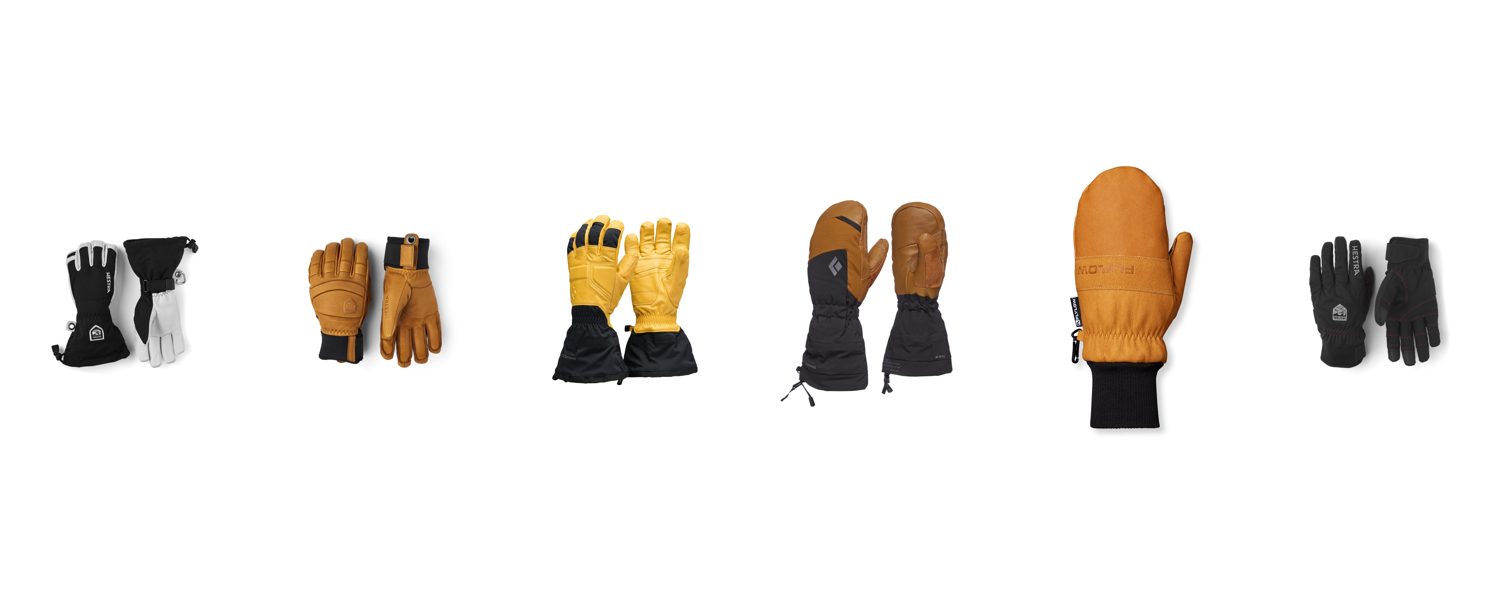
Cold hands end ski days early, and the difference between misery and comfort is usually a $100-190 decision made once every few seasons. The perennial question is gloves versus mittens (dexterity versus warmth), followed by leather versus synthetic (durability and feel versus price). Based on our research of the current season’s field, these are the hand-warmers that consistently rise to the top.
Quick Comparison
| Model | Type | Best For | Price |
|---|---|---|---|
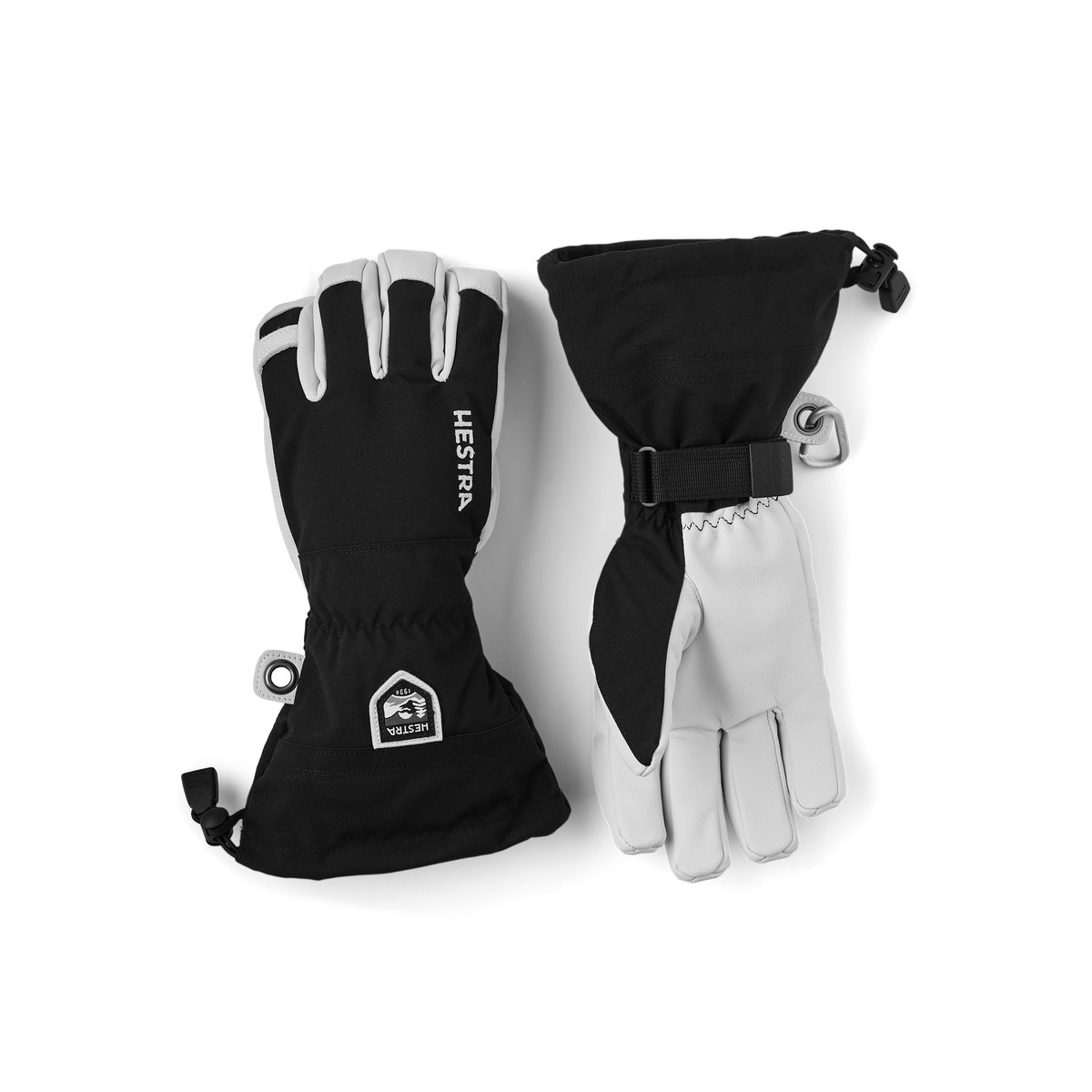
| Hestra Army Leather Heli | Glove (removable liner) | Best overall | ~$175 |
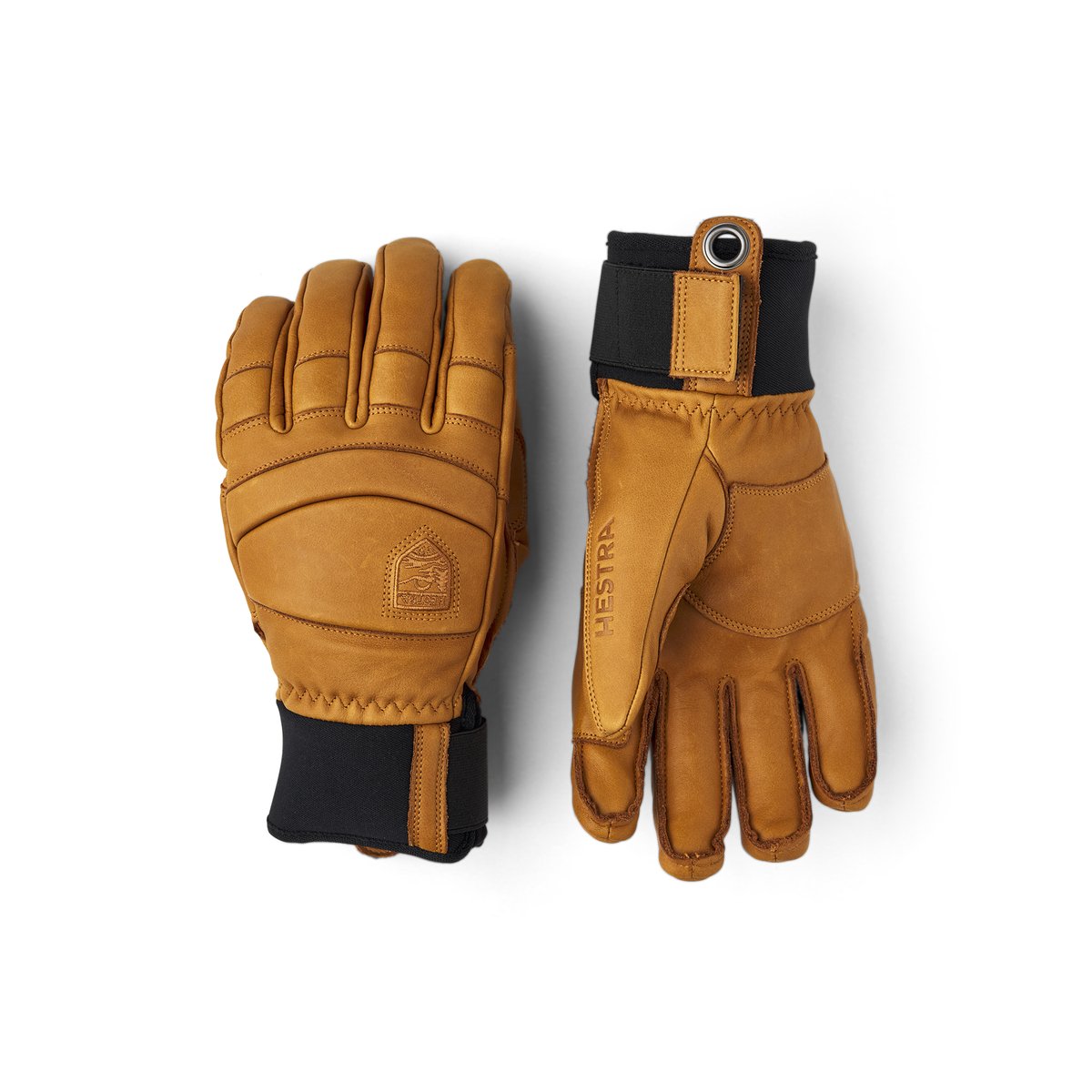
| Hestra Fall Line | Glove | Dexterity + style | ~$160 |
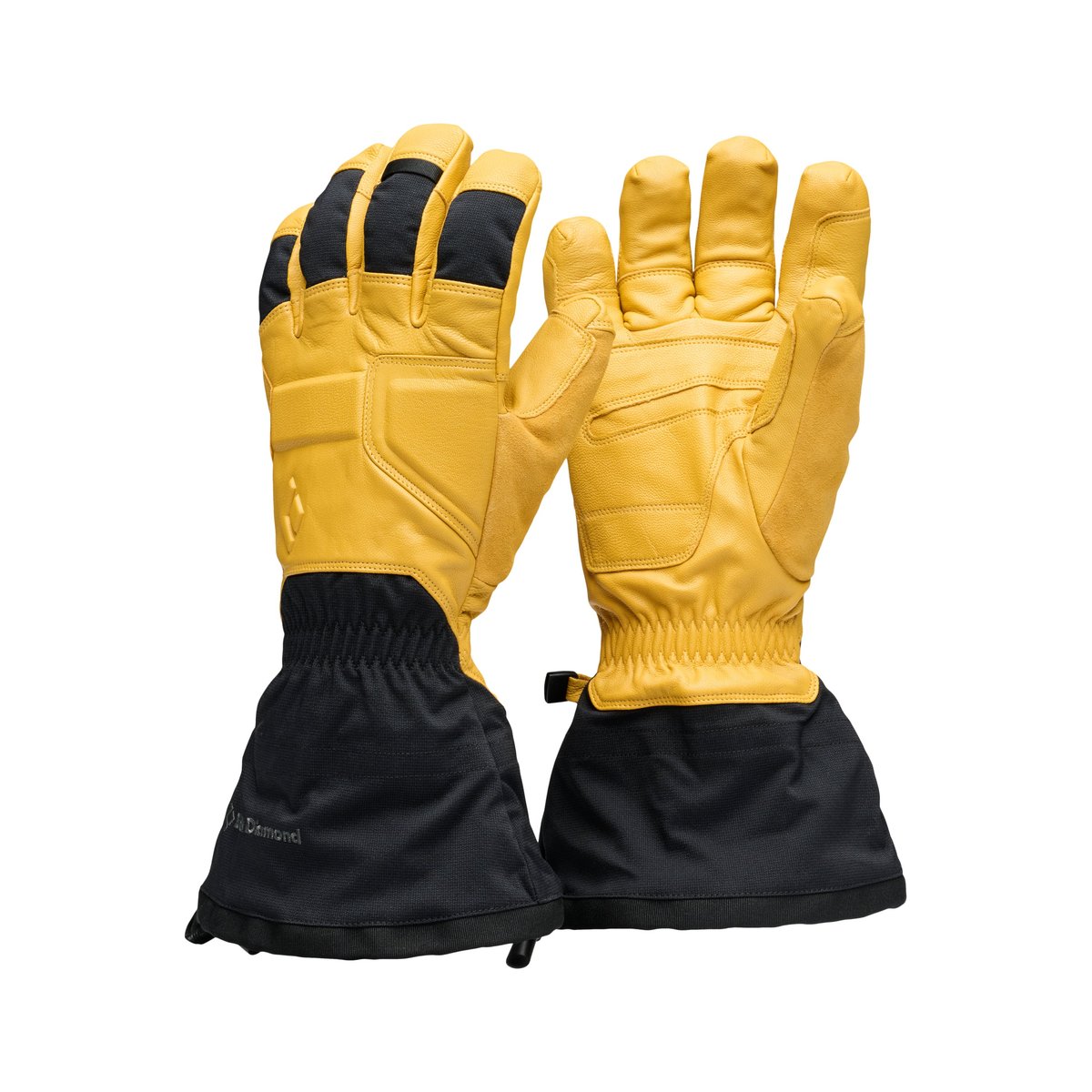
| Black Diamond Guide | Glove (removable liner) | Extreme cold | ~$190 |
| Black Diamond Mercury Mitt | Mitten | Best mitten | ~$130 |
| Flylow Oven Mitt | Mitten (leather) | Value | ~$60 |
| Hestra Ergo Grip Active | Glove | Touring/Nordic | ~$155 |
Our Picks
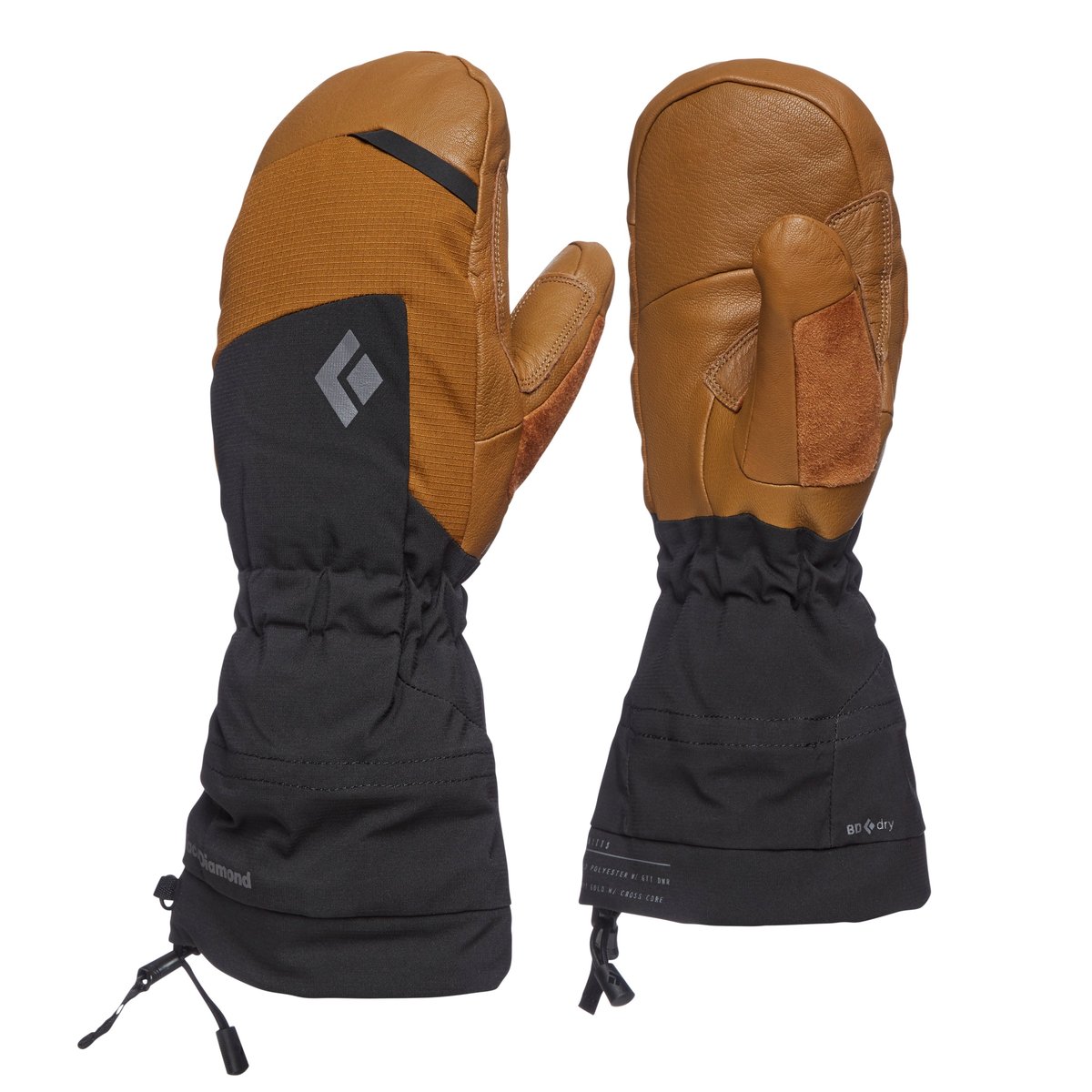
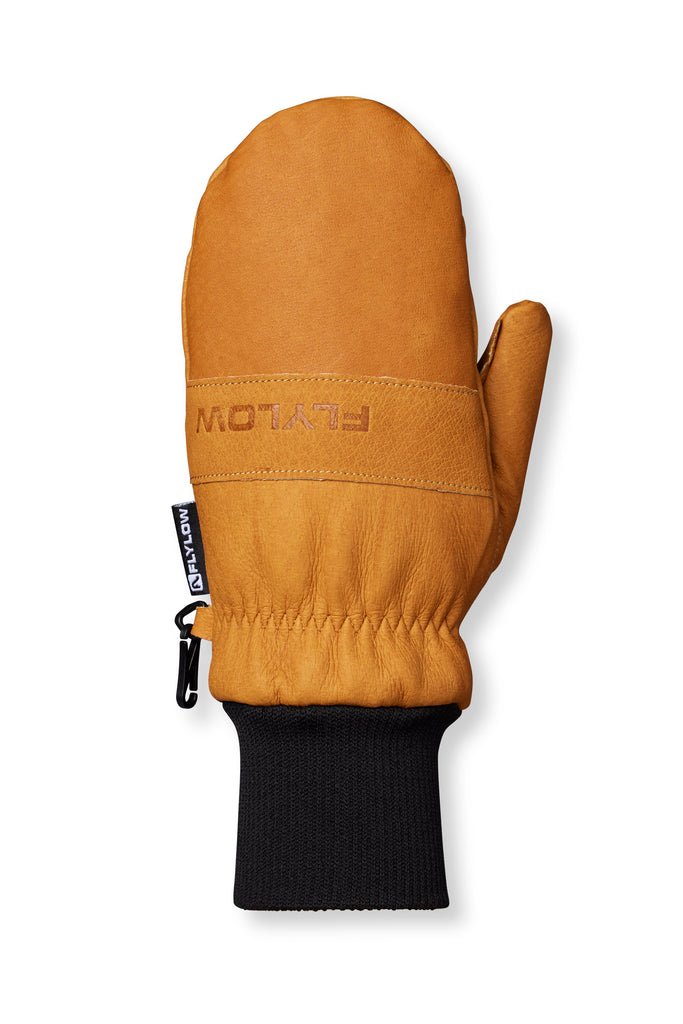
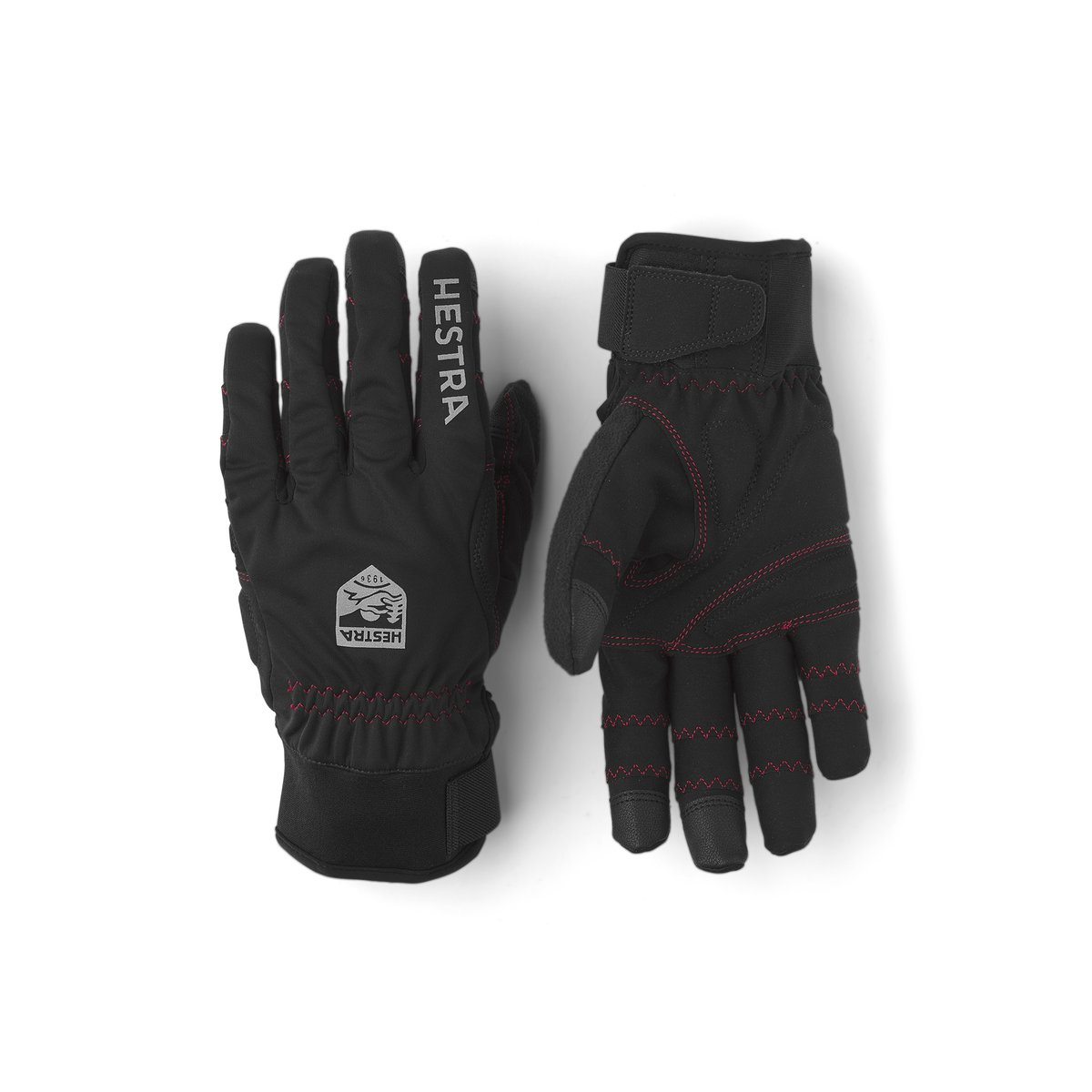
Gloves vs. Mittens: The Honest Answer
Mittens are warmer, fingers share heat, and gloves are more functional. The practical rule: if your hands run warm or you ski mostly above 20°F, gloves win on convenience. If your hands run cold, no glove will fix that; go straight to mittens (or a 3-finger hybrid) and stop suffering. Removable-liner designs extend either format across a wider temperature range and dry far faster overnight.
Leather Care in 60 Seconds
Leather gloves outlast synthetics dramatically if maintained: rub in a leather balm (Hestra’s or any snow-sport wax) when the leather starts absorbing rather than shedding water, usually two or three times a season. Dry gloves at room temperature, never on a radiator, which cracks leather and delaminates membranes.
Frequently Asked Questions
Are heated gloves worth buying?
For skiers with circulation issues (Raynaud’s, etc.), yes. They are transformative, and current models run $200-400; our heated ski gear guide compares the best heated gloves, mittens and socks. For everyone else, a quality mitten with a removable liner solves cold hands at half the price with nothing to charge.
Why do my hands get cold even in expensive gloves?
Usually one of three causes: gloves too tight (compressed insulation loses loft), cold core temperature (add a midlayer, warm torso means warm extremities), or damp liners from yesterday. Fit, layering, and drying fix most cold-hand problems before new gloves do.
What about glove liners?
A thin merino or silk liner adds a few degrees of range to any glove, enables quick phone use without full exposure, and costs $20-30. Cheap insurance for cold snaps.