Avalanche Safety Gear Essentials: Beacons, Shovels, and Probes
Affiliate disclosure: As an Amazon Associate we earn from qualifying purchases. Some links below are affiliate links, see our full disclosure. Recommendations are based on our independent research of current-season gear, specifications, and aggregated expert and user feedback.
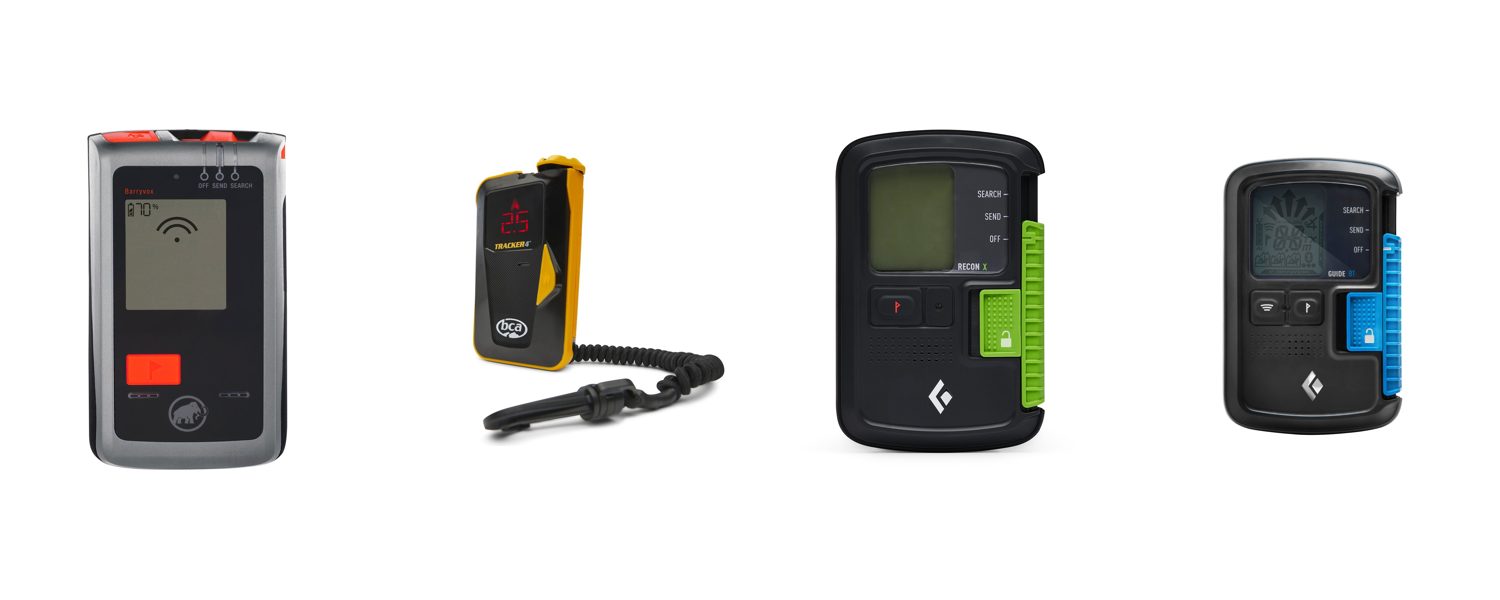
Every person who travels in avalanche terrain, skiing, splitboarding, or snowshoeing beyond controlled resort boundaries, needs three pieces of equipment on their body, every time: a transceiver (beacon), a probe, and a shovel. This is not gear that improves your day; it is gear that determines whether your partners can find and dig you out within the roughly 15-minute window where survival odds remain high. Here is how the kit works, the models our research puts at the top of the current field, and the one investment that matters more than any of them.
Quick Comparison
| Item | Model | Why | Price |
|---|---|---|---|
| Beacon (best value) | Mammut Barryvox | Simple, proven, 70m search strip | ~$329 |
| Beacon (best interface) | BCA Tracker 4 | Fastest, most intuitive search | ~$400 |
| Beacon (feature-rich) | Black Diamond Recon X | Bluetooth updates, strong range | ~$350 |
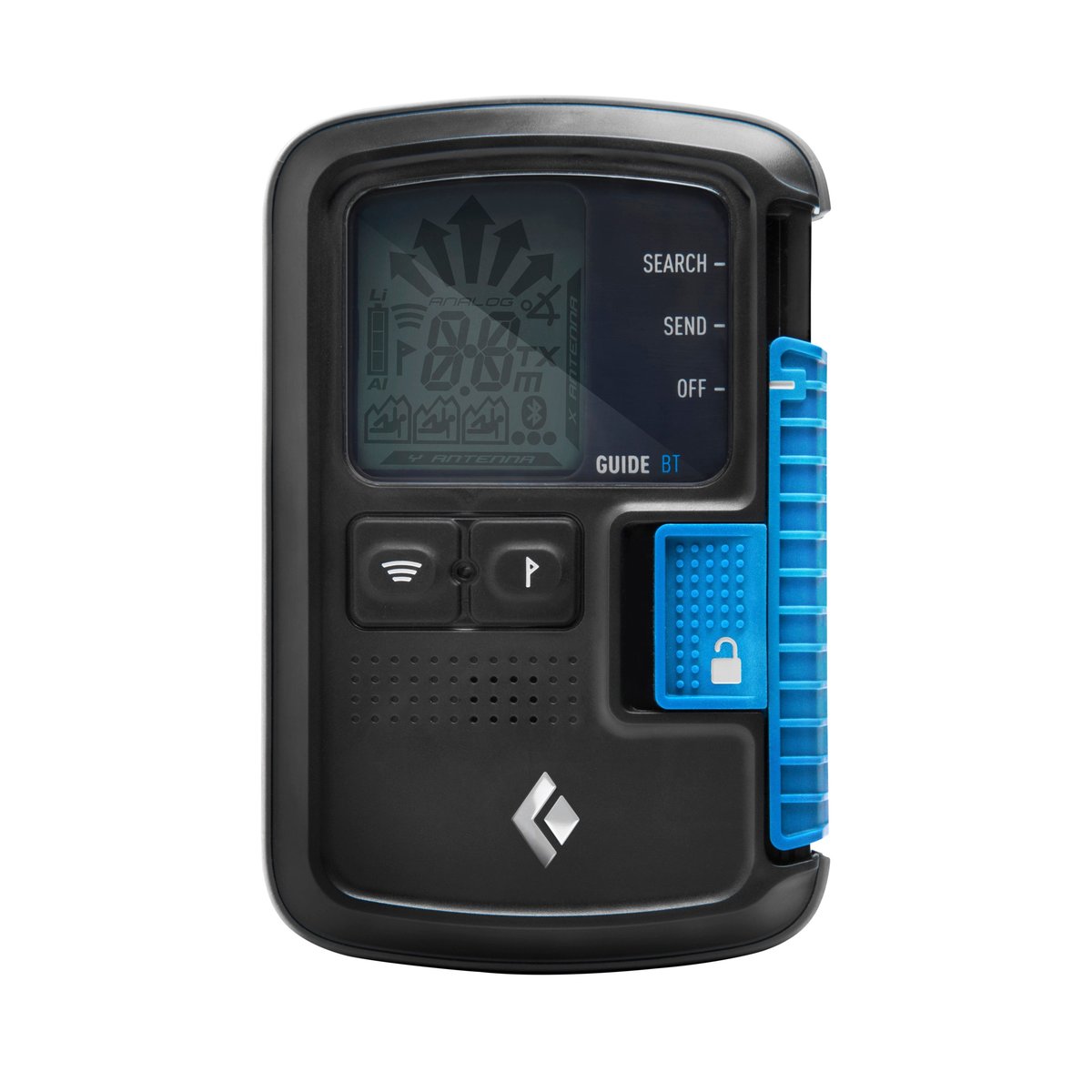
| Beacon (pro-level) | Black Diamond Guide BT | Multi-burial mastery, 60m range | ~$500 |
| Shovel | Metal-blade, extendable shaft | Plastic blades fail in debris | $60-90 |
| Probe | 240-300cm aluminum/carbon | Speed of pinpointing | $60-100 |
Our Picks
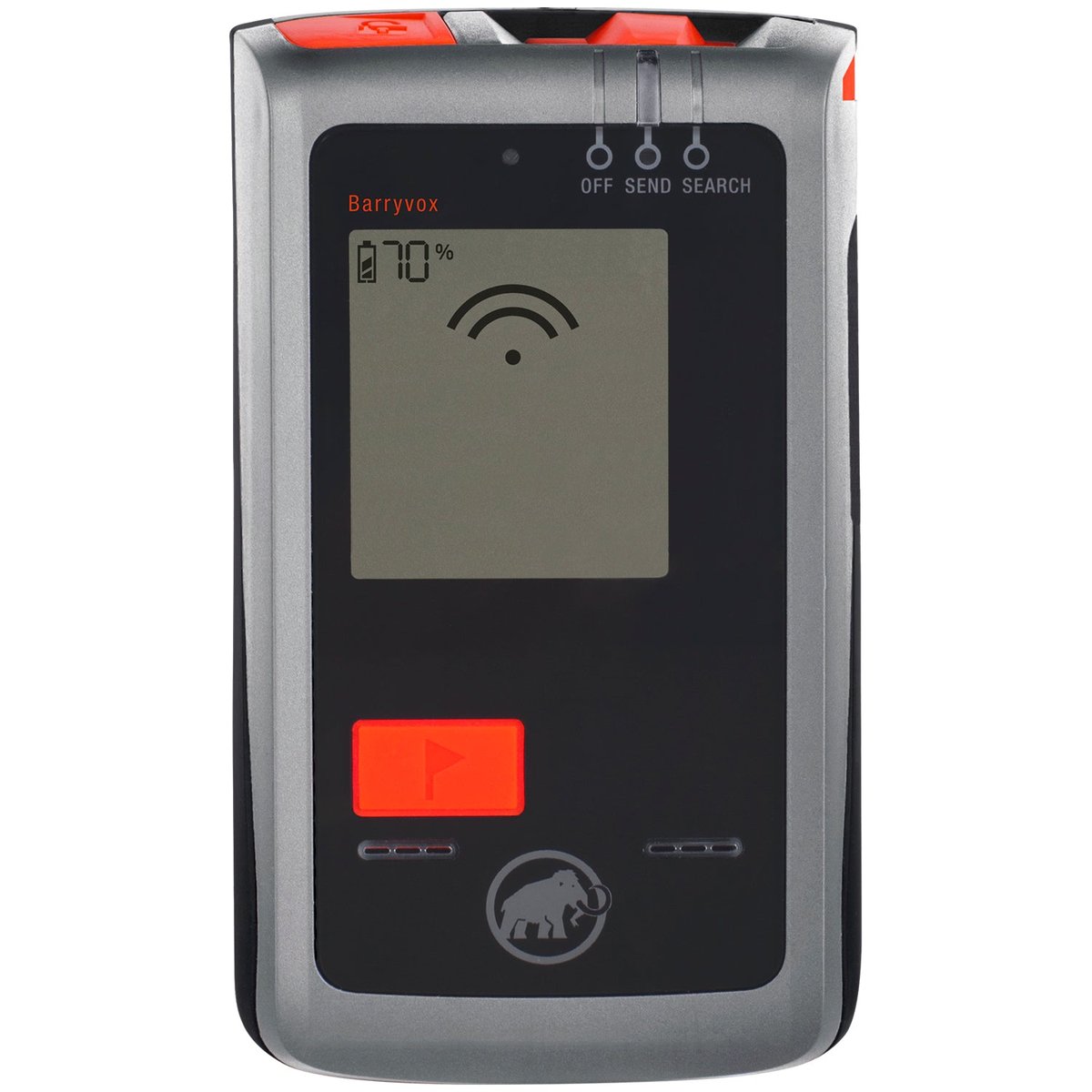
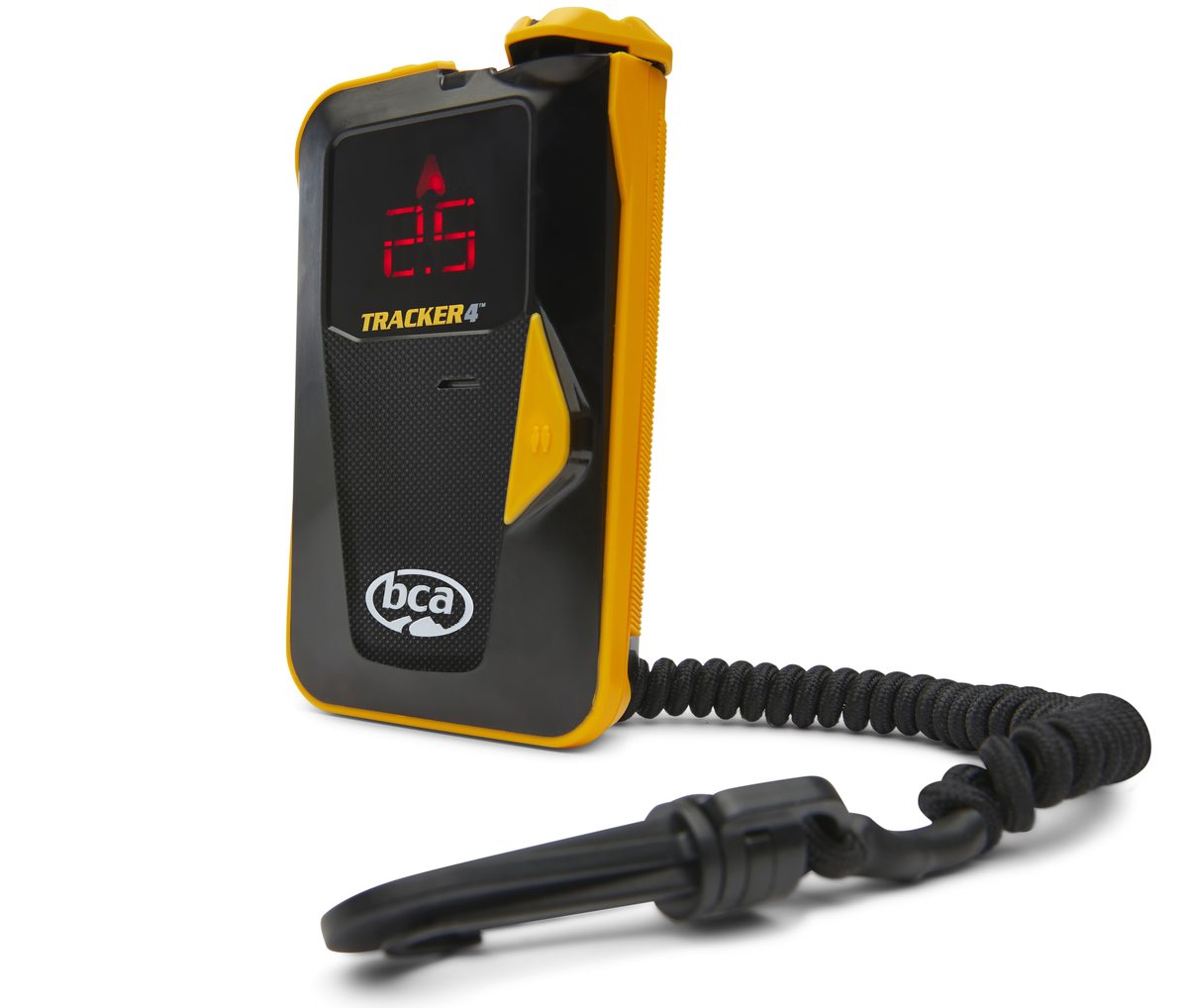
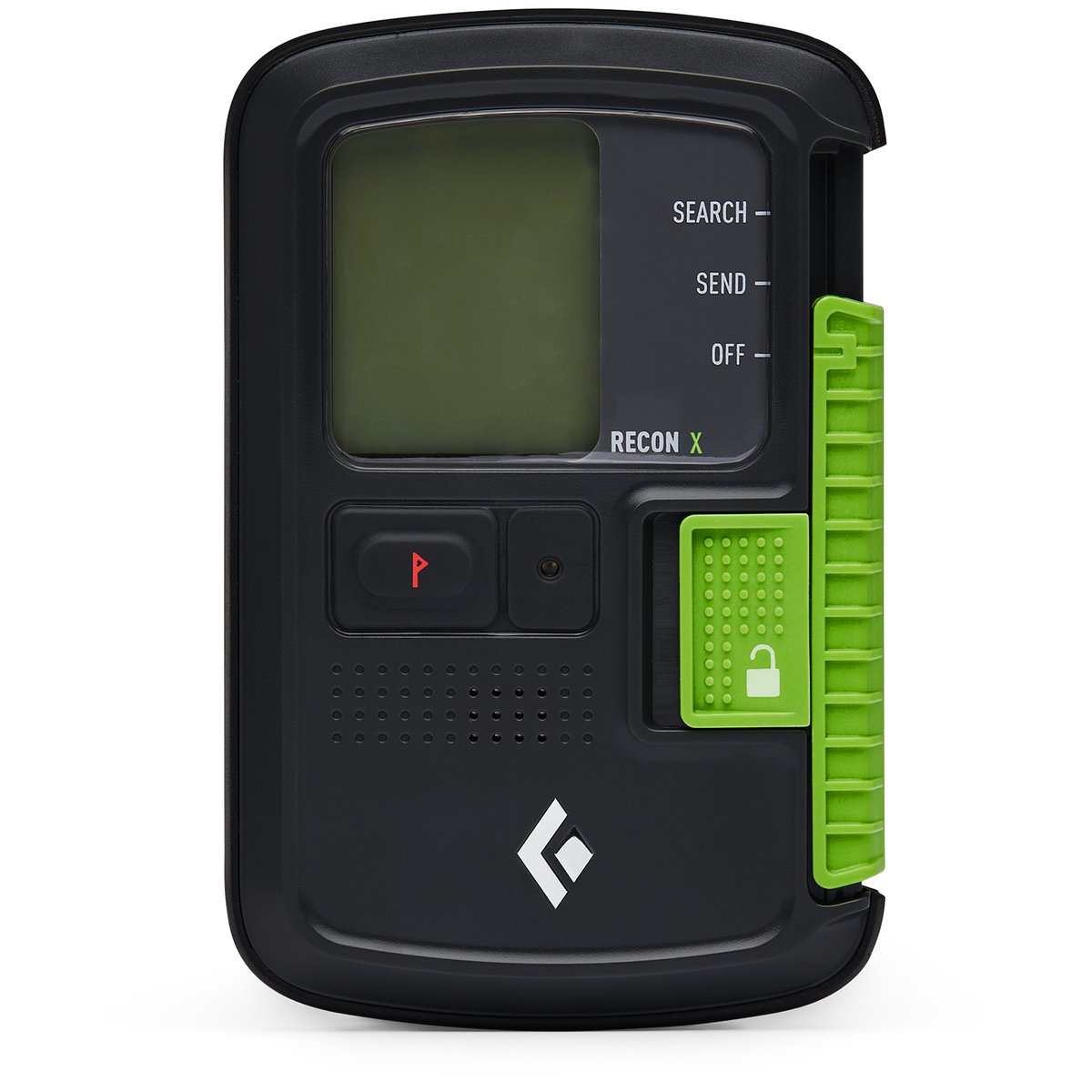
The Kit: What Each Piece Does
Transceiver (beacon): worn on your body (never in your pack), transmitting constantly. When a partner is buried, survivors switch to search mode and follow the signal. Any modern 3-antenna digital beacon from Mammut, BCA, Black Diamond, Ortovox, or Arva is safe and compatible, all transmit on the universal 457 kHz standard. Replace beacons older than ~10 years and never buy used.
Probe: after the beacon pinpoints the area, the probe confirms exact location and depth. Buy 240cm minimum, 270-300cm for deep-snowpack ranges like the Pacific Northwest. Aluminum is fine; carbon saves grams.
Shovel: digging is the slowest phase of rescue, a buried victim is typically under a meter or more of avalanche debris that sets like concrete. A metal blade is mandatory (plastic shatters in debris), and an extendable shaft with a hoe mode speeds strategic digging dramatically.
Airbag packs ($800-1,400) meaningfully improve survival odds by helping you stay near the surface, and are worth considering once the core kit and training are handled. They supplement the triad, never replace it.
The Most Important Purchase Is a Course
Gear locates and extracts buried people; education keeps you from being buried at all. An AIARE Level 1 course (3 days, roughly $500-650) teaches terrain assessment, snowpack evaluation, trip planning, and companion rescue under realistic stress, and record numbers of backcountry travelers are enrolling. Take the course before or alongside your gear purchase, practice beacon drills at the start of every season, and check the avalanche forecast (avalanche.org in the US) before every tour. Slopes between 30° and 45° produce the most avalanches, the same angles that make the best skiing, which is exactly why training matters.
New to off-piste travel entirely? Start with our guide to the types of skiing to understand where backcountry riding fits.
Frequently Asked Questions
Can I just rent avalanche gear?
For an occasional guided trip, yes, outfitters provide kit. If you tour independently even a few times a season, own your beacon: familiarity with your own device under stress is part of the safety margin.
Do resort skiers need any of this?
Not inside patrolled boundaries, avalanche control work is done for you. The moment you duck a rope or exit a backcountry gate, you are in uncontrolled terrain and need the full kit, a partner, and training. Many resorts now sell sidecountry access precisely because people underestimate this line.
Beacon, phone app, or RECCO, are they equivalent?
No. Phone apps are not survivable substitutes for a 457 kHz transceiver and no professional organization endorses them for rescue. RECCO reflectors help organized rescue teams find you but do nothing for companion rescue in the critical first minutes. Only a real beacon does that.